Five Classic Sci-Fi Movies Available to Stream for Free on YouTube
Streaming subscriptions dominate entertainment distribution, locking countless movies and series behind monthly paywalls. Free ad-supported platforms like Tubi and Pluto TV offer accessible alternatives, yet YouTube remains an understated hub for finding feature films at no cost.
Alongside rare independent projects, YouTube frequently hosts recognized mainstream titles. Viewers looking for tension can stream David Fincher’s 2007 crime thriller Zodiac, while those in search of comedic action can turn to Edgar Wright’s 2013 film The World’s End. For audiences drawn to sci-fi, five standout films are available to stream on YouTube right now.
The Thing (1982)
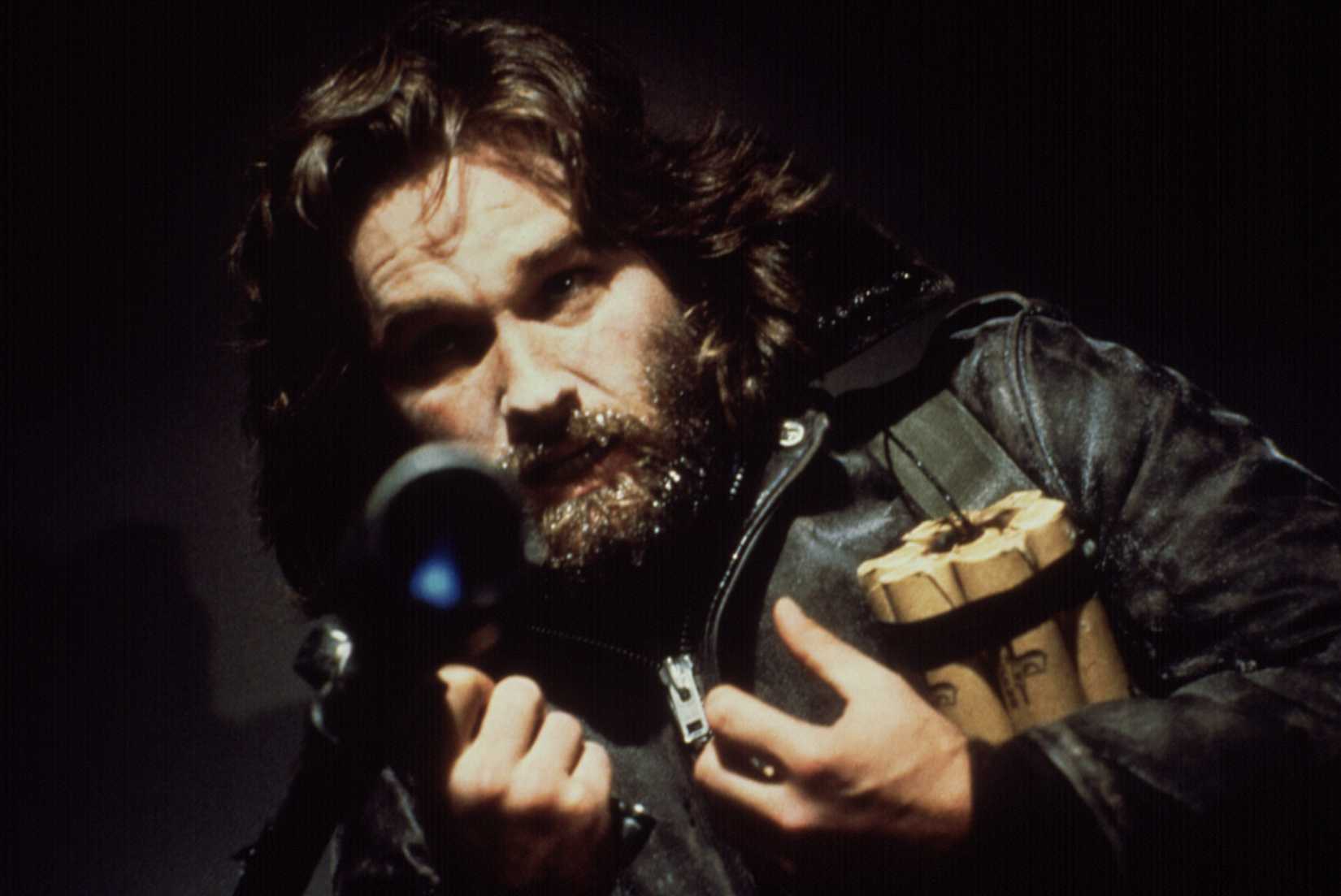
John Carpenter’s The Thing stands out as the most enduring screen adaptation of John W. Campbell Jr.’s novella Who Goes There?. Although the production received an icy critical reception during its initial theatrical release in the summer of 1982, the film earned widespread acclaim over the ensuing decades.
Set within an isolated research base in Antarctica, the plot tracks a group of scientists coping with an extraterrestrial organism that assimilates and mimics other life forms. Helicopter pilot R. J. MacReady (Kurt Russell) assumes command as paranoia destroys trust among the crew. Carpenter utilizes the frozen wasteland to invert traditional escape tropes. The researchers must contain the creature on site, since allowing it to reach civilization would doom humanity. Rob Bottin’s gruesome practical effects and Carpenter’s unresolved ending reinforce the narrative tension.
Ghost in the Shell (1995)
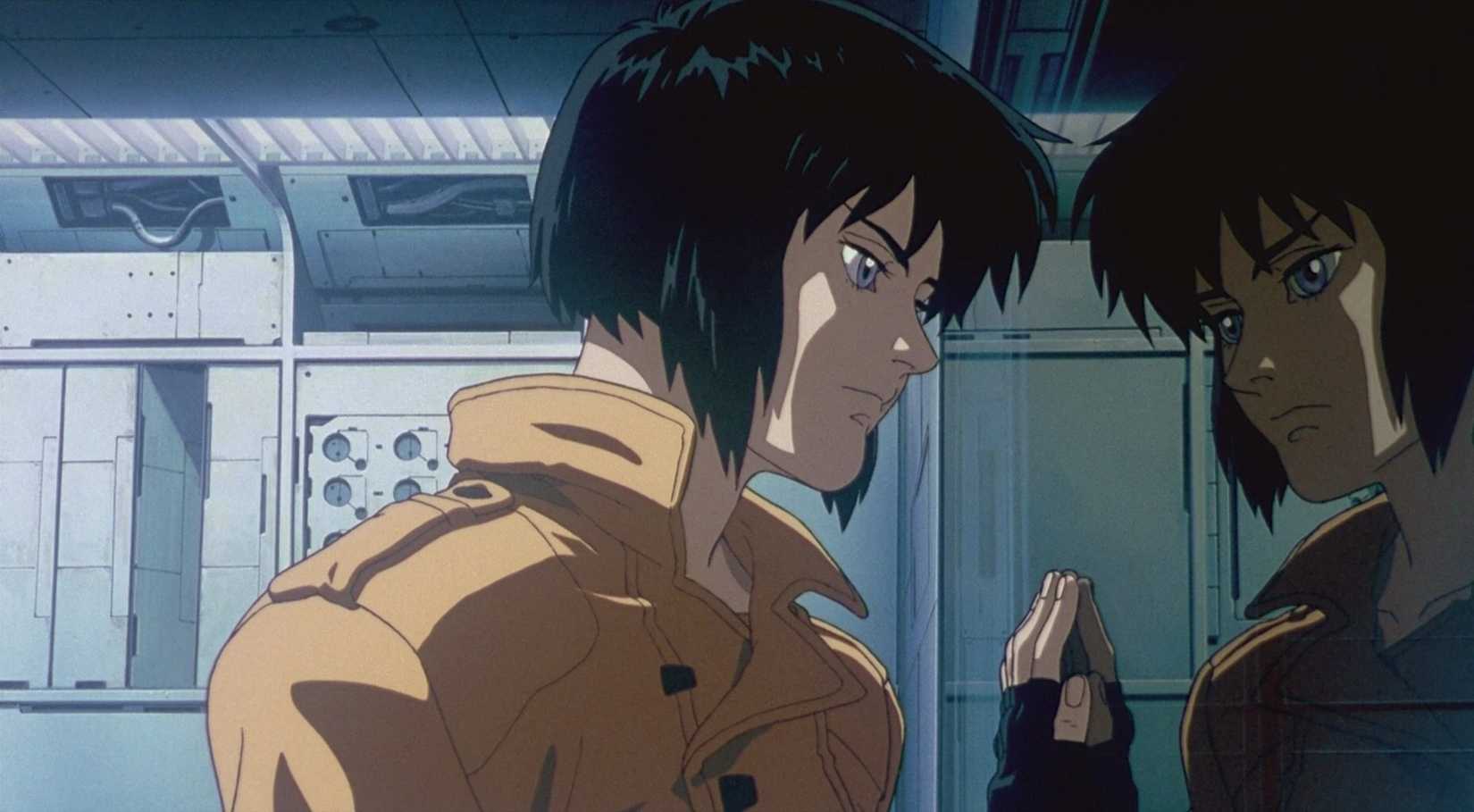
Few cyberpunk stories carry the cultural footprint of Masamune Shirow’s manga Ghost in the Shell. Directed by Mamoru Oshii, who previously directed Angel’s Egg, the 1995 animated adaptation centers on Major Motoko Kusanagi, a cyborg field commander serving New Port City’s counter-cyberterrorist unit, Public Security Section 9.
Oshii investigates philosophical themes regarding personal identity and bodily autonomy in a connected digital network. The narrative questions the boundaries of human consciousness when memories can be manufactured, altered, or stolen. Oshii’s visual style and thematic focus influenced major science fiction releases, including The Matrix and Altered Carbon, cementing its place alongside William Gibson’s Neuromancer in the cyberpunk canon.
Donnie Darko (2001)
Director Richard Kelly gained a devoted following with his 2001 debut Donnie Darko, which is slated to receive an upcoming sequel. The story opens on Oct. 2, 1988, when troubled high school student Donnie (Jake Gyllenhaal) sleepwalks onto a golf course after hearing a voice. There he meets Frank (James Duval), a figure in a disturbing rabbit suit who warns that the world will end in 28 days. Donnie returns home to find that a jet engine crashed into his bedroom while he was away.
Kelly combines suburban teen angst with complex concepts of time travel, wormholes, and alternate realities. Gyllenhaal delivers a nuanced breakout performance backed by a capable ensemble cast. The ambiguous storyline encourages continuous discussion and multiple interpretations regarding Donnie’s fate.
Stalker (1979)
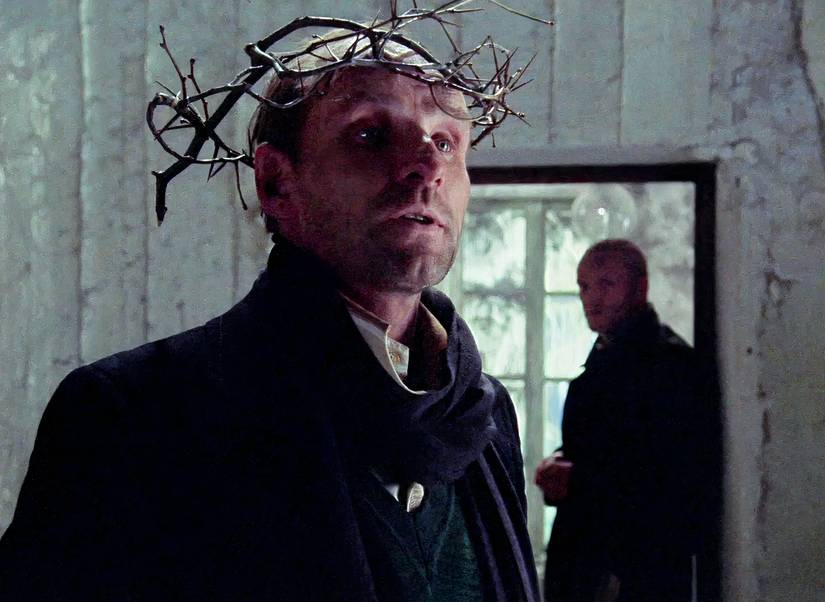
Soviet filmmaker Andrei Tarkovsky, known for directing Solaris and Ivan’s Childhood, brought an atmospheric visual language to science fiction. His 1979 feature Stalker loosely adapts Arkady and Boris Strugatsky’s novel Roadside Picnic.
The plot follows an illegal guide known as the Stalker (Alexander Kaidanovsky) as he escorts a writer (Anatoly Solonitsyn) and a professor (Nikolai Grinko) through a hazardous restricted territory called the Zone. At the heart of the Zone lies a room believed to grant the deepest subconscious desires of whoever enters. Tarkovsky transitions from sepia-toned industrial landscapes to vivid color imagery inside the Zone, building tension through slow camera movements, sound design, and philosophical discourse on human desire.
Blade Runner (1982)

Ridley Scott’s Blade Runner established fundamental aesthetic benchmarks for futuristic cinema. Inspired by Philip K. Dick’s novel Do Androids Dream of Electric Sheep?, the story takes place in a rain-drenched, neon-lit version of Los Angeles.
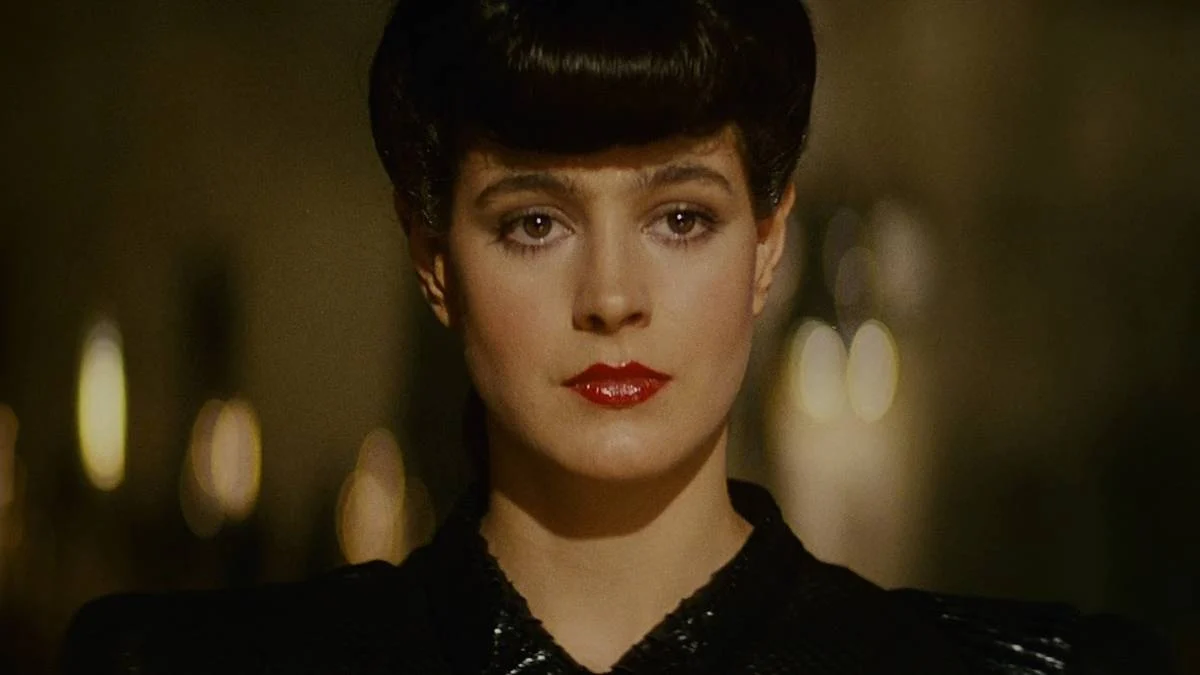
Harrison Ford plays Rick Deckard, an experienced blade runner tasked with hunting down a faction of rogue synthetic humanoids known as replicants. Led by Roy Batty (Rutger Hauer), the group seeks to extend their limited lifespans. Deckard’s investigation deepens when he encounters Rachael (Sean Young), an advanced replicant at the Tyrell Corporation who believes she is human. Scott pairs rich production design with thematic questions about corporate reach, ecological ruin, and the defining qualities of empathy.
Source: Polygon
Related articles
 Mod Adds New Game Plus and Bat Flight to The Blood of Dawnwalker
 Sony Faces Fan Criticism Over Digital Game Policies Amid Legal Hypocrisy Accusations
 Square Enix Hints at Drakengard Return, Prompting Remake Speculation From Fans
 Lost Fortnite Footage Surfaces 14 Years Later
 Blizzard Cancels Future Diablo IV Expansions to Focus on Diablo V
 Prime Video Sets Reacher Return Date for Next Month
 First Details of New StarCraft Game and One Target Platform Revealed
 Diablo IV Adds Moofisto Boss for New Event