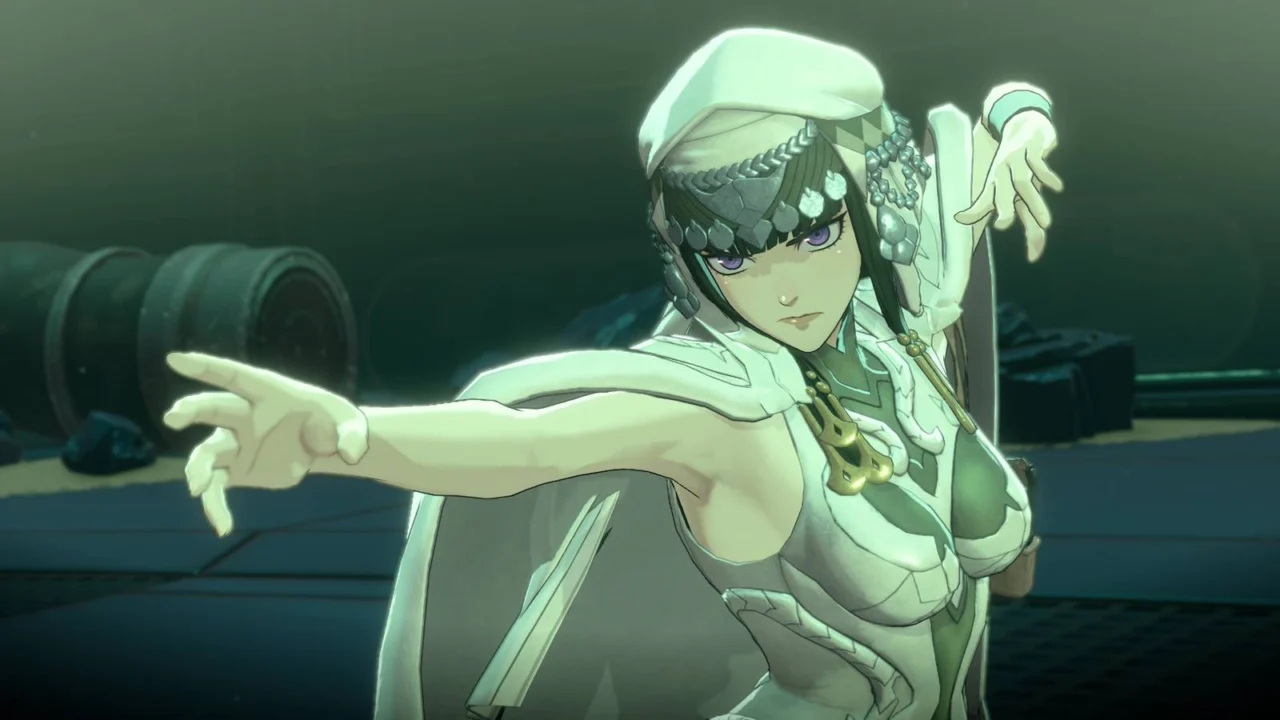
Fire Emblem Fortune’s Weave Has Actually Terrific Support Conversations
Fire Emblem: Fortune’s Weave has ignited considerable debate among players exploring its sprawling campaign. Many are taken aback—and occasionally disappointed—by the limited roster of conversation partners available to certain cast members, paired with unexpectedly brief support chains. Even within our own writing circles, opinions are sharply divided. Yet, as the title of this piece suggests, I firmly believe this design choice is a triumph. Rather than padding the runtime with superfluous dialogue, Intelligent Systems has prioritized meaningful interactions that genuinely illuminate both the characters and the overarching narrative.
Beyond the four unplayable Flame Lords—Orchel, Talimun, Anatolia, and Bertrand—two names consistently surface in community expressions of dismay: Guzran and Catania. Guzran possesses a distinct penchant for mentoring promising greenhorns, yet he shares zero support conversations with anyone in Cai’s faction. Similarly, Catania’s character lore reveals she lost everything during the Cydonia Massacre, yet she never once acknowledges Leda’s presence. Having spent nearly two months immersed in the experience, a clear pattern emerges regarding how the studio handles interpersonal dynamics. Redundant filler has been ruthlessly trimmed, a philosophy evident in the streamlined flow of battles, side quests—where completed objectives on one path carry over automatically—and dungeons. Naturally, this ethos extends directly to character relationships and development.
Minor character background spoilers for Fire Emblem: Fortune’s Weave lie ahead.
Another telling element is the meticulous integration of subtle biographical details into everyday personality traits and narrative placement. Consider Goliath. In one of his recurring monthly dialogues, he reveals that he has given up alcohol entirely to afford books for his adopted sibling. Present him with booze as an offering, and his response is predictably lukewarm. However, hand a book to this hulking, meat-loving bruiser—someone you would instinctively assume despises reading—and while it might not be his favorite pastime, it visibly lifts his spirits, presumably because it represents another volume he can forward to his brother.
In short, Intelligent Systems has placed a premium on thematic coherence and psychological realism. Ensuring every single unit can chat or romance half the army simply wasn’t the primary objective here.
Sure, Guzran enjoys bragging to promising novices. But what would that dynamic look like with Cai and his eclectic group of absolute strangers? He would likely boast about past exploits, invite ridicule, and promptly irritate Tialla, none of whom require his specific brand of tutelage—that’s what characters like Castor and Ultand are designed for. Such an interaction would be textbook filler, offering zero insight into anyone involved. Instead, the developers relegated his boastful tendencies to monthly ambient dialogue, reserving substantive, revelatory conversations for figures he actually knows, such as Mikaela. His genuine interest in Mikaela’s daughter, Mu, makes logical sense given his established history with the family, entirely bypassing the absurdity of him lecturing random teenagers.
Similarly, given Leda’s close proximity to the Cydonia Massacre, why don’t she and Catania exchange words even once? The more pertinent question is: Why on earth would they? Catania is six years Leda’s senior and hails from an established knightly house, whereas Leda spent her formative years training in Kalla’s sanctuary far from Kassite. There is zero indication Catania knew her back then, let alone well enough to recognize her two decades later after she reinvented herself as an itinerant traveling bard. Catania seeks a life of integrity in service to a noble lord, while Leda remains a wanted fugitive whose lineage is shadowed by ancestral slander. An amicable scenario between the two stretches credulity, nor would it yield any novel character insights. Viewed through this interpretive lens, Catania’s exchanges with Lysander feel far more earned, perfectly complementing her underlying disdain for Io as expressed in their respective monthly banter. Forced, fluffy support scenes simply have no place here.
This exact design philosophy explains other seemingly truncated trees, such as Anatolia primarily conversing with fellow White Egg faction members. Who else would she realistically confide in? Someone with her background would naturally harbor deep apprehension toward the average Dagdan citizen—a nuance thoroughly understood by anyone who has experienced paths outside of Leda’s journey. Consider Nuzzuo as another prime example: despite possessing an utterly fascinating backstory as the former leader of a tribe that revered Balor, he receives a single C-rank chat with Diego and nothing more.
More than likely, the scarcity of his support options stems directly from those very origins. The Har Hali tribe are deeply feared and fiercely insular—even before factoring in their dark religious devotion. Diego happens to be the sole representative of that culture in Dagsion. While stretching out their dialogue might have seemed appealing on paper, what additional revelation would it truly offer? That Diego’s parents cast him out, leaving him utterly isolated except for Orchel? We hardly need to watch that predictable tragedy unfold in real time; his profound apprehension and certainty of rejection are entirely self-explanatory.
Get Polygon’s Wishlister newsletter
A weekly cheat sheet to what you’ll eventually love to play. No buying, no commitment — just saving for later.
Free. Unsubscribe anytime.
Admittedly, certain parts of Nuzzuo’s casual dialogue could easily have been spun into full support chains—such as his genuine bewilderment over why people panic when he materializes unannounced from the shadows. A humorous exchange between him, Halvin the jittery clown, and Peter centered on that exact quirk could have been entertaining. Yet it ultimately would have functioned as shallow comic relief, leaning on their terror for cheap laughs before inevitably concluding with a trite scenario where the imposing, frightening brute transforms into a protective guardian for the frightened youths. By contrast, leveraging Peter’s phobia of Ninae as a narrative lens to dissect her profound isolation and secret sorrow proves immensely more effective and unpredictable. In fact, their inaugural conversation fundamentally altered my perspective on Ninae.
Nintendo might have benefited from broadcasting this fundamental shift in character writing prior to release. Even so, given the wave of reactionary discourse post-launch, it is hardly surprising they kept this design philosophy understated. Perhaps public sentiment will steadily evolve as more players delve into the substance of these interactions rather than fixating purely on roster matrices. Fortune’s Weave is a significantly stronger tactical journey precisely because of how it handles interpersonal writing, and it serves as a blueprint I sincerely hope shapes the future trajectory of the franchise.
An exceptional achievement for Intelligent Systems — and the tactical RPG genre on the whole
Source: Polygon
Related articles
 Trails in the Sky the 2nd Chapter Sets Sales Record for Nihon Falcom
 Hideo Kojima Addresses Whether Physint Will Release on PlayStation 6
 Stellar Blade Reportedly Reaches Switch 2 With Free Demo and PS5 Comparisons
 Bungie Announces Plans to Restore Vaulted Destiny 2 Content and Substantial Reworks to Marathon
 Monster Hunter Wilds to Feature More Difficult Endgame Based on Player Feedback
 Classic Warhammer 40,000 Ork Miniatures Returning Through Made to Order Scheme
 Demon Slayer Infinity Castle to Stream on Hulu Next Week
 How to Find Enrietto in Fire Emblem: Fortune’s Weave