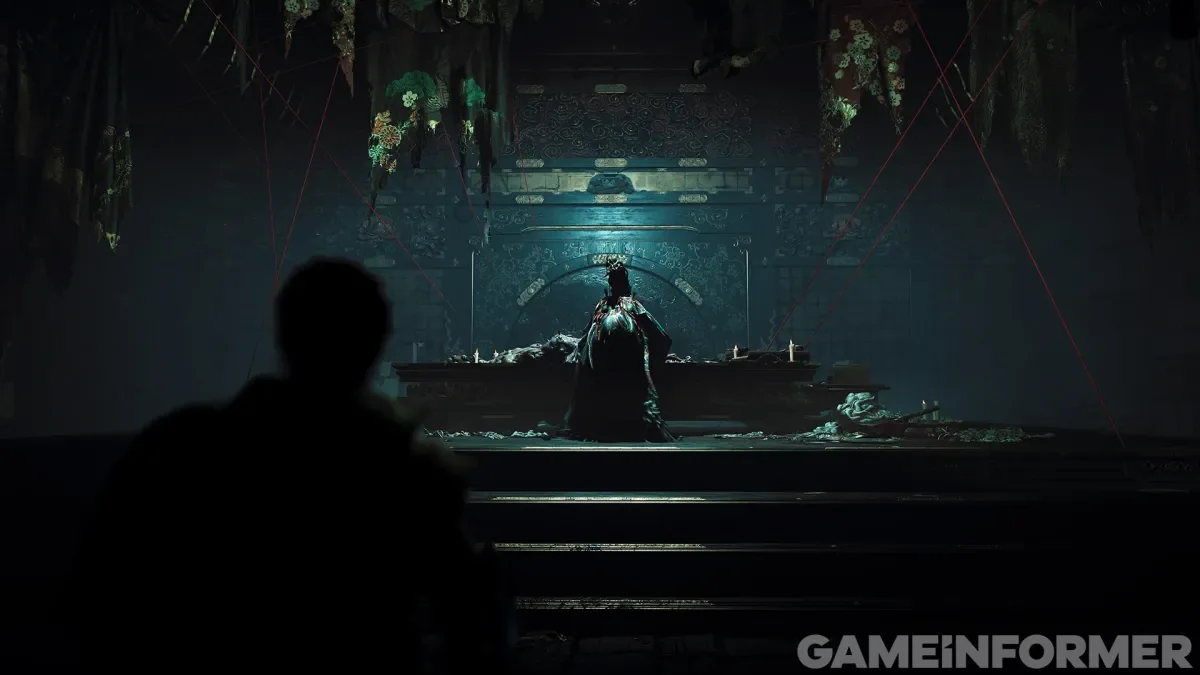
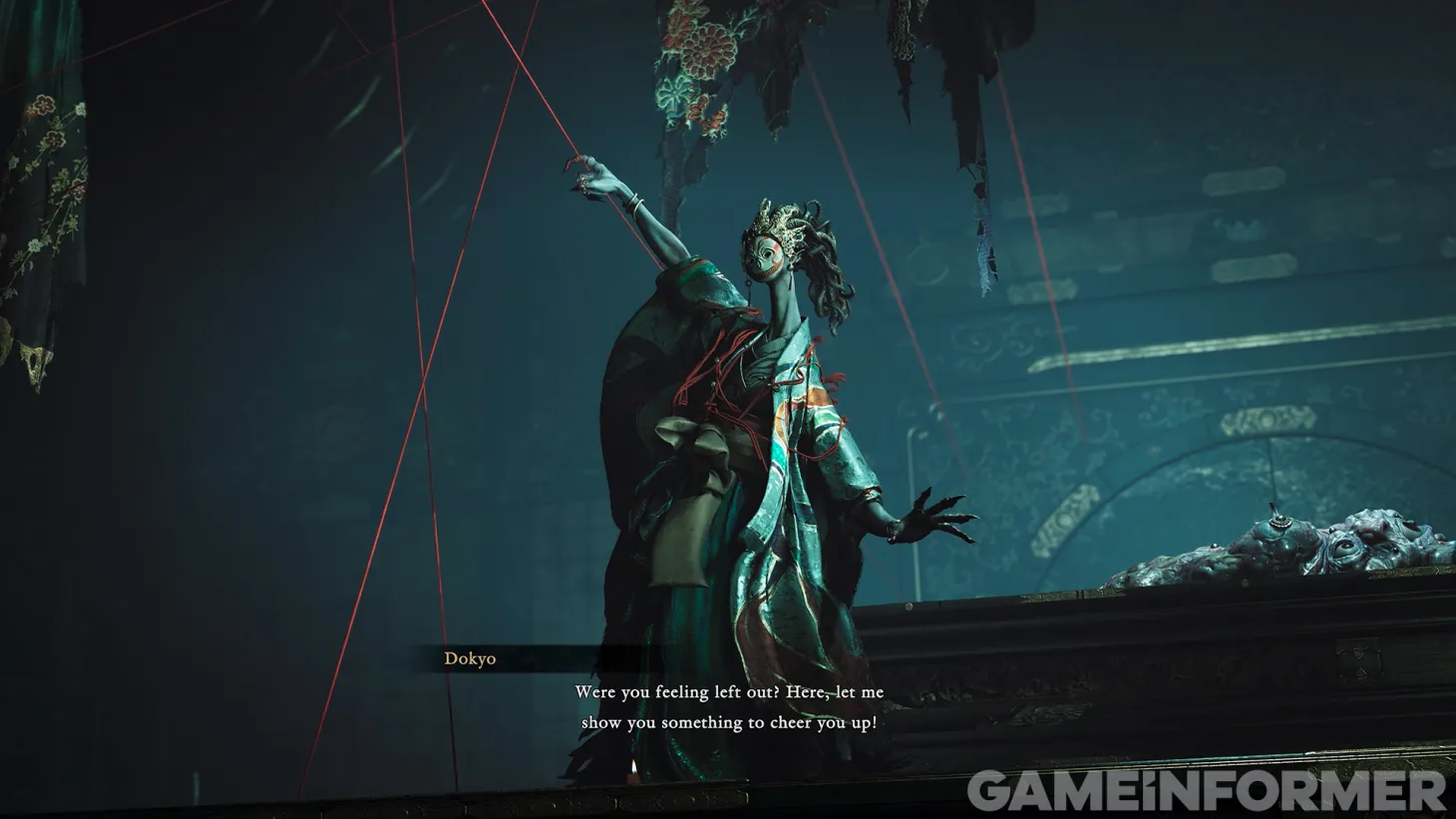
During a deep-dive expedition to Capcom’s headquarters in Osaka, I had the rare opportunity to spend extensive hours testing unreleased sections of Onimusha: Way of the Sword, while picking the brains of the visionary developers steering the franchise’s resurrection. The centerpiece of this exclusive preview session was an atmospheric plunge into an ominous, clandestine underground research facility governed by Dokyo—one of the most compelling and grotesque Genma antagonists introduced to date.
A Descent into Traditional Japanese Horror
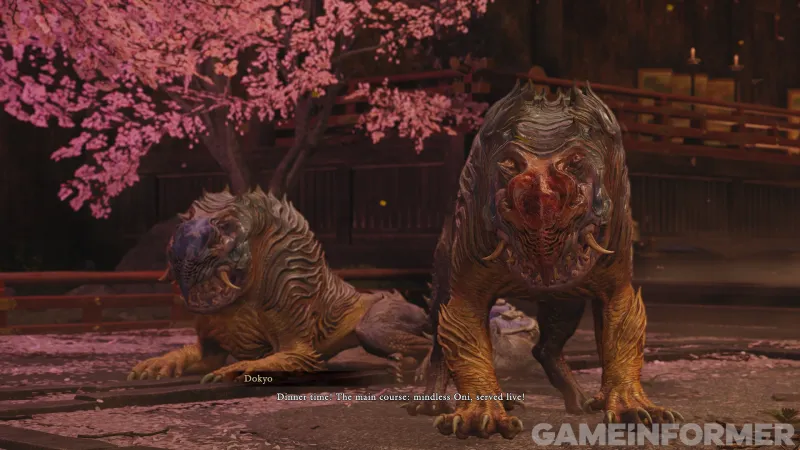
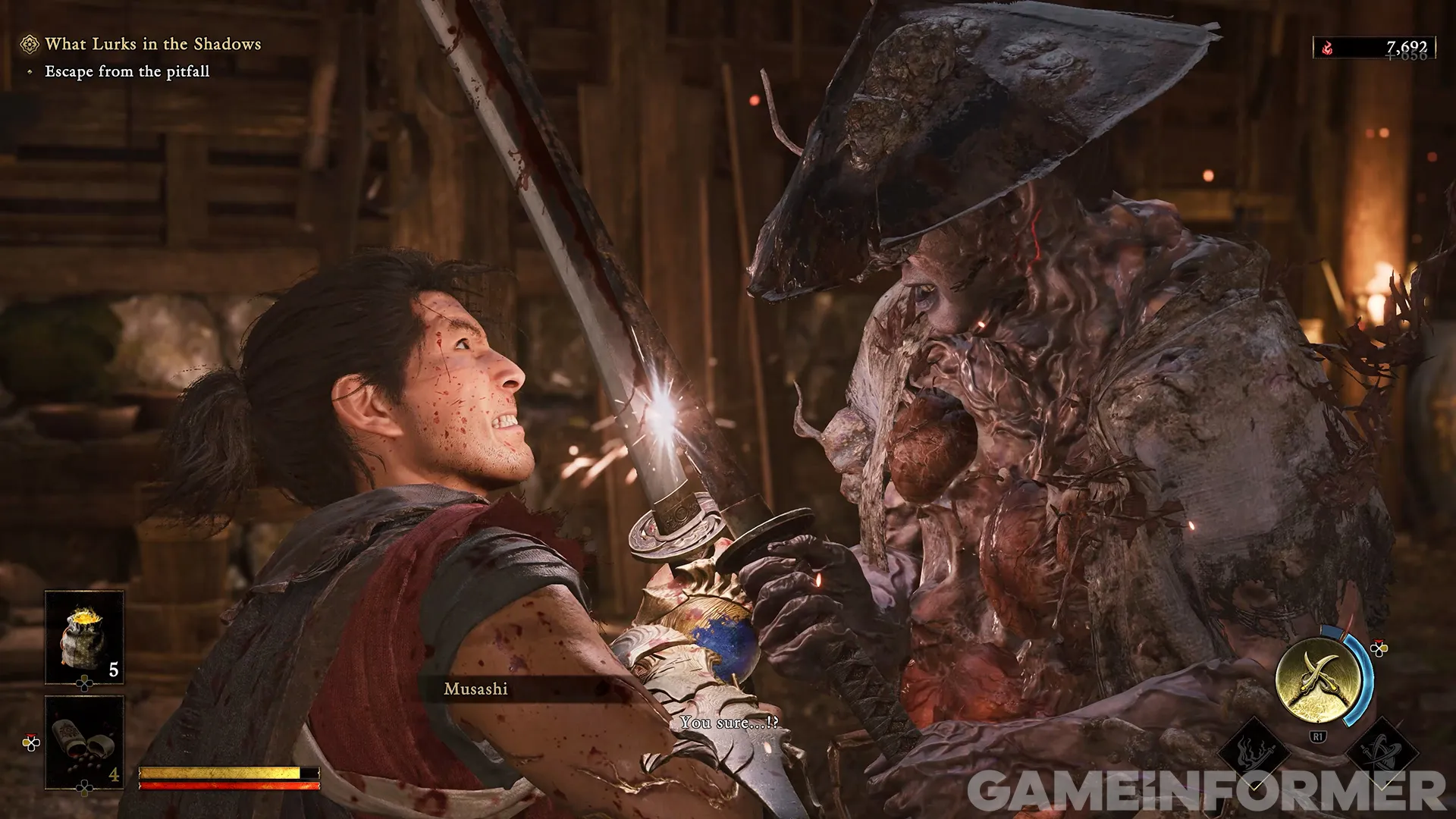
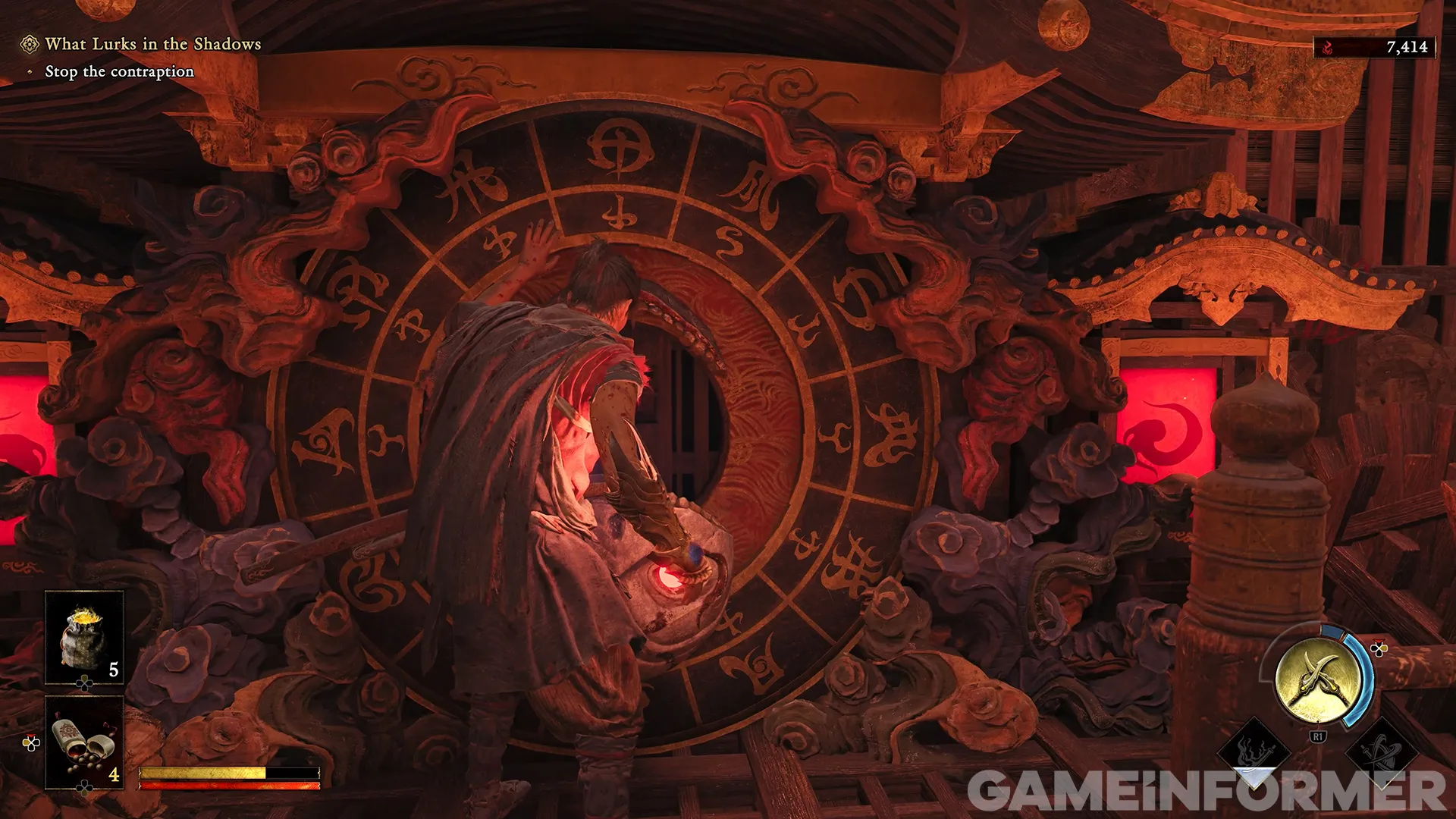
Game Director Satoru Nihei conceptualized this subterranean chapter as one of the darkest setpieces in Way of the Sword, drawing heavy inspiration from classical Japanese haunted houses (obake yashiki). The aesthetic influences are immediately striking: flickering silhouettes behind blood-splattered shoji screens betray hideous biological mutations and failed experiments. Dim orange torchlight glimmers off damp, sanguinary surfaces, while exquisite silk kimonos hang eerily from overhead timber beams—silent relics belonging to Dokyo’s ill-fated subjects.
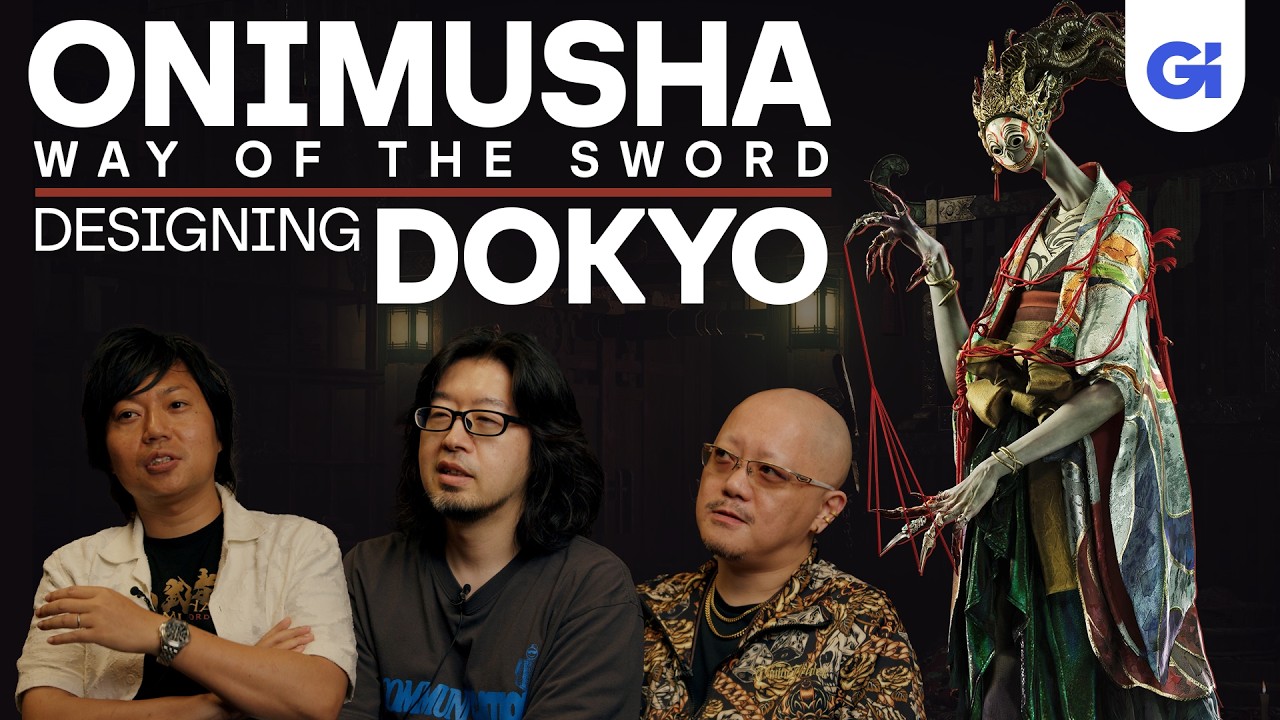
Hidden beneath the imperial majesty of Kyoto, Dokyo operates in secret, conducting profane transmutations on humans and beasts to forge higher-tier Genma horrors. Distinct from the mindless demonic fodder roaming the halls, she exudes an unsettling theatricality and sharp-tongued malice. Her perverse determination and magnetic vocal presence echo unceasingly through the stone corridors, establishing her as an indelible highlight of the campaign.
Elevating Blade Craft: Methodical, Expressive Swordplay
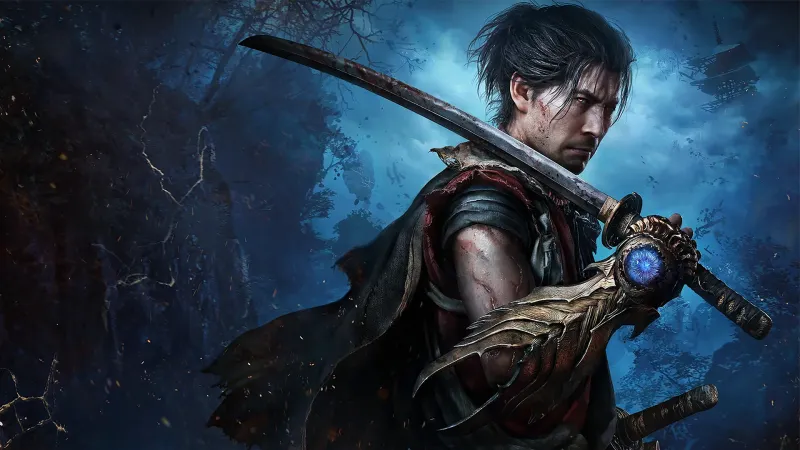
Modern blockbuster action titles frequently dilute tension with homogenized combat routines and hand-holding tutorials. Way of the Sword pivots boldly in the opposite direction. Moving through Dokyo’s labyrinth, the restrictive training wheels fall away, leaving protagonist Miyamoto Musashi feeling every bit the legendary kensei he was in folklore.
Central to this mastery is the return of the iconic Issen counter. Requiring frame-perfect reflexes right before an enemy strike connects, it delivers instantaneous, cinematic devastation. Beyond this foundational pillar lies an intricate ecosystem of tactical options:
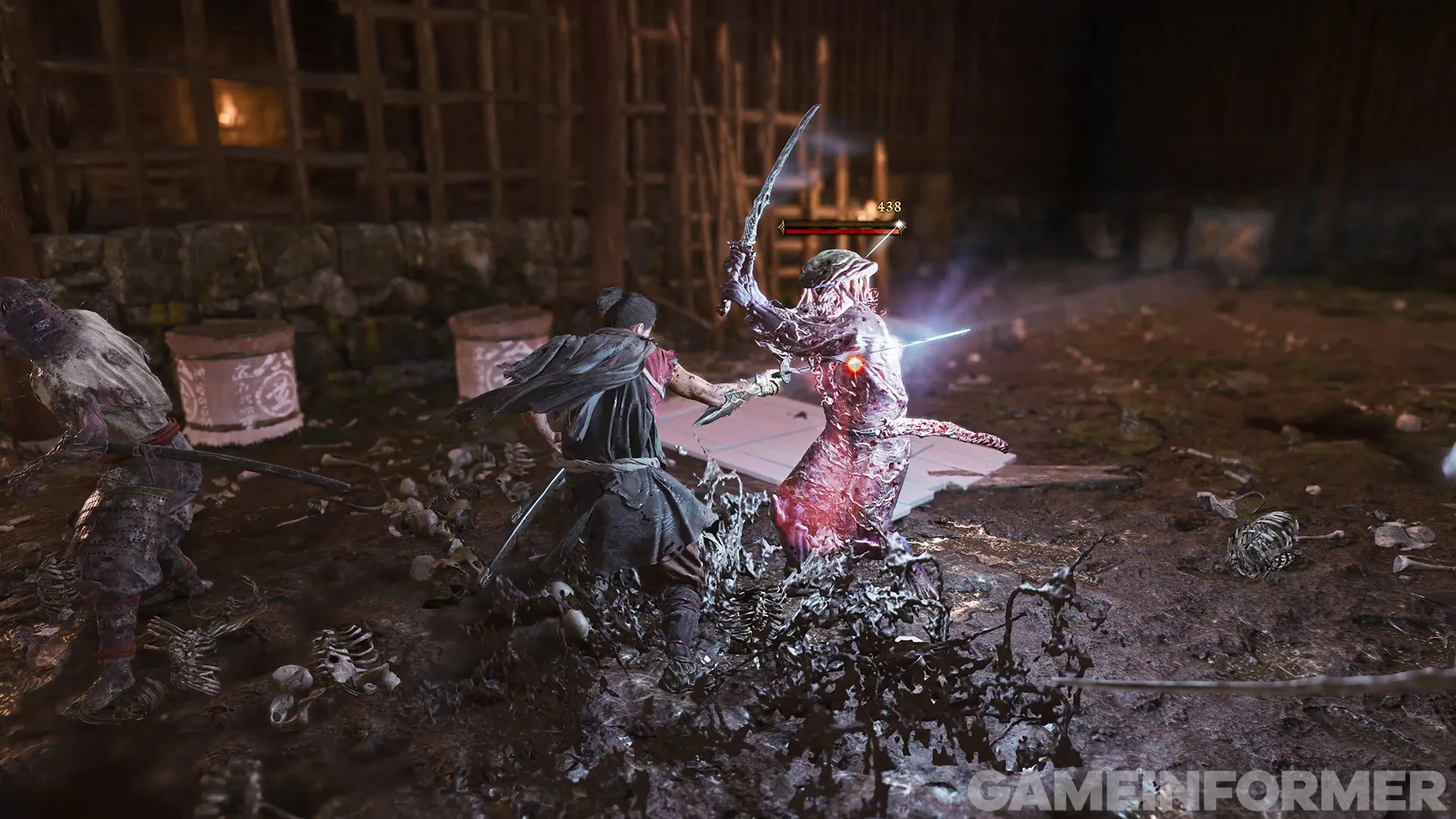
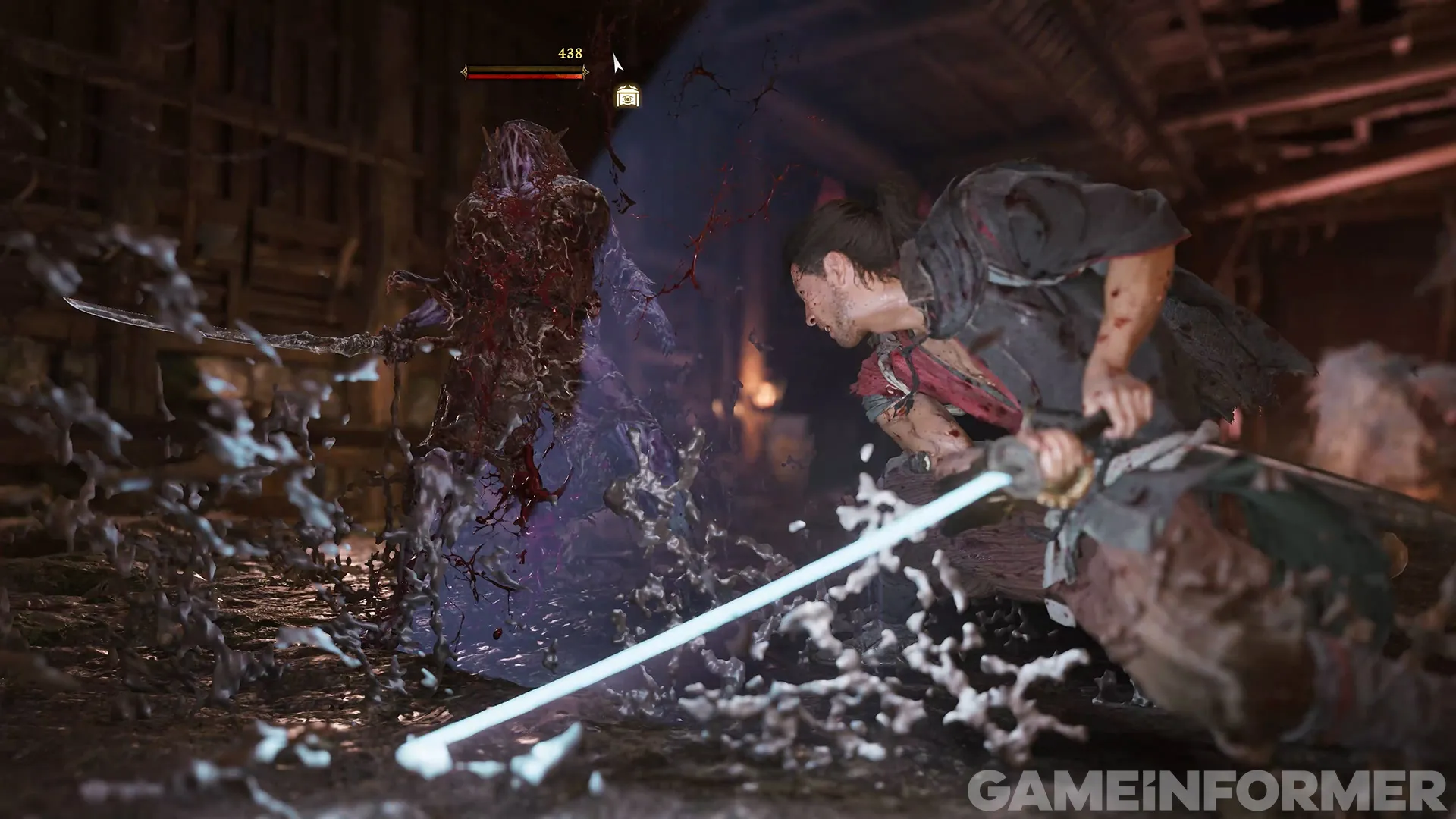
- Precision Parrying: Deflecting incoming strikes charges the Blazing Gauge, igniting Musashi’s katana with cerulean flames for escalated offensive power. Dynamic audiovisual feedback—shifting spark trajectories and metallic pitch—instantly communicates whether your timing was early, late, or optimal.
- Reflex Dodging: Slipping past aggressive blows fuels the Reflex Gauge, positioning Musashi directly in the flank or rear of adversaries for punishing retaliations.
- Break & Chain Issen: Depleting target equilibrium through relentless deflections opens vulnerability windows for Break Issen finishers. Larger encounters permit localized targeting—such as aiming for a boss’s cranium for sheer burst damage or severing appendages for vitality-restoring yellow souls. Multi-enemy engagements can be seamlessly terminated via sweeping Chain Issen sequences.
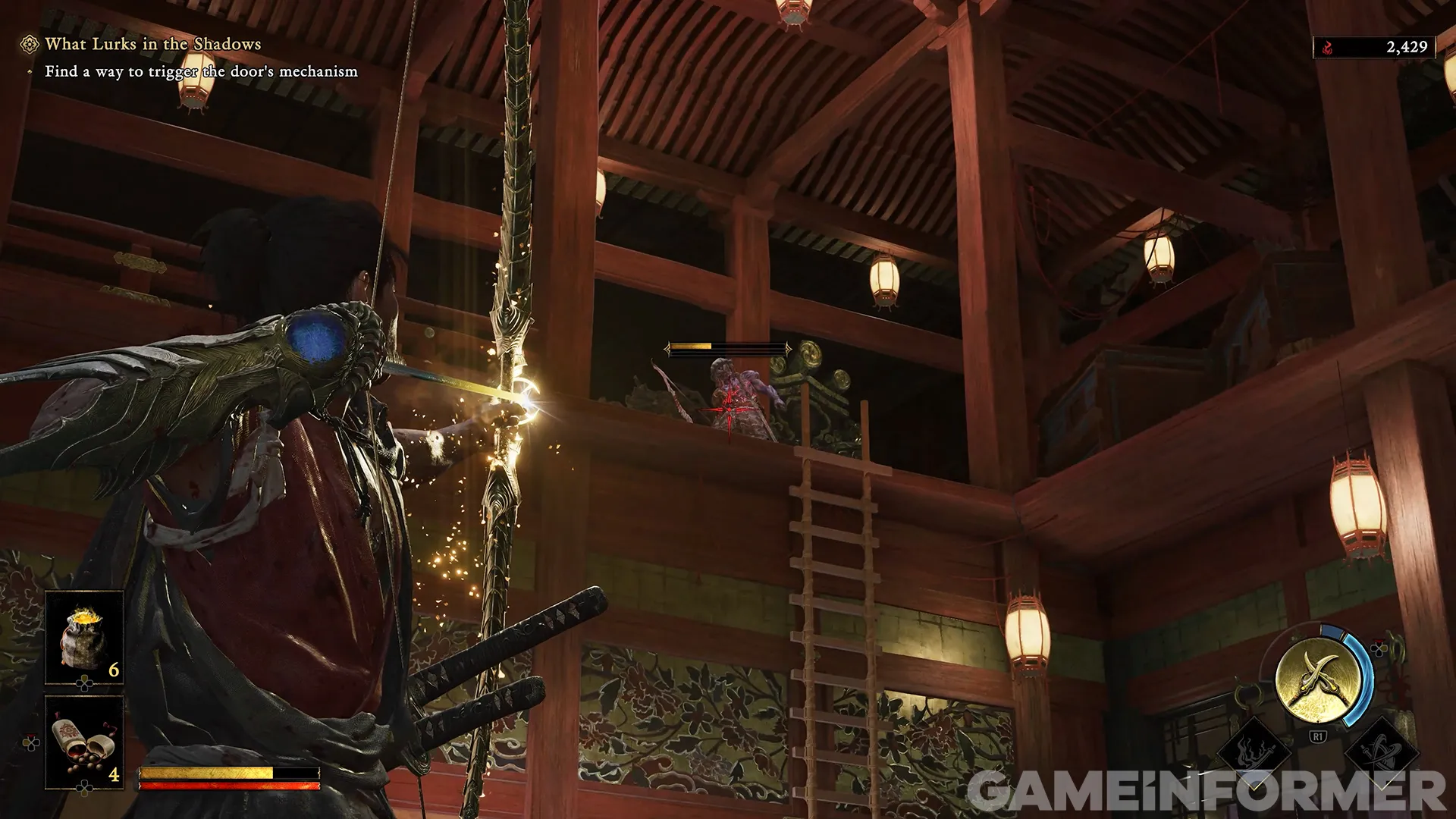
- Blade Barrages & Oni Armaments: Symmetrical weapon clashes ignite intense Blade Barrages, demanding quick adaptation with alternating attack chains. Sub-weapons provide crucial versatility: swift blades like the Two Celestials inflict direct health damage, whereas heavy tools like the Earth-Shaker hammers decisively crush adversary poise bars.
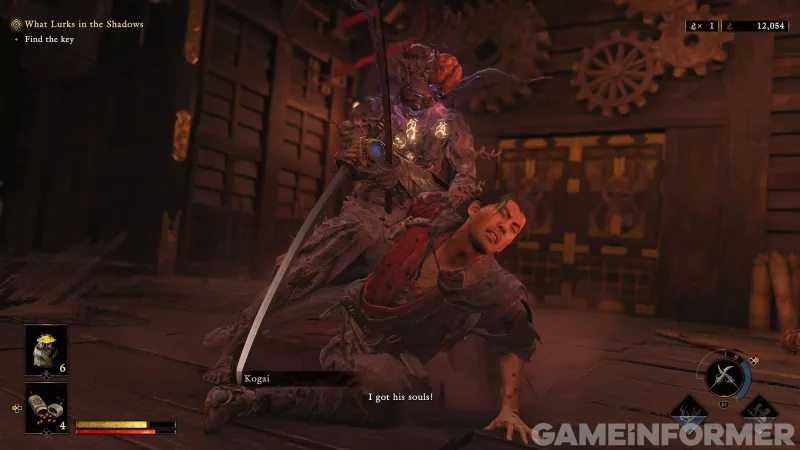
Engineering Visceral Reality: The Dynamic Dismemberment System
“In classic samurai cinema, death scenes are prolonged, dramatic, and deliberate. Harmonizing that theatrical cadence with real-time anatomical division on a technical tier within the RE Engine required pioneering collaboration with our engineering team.”
— Hiroshi Yugen, Lead Animator
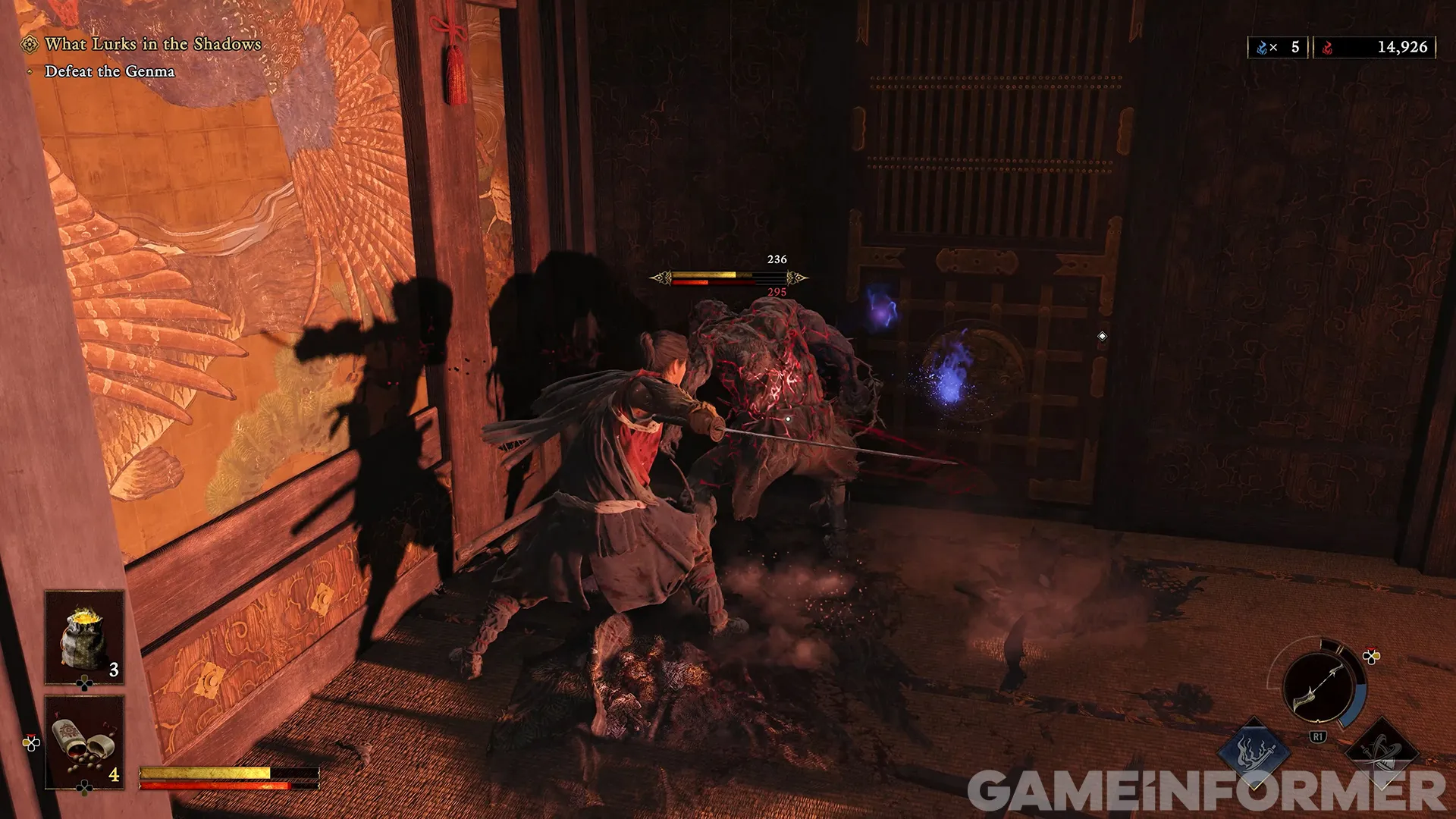
According to animation lead Hiroshi Yugen, the creative objective was to transform what was once exclusively pre-rendered spectacle into pure, interactive gameplay. This ambition spearheaded the development of the Dynamic Dismemberment System. When Musashi executes a definitive strike or Break Issen, demonic anatomies cleave along accurate trajectory lines, dramatically sliding across traditional floorboards with authentic weight.
Authenticity is further reinforced through extensive motion-capture sessions overseen by authentic swordmasters and martial choreographers. The result balances historical sword techniques with exaggerated demonic kinetics, from the multi-limbed assaults of Rasho-gan to Dokyo’s grotesque, undulating biomechanics.
Trial by Steel: Testing Resolve Against Byakue and the Twin Nue
The technical elegance of the combat engine crystallizes during the subterranean complex’s climatic boss showdowns. The first obstacle arrives as Byakue (The Hundred Defilements), an entity that continuously increases in ferocity and speed as its health deteriorates. Impatient button-mashing proves fatal; survival demands patient spacing, baiting erratic wide-arc swings, and capitalizing on minute deflection windows.
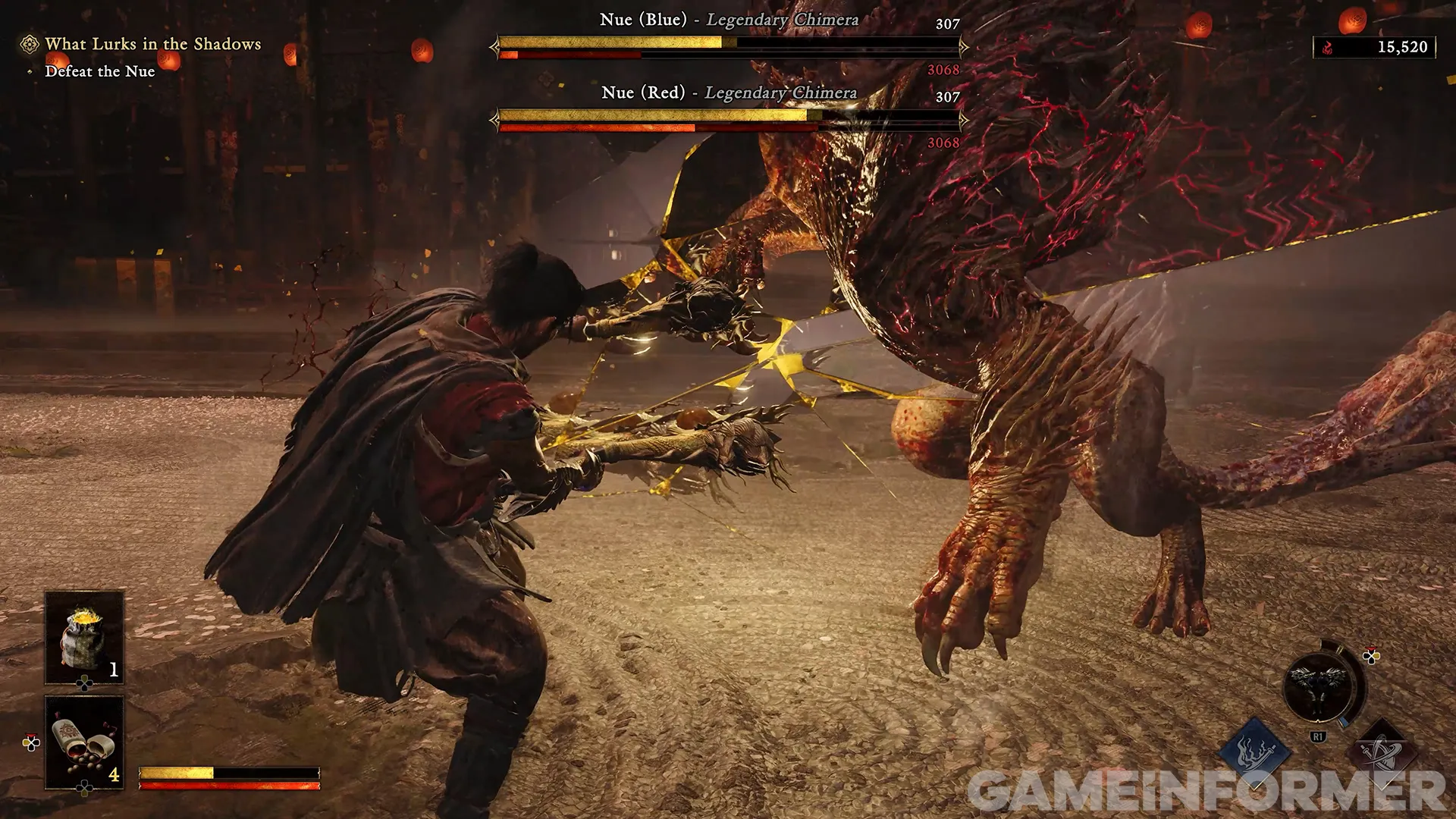
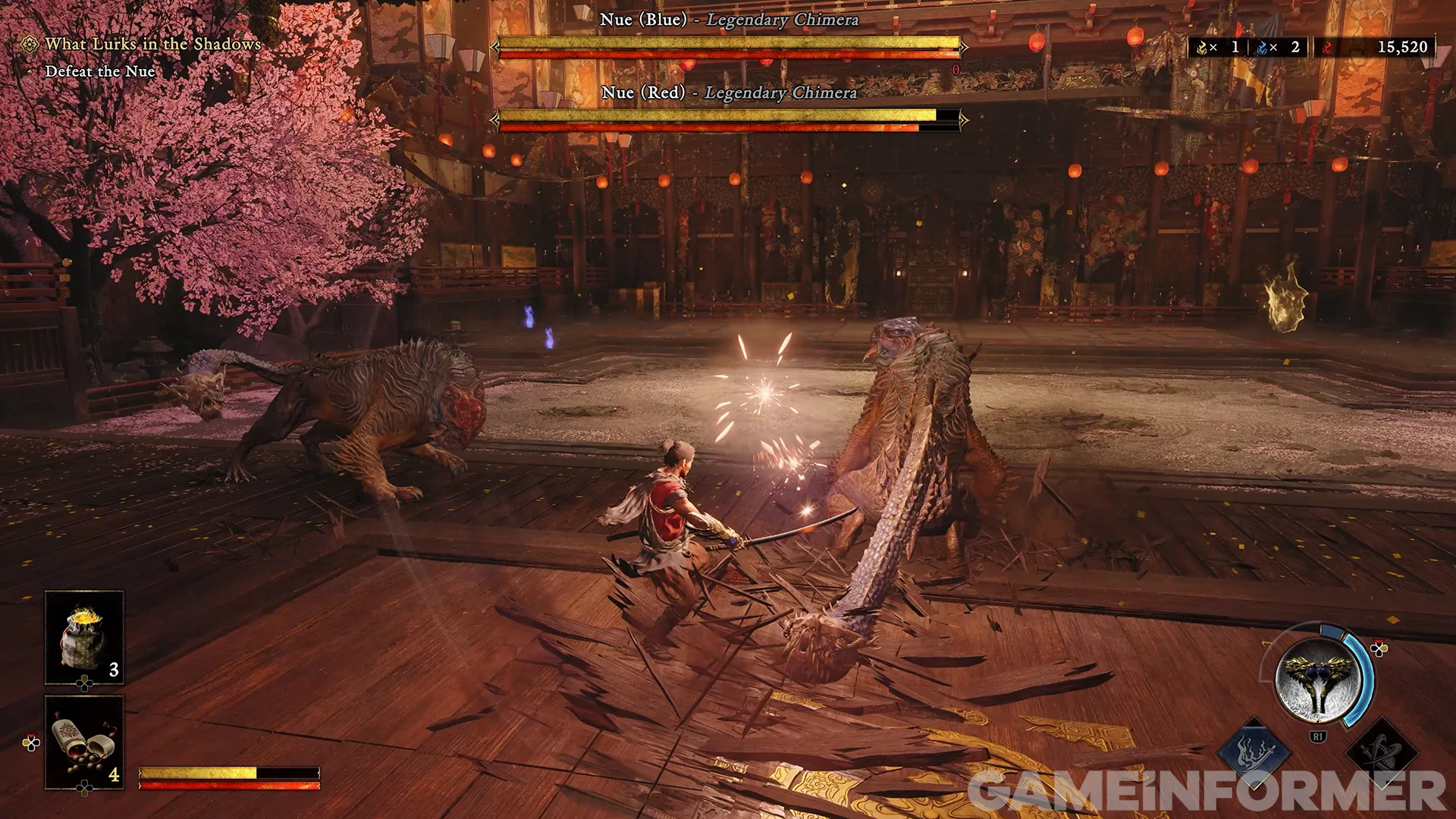
Victory over Byakue awards the Earth-Shaker blunt armaments, which prove paramount against the concluding encounter: the dual Nue. These chimera-like monstrosities—one crimson, one azure—harass the arena with crackling electrical sweeps and erratic charges. Overcoming this lethal duo mandates strict defense, chaining precise dodges, timed parries, and poise-shattering strikes until an opening allows for an execution.
Further Reading on Onimusha: Way of the Sword
- Balancing Darkness: How Horror Infiltrates Way of the Sword’s Action
- Unveiling Shizuka: The Entity Enclosed in Musashi’s Oni Gauntlet
- Structured Brilliance: Why This Is Neither an Open-World nor a Soulslike Experience
- Pushing the RE Engine: Engineering Dynamic Dismemberment Mechanics
- Immortalizing a Legend: Bringing Toshirō Mifune’s Likeness to Musashi
Will you be stepping onto the path of the blade when Onimusha: Way of the Sword arrives next month? Share your thoughts below!
 Journalist Introduces Disc-Guy as Sony Looks for New Mascot Following PlayStation Disc Controversy
 Marvel Compiles List of Essential Movies and Shows Ahead of Avengers: Doomsday
 Nearly 80% of Fans Want Atelier Karia Heroine to Be Able to Gain Weight
 The Odyssey Set to Overtake Deadpool & Wolverine as Highest-Grossing R-Rated Film
 Christopher Nolan’s Oppenheimer Sets Streaming Home on Peacock
 No Man’s Sky Director Names Game’s True Success Beyond Record Player Count
 Sydney Sweeney Calls Live-Action Gundam Movie an Action-Romance Space Epic
 Star Wars: Zero Company Releases Final Pre-Launch Trailer