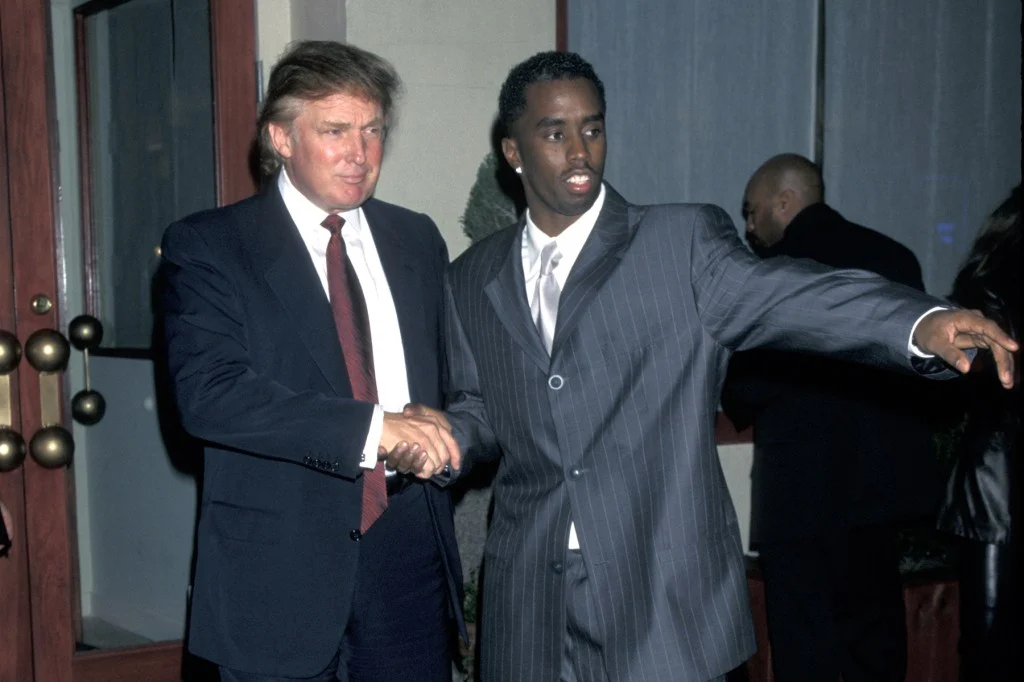
Donald Trump Confirms Sean “Diddy” Combs Asked for a Pardon

On Monday, Oct. 6, President Donald Trump confirmed that Sean “Diddy” Combs requested a presidential pardon. Speaking to reporters in the Oval Office, Trump said Combs’ representatives reached out about clemency, but the president indicated he had not yet decided whether to grant it.
Combs was sentenced last Friday to four years in prison after being convicted on two felony counts tied to transportation for the purpose of prostitution. When asked about the pardon request, Trump noted he receives many such appeals and quipped that he calls Combs “Puff Daddy,” adding plainly, “He has asked me for a pardon.”
Trump did not elaborate on the specifics of the outreach or explain how he would evaluate it. In August, however, he told a Newsmax reporter that he considered Combs “essentially, I guess, sort of half-innocent,” a comment that appeared to reflect Trump’s view of the mixed verdict in Combs’ case—convictions on some counts and acquittals on more serious charges.
The president has previously described his relationship with Combs as once warm but strained after Trump entered politics, saying the dynamic soured and Combs became “very hostile.” In May, speaking with Fox News, Trump said he would “look at the facts” before making any clemency decision.
One of Combs’ attorneys told CNN in August that the team had made contact about a possible pardon, though they did not disclose further details. Meanwhile, the Associated Press reports that Combs’ lawyers have asked the court to designate the low-security FCI Fort Dix in New Jersey as his designated facility so he can participate in a residential drug treatment program; attorney Teny Geragos argued the program would support rehabilitation and family visitation.
(Associated Press)
Testimony at Combs’ trial surfaced allegations about explicit, drug-fueled gatherings described in court documents, and he has been incarcerated in a federal facility in Brooklyn since September 2024. Because his convictions are federal, they are eligible for presidential clemency in the form of a pardon or commutation.
Trump’s clemency record includes pardons and commutations for a number of public figures and allies, as well as many participants in the Jan. 6 Capitol attacks. Notable examples cited previously include Todd and Julie Chrisley, former White House adviser Steve Bannon and former Illinois governor Rod Blagojevich. The president has also issued clemency measures affecting several hip‑hop artists, such as NBA YoungBoy, Michael “Harry‑O” Harris (a Death Row Records co-founder), Lil Wayne and Kodak Black.

Related articles
 Randy Rainbow Parodies Oklahoma! and Slams President Trump’s Appearance
 Britney Spears’ Son Jayden James Discusses Expressing Himself Through Music
 Macklemore Announces Free Palestine Tour
 Lady A and Boyz II Men release collaboration ‘I Love The One’ for music project inspired by ‘The Chosen’ series
 Ex-AFA CEO Olly Arkins Appointed Deputy Lord Mayor of Sydney
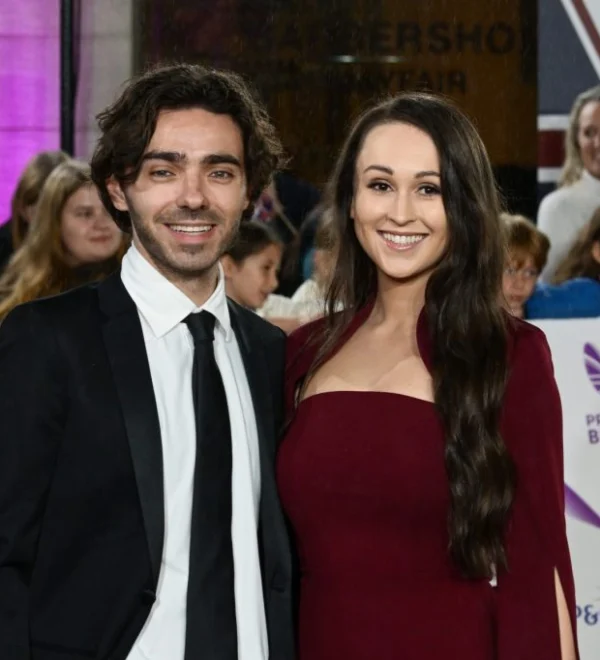 The Wanted singer Nathan Sykes announces he is going to be a father
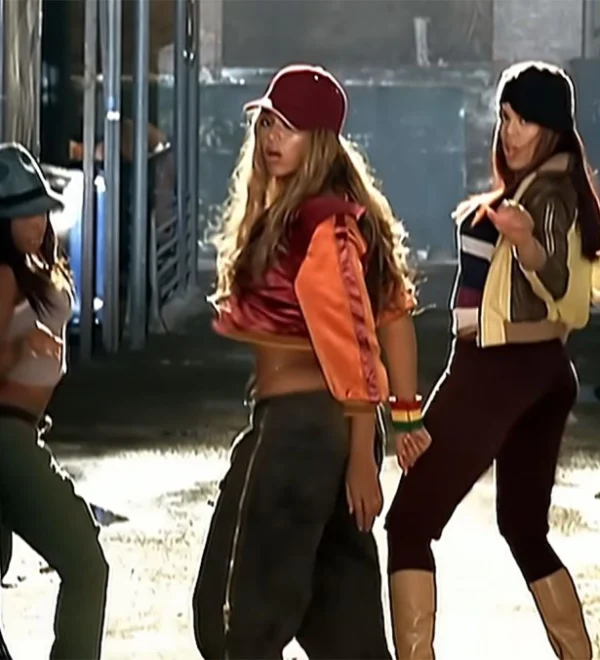 Beyoncé and Jay-Z’s ‘Crazy in Love’ Enters YouTube’s Billion Views Club
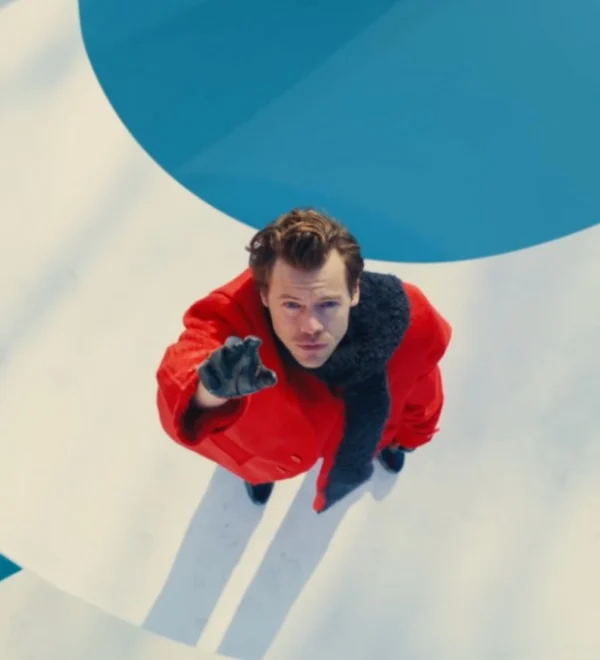 Harry Styles Enters YouTube Billion Views Club With ‘As It Was’ Video