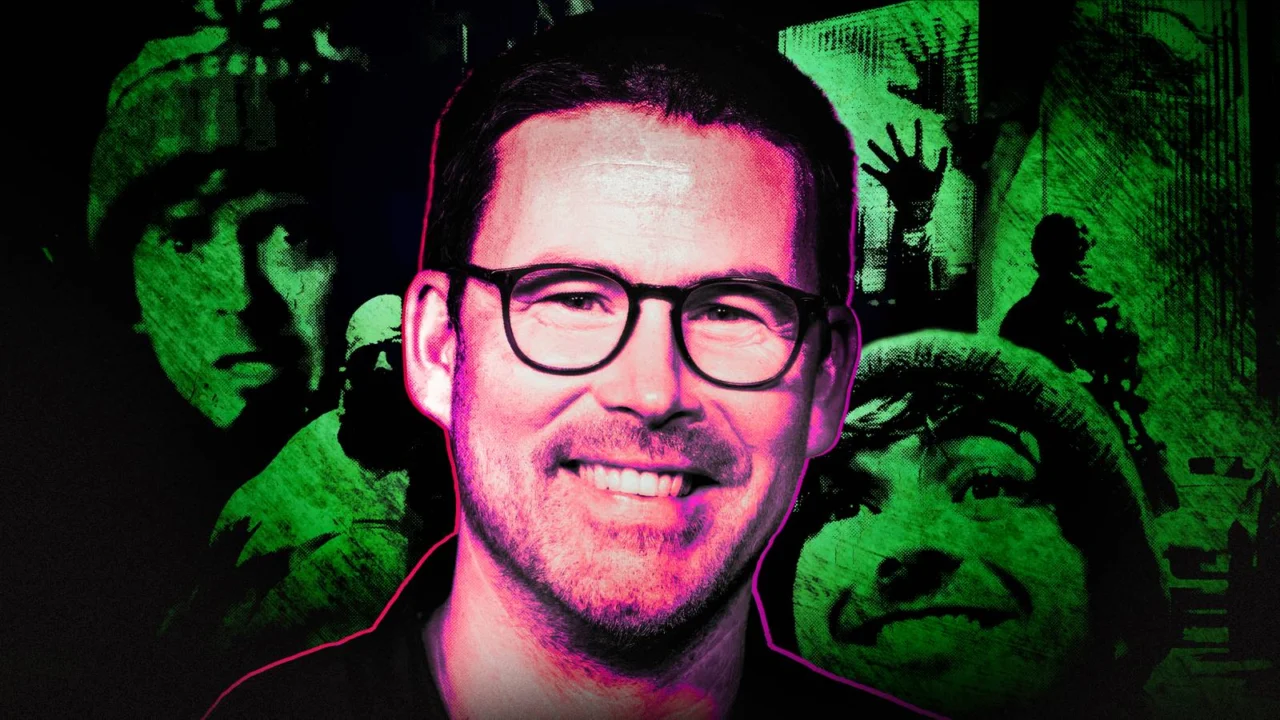
Director Zach Cregger Discusses Fidelity to the Resident Evil Games
Zach Cregger knows Resident Evil. The plots, yes, but also the panic. The dread of loading your last two bullets as you creep around a corner. The flailing terror of being ambushed and forgetting how to aim. Smashing buttons and running like hell to get a grip on what to do next.
So when the Barbarian and Weapons director started seriously thinking about how to make a Resident Evil movie, he never for a second considered building a story around Claire Redfield or Ada Wong or Albert Wesker intrigue. Instead, he wanted to drop you, the player, in the game.
“I’d rather watch a movie starring a schlub who’s, like, out of shape and has never fired a gun before!” Cregger tells Polygon. “I wanna see that guy get chased through this gauntlet.”
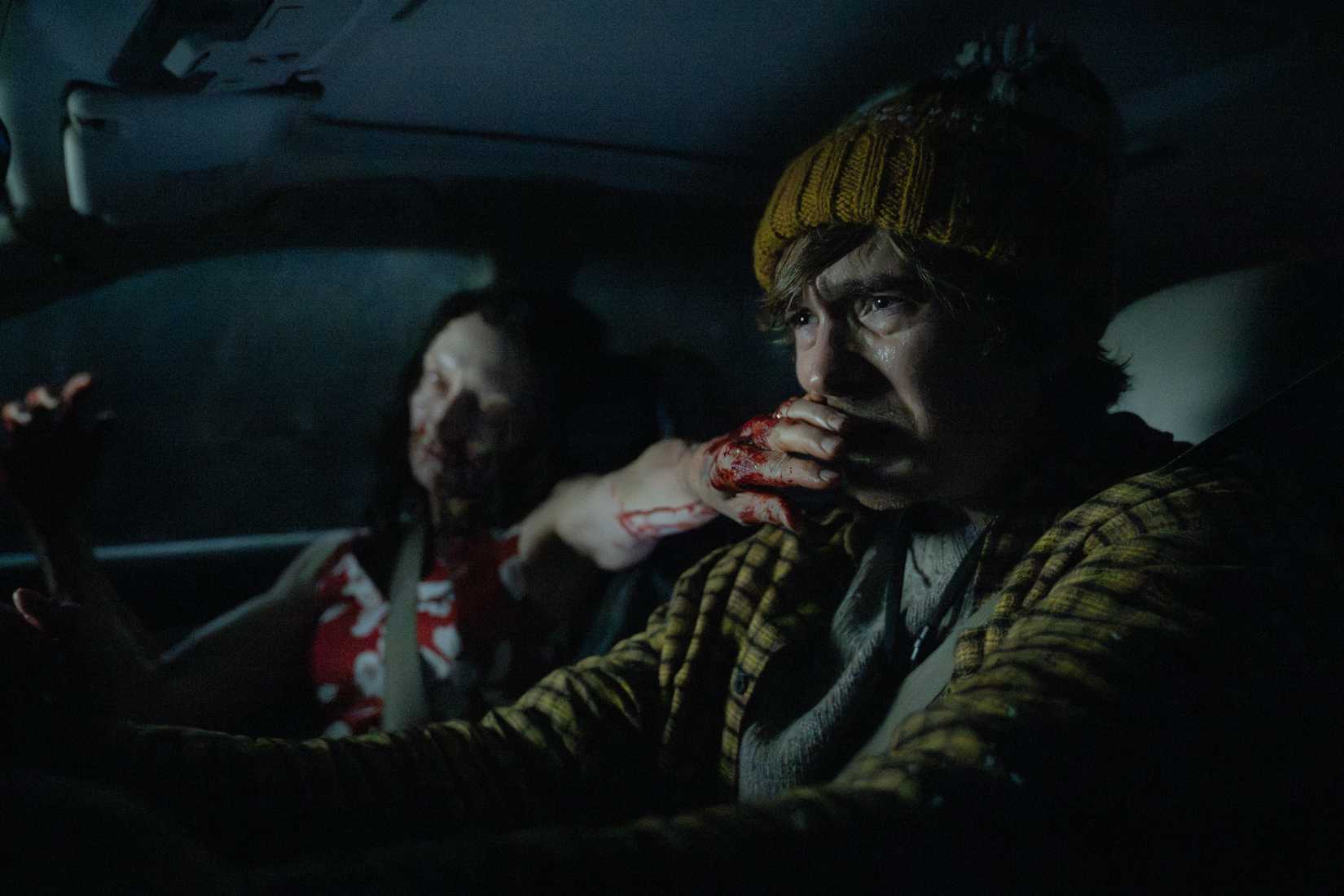
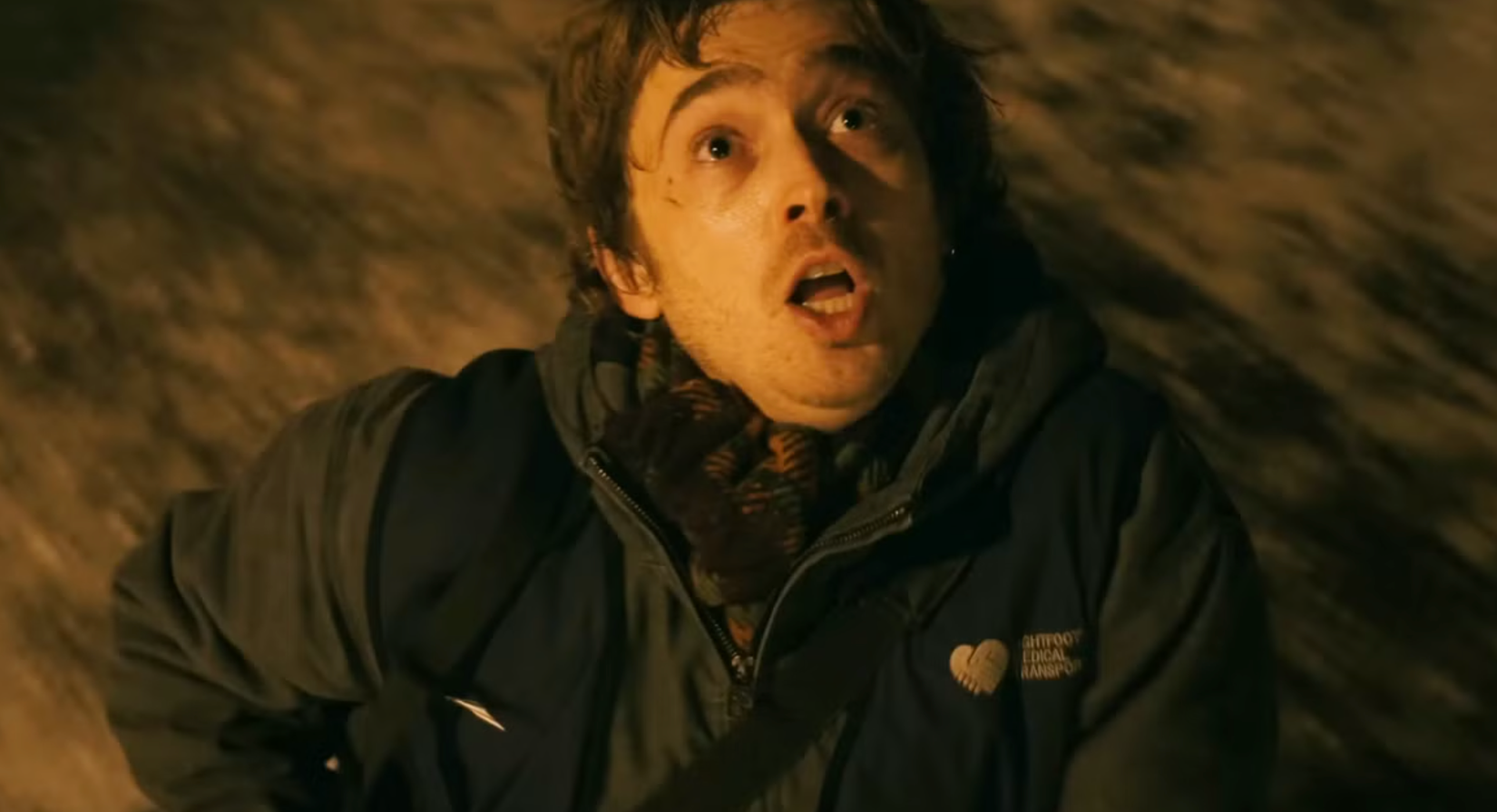
September’s Resident Evil stars Austin Abrams from Weapons as Bryan, a medical courier sent to Raccoon City to deliver an organ transplant. Terrible timing. Happening off to the side of Bryan’s hellish drive through whiteout conditions are the events of Resident Evil 2.
Unfortunately for Bryan, he is nothing like Leon Kennedy. When things go catastrophically wrong, he squeals, stumbles, and struggles to click the safety off a pistol. I felt seen in a moment in which, to flee a snarling zombie lady, Bryan runs in circles around a turned-over cop car until he figures out how to attack back. Who among us would not yelp in that scenario, even behind the safety of a controller?
From the Weapons press tour last fall to July’s San Diego Comic-Con, Cregger has spent a lot of time lately defending his relationship to the franchise. He has been asked repeatedly about his gamer cred and whether his Resident Evil is really a Resident Evil movie or simply a Zach Cregger movie wearing the series skin. The answer, he says, has always been straightforward. He chose to make Resident Evil because he wanted to make Resident Evil.
While wrapping Barbarian, producer Roy Lee asked him whether there was a video game franchise he would ever want to tackle. Cregger had one answer. The only one he would want to do would be Resident Evil. Lee told him to get started.
Watch the full conversation
It was the fastest writing Cregger has ever done in his life. Part of the approach came from an assumption that he would never actually direct it. He says he did not have the leverage at the time to assume a studio would let him make an expensive Resident Evil movie on his terms. So he wrote without restraint. He did not have to worry, and he just wanted to have a blast writing his favorite Resident Evil movie.
In early scenes, his version of Resident Evil successfully builds around the rhythm of playing the games. You experience entering into shadowy stillness, the realization that you are under attack, the gradual escalation of weapons, and the scarcity of resources. Nothing spells doom like an encounter with a zombie dog.
“I wanted that slow pacing the games have perfected, where it’s like, you’ve gotta go into this environment that you know is gonna attack you, and you can’t go backward,” he says. “I know it’s snowing and it’s 2026 and all those things… but it just felt like spiritually right. This is a peripheral activity that’s happening alongside everything else that’s going on with Raccoon City.”
By the 15-minute mark, when the title card finally pops up, Cregger has made something authentic to his established style and a total swerve from the knotted, more stoic horror of Weapons. It is visceral, propulsive, slapsticky, genuinely scary, and relentlessly pointed in one direction. Early claims pegged it as a frantic action ride for horror, but it might belong more on the one-crazy-night shelf alongside After Hours and Uncut Gems, even though many heads explode. I found myself cackling at gruesome turns like I would in Evil Dead 2, which was both intentional for Cregger, a former member of the comedy group Whitest Kids U’Know, and perhaps the toughest challenge of doing right by Resident Evil.
“I have a natural inclination to lean into comedy, but the more I make stuff as a filmmaker, the more I really resist that impulse,” he says. “I found myself cutting most of the jokes out of Resident Evil. I think what we find funny in this is just the absurdity of these situations.”
It helps, in his mind, that the series is full of camp that gives him permission to go wild.
What Resident Evil shares with Weapons is Cregger’s dazzling eye for terror. Legendary cinematographer Dariusz Wolski, whose career stretches from The Crow to Ridley Scott’s biggest epics, may not have been a lifelong Resident Evil player. Cregger says he is sure Wolski has never played one. Cregger did not need him to recreate the games literally, however. He needed him to understand what makes their environments feel dangerous.
The movie is stylish without becoming glossy. Wolski lets practical sources do much of the work, and early on through silhouette forests and delicate snowbeds splattered with blood, Resident Evil reaches surreal levels of painterliness. Cregger loves Wolski’s natural inclination to not really do anything and just let the dark be the dark.
Short lenses and strict camera angles allowed the director to channel more of the video game language. The movie lives largely in a third-person perspective, following Bryan while remaining tethered to his attention. When Bryan looks somewhere, the camera follows his gaze. A punctuating gunshot can snap the frame into first-person, but Cregger always returns to Bryan’s gasping reaction.
“The mission of the movie is that the camera should always be tethered to his attention,” Cregger says. “It’s a very hyper-subjective movie.”
The blend of film craft and Resident Evil’s visual legacy gets at the larger reason Cregger wanted to dabble in an adaptation in the first place. There is no replacing the games, but he is interested in what happens when you take away the player’s responsibility for surviving.
“There’s something about curating the pacing and the performance that you can get from a well-made movie that you don’t generally get from a game,” he says. “Sometimes if I’m playing a video game for a long time and then I pause and I put on a movie… It’s like sliding into a bath. I’m like, ‘OK, somebody else is taking the wheel and taking over.’ There is something [thrilling] about having somebody really manage the second-to-second experience.”
Cregger indulged every fantasy he ever had about Resident Evil and considered the movie a one-and-done in the universe. Though now that it has wrapped, he admits his brain has started doing what it apparently always does: imagining what could come next.
“I can’t help myself,” he says with a laugh. “This is just the way my brain works. I’ve already got other ideas of what could happen. But my next movie is already kind of in place here, and it’s not a Resident Evil movie — I’m gonna go make something else. But on the other side of that, who knows? Who can say? Anything could happen.”


 Ex-Sony Boss Criticizes Live-Service Games, Says Success Relies on Luck
 New Footage of The Legend of Zelda: Ocarina of Time Remake Surfaces Online
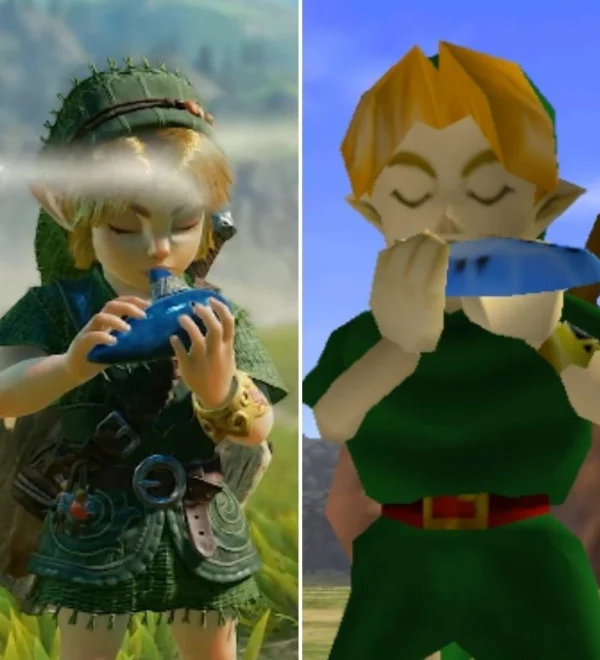 Nintendo Releases The Legend of Zelda: Ocarina of Time Remake Compared to N64 Version
 GTA VI Report Suggests Jason and Lucia Can End Their Relationship
 Hulu Orders Crime Thriller Series Furious
 MagicX May Release Pocket Dream Handheld, a Vertical Version of Mini Dream
 Massive Steam Leak Reveals Persona 6, Kingdom Hearts IV, and Dozens of Other Games
 Liam Neeson Action Thriller Mongoose Features New Twist on Formula