
Director Na Hong-jin Discusses Transition from Slow-Burn Horror to Monster Movie Hope
After nearly a decade, Na Hong-jin returns to the director’s chair with a new movie that challenges the concept of a traditional action flick. The Wailing, Na’s last film before his hiatus, pulled viewers into a spiraling Korean horror mystery with one of the wildest twists in the genre. Na built his career on tight action thrillers like The Chaser and The Yellow Sea, but his latest film abandons slow-burn mystery storytelling for a pure sci-fi thrill ride.
For the movie’s U.S. release, Polygon talked with Na via Zoom about Hope, its breakneck pacing, the years-long creature design process, and his emphasis on achieving speed above all else.
When we were shooting, that was the main thing we were focused on. We really wanted to continue this pace, this sense of speed, and have it persist throughout the entire runtime of the film. Doing that during production was extremely fun.
Warning: There are minor spoilers for Hope in this article.
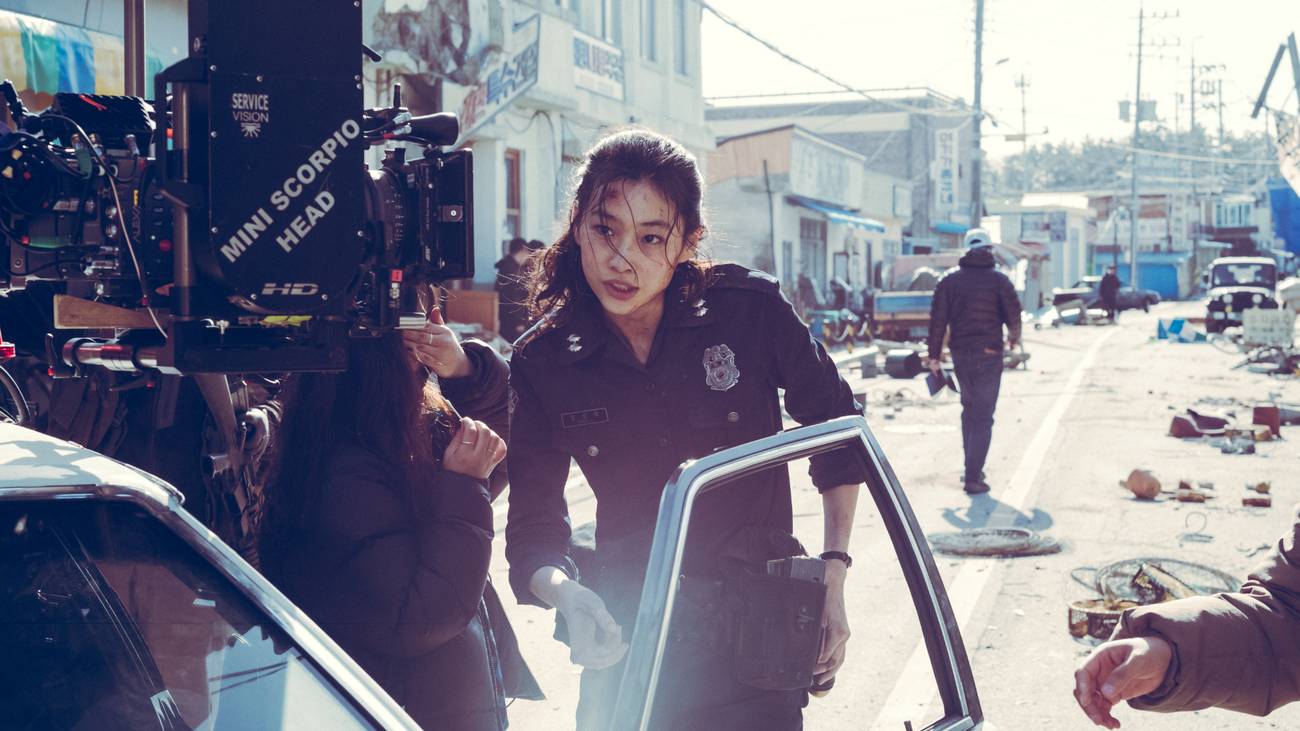
Welcome to Hope Harbor
Hope is a sprawling sci-fi action thriller set in the remote seaside village of Hope Harbor. At the start of the film, police chief Bum-seok (Hwang Jung-min) and rookie officer Sung-ae (Jung Ho-yeon) investigate bizarre maulings from a large, mysterious creature. Locals speculate a tiger crossed into town from the nearby North Korean border. As the situation spirals, Sung-ki (Zo In-sung) heads into the mountains with hunters to track down the beast, only to discover they are the ones being hunted.
The first major stretch of Na’s 156-minute epic is a tense thriller as Bum-seok pursues the creature while witnessing the aftermath of its rampage. By the one-hour mark, an extraterrestrial disaster envelops the entire town.
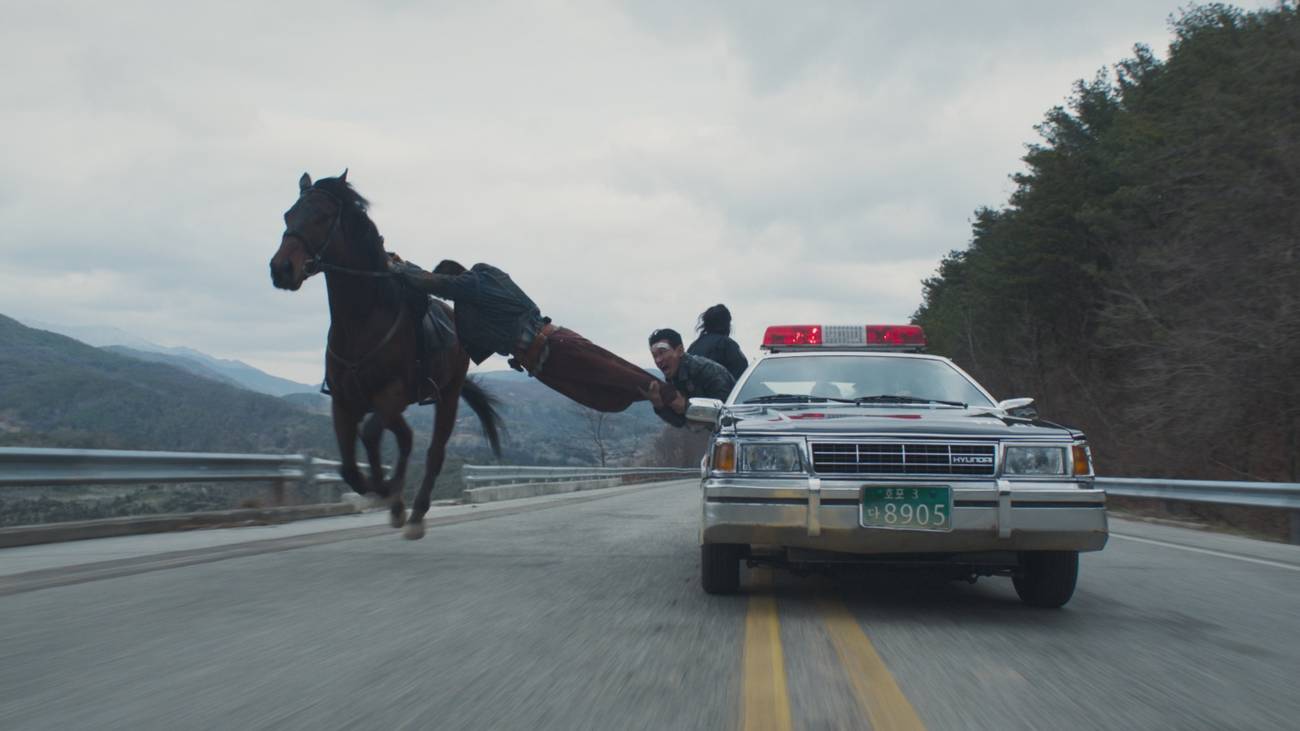
Na keeps the camera moving constantly. Hope features cameras planted on the grilles of speeding cars, characters sprinting through forests with monsters in pursuit, and vehicles barreling through the landscape. Even during quiet moments, a terrifying stillness hangs in the air. It is a monster movie built around momentum.
We really wanted to get a very untraditional look at this kind of monster.
That sense of speed extends to the design of the alien creatures. For Na, Hope offered an opportunity to make a monster movie with creatures that behave differently from those in other blockbusters.
“When you see films like this, a lot of the time, the monster will be very slow. That is an approach we didn’t really want to take,” Na says. “Usually the monster comes out, and it goes boom, boom, and that’s sort of written in the narrative of these films. Whether it was games or animation, we really wanted to get a very untraditional look at this kind of monster, and that’s why speed was an incredible focus for us.”
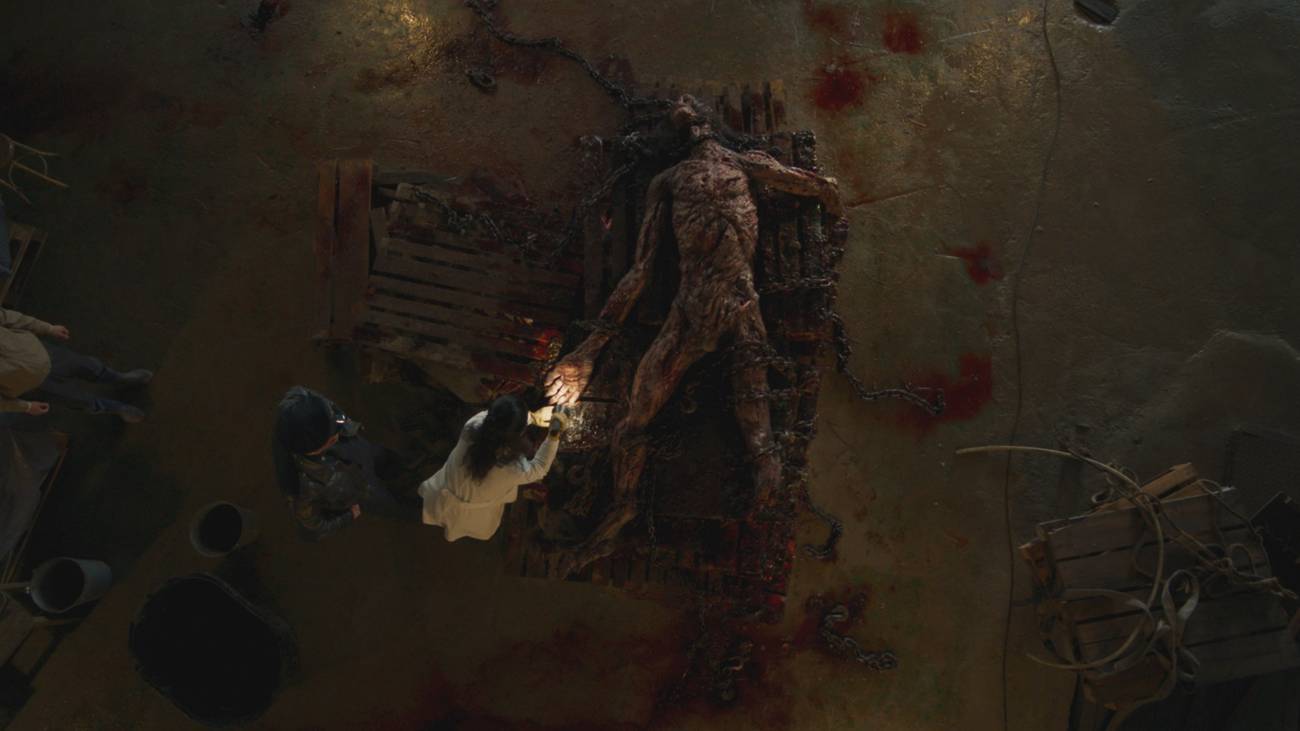
Designing the Perfect Monster
Na and his team spent several years figuring out the creature design. Realism was a major part of early concepts, but the lengthy development process required constant reinvention to keep the film feeling fresh.
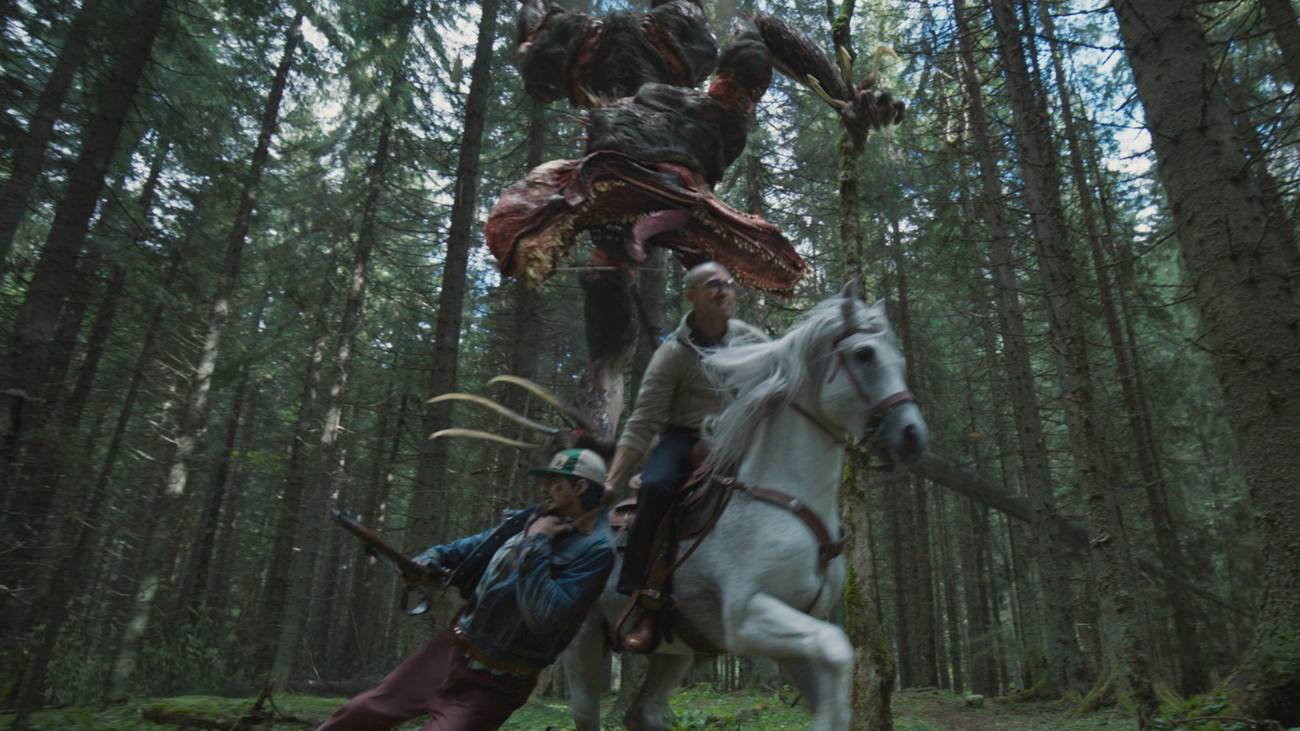
“We were kind of considering the current trends of creatures. There were creatures we were trying to avoid, of course, to avoid overlap with different films that were coming out. We’re like, ‘OK, we can’t use that idea because we want to create a more original and different character than what we see in other films that are coming out.’”
One main alien in the film resembles the Labyrinth Madman from FromSoftware’s Bloodborne. The long-haired creature shares a similar unsettling silhouette and moves with a jarring, animalistic speed. Na notes that Bloodborne did not influence Hope directly, and his creature designs relied on no pre-existing fiction or mythology.
It was almost disgusting to look at.
“It’s supposed to be an alien and almost anonymous, without a sense of identity,” he says. “I looked a lot to folklore, and Korean folklore actually doesn’t have a lot of creatures like this, so we had to kind of go more far and wide for inspiration.”
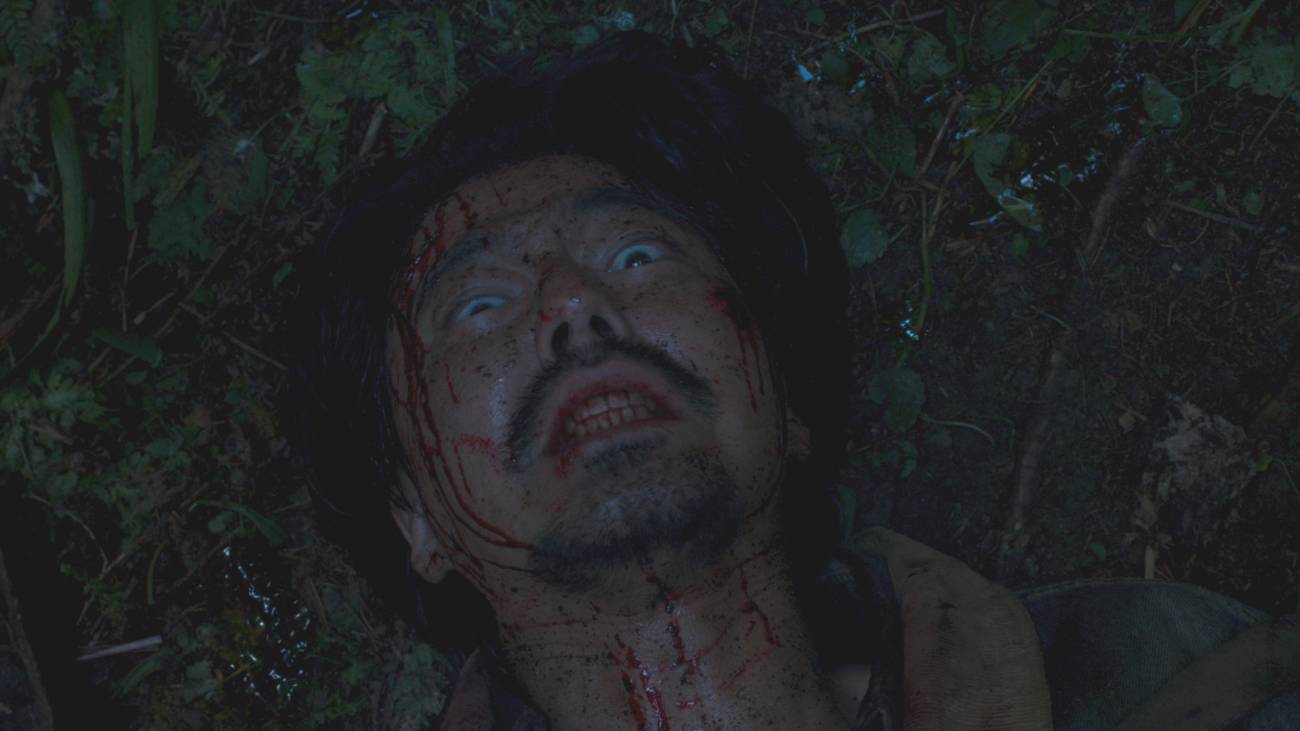
The resulting creatures feel familiar enough to recognize, yet strange enough to defy neat categorization. Another alien transforms from a humanoid into a feral beast with snapping teeth in seconds. Despite this ferocity, Na dialed back the gore.
“At the end stages of post-production, the VFX supervisor would show me some cuts that were incredibly violent,” he says. “It was almost disgusting to look at. I asked them specifically to tone it down a little bit. I feel like they really played it up because they had seen my previous films.”
Instead, Na wanted impact through exaggeration and exclusion rather than a bloodbath.
“For Hope itself, I really wanted to tone down a little bit of the red in the film, and to be able to create impact through exaggeration and exclusion, not necessarily through just a complete bloodbath.”
Returning to Familiar Ground
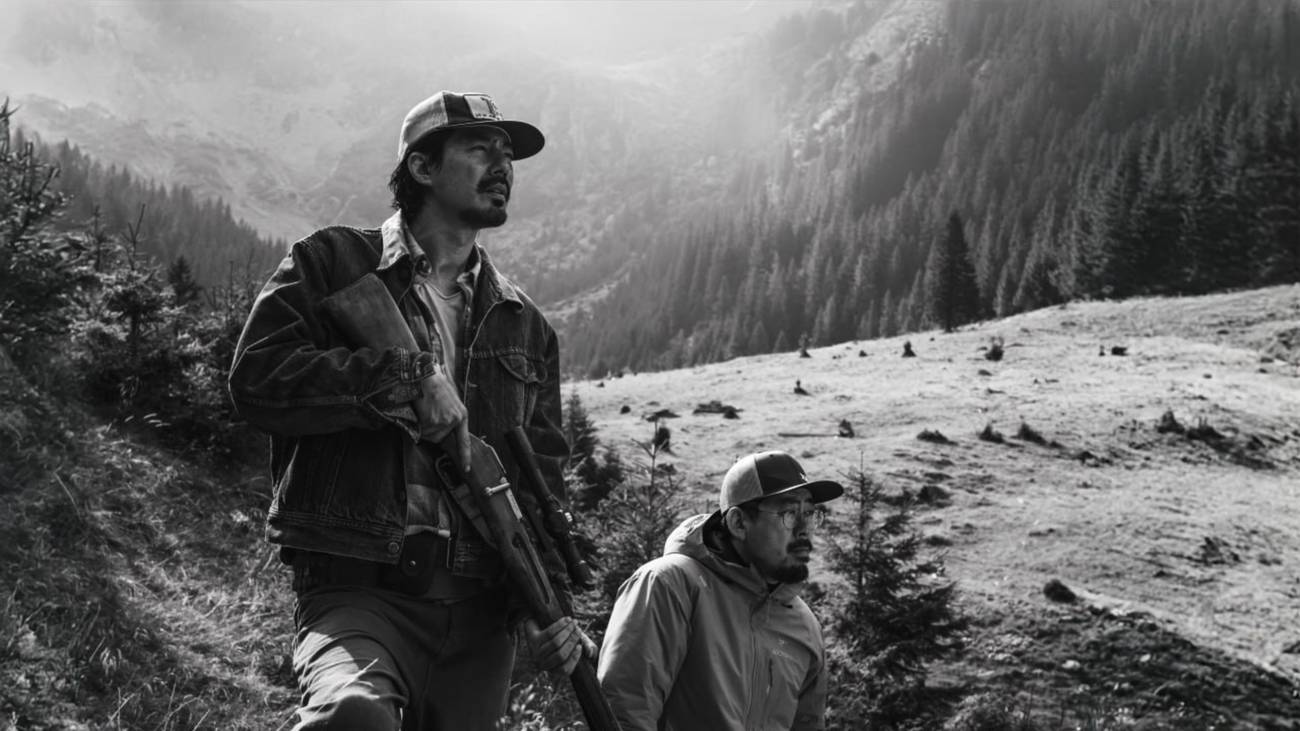
Pulling back on gore does not mean Na abandoned his signature instincts. Hope takes physical violence, escalating danger, and ordinary people in extraordinary circumstances, and places them in a new context.
This fascination starts with settings. Na repeatedly relies on isolated Korean communities as pressure cookers. The fictional Hope Harbor needed to feel like a real place before disaster struck.
I personally love really small villages in Korea.
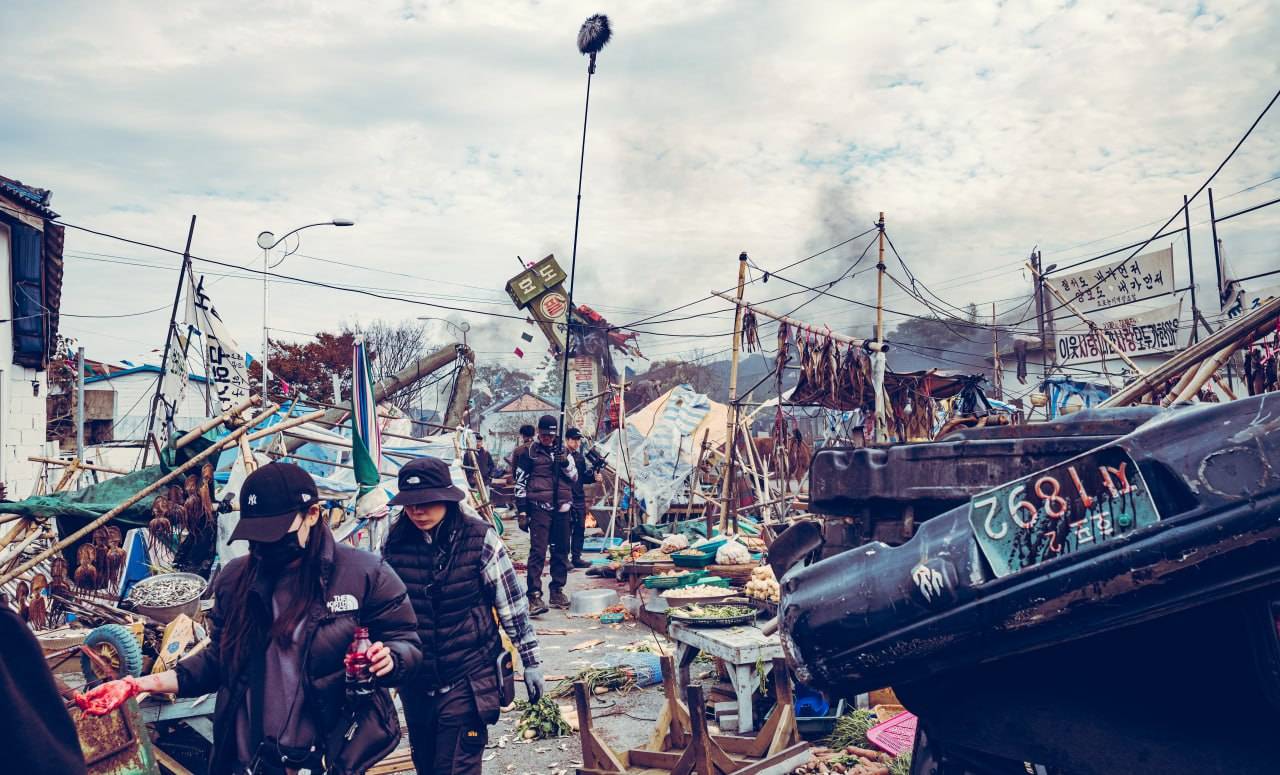
“I personally love really small villages in Korea,” Na says. “I’m not particularly interested in Korean cities because I don’t find them to be particularly unique.”
The Wailing was set in Gokseong, a rural town in South Jeolla Province that served as Na’s grandmother’s hometown. For Hope, the team chose Namchang-ri, a small coastal village in Haenam County. The production transformed the real town into Hope Harbor, converting its old bus terminal into a police station and redressing its shops and coastline. Gokseong and Namchang-ri sit only about a two-hour drive apart.
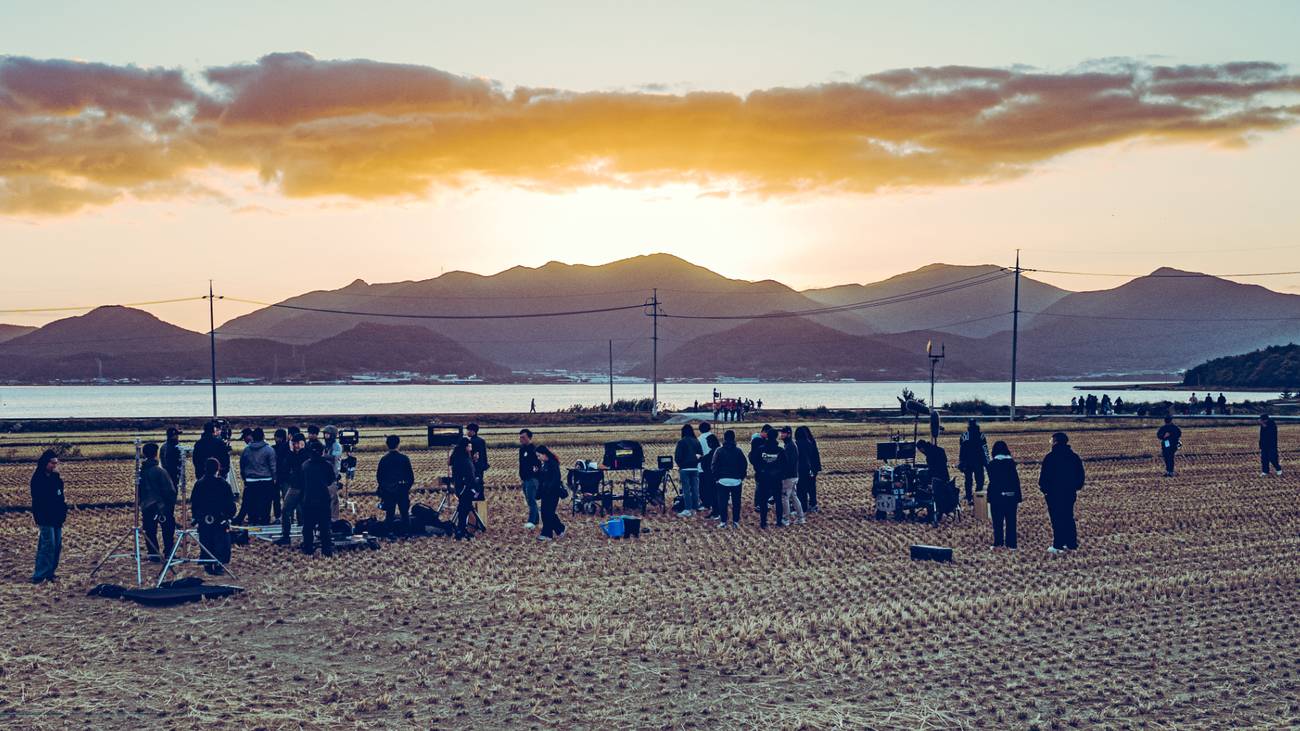
Despite the geographical connection, Na did not intend to revisit the world of The Wailing. Both movies explore isolated communities confronting the inexplicable, but their emotional directions differ.
“I would say the themes of The Wailing and Hope here are quite different,” Na says. “The Wailing really deals with sort of the bottomless pit of despair and misfortune and what that can bring to humanity.”
Like the title itself, the characters have a genuine sense of hope.
In The Wailing, misfortune is an unstoppable force. Hope begins with a similar unknown, but builds around a different idea.
“Like the title itself, the characters have a genuine sense of hope,” Na says. “I wanted to explore the idea that once a desire comes true, the hope itself disappears. I really wanted to create that sense of feeling, because the feeling of hope is going to actually fail for everyone by the end. Despite that, people are still really latching onto that feeling.”
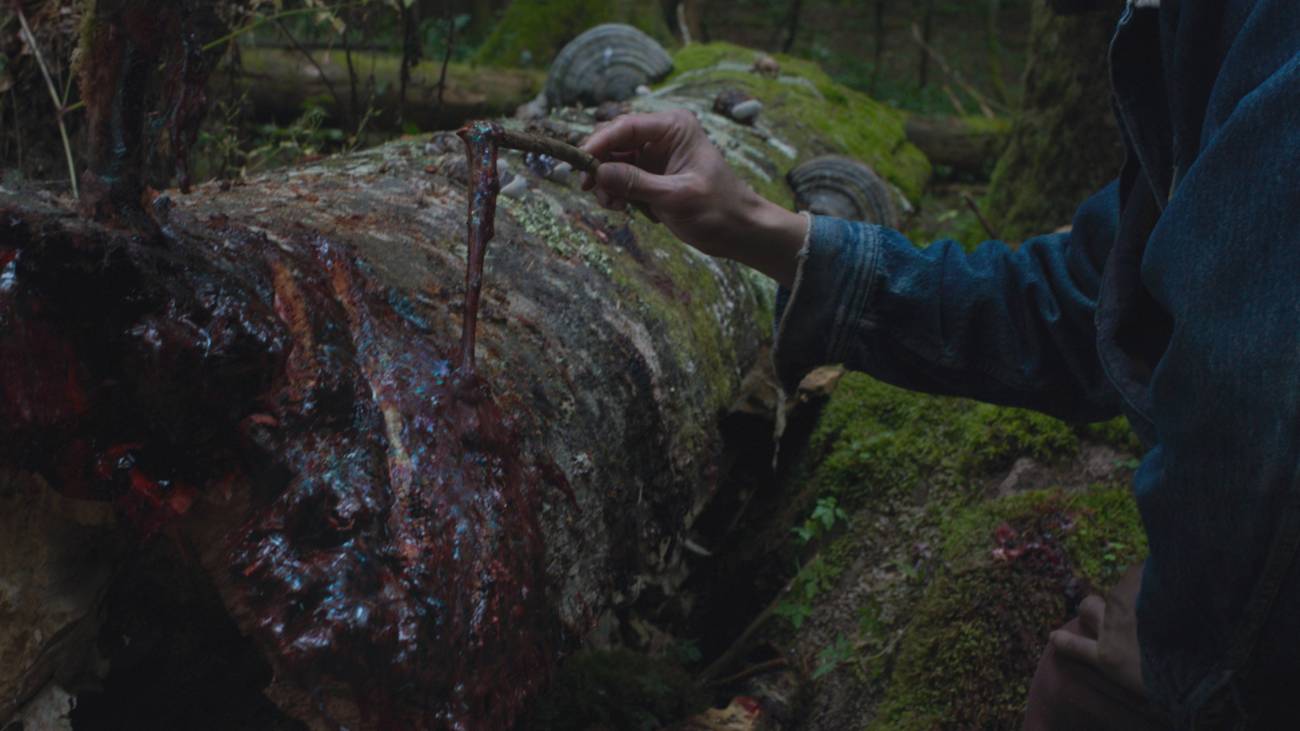
A Thriller at Heart
Na does not view Hope as a radical break from his career. This CGI spectacle is a detour before he returns to thrillers.
“Thrillers are what I’ve always done, and it’s the genre I love the most,” Na says. “I do think I’ll continue to make thrillers when there hasn’t been a good thriller out in theaters in a while. I really want to make the type of thriller movie that I want to watch. So that kind of gives me motivation to start writing again.”
It definitely highlights a lot of negative aspects of humanity.
Hope applies Na’s core obsessions to a larger scale. He maintains his focus on physical violence, specific communities, and relentless pacing.
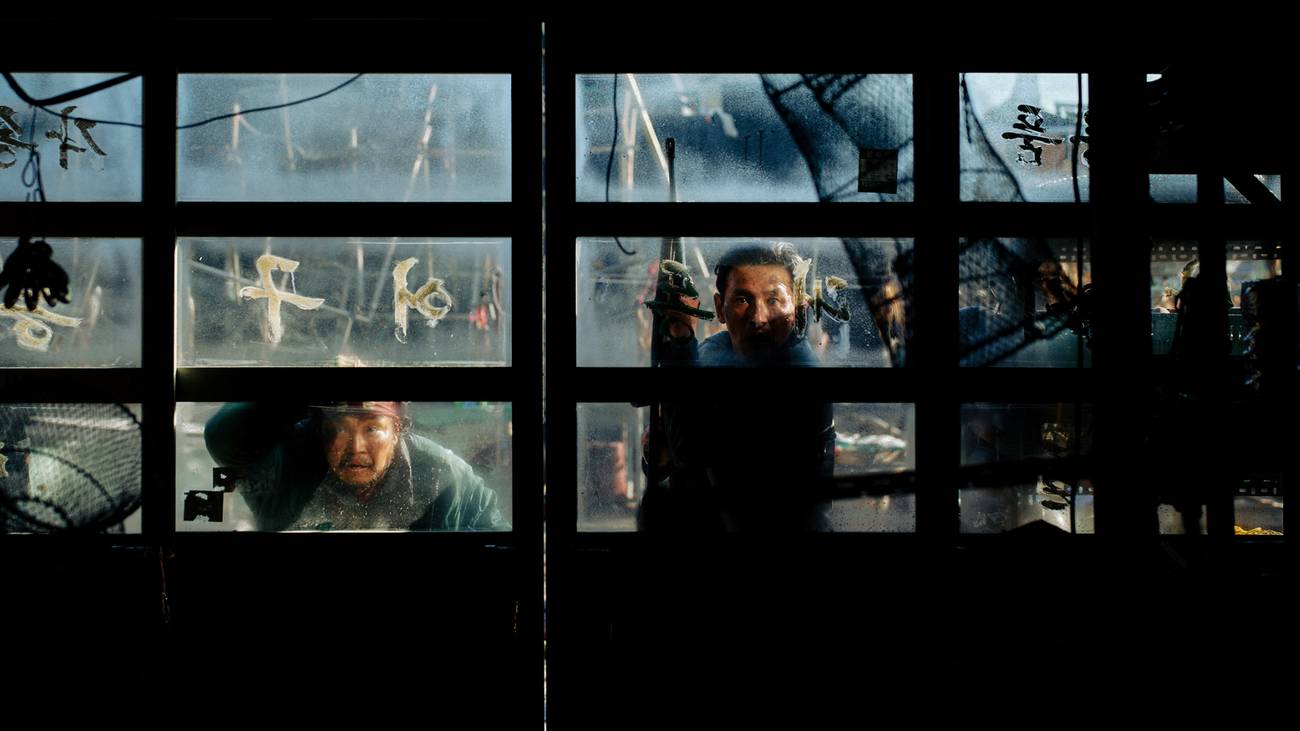
As the narrative progresses, the villagers face extreme pressure, exposing ugly parts of human nature.
“By the end of the film, it definitely highlights a lot of negative aspects of humanity,” Na says. “It also tells the audience that we shouldn’t be like this. Hopefully, the audience leaves with the sense that they shouldn’t act like the villagers do necessarily.”
For a director known for leaving viewers emotionally drained, his ultimate goal for the film remains straightforward.
“I hope that they think, ‘That was really exciting, that was really cool,’ as they leave the theater.”
Source: Polygon
Related articles
 miHoYo Shares Genshin Impact 7.1 Promo Codes and Event Teasers
 Blizzard Announces Open-World StarCraft Shooter Targeted for a 2030 Release
 Danganronpa 2×2 System Requirements Include RTX 4070 and 32 GB RAM
 Genshin Impact Version 7.1 Livestream Codes
 Set Photos From The People v. Gorilla Grodd Hint at King Solovar Appearance
 Cosplayer Portrays Sniper Wolf From Metal Gear Solid
 Ace Combat 8 Developers Are on a Mission to Create the Perfect Clouds
 Developers of Moss Shut Down Studio Despite Cross-Platform Release