Comparing Christopher Nolan’s Interstellar and Steven Spielberg’s Original Script
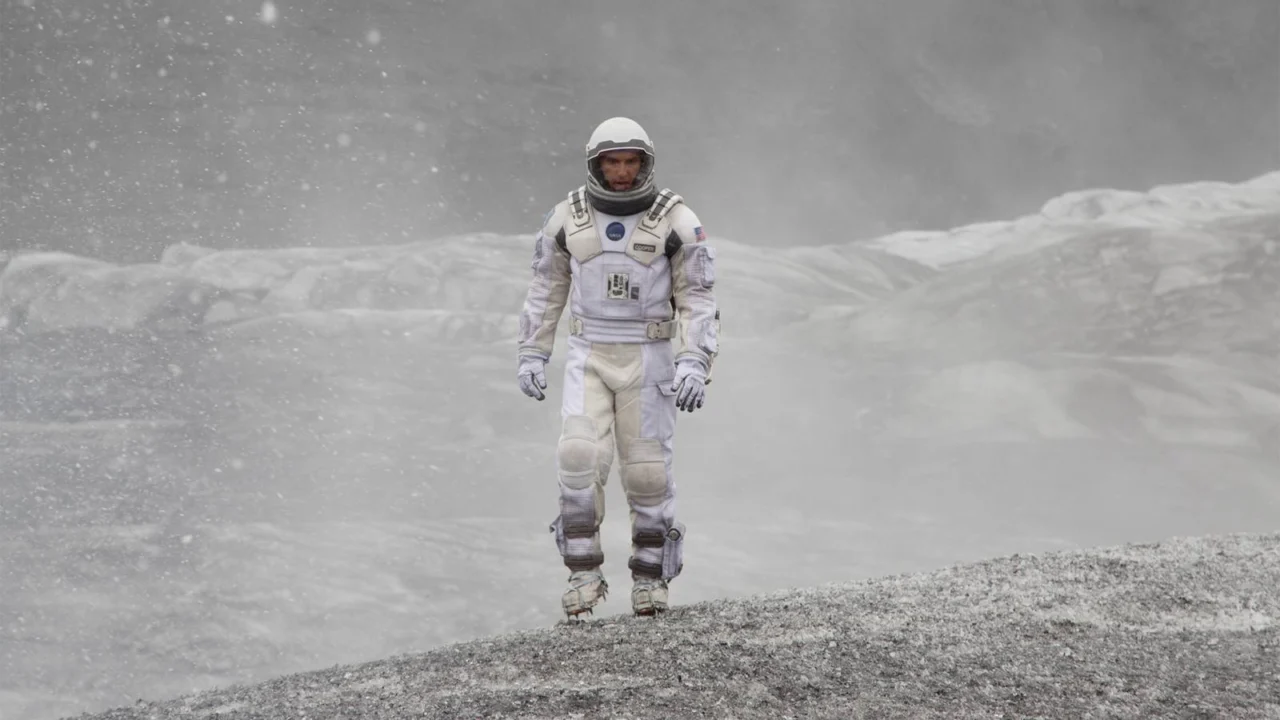
More than six weeks after its premiere, Christopher Nolan’s The Odyssey performs strongly at the box office. Recently, the picture surpassed Deadpool & Wolverine to become the highest-grossing R-rated film of all time. Consequently, fans celebrate Nolan’s broader filmography, including his 2014 sci-fi epic, Interstellar. That movie follows a team of astronauts traveling into deep space to find a new home for humans before Earth becomes uninhabitable.
Before Christopher Nolan signed on to direct Interstellar, Steven Spielberg was attached to direct the project. Spielberg developed the story with Jonathan Nolan, Christopher Nolan’s screenwriter brother. Spielberg spent about a year on the project before moving his production company, DreamWorks, from Paramount to Disney, which forced him to step down as director. Christopher Nolan took over shortly afterward, bringing a major rewrite of the script.
The script for Spielberg’s version remains accessible online. Reading it reveals a vastly different film. Here are the seven biggest differences between the released movie and Steven Spielberg’s earlier vision.
1. Cooper wasn’t a NASA pilot
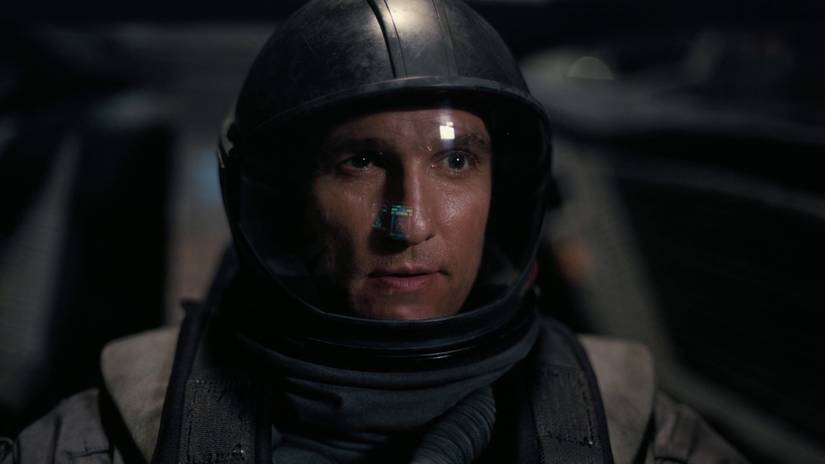
In Christopher Nolan’s version, Matthew McConaughey’s character Cooper served as a trained NASA pilot before the events of the film, but NASA shut down before he flew any missions. In Spielberg’s version, Cooper is an engineer who discovers a space probe returning from deep space. That probe leads him to a secret NASA base where officials select him for the upcoming space mission.
2. Murph was Cooper’s son, not his daughter
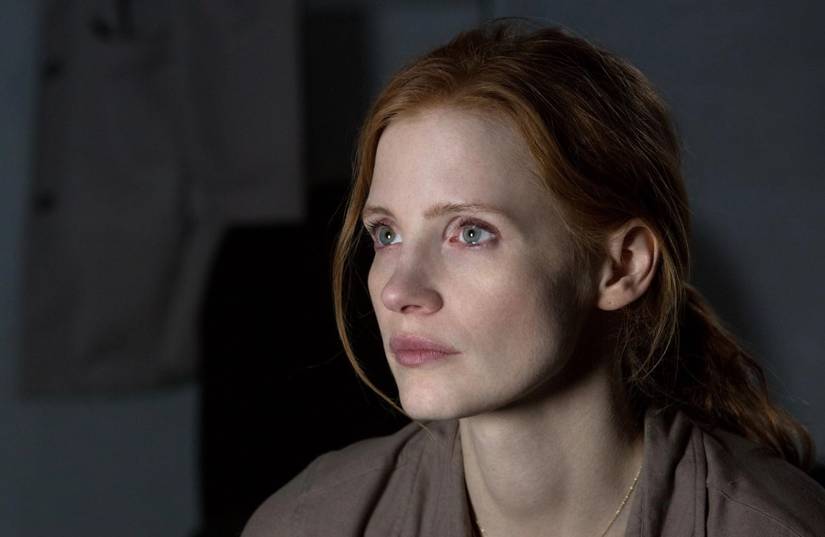
Jessica Chastain’s character, Murph Cooper, was a boy in the original draft. The character shares a similar personality to the final version, and both iterations resemble Cooper. The concept of “Murph’s Ghost” did not exist in the original story.
3. There was only one planet to check out, not three
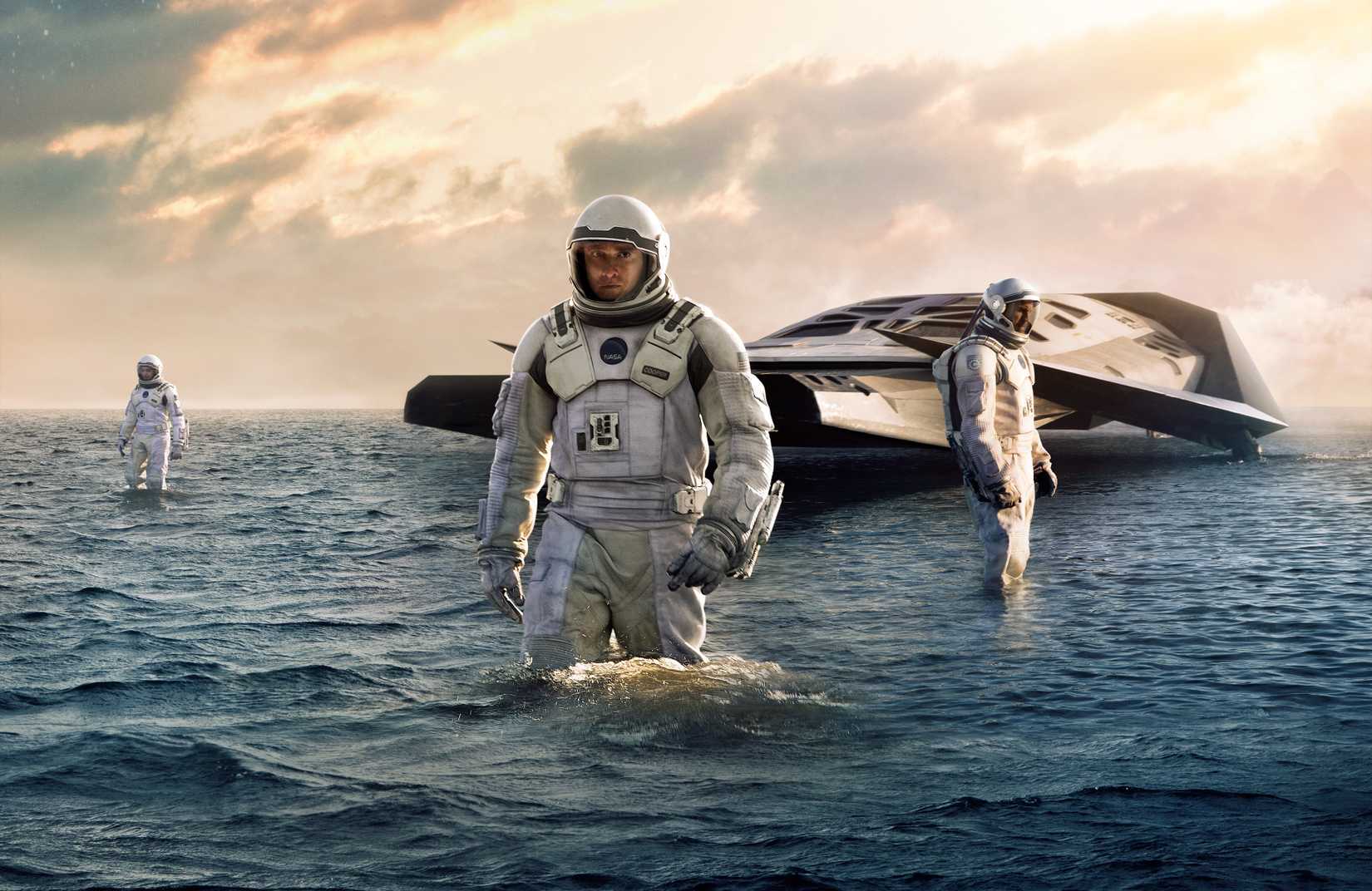
The finished film establishes that a mysterious wormhole appeared in our solar system 48 years before the story begins, placed there by an unknown intelligence. NASA sent probes through the wormhole, and those probes reported 12 potentially habitable planets on the other side.
Ten years prior to the events of the movie, NASA dispatched 12 astronauts on one-way missions to determine if those planets could sustain humanity. Three astronauts sent back promising results. Miller’s Planet featured vast water and a massive wave that nearly destroyed the ship. Mann’s Planet was the icy world where Hugh Mann, played by Matt Damon, lost his sanity. Edmunds’ Planet appears briefly at the very end of the movie, where Dr. Brand, played by Anne Hathaway, travels to follow Dr. Edmunds, a character the audience never meets.
Spielberg’s version omitted Project Lazarus and its multiple planets. Instead, the wormhole led straight to a single planet that initially resembled Mann’s planet. Furthermore, Spielberg’s version relied solely on probes prior to the mission carrying Cooper and Brand.
4. There was a Chinese expedition
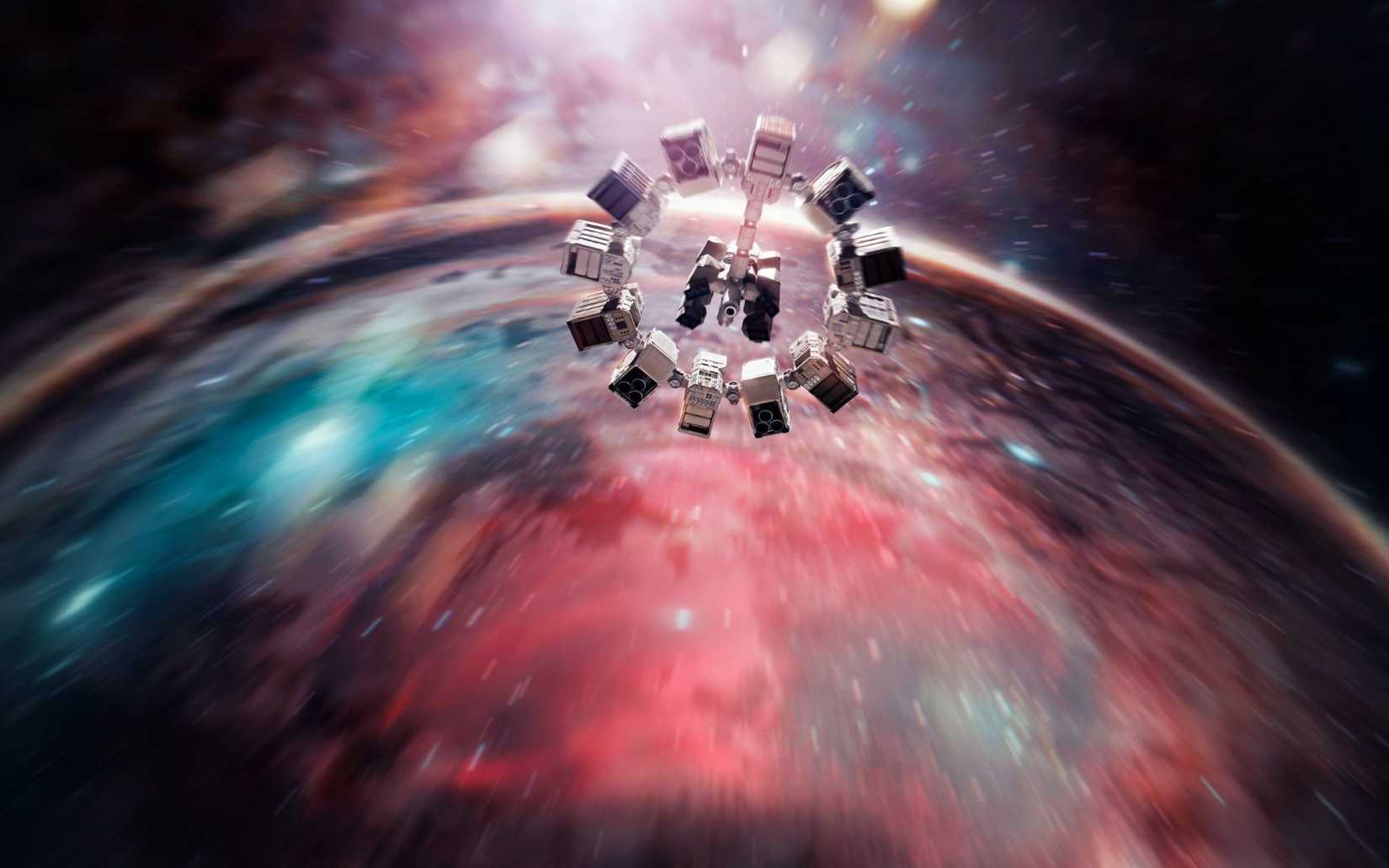
After crossing the wormhole into another galaxy, the NASA crew landed on the planet and discovered the remains of a Chinese expedition. This included four gravesites for the Chinese crew members, who had been buried by their robot companions after dying from radiation exposure originating from a nearby neutron star.
5. It had aliens
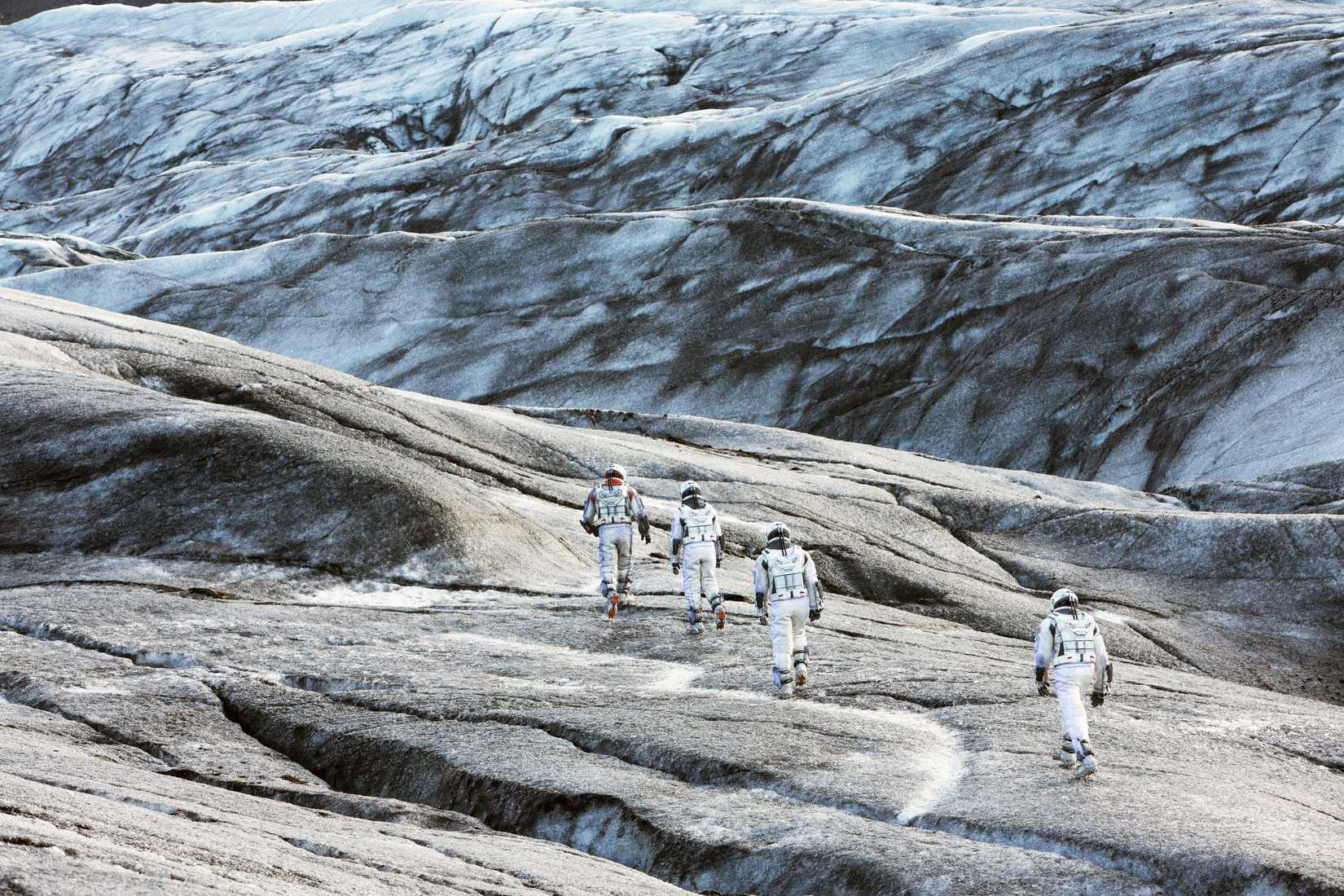
Initially, the planet in Spielberg’s script appeared icy and lifeless, much like Mann’s planet. Beneath the ice, however, the NASA crew uncovered a lush environment featuring water, breathable air, and shapeshifting lifeforms. These entities looked like plants until they separated and reassembled into dangerous animals. The inclusion of alien life represents the most significant departure between the two scripts, though extraterrestrial elements align with Spielberg’s filmmaking history.
6. And time travel — like, real time travel
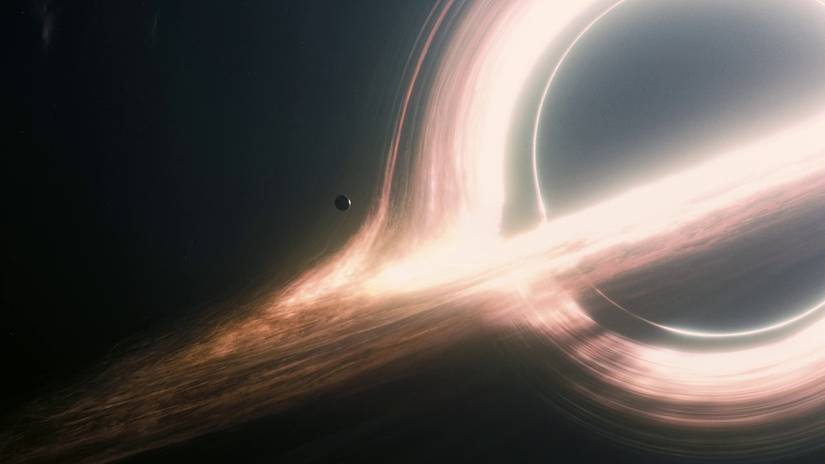
Towards the end of Christopher Nolan’s movie, Cooper falls into a black hole and enters the Tesseract, a device that allows him to communicate with Murph in the past. The initial ghostly occurrences in Murph’s bedroom were actually her father sending messages from the future. After transmitting the message, Cooper wakes up aboard Cooper Station in time to see Murph as an old woman shortly before her death.
The original screenplay took a different path. After escaping the ice planet, the NASA crew enters a wormhole that delivers them to a Chinese space station 4,000 years in the future. Descendants of the Chinese embryos, raised by robots, built this station.
Onboard the station, Cooper learns about an experimental time-travel device and decides to return to Earth to meet Murph in the past. The device functions, but Cooper lands in the wrong era, long after Earth has transformed into a barren wasteland. He visits his old house and loses consciousness, eventually waking up on Cooper Station to meet an aging Murph.
7. And… there’s a zero-gravity sex scene
The most surprising difference in Spielberg’s draft is a zero-gravity sex scene. Unlike the final film, Brand and Cooper share a romantic storyline in the original screenplay, which culminates in weightless intimacy.
Those elements demonstrate how drastically different the production would have been.
Source: Polygon
Related articles
 Skyrim Gets IKEA Collaboration Featuring Companion, Quests, and Dungeons
 Sony Receives Financial Argument Against Physical Games While No Man’s Sky Update Highlights September 9
 Dead or Alive 6 Last Round Developers Explain Why Costumes Aren’t More Sexual
 Steam Begins Implementing Mandatory Age Verification in Australia Amid Issues
 15 Classic Games That Prove Great Graphics Aren’t Everything
 God of War Creator Calls for Firing of PlayStation Studios Head
 Garfield’s Most Famous Comic Strip Quote Still Resonates After 47 Years
 Rockstar Introduces Advanced NPC Behavior in GTA VI