Cancelled Days Before Launch, a Paranormal Activity Game Is Now Being Called the Next P.T
For two years, Brian Clarke had been pouring himself into a high-pressure follow-up to The Mortuary Assistant, his breakout horror hit from 2022. Paramount had tapped the DarkStone Digital founder to build a Paranormal Activity game, and he threw himself into it completely. As the 2026 deadline drew near, Clarke realized the project needed a little more time to do the franchise justice. He asked Paramount for a brief extension and got a flat refusal. In May, DarkStone Digital and publisher DreadXP announced that the project was cancelled, and all that effort ground to a halt.
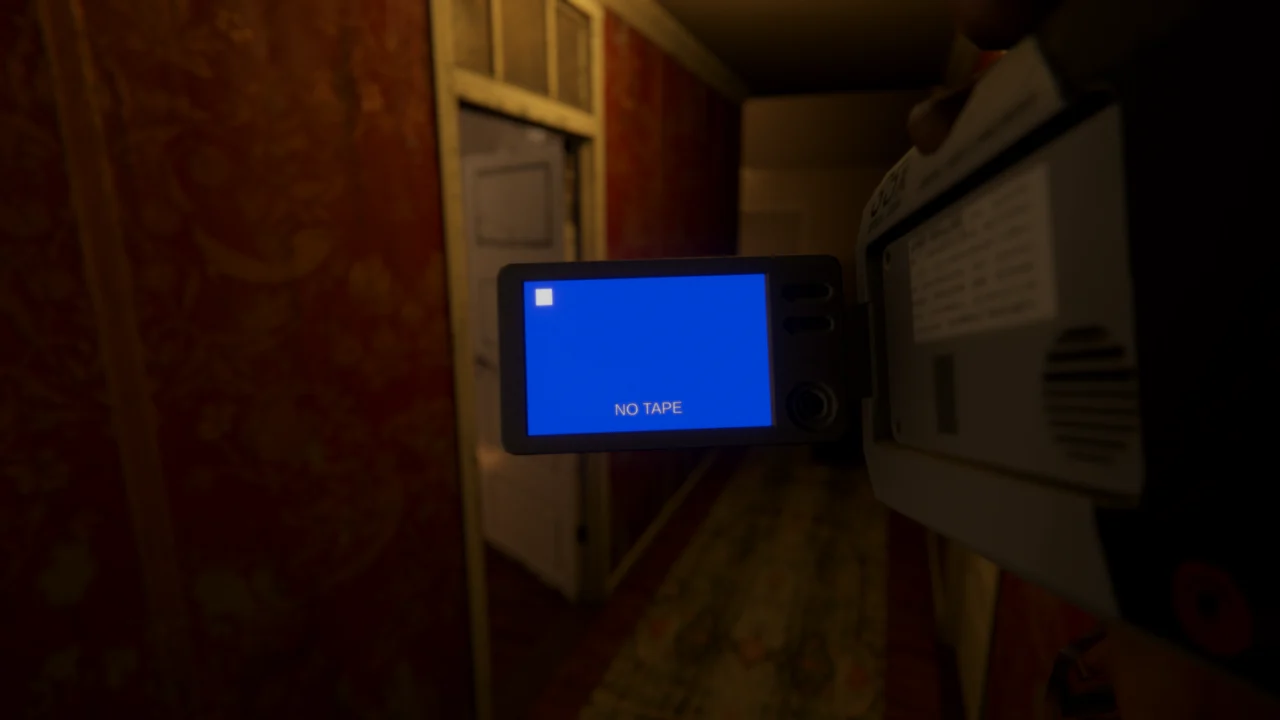
Five months on, this troubled development story has taken one last turn. Clarke is releasing the game once known as Paranormal Activity: Threshold, or at least a prototype of it. Playable Archive is available now, free of charge. It is a reworked edition of the cancelled game’s PAX East demo, with every trace of Paranormal Activity removed. In a video interview with Polygon before launch, Clarke described it as a rare act of preservation in an industry that tends to shred its failed projects.
A simple pitch that snowballed
Paranormal Activity: Threshold began as a modest idea. In 2022, the head of DreadXP contacted Clarke and asked whether he would like to pitch Paramount on a Paranormal Activity game. Clarke was a fan of the series and an indie developer searching for his next big undertaking after The Mortuary Assistant, so he agreed. His concept followed a detective combing through the sort of grainy recordings familiar from the found-footage films (the eighth installment arrives next year). Paramount liked it, and Clarke set everything else aside to focus on the project.
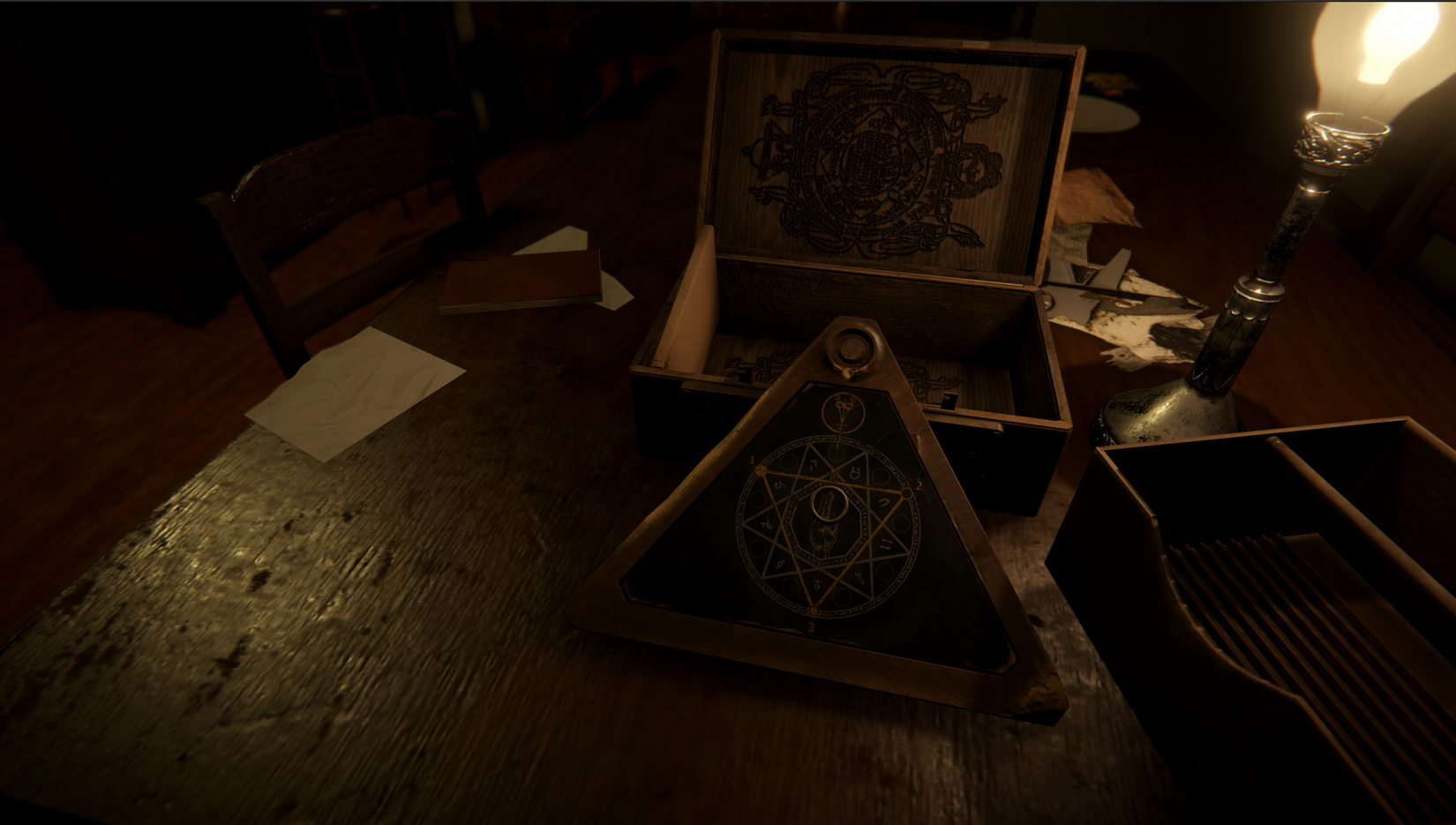
Production appeared to be on track. Earlier this year, Clarke took a demo to PAX East, where players responded warmly. He told me it even picked up a writing award at the show. Still, a great deal remained before the planned late-2026 release. Polish, porting, localization, and plenty more were required before Clarke would feel comfortable shipping. When he asked Paramount to push the launch to February 2027, he assumed it would be a minor request. It wasn’t.
“Their response was just no,” Clarke told Polygon. He believes the studio wanted something in the fourth quarter, and he couldn’t deliver that to the standard he wanted. The choice, as he saw it, was to rush the game out and hope it turned out decent, or to step away.
Corporate shifts behind the scenes
Paramount’s rigidity may have been connected to upheaval elsewhere in the company. In 2024, Paramount Global and Skydance Media announced plans to merge in a blockbuster deal valued at $8 billion. Clarke said his relationships with his direct contacts at Paramount stayed largely the same over the two years, but he did notice the way people communicated with him begin to shift.
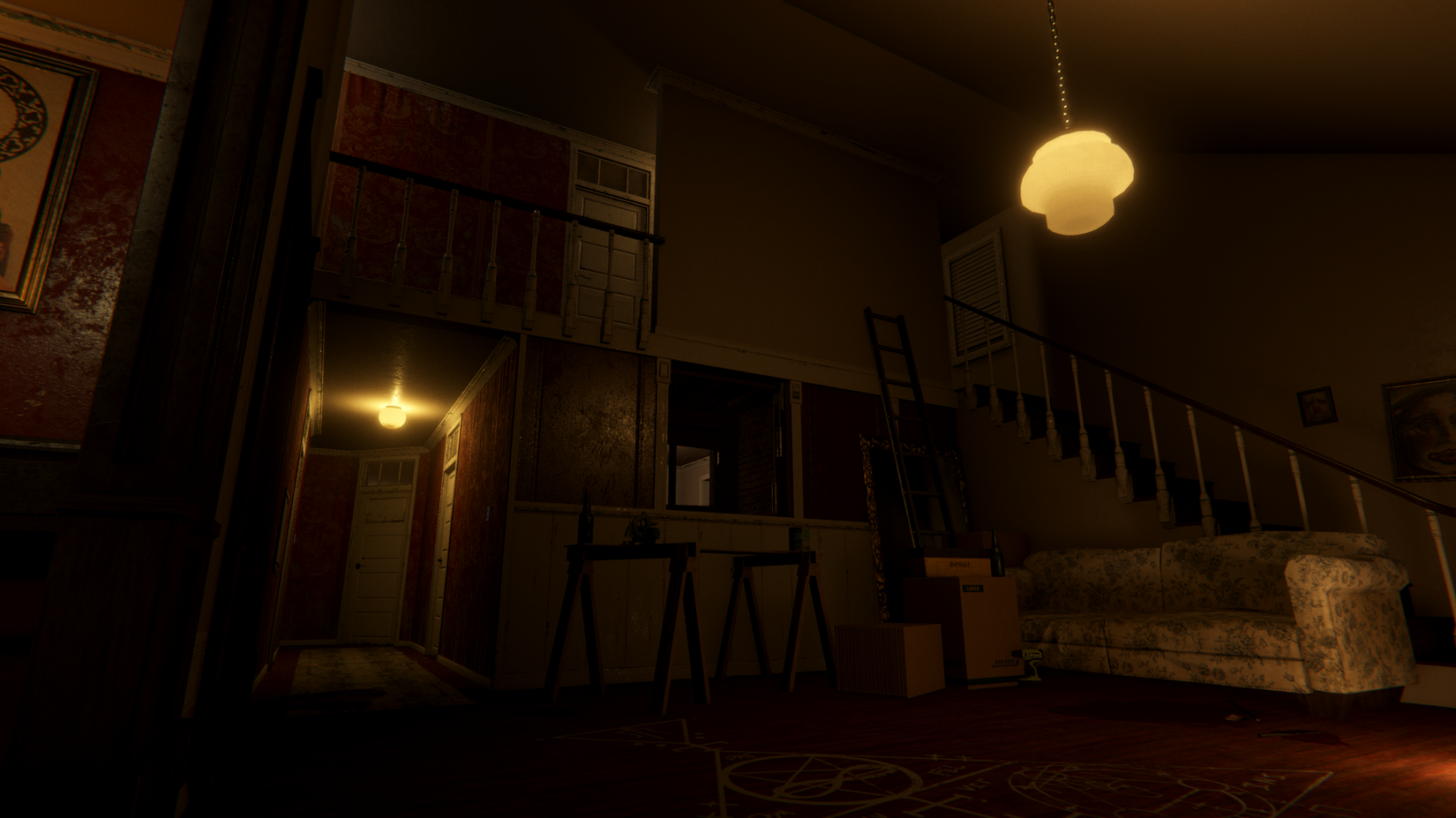
“There were certainly slowdowns on turnaround for certain things at points,” Clarke said. Submissions needed sign-off before he could proceed, which wasn’t the norm in his experience, and the approval process dragged. He said it reminded him of his years at Disney and at Mythic, where he worked on Warhammer: a constant cycle of waiting for approval after approval.
Walking away on his own terms
Faced with a firm refusal, Clarke had two options: ship a compromised game or cancel it. Plenty of developers would have chosen to ship, particularly with the project so far along. But Clarke was an independent developer with a reputation to guard, which made the decision unusually fraught.
He explained that when a bad game launches under a major brand from a major company, it is merely another entry in a long ledger, and the company shrugs it off. For a solo developer whose last release was a success, he said, the damage lands much harder, and his goal was to keep that momentum going.
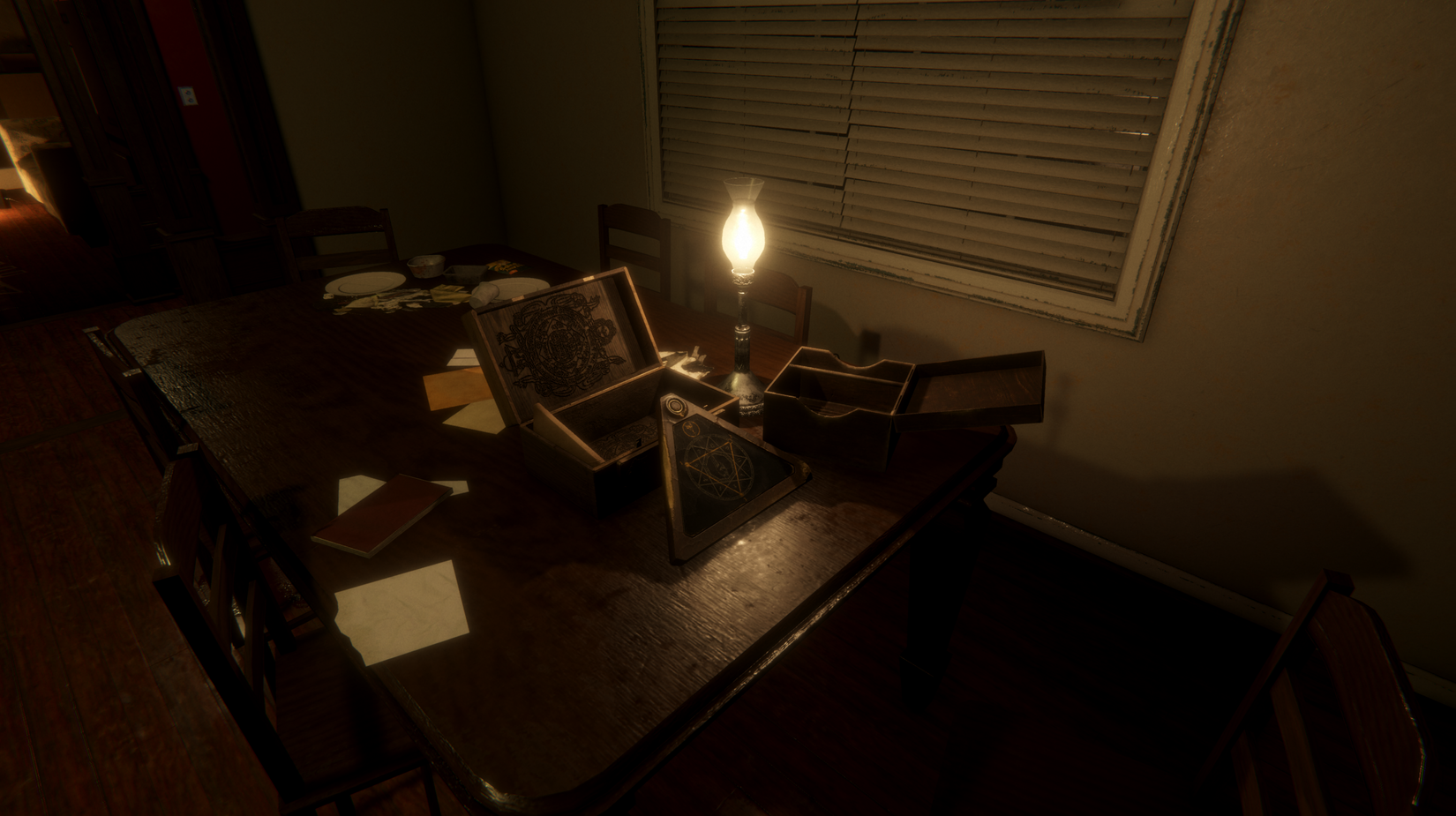
With DreadXP fully behind him, Clarke returned to Paramount and said he needed to leave the project. The studio didn’t push back. “They were just like ‘Okay,'” he recalled. The lack of discussion surprised him given the time and resources invested, though he doesn’t think the loss was significant for Paramount, since this was a small game. Clarke wouldn’t disclose the budget but implied it was well below a million dollars.
Although he was confident he’d made the right call, it left him in an awkward spot. Four years had passed since The Mortuary Assistant, and he had nothing new to build on that game’s success. Worried it would look as though he’d done nothing in all that time, he listened when the DreadXP team suggested releasing what already existed. Thanks to a flexible agreement with Paramount, Clarke retained everything he had built, and he was cleared to release it provided Paranormal Activity was removed.
What Playable Archive actually is
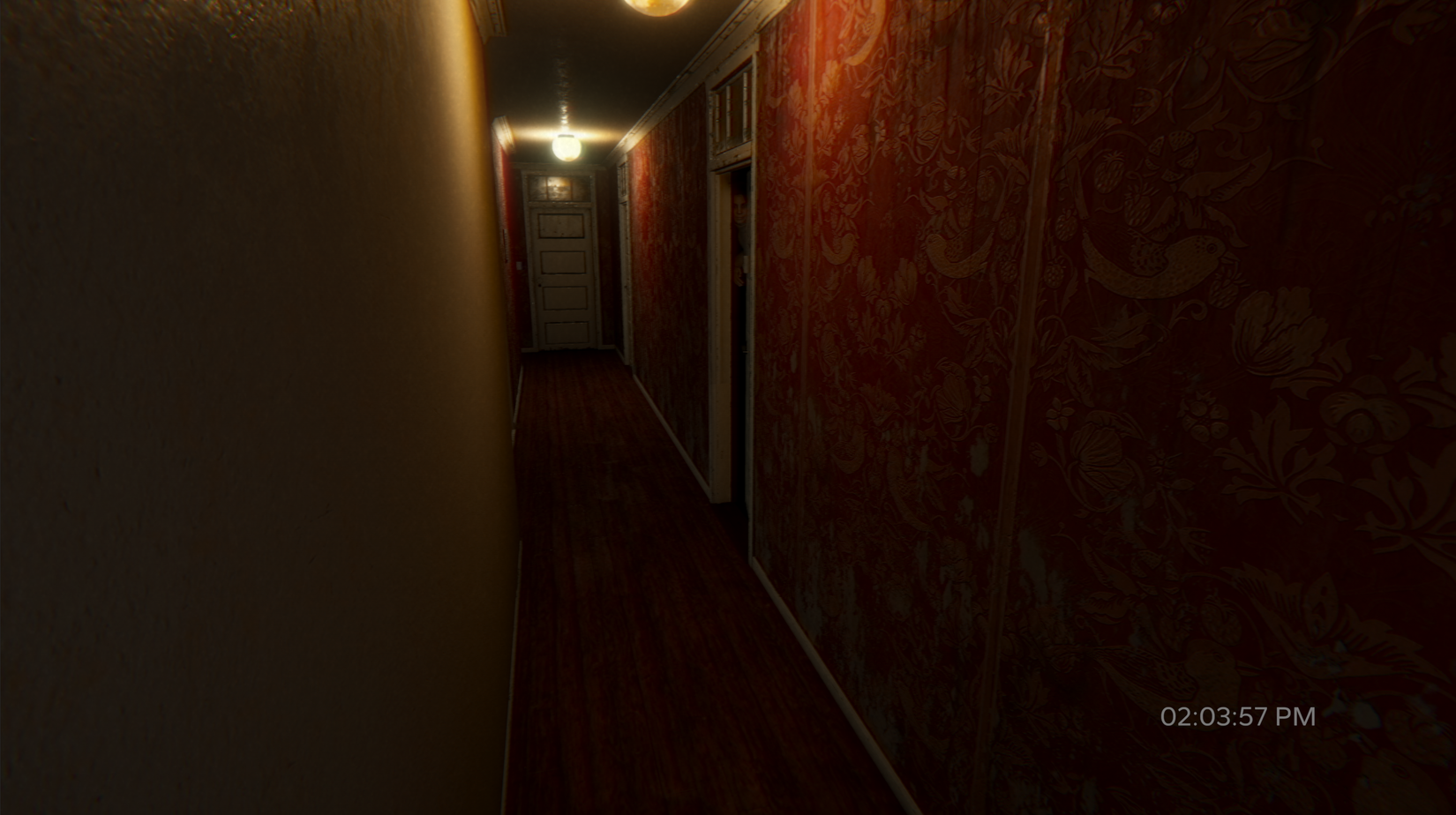
The outcome is Playable Archive. Its name is a playful tribute to P.T., the demo for Hideo Kojima’s cancelled Silent Hills, which arrived on PlayStation 4 in 2014 and was notoriously pulled from sale in 2015. It isn’t a complete game so much as a finished version of the PAX East demo, stripped of all Paranormal Activity references. It runs only about 30 minutes, but it’s free and offers a rare look at a project that was never going to be released.
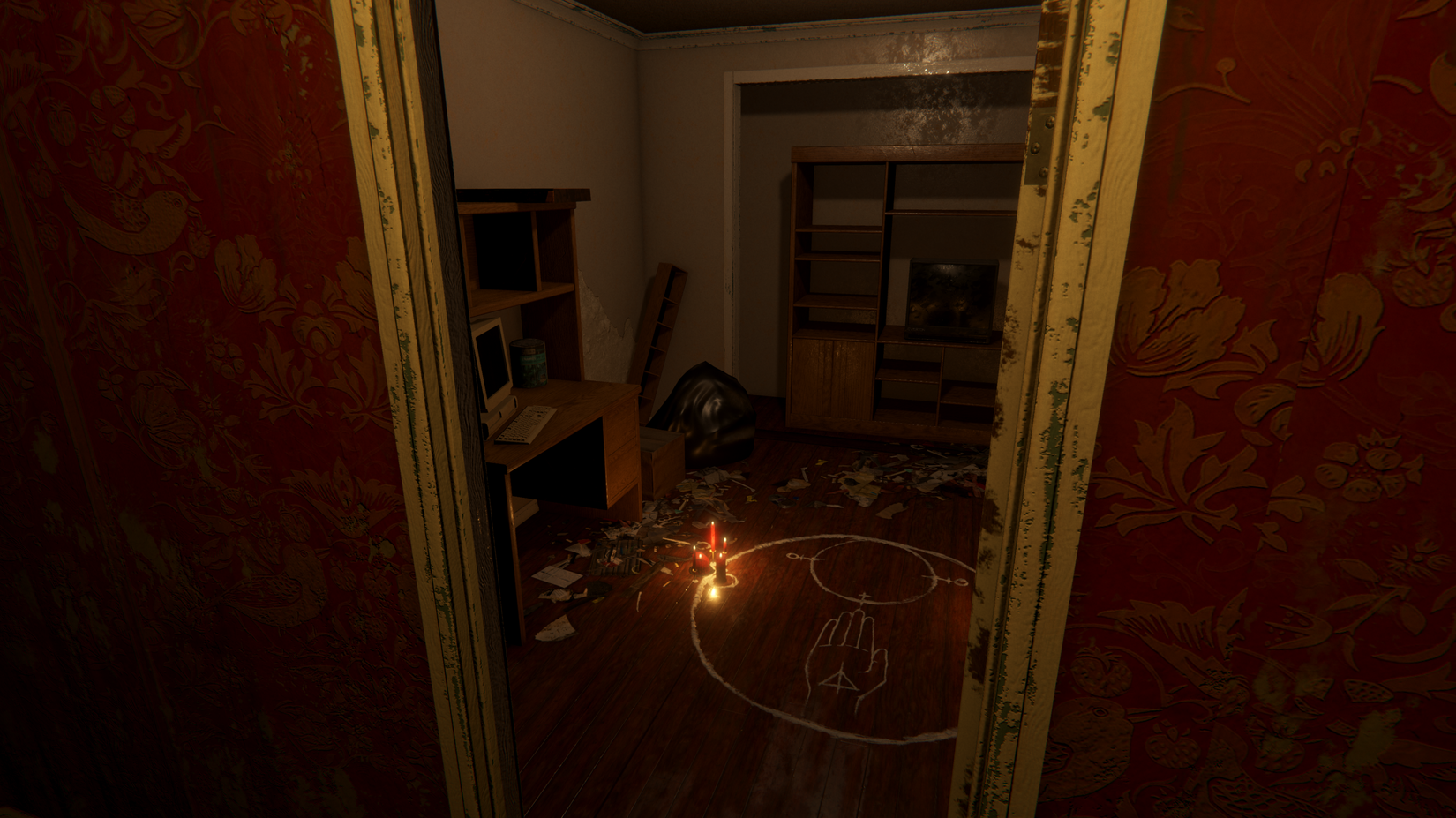
“It is important to me in a way to be like, this is what I was doing,” Clarke said. He wants people to see it and reach their own conclusions, whether disappointed or pleased. He has already worked through his grief over the cancellation, he added, and releasing the demo is his way of putting it out there and moving on.
The quiet anxiety of indie development
Throughout our conversation, Clarke kept returning to the worry that he’d appear to have nothing to show for the four years since The Mortuary Assistant. In truth, he was extremely busy. He spent a stretch as a co-director at DreadXP, consulted on a film adaptation of The Mortuary Assistant (which had a limited run this past February), and briefly worked on a Creepshow project, all while building Paranormal Activity: Threshold. So why the concern?
It’s an understandable fear. Momentum matters enormously for indie developers who need to string together successes to stay visible and attract funding. Clarke spoke at length about the unseen pressures of independent development. From the outside, the freedom sounds romantic, but solo developers regularly face harsh realities that get little airtime. “Sure, it’s free until you can’t eat,” Clarke joked.
He pointed to the current debate, fueled by the flood of AI-generated content, over what “indie” really means and whether game development counts as art. His answer: it’s both. There is artistry in it, and it is also a business, a fact he feels people often overlook. He is making art and creating whatever he wants, which is liberating, and he can technically set his own schedule. But that schedule, he said, had better line up with the day his bank account runs dry.
A haunting that isn’t quite over
Although giving Playable Archive away won’t fill Clarke’s wallet, the work wasn’t wasted. He still treats it as an opportunity to learn what players enjoy and what they don’t, knowledge he can carry into his next game. He also said he’s already working on a new project that borrows “some concepts and ideas” from Paranormal Activity: Threshold. The spirit of the cancelled game may yet live on, lingering over any Paramount executives who watched it die.
Playable Archive is available now on Steam, free to play.
Related: 12 years later, canceled Kojima game P.T. makes a comeback
Source: Polygon
Related articles
 Sandra Hüller Played a Role in Avengers: Doomsday
 Warhammer Team Showcases Golden Demon 2026 Miniature Painting Winners at SPIEL Essen
 Delicious in Dungeon Season 2 Character Illustrations Shown
 Report: Sucker Punch, Developer of Ghost of Yōtei, Hit by Layoffs
 Inscryption Developers Announce Mobile Version, Answer Questions About Sequel and Add-Ons
 Aaron Paul Mostly Cut From “Clayface,” Director James Watkins Explains Why
 Fan-Made NFS: Most Wanted Port for Android Adds Online and Local Multiplayer Support
 Nintendo Switch 2 Hackers Achieve Major Breakthrough