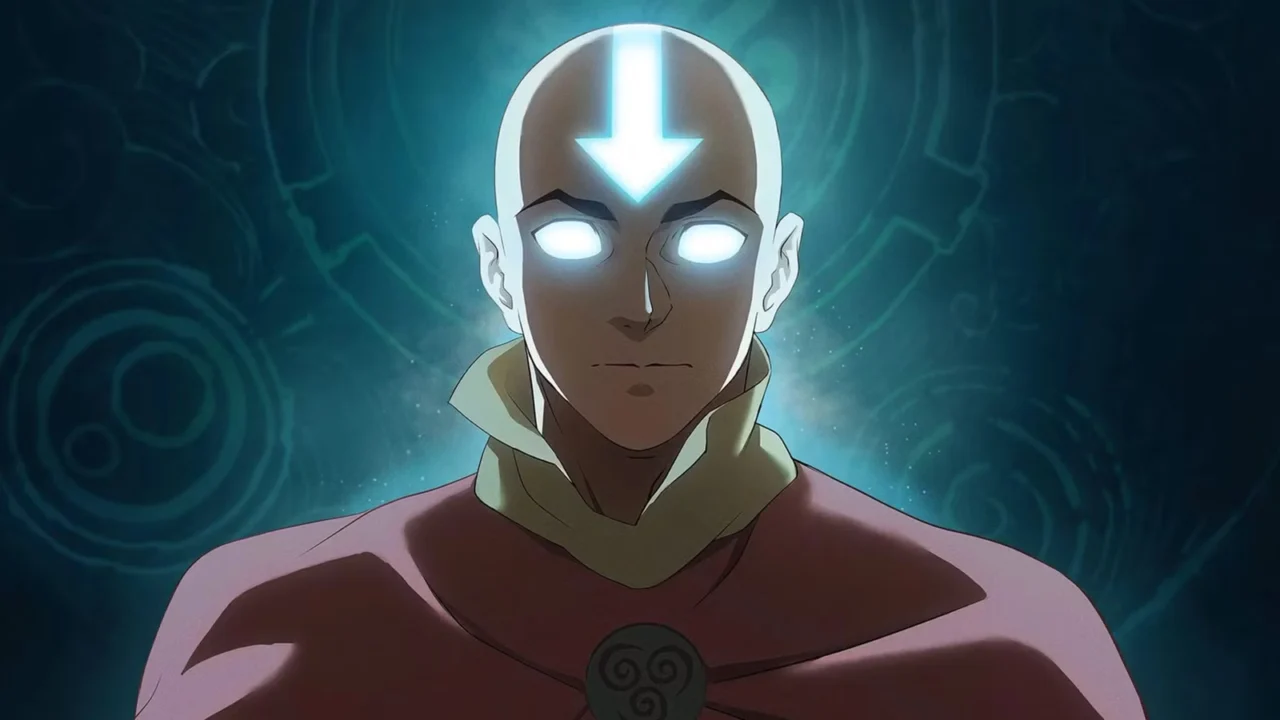
Avatar: The Last Airbender Universe to Shift to Cyberpunk Genre in Upcoming Series
Avatar: The Last Airbender has never been a medieval fantasy. Aang may wield elemental magic and camp out under the stars, but the Fire Nation’s steam-powered ships, factories, tanks, and other machinery always made the original series feel like a 19th-century industrial fantasy with steampunk vibes. The sequel, The Legend of Korra, jumps forward 70 years and moves the franchise into something closer to dieselpunk with a bustling metropolis modeled after cities like 1920s New York and Shanghai.
Now, Avatar: Seven Havens, which begins airing on Oct. 9, will swap genres all over again with an even bigger time skip.
The next animated series in the Avatar: The Last Airbender universe takes place approximately 225 years after the end of The Legend of Korra. That is almost exactly three centuries after Aang defeated Fire Lord Ozai. The jump is so significant that the world of Seven Havens looks almost unrecognizable, mainly because, due to some sort of cataclysm, civilization has collapsed. The original four nations built around each type of bending and their cultures have dissolved over time. In their place are seven isolated strongholds, called Havens. The new Avatar, Pavi (Saheli Khan), must navigate a post-apocalyptic cyberpunk fantasy, complete with hoverboards and motorcycles driven right out of either Tron or Batman’s garage.
The elemental bending remains, but this is an entirely different kind of Avatar story.
Every Avatar inherits a different world
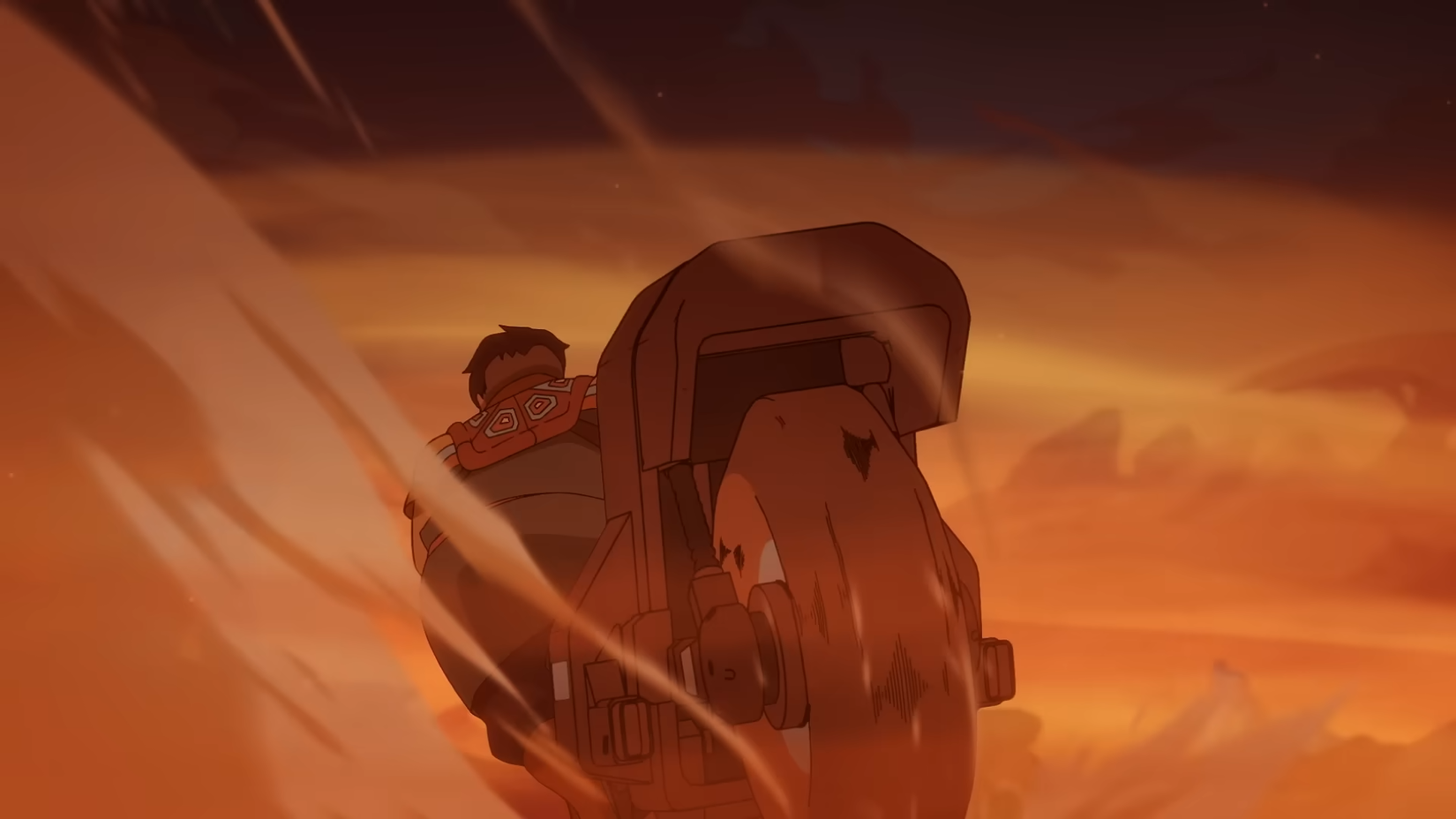
Technological progress has always been central to the Avatar universe. In The Last Airbender, the Fire Nation’s industrialization helps explain how it conquered much of the world, and those technological advances were largely driven by its wartime conquest over the course of a century. Firebenders can power enormous warships and factories, something we even saw in the recent Avatar Aang: The Last Airbender movie. While Aang’s journey still resembles a traditional fantasy quest, that story unfolds against the backdrop of an industrial revolution.
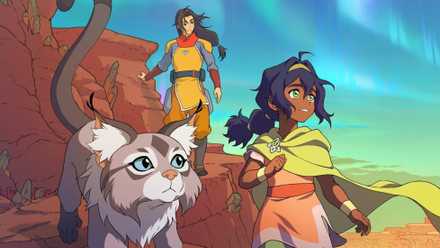
By the time Korra becomes the Avatar, 70 years later, the peace that Team Avatar achieved after Ozai’s defeat manifested in Republic City, a centralized metropolis with electric lights, automobiles, radio broadcasts, professional sports, mass transit, and movers, which are the Avatar universe’s equivalent of movies. In this era, the previously firm boundaries between the nations partially dissolved, and Republic City became a melting pot of innovation. Its skyline and Art Deco architecture evoke the metropolises of the 1920s and 1930s, while the bending gangs, industrial magnates, and political revolutionaries make the early seasons of Korra feel like urban fantasy and noir. The Central City police force is also made up of expert metalbenders who swing around like Spider-Man or Eren Yeager, using a subset of earthbending that Toph Beifong invented late in the original series. Even lightning bending is far more common and used to power electric factories.
Advancements in technology and in bending shape what an Avatar story can look like. What does that mean for Seven Havens?
Seven Havens transforms Avatar into post-apocalyptic sci-fi
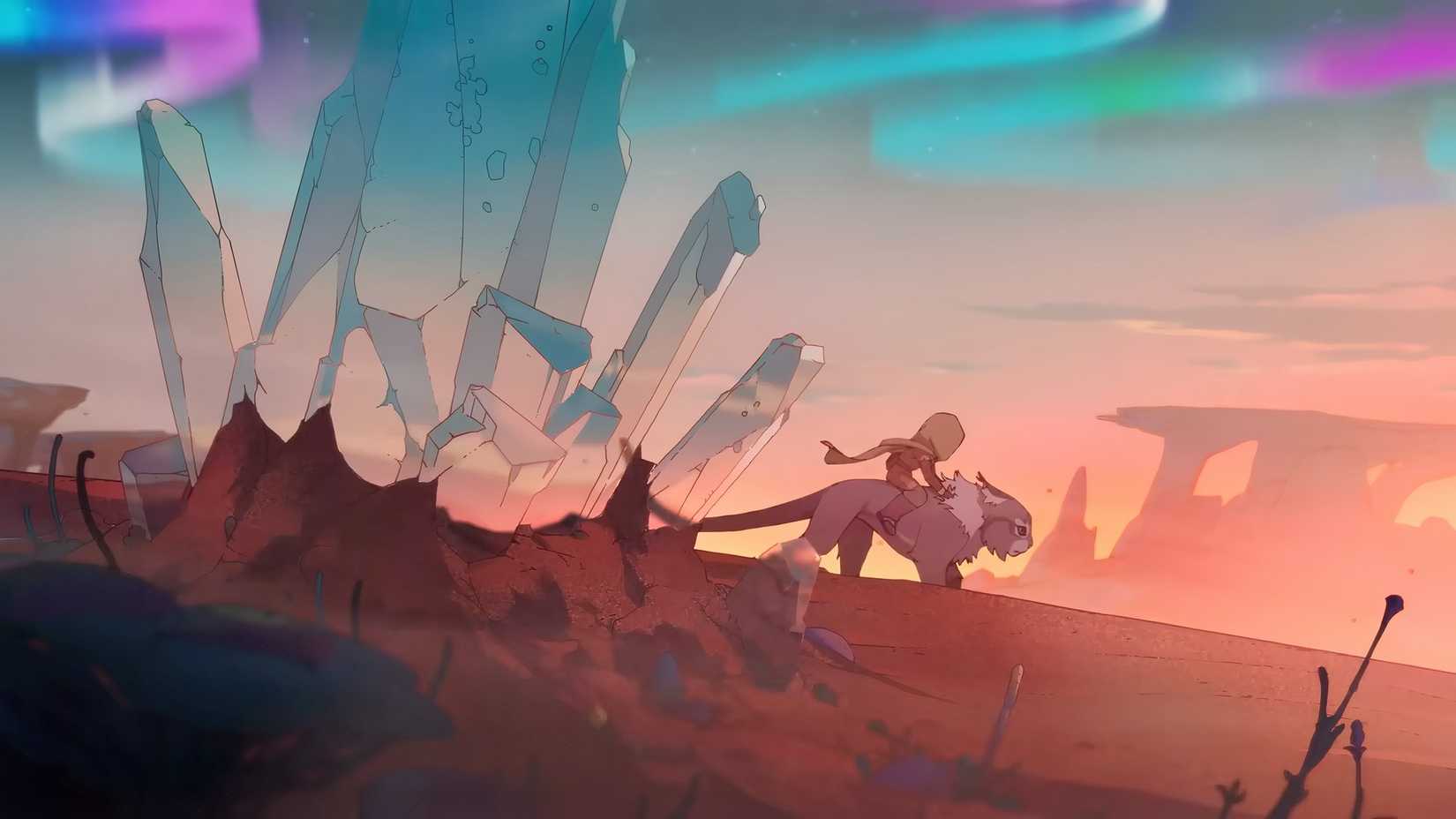
The trailers for Seven Havens suggest technology continued advancing after Korra until something went catastrophically wrong. According to official descriptions, the new series takes place in a world shattered by a devastating cataclysm, and the Seven Havens are described as civilization’s last strongholds. Whatever new machinery we see feels like the remnants of a nearly dead civilization. That feels peak cyberpunk: advanced technology surviving alongside social collapse.
In a way, this setting feels like it borrows from the best aspects of Aang and Korra’s story. Technology may have taken several steps forward, but civilization at large took several more back. The show retains the classic fantasy vibes of The Last Airbender alongside technology even more advanced than Korra’s era.
According to the official synopsis, humanity now regards the Avatar as humanity’s destroyer because of something that Korra did. Pavi is hunted by enemies from both the human and spirit worlds. Alongside her long-lost twin sister, Nisha, she has to uncover the mystery of their origins and prevent the Seven Havens from collapsing.
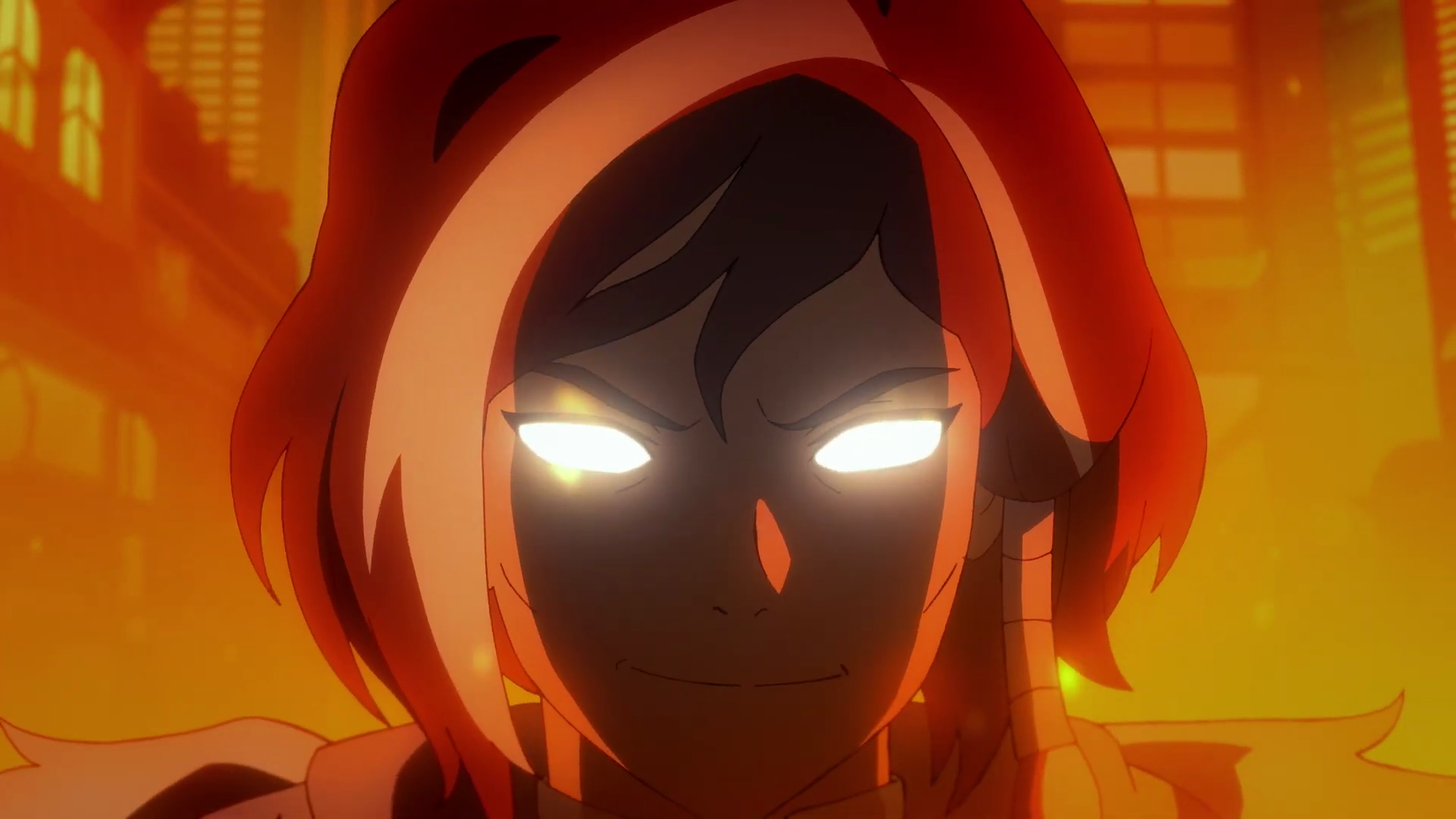
We still do not know exactly what happened to Korra, how much responsibility she actually bears for the cataclysm, or why Pavi appears more than two centuries after the end of Korra’s story. Was one of them put in some kind of stasis like Aang? That may be the most interesting aspect of Seven Havens and its genre change. The setting immediately distinguishes it from the earlier shows, but the post-apocalyptic backdrop also transforms what the Avatar represents. Aang was a lost hero returning to restore balance. Korra was an established hero trying to understand her place in a rapidly changing world. Pavi and Nisha are picking up the pieces of a society that blames their lineage for the apocalypse itself.
Just what they are able to do with it remains to be seen.
Avatar: Seven Havens premieres Oct. 9 on Paramount Plus.
Source: Polygon
Related articles
 GTA VI Rival Paradise MIA for 18 Months Following Controversy
 PS5 Pro Operated for a Year Inside a Cardboard Box in User Experiment
 Star Citizen Sees Drop in Revenue and New Player Inflow, Analyst Reports
 2K Warns Players As One of the Best Basketball Simulators Is Removed From Steam and Other Stores
 Fans Release Remaster of Canceled Borderlands Online After 11 Years
 Roman Smirnov Demonstrates Improved Destruction System in The Finals Ahead of Major Update
 Modders Convert Diablo II Resurrected into Virtual Reality First Person Game
 The 12 Best Video Game Series of the 1980s and ’90s, Ranked