
Anime voice actors fear Hollywood will draw the wrong lessons from Demon Slayer’s success

Anime’s mainstream momentum has surged in recent years — exemplified by Demon Slayer: Infinity Castle, which grossed north of $600 million worldwide and even outperformed Superman at the box office. With high-profile releases such as Chainsaw Man slated for late October and Jujutsu Kaisen arriving in December, the theatrical slate for anime has never looked stronger for fans.
Still, not everyone in the industry is celebrating. English-language voice performers worry studios and studios’ financiers will chase quick profits by casting A-list celebrities in dubbing roles, potentially sacrificing nuance and quality.
At New York Comic-Con, Polygon spoke with the English dub ensemble of Jujutsu Kaisen — Adam McArthur (Yuji), Robbie Daymond (Megumi Fushiguro), Anne Yatco (Nobara), Kaiji Tang (Gojo), and Kayleigh McKee (Yuta) — about the state of the medium and how Demon Slayer’s runaway success might shape what comes next.
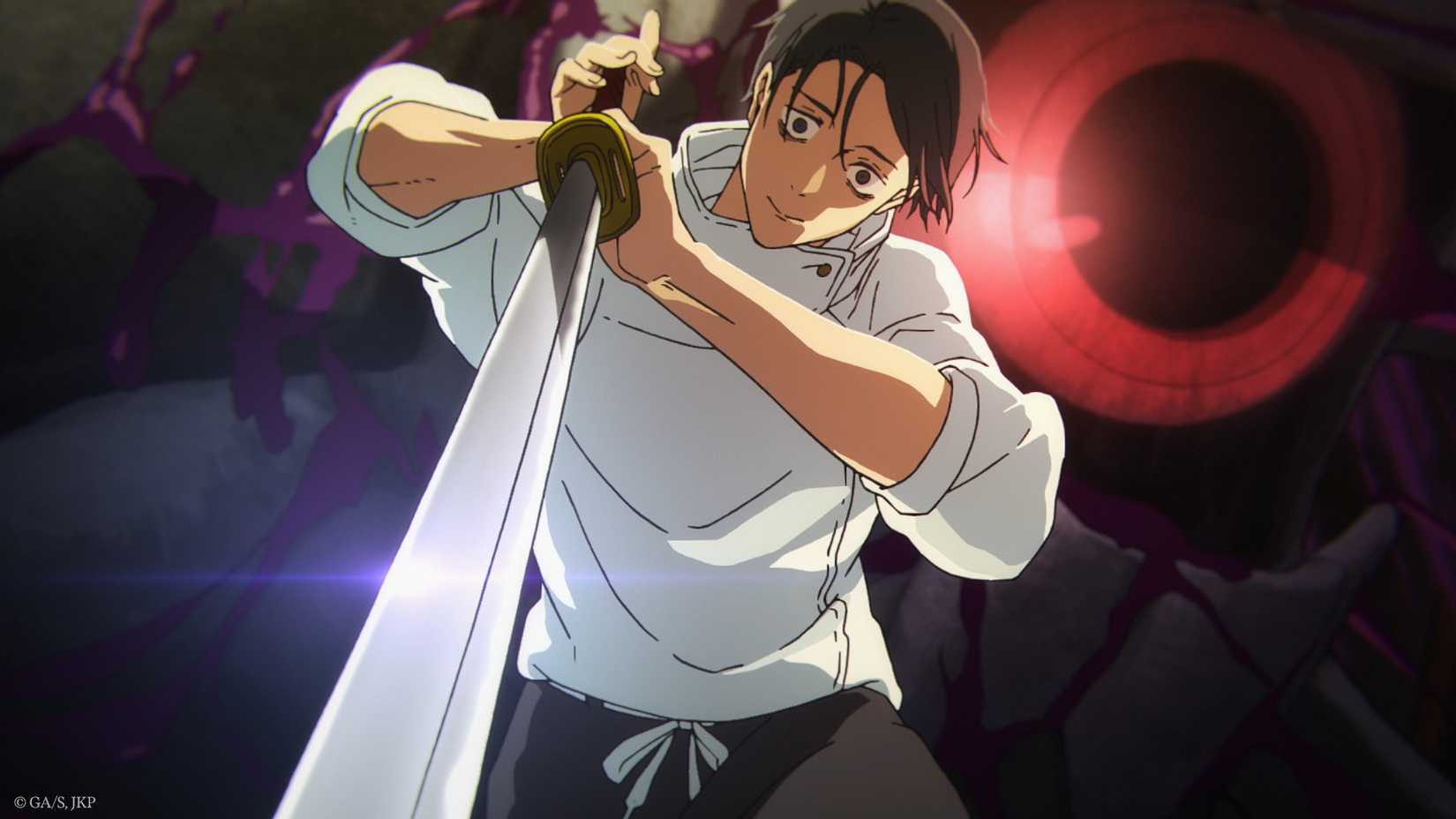
Breakout hits like Demon Slayer don’t materialize overnight. The franchise built its audience over several years — spanning 63 episodes and the theatrical success of Mugen Train — before Infinity Castle reached cinemas. The Jujutsu Kaisen cast argues there’s no substitute for that kind of long-form audience investment.
“Hollywood will try to look at this and be like, ‘Oh, man, anime films, let’s go,’ right? But I think the true formula to an anime film’s success is you really need those build up seasons,” Tang says. “You need to have followed the story for two, three, four years. To see the culmination of that story, or at least a very big part of it, on the big screen is kind of a reward for being there for all those seasons. That’s when you get the huge Demon Slayer numbers. That’s when you get all these fans hype for the movie, that’s the secret. I think if you just started releasing random anime movies, you’re not going to get the Demon Slayer numbers.”

A more immediate concern for the performers is that studios will favor celebrity casting in English dubs, marginalizing the dedicated voice actors who have long supported anime’s growth.
“I personally am honored to be the last generation of boots on the ground voice actors doing anime,” Daymond says, drawing laughter from his colleagues. “I’ll say it out: once those corpos get a hold of it, it’s just gonna be a bunch of celebs poorly dubbing anime, and hopefully they do a great job. I wish them well — that’s pure bitterness.”
McKee is similarly skeptical that mainstream success will lead to better compensation for existing talent. “They’re not gonna increase our pay,” she says. “They’re just gonna go get a celebrity.”
Tang deadpans, “Chris Pratt as Gojo?”
The conversation echoes patterns already seen in other entertainment sectors: established voice actors replaced by marquee names — for example, David Hayter being succeeded by Kiefer Sutherland in Metal Gear Solid V, or Chris Pratt taking the role of Mario in the 2023 film — a dynamic that suggests performers can be treated as interchangeable when commercial interests prevail.
“Celebrities on the right, A.I. on the left,” McKee laments, capturing the anxiety many in the profession feel about the future.
Source: Polygon
Related articles
 Kane Parsons to Return to The Backrooms
 Robert Pattinson calls ‘The Batman’ sequel ‘radical’
 A24 to release documentary on Elizabeth Holmes
 Nolan’s “Oppenheimer” Surpasses “Spider-Man” at the Box Office
 Natalie Portman Becomes a Mother for the Third Time
 Zach Cregger Will Not Direct Franchises After “Resident Evil”
 The Rolling Stones to Receive a Biopic
 “Spider-Man: Brand New Day” breaks all-time US record