Al Pacino’s Masterpiece: The 50-Year-Old Crime Thriller That Was Ahead of Its Time

Should you venture to the Brooklyn site of the bank heist depicted in Sidney Lumet’s quintessential genre-blending masterpiece, Dog Day Afternoon, you’ll discover a refined residential complex in a sought-after neighborhood. It bears little resemblance to the gritty, crumbling urban landscape captured five decades ago—though the spirit of cinema lives on nearby at the Nitehawk Cinema Prospect Park. While metropolitan skylines inevitably shift over the decades, Dog Day Afternoon itself transcends its mid-70s origins. Despite being rooted in a true story, the film feels startlingly modern rather than a mere historical relic.
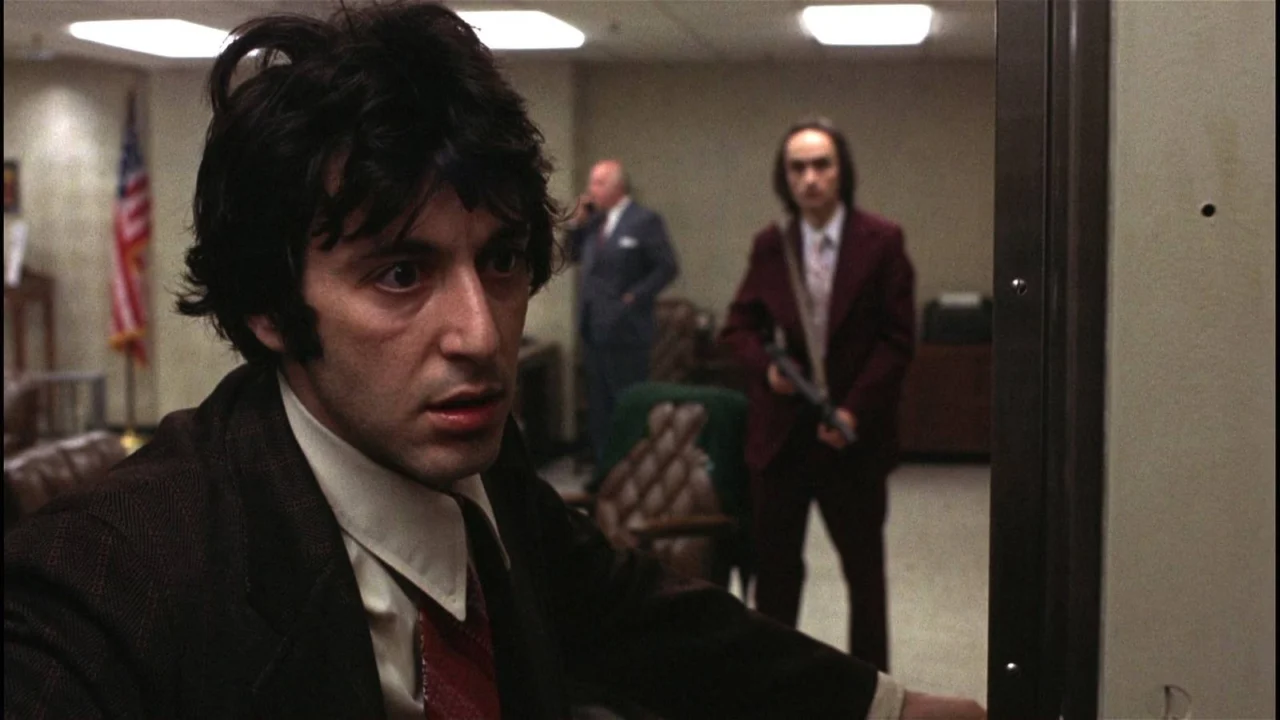
Al Pacino delivers an electric performance as Sonny, a desperate Vietnam veteran who orchestrates a Brooklyn bank robbery to fund gender-affirming surgery for his partner, Leon (Chris Sarandon). Sonny is joined by the taciturn Sal (John Cazale) and the jittery Stevie (Gary Springer). The heist begins with a touch of farce; Sonny, a former bank employee, seems to have recruited his accomplices on a whim. In one of the film’s many moments of dark levity, Stevie loses his nerve the second weapons are drawn, petulantly worrying about his commute home once Sonny forbids him from taking the getaway vehicle. This leaves Sonny trapped in a sweltering, escalating crisis: the vault is nearly empty, the authorities have been alerted, and a hostage situation is rapidly unfolding.
 Source: Warner Bros.
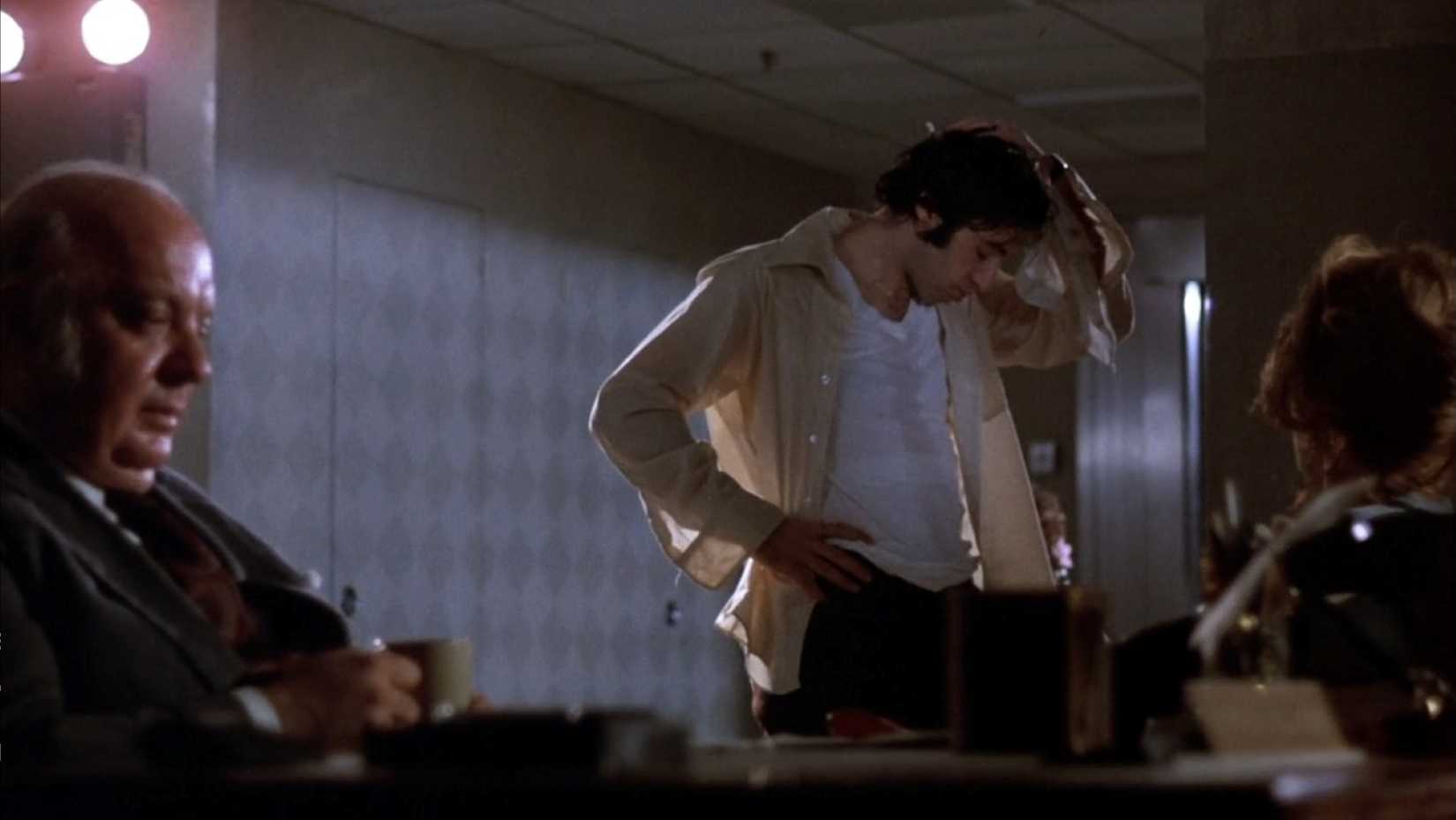
As the standoff draws a massive crowd, the film’s prophetic nature shines. Long before the era of 24-hour news cycles and social media virality, Dog Day Afternoon captured the performative essence of public tragedy. The onlookers instinctively side with the underdog, a sentiment Sonny encourages by playing to the gallery and tossing stolen cash to the masses. Even a pizza delivery man finds himself intoxicated by his fifteen minutes of fame, shouting, “I’m a star!” after a brief interaction with the news cameras. Lumet’s lens lingers on this hollow celebration, highlighting a culture already obsessed with its own reflection.
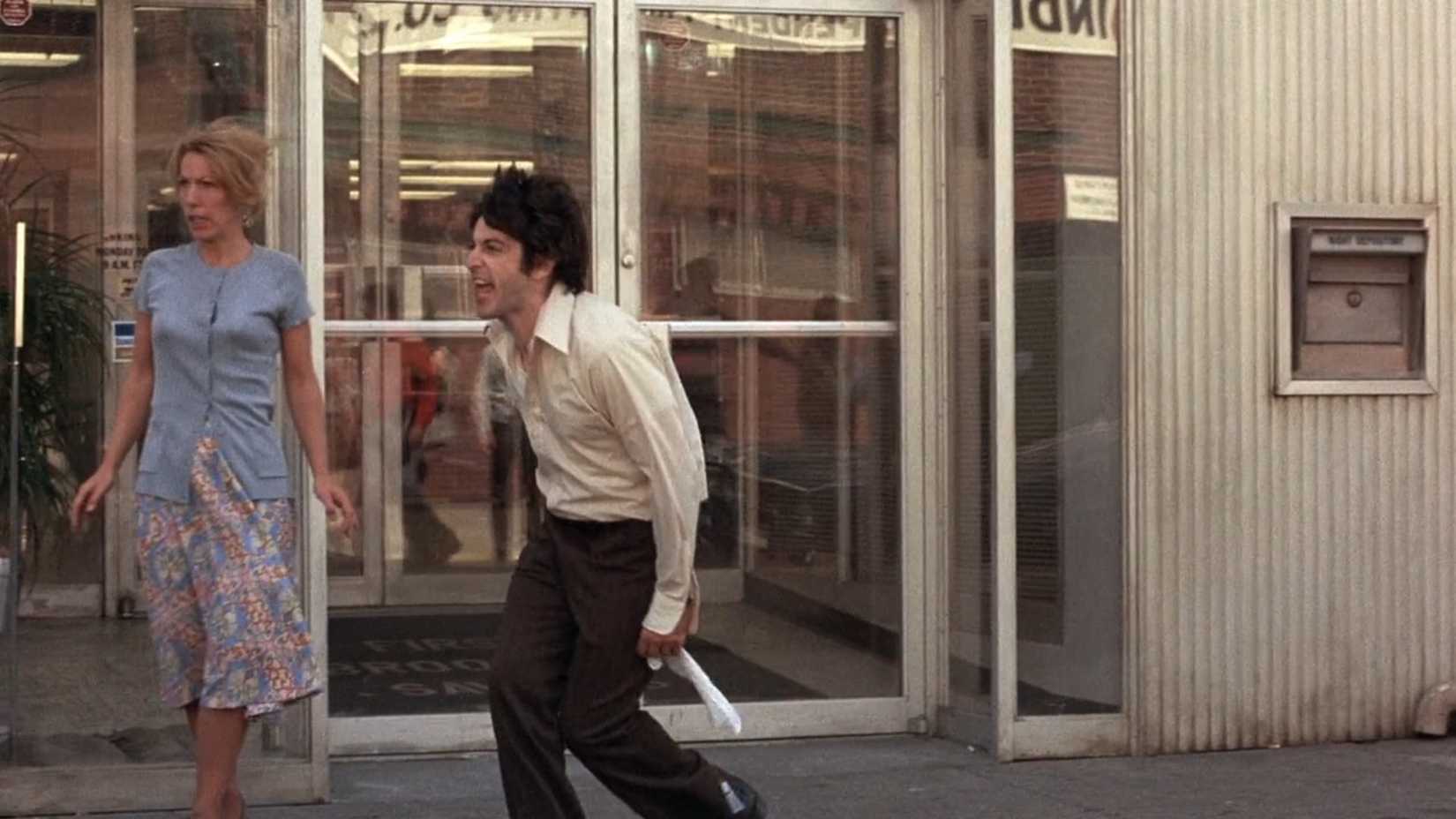
While fame is a recurring motif, it remains a byproduct of Sonny’s genuine, chaotic frustration. In the film’s most iconic moment, he incites the crowd with the chant “Attica! Attica!”—a raw reference to the 1971 prison uprising. It’s a visceral, impulsive tactic to weaponize public anti-authoritarian sentiment. Pacino’s performance is a marvel of nervous energy; he moves through the bank with a kinetic, scattered intensity, attempting to manage a situation that was doomed from the start. His grievances, voiced during a televised phone interview, regarding the scarcity of livable wages and the struggle to survive, feel as poignant today as they did in 1975.
 Source: Warner Bros.
Predictably, the crowd’s fickle adoration evaporates once Sonny’s personal life is exposed to the media. The revelation of his bisexuality and his complex domestic situation—juggling a wife, children, and a trans partner—triggers a shift from support to mockery. Lumet’s handling of Leon is remarkably ahead of its time; Leon is portrayed not as a caricature or a “motive,” but as a person drowning in her own struggles. Sonny’s tragic flaw isn’t malice, but a reckless, over-leveraged devotion to her wellbeing. He clings to the heist as a singular, albeit half-baked, solution to their collective unhappiness.
The film’s brilliance lies in its tonal dexterity. The opening act functions almost as a dark comedy of errors, grounded by Pacino’s earnestness. Yet, much like a modern social media storm that starts with jokes and ends in grim reality, the humor eventually gives way to a crushing sense of dread. The adoring crowd cannot protect him. The bond he forms with the hostages is ultimately inconsequential. And the police, despite their bureaucratic veneers of negotiation, are there only to end the standoff by any means necessary.
Lumet never cheats the audience; there are no Hollywood miracles here. Despite the laughter, the film’s visual language suggests that Sonny is a man who has already run out of road. He remains deeply sympathetic because his desperation is so palpable. At its core, Dog Day Afternoon isn’t just about a robbery; it’s a timeless American story about individuals who feel cornered by circumstance and find themselves making impossible choices because they believe they have no other options left.
Dog Day Afternoon is currently available for streaming on Max.
Source: Polygon
Related articles
 Until Dawn 2 Horror Game to Receive Physical Edition
 Tim Schafer Says Xbox Does Not Need Studios That Make Niche Games for Game Pass
 PlayStation Store Launches Gamescom Sale With Discounts Up to 75 Percent
 Riot Games and Hypixel Studios to Fund Technoblade Documentary
 Sony Adapts Pixel Adventure Game The Drifter Into Film
 Netflix Sets Avatar: The Last Airbender Season 3 for 2027 Release and Reveals Fire Lord Ozai
 FX Releases First Behind-the-Scenes Video for Season 2 of Alien: Earth
 Blade Runner 2049 Becomes HBO Max Streaming Hit