
A Sad Day for Millions of Destiny Fans
The active chapter of Destiny 2 as a live-service titan officially drew to a close on June 9 with the arrival of Monument of Triumph. This monumental update functions as both a retrospective celebration of the franchise’s storied journey and a final parting gift to the dedicated player base that anchored the experience until the very end. It provides a fitting resolution for a series that spent nearly twelve years weathering one existential tempest after another.
Spend any significant time browsing the Destiny subreddit, and you will inevitably uncover one of the community’s most enduring traditions: not raiding, hunting for exotic gear, or debating meta-balance, but rather proclaiming the death of Destiny.
Every iteration of the franchise has faced its own digital eulogy. The original Destiny launched to a chorus of mixed reception; Destiny 2’s inaugural year pushed away a significant portion of its audience; and expansions like Shadowkeep and Lightfall sparked waves of despondency regarding the game’s longevity. Countless rivals were touted as “Destiny killers”—from Anthem and The Division to Marvel’s Avengers—yet these pretenders have largely vanished into obscurity. It is poetic, then, that while Destiny was occasionally eclipsed by the sheer volume of hype surrounding new releases, the Guardian’s Ghost was always there to offer a resurrection. Destiny simply refused to stay down.
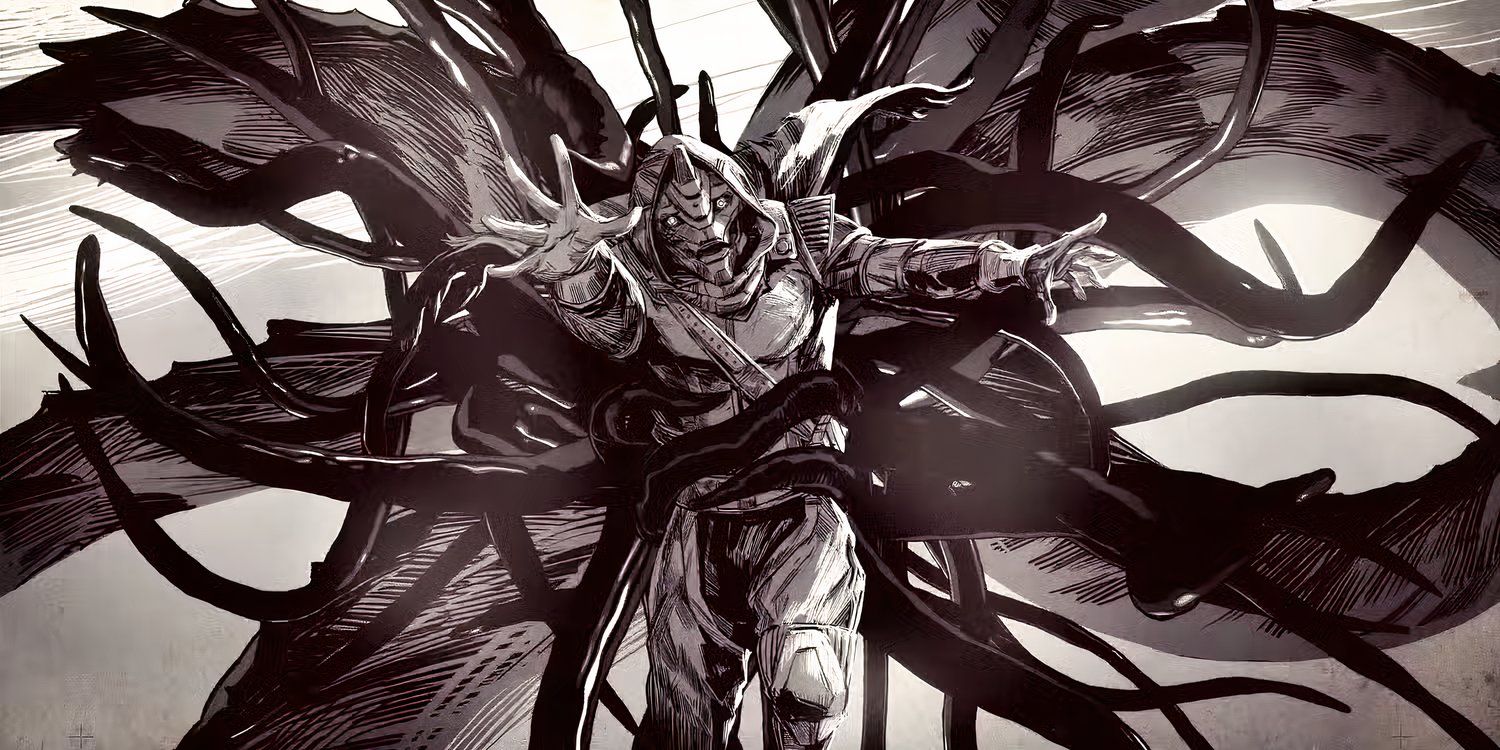
The player base’s connection to the game has always been complex and deeply layered. A glance at the most viral subreddit discussions from the past year reveals a stark divide in sentiment. Last September, following the tepid reception of the Edge of Fate expansion, one player famously urged in a post, “If you truly loved this game, stop playing it.” Yet, following the announcement of the final update, the discourse shifted toward an outpouring of gratitude for the development team’s perseverance. “The devs fought an uphill battle because they were just like us,” read one popular tribute. “Deeply invested and captivated by the world we inhabit.”
This inherent contradiction essentially defines the Destiny experience.
For over a decade, playing Destiny was synonymous with debating Destiny. The cycle of complaints regarding content droughts, the exhilaration of new raids, the frustration with monetization, and the inevitable return for a new exotic weapon created a vibrant ecosystem. The game fostered a vast infrastructure of YouTubers, inventory managers, and lore scholars. Destiny transcended being merely a game; it became a cornerstone around which many players built their social lives and leisure time.
I know this because I am one of them.
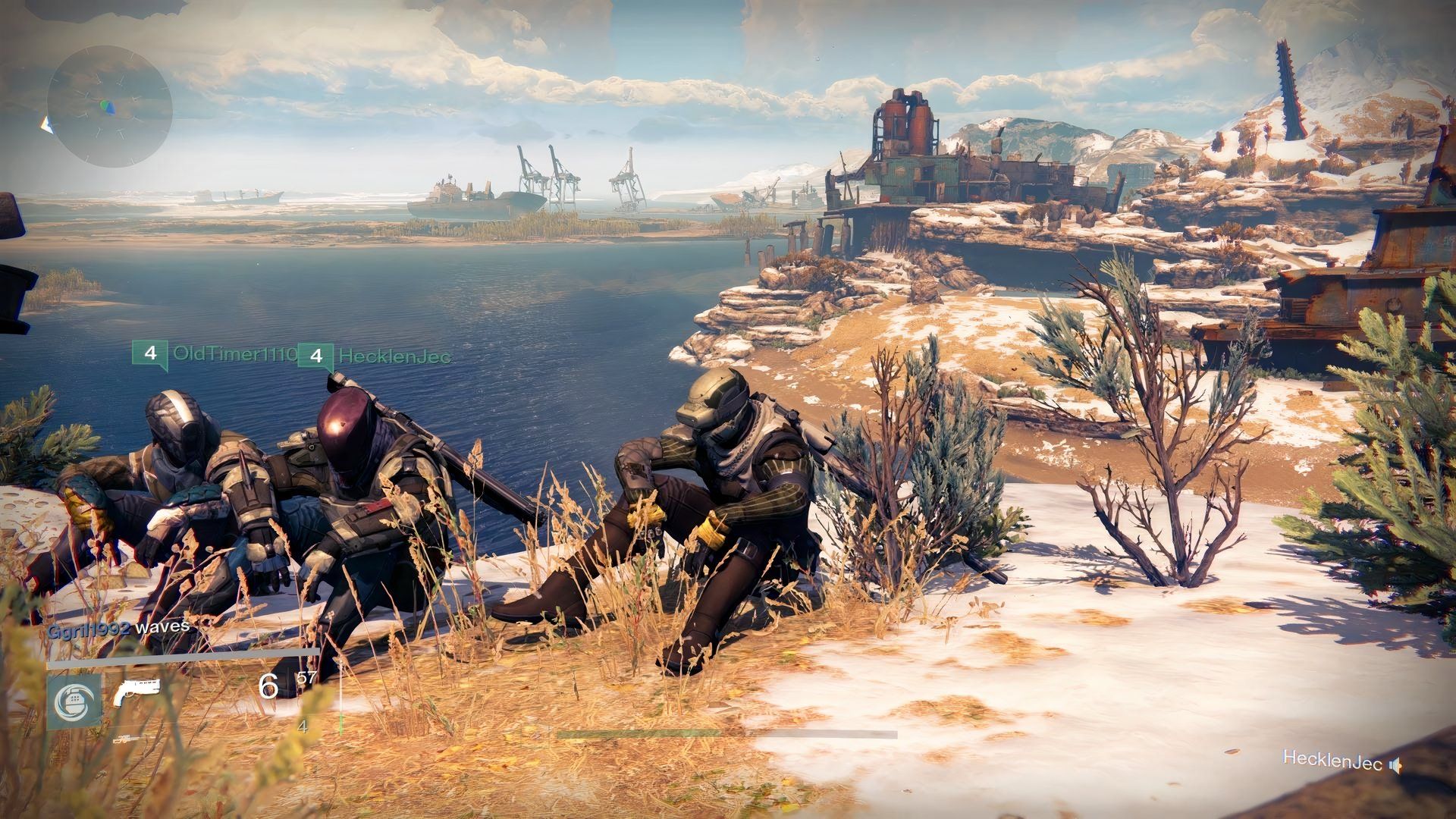
I purchased a PlayStation 4 in 2014 specifically for this series. Over twelve years and thousands of hours, my engagement came in tides: total immersion during a new expansion followed by a hiatus, only to be drawn back by the siren call of a fresh season. From the frantic days of the original “loot cave” to the triumphant screams over a successful raid clear, Destiny became the clock by which I measured my weeks. While most games fit into your life, Destiny demanded that your life fit around it.
Bungie didn’t invent the live-service model, but they pioneered the transition of the console experience into a “forever game”—a digital “third place” that evolved alongside its community. By the time Sony acquired Bungie for $3.6 billion in 2022, they were chasing a trend that Destiny had arguably already outpaced. The narrative arc of Destiny 2 mirrors that of the Marvel Cinematic Universe; once the saga concluded with The Final Shape, the subsequent content struggled to recapture that same magic. Had the series concluded there, the conversation today might look very different.
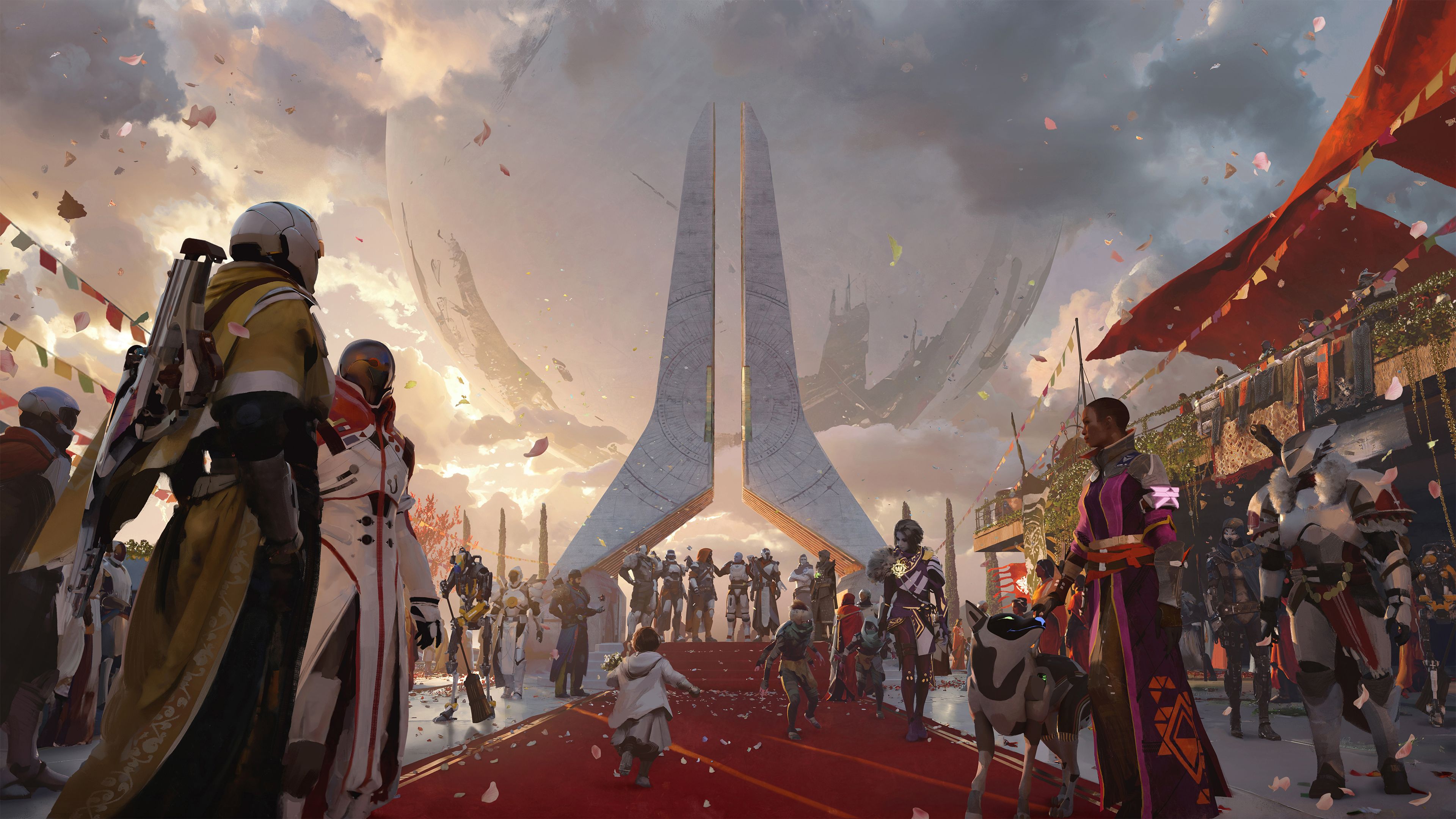
As the final update settles in, the mood isn’t one of failure, but of a quiet reunion. Data from Popularity Report shows a surge in daily active users, climbing from 182,000 to over 421,000 by June 9. A Change.org petition for a sequel has amassed over 366,000 signatures, proving that the fire is far from extinguished.
For a game that spent years being told it was dying, the current atmosphere is surprisingly tender. Perhaps it’s because Destiny survived long enough to become something more than just code. It grew up alongside us—through careers, marriages, and milestones. Through it all, the game remained a constant, waiting for us to return and make our own fate.
Monument of Triumph is the final curtain on the live-service era of Destiny 2, but it also highlights the rarity of what Bungie achieved. Few titles possess the cultural staying power to remain relevant for a decade, let alone inspire this level of profound nostalgia. For years, we joked that Destiny was dying. Now that the end is truly here, it’s hard not to feel a profound sense of loss.
Source: Polygon
Related articles
 Games Workshop Reveals New House Orlock Miniatures and Necromunda Supplement
 Marvel’s Wolverine Surges in European Sales
 PlayStation 5 Emulator Runs Nintendo Switch Games in Early Tests
 Fortnite’s Official Halloween Event Overflows With Horror Franchises
 Avengers Endgame Writer Reveals Alternate Fate for Black Widow
 The Witcher 3’s Next Big Expansion Reveals First Look at Its World
 Sony Develops AI Accessibility Feature for Controller Input
 Release Date Officially Announced for the Next Monster Hunter Game