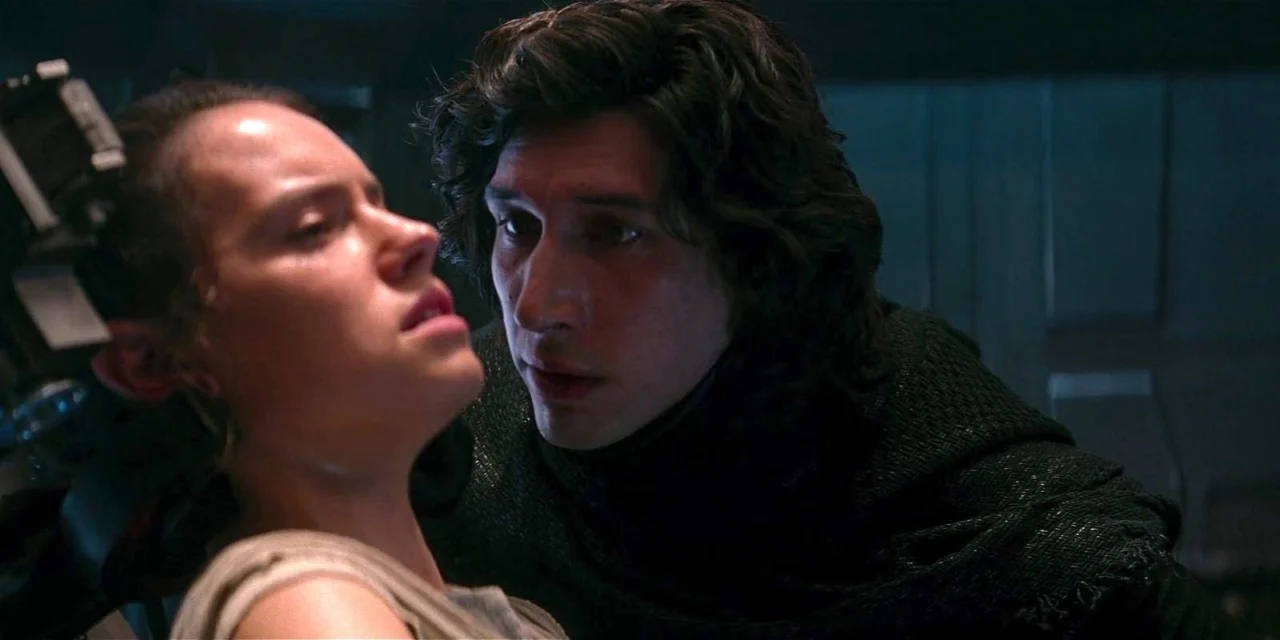
A Decade Ago, a Great Star Wars Film Set a Terrible Hollywood Trend

While I maintain a genuine affinity for Star Wars: Episode VII – The Force Awakens, the film is largely remembered today as the genesis of a trilogy that fractured the franchise’s cultural standing. Yet, if audiences examined their grievances with more nuance, they might find that the film’s true “sin” was pioneering a tiresome Hollywood obsession: the legacy sequel.
The concept of the legacy sequel certainly predates The Force Awakens, which premiered a decade ago in late 2015. For instance, Rocky Balboa successfully resuscitated its series in 2006, and Creed perfected the formula just weeks before Disney’s first Star Wars outing. However, these instances were outliers until Lucasfilm established the definitive architectural framework for reviving dormant, high-value intellectual properties. Since then, this genre has consumed an oversized portion of the theatrical slate. For every triumphant execution, such as Top Gun: Maverick or the Cobra Kai expansion, we are met with the diminishing returns of Ghostbusters: Afterlife, The Matrix Resurrections, or the looming Tron: Ares. Each follows the template popularized by J.J. Abrams: introduce a cast of newcomers for the veterans to mentor, while recycling the locations, imagery, and narrative beats of the original classics.
Taking place decades after the events of Return of the Jedi, The Force Awakens replicates the milestones of the original trilogy for a modern audience. We see a desert-dwelling orphan (Daisy Ridley’s Rey) discover her Force sensitivity, a ragtag resistance opposing a fascist regime (the First Order), and a planet-sized superweapon threatening total annihilation. By weaving in icons like Han Solo (Harrison Ford), Leia Organa (Carrie Fisher), and Luke Skywalker (Mark Hamill), Abrams utilizes nostalgia as narrative scaffolding. In this framework, the new protagonists are framed as the heirs to both the triumphs and the unresolved failures of the past, turning “legacy” into the literal engine of the story.
 Image: Lucasfilm
This same pattern is evident in Ghostbusters: Afterlife, where a younger cast discovers blood ties to the original team, unearths the old equipment, and engages in a rematch against the same ancient entity from 1984. Similar to the Star Wars veterans, the original Ghostbusters are positioned as mythological figures whose previous victories were merely temporary. By literalizing legacy through ancestry and mentorship, these films use nostalgia as a gateway, ultimately suggesting that heroism is defined by inheriting the tools, the errors, and the responsibilities of those who came before.
This approach has become the standard operating procedure for numerous franchise revivals: Jurassic World: Dominion, Independence Day: Resurgence, Indiana Jones and the Dial of Destiny, Scream (2022), and Halloween (2018). While some of these entries—like the 2018 Halloween—are genuinely compelling, the collective trend has grown stale by 2025. Tron: Ares failed to find an audience this year, Happy Gilmore 2 missed the mark entirely, and the release of Jurassic World: Rebirth felt almost invisible. Even Karate Kid: Legends struggled to match the specific legacy of its streaming predecessor.
The Force Awakens may have successfully breathed new life into the Star Wars universe, but it also solidified a legacy-sequel playbook that is increasingly hit-or-miss. Particularly in the realms of science fiction and adventure, the reliance on nostalgia frequently stifles momentum, leaving audiences with familiar echoes that lack the creative spark of the originals.
Source: Polygon
Related articles
 Tim Schafer Says Xbox Does Not Need Studios That Make Niche Games for Game Pass
 PlayStation Store Launches Gamescom Sale With Discounts Up to 75 Percent
 Riot Games and Hypixel Studios to Fund Technoblade Documentary
 Sony Adapts Pixel Adventure Game The Drifter Into Film
 Netflix Sets Avatar: The Last Airbender Season 3 for 2027 Release and Reveals Fire Lord Ozai
 FX Releases First Behind-the-Scenes Video for Season 2 of Alien: Earth
 Blade Runner 2049 Becomes HBO Max Streaming Hit
 CDPR Reveals Number of Developers Working on The Witcher 3 Expansion