5 Near-Perfect PS2 Games Nobody Played
Few interactive entertainment systems boast a software catalog as vast and influential as the PlayStation 2. Sony’s powerhouse was an unprecedented commercial triumph during the early 2000s, prompting virtually every major studio to secure a foothold on the platform. Ultimately exceeding 4,000 distinct releases—nearly half of which remained exclusive to the hardware—the console sustained an astonishing volume of software for its era.
While this massive library yielded legendary masterworks, it also birthed an even richer collection of cult classics. Numerous titles have slipped through the cracks over the past two decades, evolving into coveted, underrated treasures that seasoned retro enthusiasts relentlessly pursue. To sample these overlooked masterpieces, consider these five underappreciated PS2 adventures that demonstrate the console’s extraordinary depth far beyond its mainstream blockbusters.
5
Shadow of Destiny
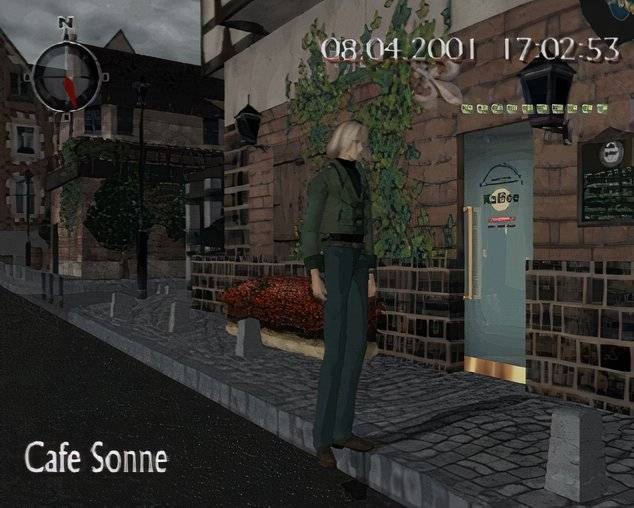 Image: Konami
Konami’s Shadow of Destiny represents precisely the kind of eccentric acquisition dedicated hardware collectors chase. This intricate temporal puzzle tasks players with cheating mortality by manipulating historical timelines. Success hinges entirely on triggering improbable butterfly effects—such as convincing a past citizen not to plant a sapling, thereby denying a contemporary assassin a vantage point. It is wonderfully bizarre in the most charming way imaginable, complete with legendary Mario voice actor Charles Martinet portraying an unsettling, otherworldly homunculus.
4
Baroque
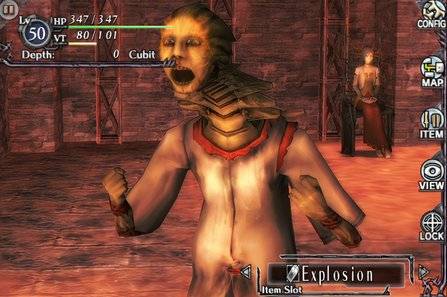 Image: Sting Entertainment
While Atlus enjoys widespread renown today for the Persona and Shin Megami Tensei franchises, the publisher historically championed wonderfully idiosyncratic projects. Consider Baroque, developed by Sting Entertainment. Originally debuting on the Sega Saturn before receiving a 2007 PS2 adaptation, this moody dungeon crawler is steeped in dense religious symbolism and dystopian ecological dread. Armed with an Angelic Rifle, players must navigate the procedurally generated tiers of the foreboding Neuro Tower. It remains a deeply atmospheric role-playing experience long overdue for modern critical re-evaluation.
3
Kinetica
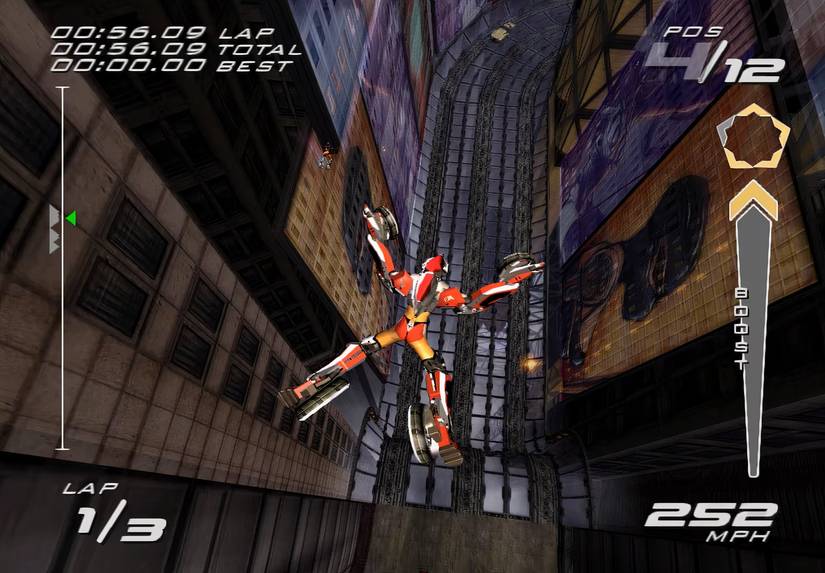 Image: Santa Monica Studio/Sony Computer Entertainment
Long before engineering the visceral brutality of God of War, Santa Monica Studio cut its teeth developing high-octane racing software. Kinetica functions as a futuristic sci-fi racer where competitors effectively pilot mechanized human suits functioning as motorcycles. Acting as Sony’s distinctive answer to Nintendo’s F-Zero, the title emphasizes breakneck velocity and kinetic adrenaline. Though it failed to capture mainstream attention upon release in 2001, Kinetica has aged remarkably well, showcasing a striking sense of style that enriches a celebrated studio’s heritage.

Free sign-up
Get Polygon’s Wishlister newsletter
A curated weekly overview of tomorrow’s favorite interactive experiences. No purchases or commitments required—just bookmark for the future.
Free. Unsubscribe anytime.
2
Breath of Fire: Dragon Quarter
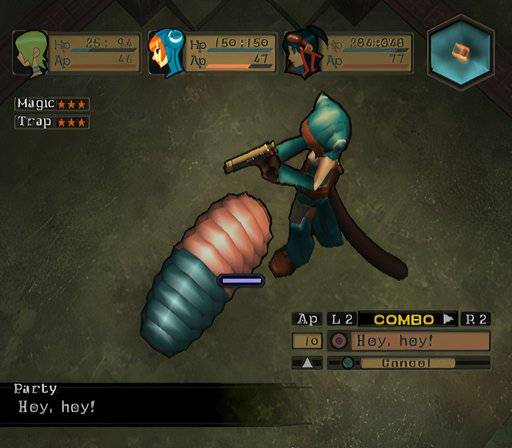 Image: Capcom
Capcom’s venerable Breath of Fire franchise initially established itself as traditional genre fare, running stride-for-stride with foundational series like Final Fantasy and Dragon Quest. That paradigm shifted dramatically in 2002 with Breath of Fire: Dragon Quarter, an audacious pivot that initially proved controversial among dedicated fans. Liberated from contemporary friction, Dragon Quarter now endures as a brilliantly inventive re-imagining that seamlessly blended turn-based strategy with real-time tactical engagements. Should Capcom seek another classic property to resurrect following Onimusha: Way of the Sword, this masterpiece makes an exceptional candidate.
1
Psi-Ops: The Mindgate Conspiracy
 Image: Midway
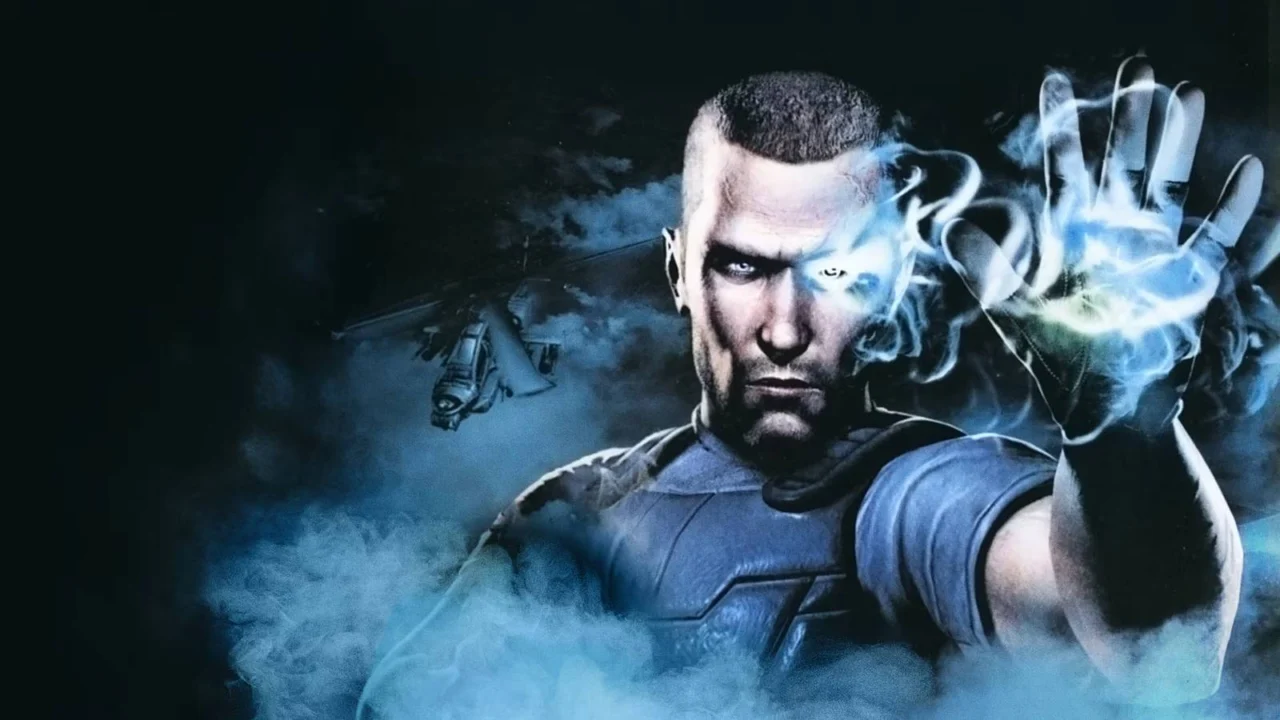
Psi-Ops: The Mindgate Conspiracy stands as a definitive example of visionary game design ahead of its generational window. Midway’s third-person thriller casts players as a clandestine psychic operative deployed to dismantle a radical extremist cell utilizing advanced telekinetic faculties. One could readily argue that this title paved the creative pathway for Remedy’s Control fifteen years later through its sophisticated mechanics involving levitation and psychokinesis. Despite garnering critical acclaim alongside modest commercial returns upon arrival, the game is thankfully accessible to contemporary audiences via recent hardware reissues.
Related articles
 Uncharted 2 Turns 17 as Players Recall Naughty Dog’s Acclaimed Sequel
 House of the Dragon Star Reveals When Final Season Filming Begins
 Vision and Ultron Return as Vision Quest Premieres on Disney+
 Clayface Stuns Critics With Its Brutality
 Rockstar Co-Founder Says GTA III Cover Art Was Created Two Days Before Release
 Battlefield 6 Developers Sell Class Progress and Ranks in New Edition
 Does Street Fighter Have a Post-Credits Scene
 Modders Add Seamless Co-op and Multiplayer to Bloodborne on PC