
3 Underrated Pokémon Games That Deserved Better
Ever since Pokémon GO briefly united the planet in a shared pursuit of digital creatures, the franchise’s status as a cultural titan has been undisputed. Pikachu’s global recognition now rivals that of Mickey Mouse, and the secondary market for vintage cards continues to generate mainstream headlines. While even the most obscure mainline entries comfortably move millions of units, the ecosystem of fan-made projects and spin-offs remains equally vibrant.
Yet, beneath this layer of ubiquitous success lies a collection of titles that never quite received their flowers. These aren’t the cult classics like Pokémon Conquest or the Mystery Dungeon series—which have already earned their dedicated followings—but rather the projects that were overshadowed by hardware transitions, experimental services, or the sheer gravity of the core RPGs. We are digging deeper into the franchise’s history to highlight the gems that deserved a legacy beyond their initial release.
Some of these may be familiar to the long-time trainers among us. However, before you rush to the comments to provide a “well, actually,” let’s view these selections as a curated list for the connoisseur—the Pokémon games that offered something truly unique, even if the world wasn’t quite ready for them.
My Pokémon Ranch
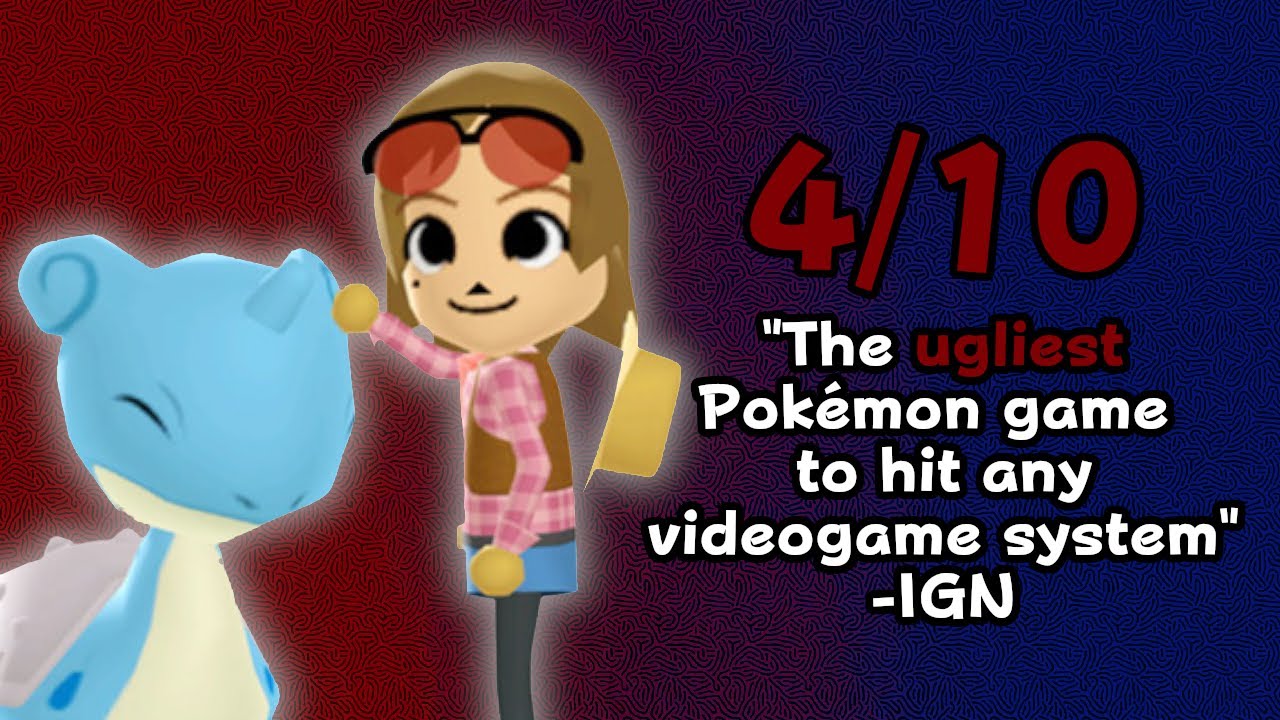
The vast majority of the series prioritizes the heat of battle, often neglecting the domestic reality of coexisting with these magical creatures. While modern titles have introduced “Camping” or “Amie” features to simulate bonding, we have yet to see a definitive Pokémon life-simulator in the vein of The Sims or Nintendogs.
Released in 2008 for the Nintendo Wii, My Pokémon Ranch was primarily intended as a precursor to Pokémon Home—a digital storage locker for your collection. At the time, critics dismissed it as visually primitive or mechanically thin. However, looking back, Ranch was perhaps the closest the franchise ever got to a true “slice-of-life” experience. It transformed your Mii and your Pokémon into bobble-headed avatars that simply… existed together.
The charm lay in the observation of mundane interactions. Away from the pressure of competitive skirmishes, players could watch their monsters play, sleep, and socialize. In a different timeline, Ranch could have evolved into a robust pastoral simulation. Instead, it was replaced by subscription-based storage apps. Interestingly, the game’s depth was greater than many realized; to this day, a dedicated Twitch community runs the game 24/7, with long-term players claiming that even after nearly twenty years, the game’s procedural interactions still offer surprises. It was a “cozy game” before the genre had a name.
Pokémon Duel

Long before the current mobile boom, Pokémon Duel (2016) attempted to translate the tabletop board game experience into a digital format. It featured high-quality digital figurines and a surprisingly complex tactical layer. Unfortunately, it also arrived during the “Wild West” era of mobile monetization, burdened by aggressive gacha mechanics and a grueling grind for new pieces.
These economic flaws obscured a genuinely brilliant strategy game. To this day, the Duel community laments the loss of its servers. It featured a soundtrack that punched well above its weight class and a depth of play that some argue surpasses modern successes like TCG Pocket. Had it launched today with more refined server stability and a fairer progression system, it might have been a cornerstone of the franchise’s mobile portfolio. Instead, its unique board-based movement remains a fascinating footnote in history.
Pokémon: Magikarp Jump

It is rare for The Pokémon Company to lean into absurdist humor, but Magikarp Jump (2017) was a delightful exception. The game fully embraced the “shitpost” potential of the world’s most useless fish, tasking players with breeding generations of Magikarp—not for battle, but for high-altitude flopping competitions.
The genius of Magikarp Jump resided in its writing and its willingness to be ruthless. Your prized fish could be snatched by a Pidgeotto at any moment, forcing you to start anew with a fresh catch. It also experimented with visual variety in a way the mainline games rarely do, offering dozens of unique patterns and colorations for its titular Pokémon.
While the mechanical depth was intentionally shallow—governed by the usual mobile “wait-to-play” timers—it captured the specific subculture of Pokémon fandom better than almost any other spin-off. It proved that the franchise can thrive when it stops taking itself seriously and starts poking fun at its own internal logic.
With a history spanning three decades, there are bound to be personal favorites that didn’t make this list. Whether you are a defender of the motion-controlled Pokémon Ranger, the high-stakes Pokémon Pinball, or the sleep-tracking utility of Pokémon Sleep, every spin-off has its champions. The franchise’s strength lies in its ability to reinvent itself across different genres—even if some of those experiments are left behind in the tall grass.
Source: Polygon
Related articles
 Need for Speed Carbon Reaches Android as Experimental Fan-Made Port
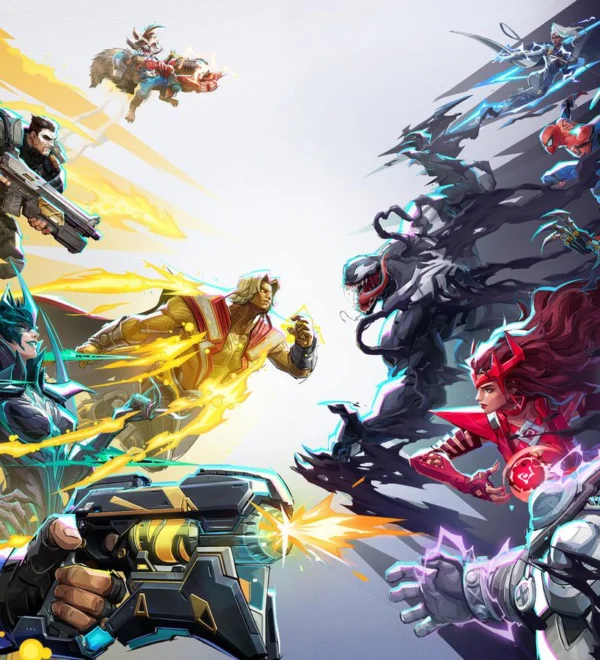 Marvel Rivals Developing Large-Scale PvE Battle Pitting 50 Heroes Against Thanos and His Army
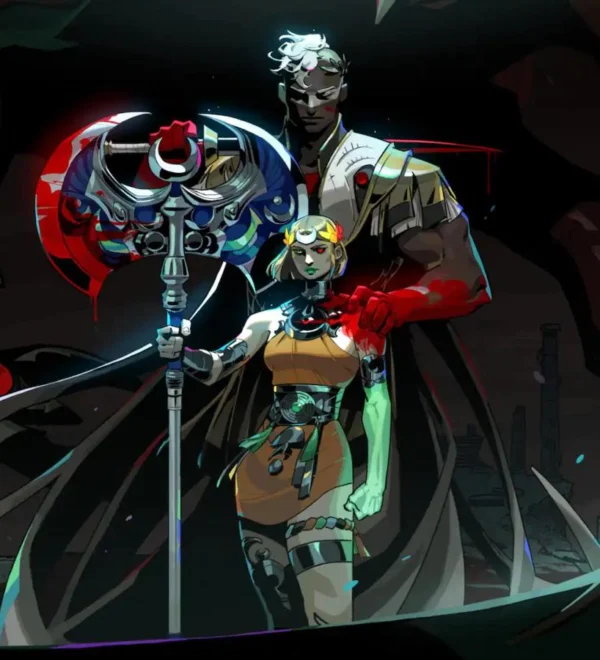 Fan-Made Hades II Port for Android Released, Based on macOS Version
 CD Projekt RED Reveals When Edgerunners 2 Takes Place, Says It Is Not a Cyberpunk 2077 Prequel
 “Narnia: The Magician’s Nephew” Trailer Gets 481.3 Million Views in First Week, WaveMetrix Data Shows, and Film Website Briefly Crashes
 Timothée Chalamet and Hans Zimmer Record Joint Track for “Dune: Part Three,” Now Available to Stream
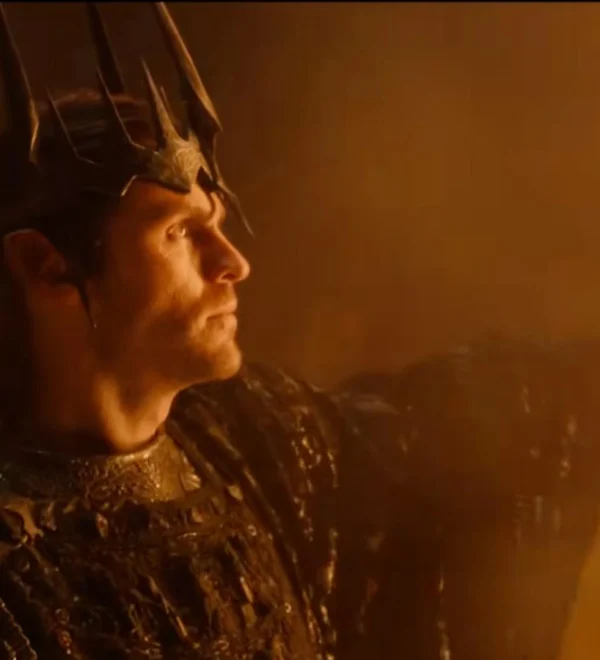 Prime Video Releases Gandalf, Galadriel and Balrog Posters for The Rings of Power Season 3 Ahead of Trailer Premiere
 GTA VI Release Could Cost the Economy $1 Billion, Analyst Estimates