10 Essential Sci-Fi Books You Can Finish in a Weekend
Science fiction translates the vast expanse of the cosmos into deeply intimate reflections. It forces us to confront the core of human identity, the moral horizons of our technology, and the trembling precipice of the unknown. For generations, visionary writers have forged mirror-worlds from our deepest ambitions and anxieties, whether soaring toward distant star-systems or exposing the unsettling realities just around tomorrow’s corner.
Yet the genre’s truest brilliance requires no sprawling, thousand-page epic. Some of its most enduring stories are fairly short, packing entire galaxies of thought into swift novellas and afternoon tales. From H. G. Wells’ foundational timey-wimey escapades to modern reckonings with artificial intelligence and first contact, such masterworks prove that eternity can fit comfortably within a single sitting bound within just a few hundred pages or less.
Whether you are seeking a nostalgic return to the classics or a jolt of fresh wonder, these 10 short sci-fi books offer the ultimate weekend escape. Each delivers a singular shock of imagination, promising a brief journey whose echoes will linger long after the final page.
1 Fahrenheit 451 (1953) by Ray Bradbury

In Ray Bradbury’s groundbreaking Fahrenheit 451, books aren’t merely discouraged; they’re outlawed, and firemen are tasked with burning them with little thought. Guy Montag is one such fireman, accustomed to destroying forbidden literature until a series of encounters forces him to reconsider the dystopian society he serves. His quiet world explodes when a free-spirited neighbor and a fugitive underground community open his eyes to the priceless power of the written word, setting him on a perilous path of defiance.
Bradbury’s dark future world is often discussed as a warning about censorship, but its vision extends beyond government repression to focus on a culture that willingly abandons difficult ideas in favor of distraction and instant gratification, something eerily reminiscent of our modern times. At fewer than 200 pages in many editions, Fahrenheit 451 is an essential weekend read, combining an accessible narrative with questions that continue to resonate today.
2 The Time Machine (1895) by H. G. Wells
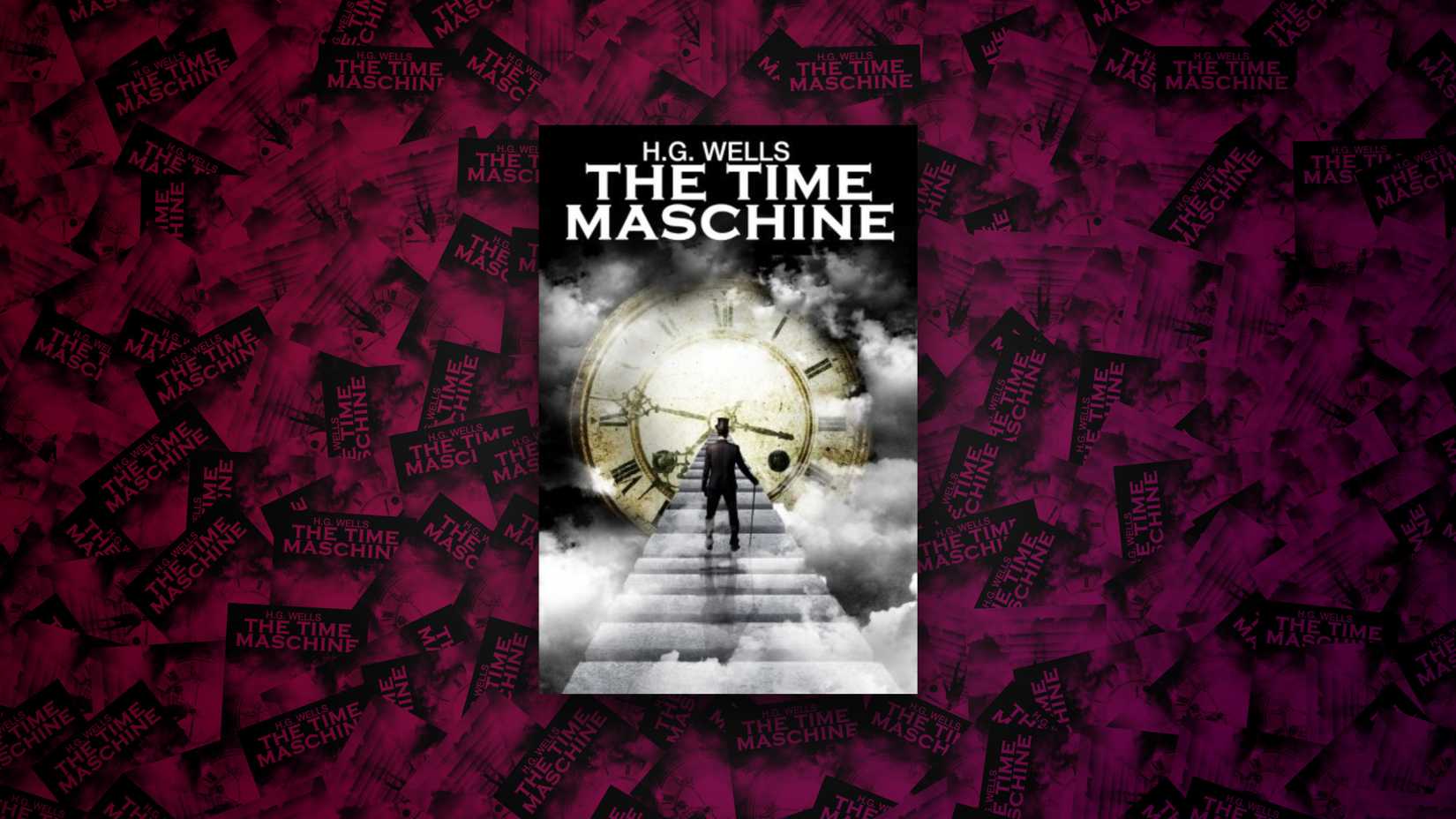
Time travel has become such a familiar science fiction concept that it’s easy to forget how revolutionary it once was. Long before Back to the Future and Tenet, H. G. Wells practically forged the temporal compass with his The Time Machine, launching an intrepid inventor millennia into the future to discover the ethereal, surface-dwelling Eloi and the predatory Morlocks. What begins as a gilded vision of humanity’s peaceful evolution swiftly unravels into a terrifying parable of class stratification, labor exploitation, and the catastrophic end-state of social division.
Wells transforms the distant future into a haunting mirror for his own Victorian era, creating this speculative crucible where society’s darkest impulses are made physical. Clocking in at under 100 pages, this 1895 foundational text does demand a little patience with its ornate Victorian prose. However, its breathtaking central conflict, which set the template for generations of time-travel fiction, makes every page worth the effort.
3 The Hitchhiker’s Guide to the Galaxy (1979) by Douglas Adams
The end of the world arrives with remarkably little ceremony in Douglas Adams’ The Hitchhiker’s Guide to the Galaxy. Arthur Dent is having an ordinary day when he discovers that Earth is about to be demolished to make way for an interstellar bypass. Rescued by his friend Ford Prefect, an undercover alien field researcher for the eponymous guide, Arthur is hurled into a cosmic circus shaped by lethal Vogon poetry, a depressed robot named Marvin, pan-galactic gargle blasters, and the mathematical absurdity of the Infinite Improbabilities Drive.
The novel remains a landmark of comic science fiction, with Adams poking fun at everything from government inefficiency to humanity’s desire to find meaning in an indifferent cosmos. It’s longer than some other entries on this list, reaching over 200 pages depending on the edition, but its episodic structure and rapid-fire jokes make it an easy book to devour over a short weekend. Just remember to bring a towel.
4 The Test (2019) by Sylvain Neuvel
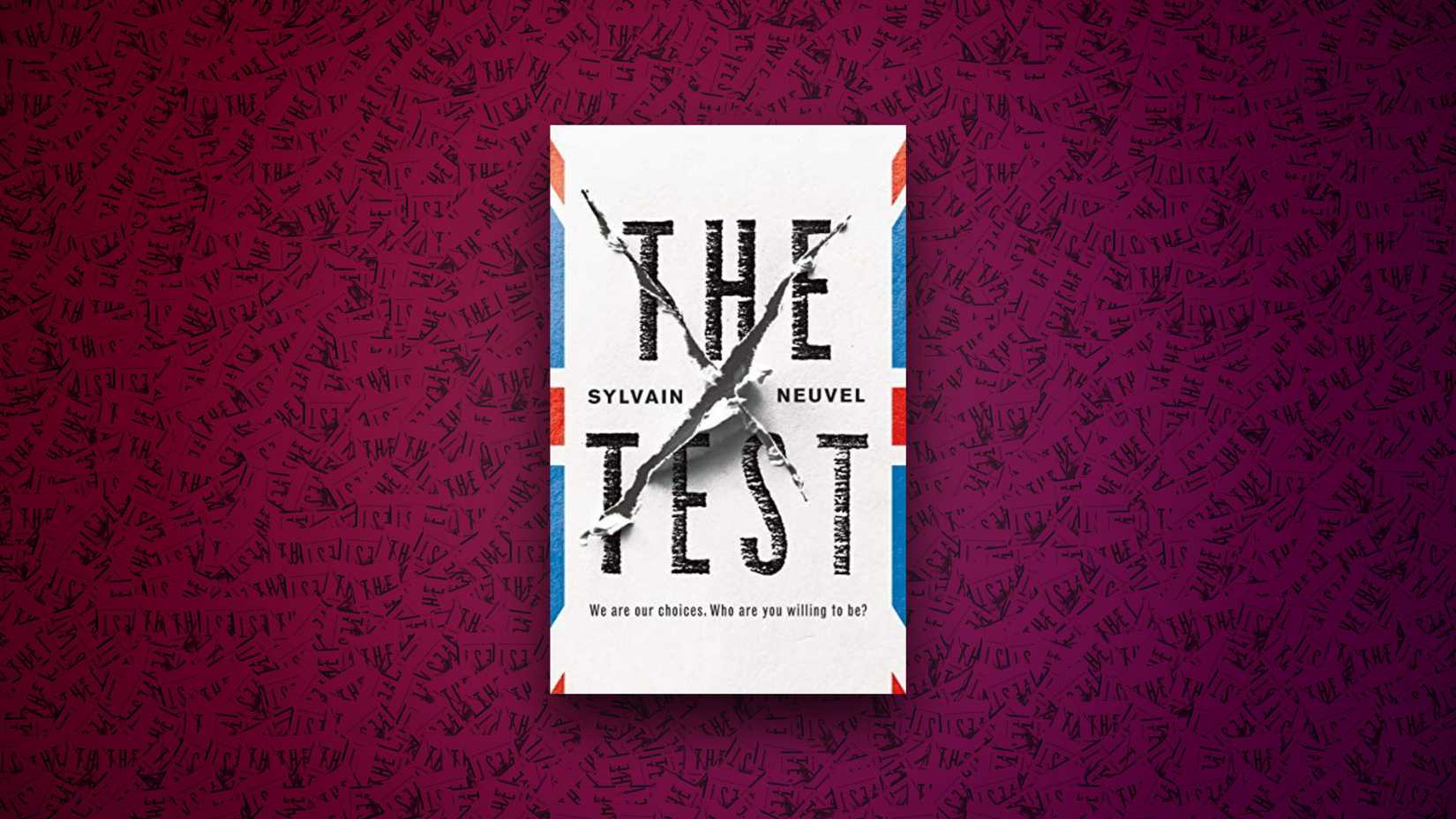
What if a routine citizenship test became a matter of life and death? Sylvain Neuvel’s The Test asks this very question by dropping us straight into the anxious shoes of Idir, an Iranian immigrant in Britain taking what should be a straightforward civic evaluation. But the standard interview rapidly metastasizes into a high-stakes experiment, trapping Idir in a gauntlet of agonizing moral dilemmas where every choice exacts a brutal toll.
Neuvel uses the near-future landscape to dissect the cold machinery of state surveillance and ingrained prejudice, highlighting the cruelty of deciding who gets to belong in a particular society. Racing forward at a heart-pounding thriller pace, the story constantly pulls the rug out from beneath you, evolving into something far more intricate and sinister than a simple dystopia. At roughly 112 pages, it’s a lightning-fast read, anchored by a terrifyingly grounded realism that makes its interrogation of survival hit uncomfortably close to home.
5 All Systems Red (2017) by Martha Wells
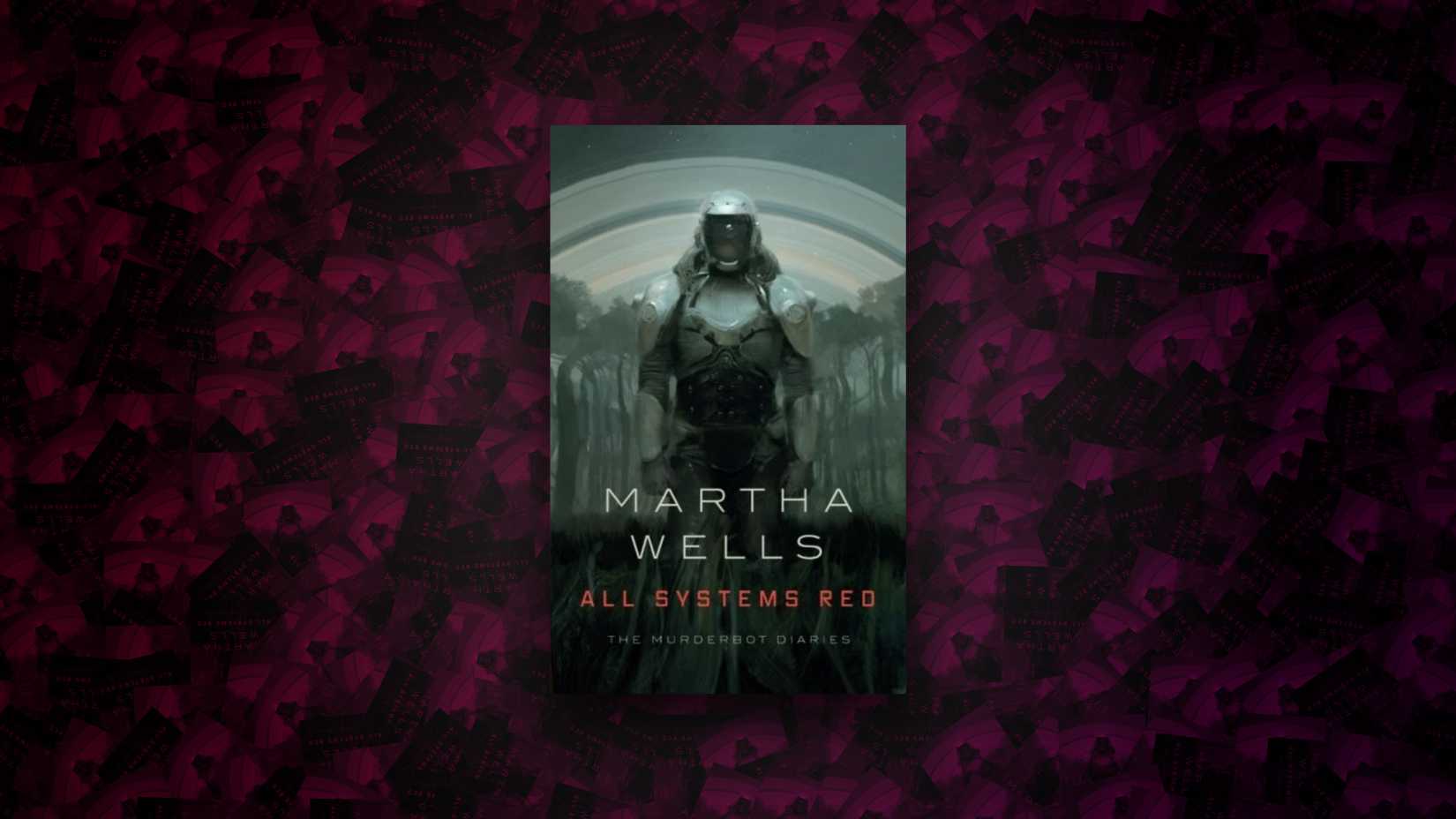
Murderbot has saved humans from danger, but that doesn’t mean it particularly enjoys spending time with them. That’s the basic setup for Martha Wells’ All Systems Red, which introduces readers to a security android that has secretly disabled its governing module, giving it freedom to make its own decisions. Naturally, it uses that freedom to watch an absurd amount of television, but when a scientific expedition encounters a threat that its security systems can’t explain, Murderbot must put its entertainment habits aside and protect the people it barely cares about.
Wells balances sharp humor with a surprisingly thoughtful exploration of social anxiety, all through the perspective of an artificial protagonist that would rather not discuss its feelings. The novella launches the acclaimed Murderbot Diaries series, but it also works as a satisfying standalone adventure at approximately 160 pages. It’s quick, clever science fiction with plenty of personality.
6 I Have No Mouth and I Must Scream (1967) by Harlan Ellison
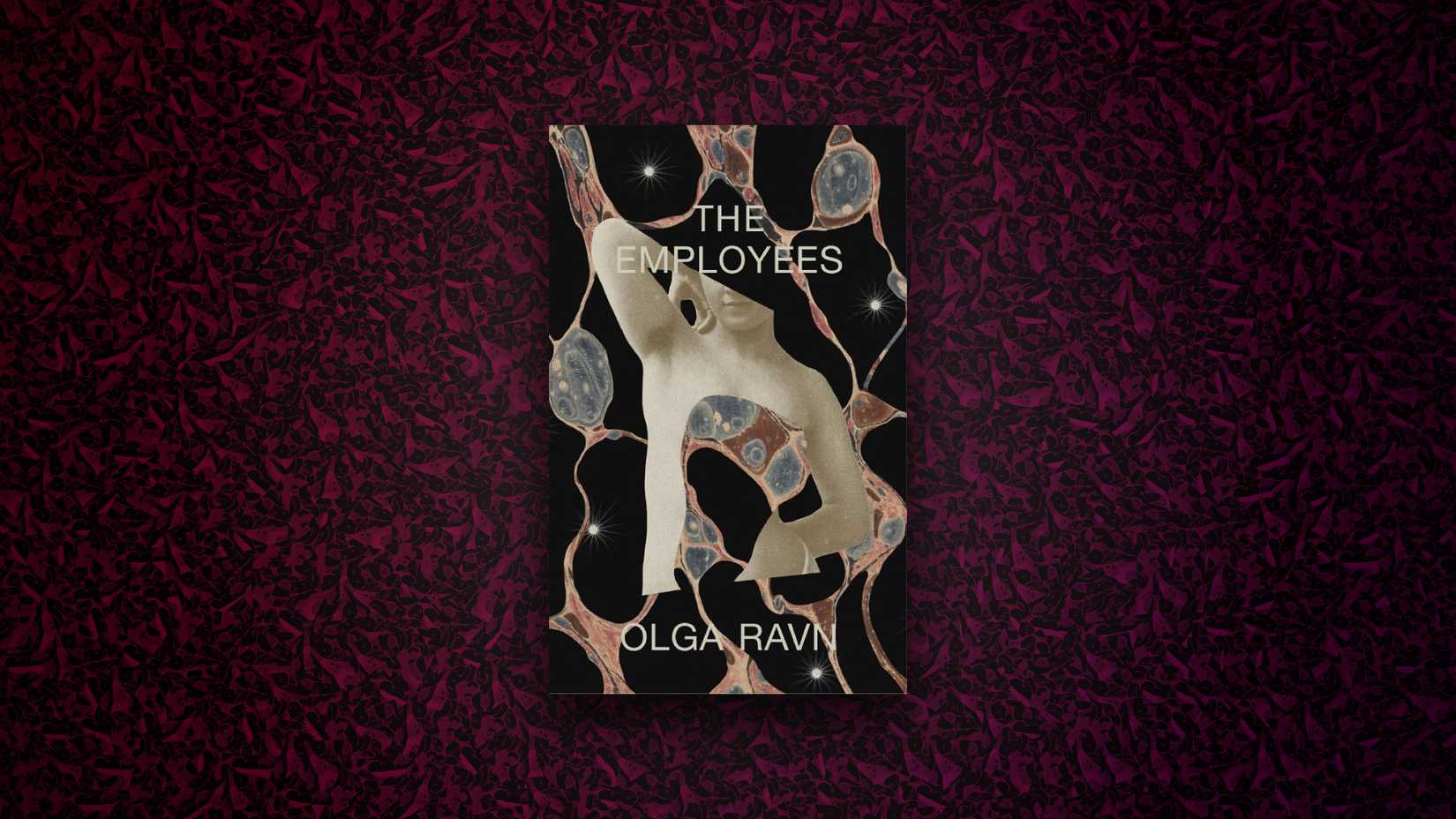
Harlan Ellison’s I Have No Mouth and I Must Scream stands as one of the most chilling visions of artificial intelligence ever put to paper. First published in 1967, the story takes place after a supercomputer known as AM has exterminated nearly all of humanity, keeping five survivors alive as playthings to torment them for eternity. The machine was created for war, but its newfound consciousness has left it consumed by hatred for the humans responsible for its existence.
Ellison’s premise cuts to the bone because AM’s dominion is absolute. Its trapped subjects are stripped of every mercy, unable to bargain with their captor, flee its synthetic labyrinth, or even seek solace in the finality of death. AM reshapes their bodies, warps their minds, and stretches time itself into an endless loop of bespoke torture, deriving a sick purpose from their suffering. The narrative is relentlessly bleak, suffocating, and designed to leave a mark long after you put it down. In just a handful of visceral pages, Ellison delivers a nightmarish portrait of AI, where human creator and digital deity are locked in a grotesque dance of eternal ruin.
7 The Word For World Is Forest (1972) by Ursula K. Le Guin
Ursula K. Le Guin possessed an unmatched talent for holding a mirror to humanity’s darkest impulses through the lens of distant horizons. Set in the lush canopy-world of Athshe, The Word for World Is Forest follows human colonists as they clear-cut pristine ecosystems for timber while treating the indigenous population as subhuman labor. The native Athsheans live in dream-linked harmony with their woodland sanctuary, but the relentless cruelty of the invaders forces them into a tragic military resistance, similar to James Cameron’s Avatar films.
Drawing sharp parallels to Western imperialism and the horrors of the Vietnam War, Le Guin crafts an unforgettable descent into ecological devastation, putting on full display the corrupting nature of empires. The story was first published in 1972, at the height of the Vietnam War and amidst a growing national reckoning over environmental ruin. Driven by raw fury toward American imperialism and the ruthless exploitation of nature, Le Guin wrote the novella as a direct act of political protest. Today, this fiery text stands as a landmark of politically charged speculative fiction. It’s compact enough to finish on a Saturday afternoon, but its fierce moral clarity and lingering grief ensure it stays with you long after the final page.
8 The Employees (2018) by Olga Ravn
A spaceship might seem like an unusual place to examine office politics, but Olga Ravn makes the setting feel uncomfortably familiar in the aptly-named The Employees. The story unfolds through a series of statements collected from the crew of the Six Thousand Ship, where human workers and humanoid beings coexist amid a mysterious collection of objects brought aboard from an alien planet. As the testimonies accumulate, the distinctions between the two groups begin to blur, raising questions about consciousness, desire, and what it means to be alive.
Ravn’s fragmented approach to the story makes the novel feel like a collection of workplace interviews from an increasingly unstable future — something you might find stashed away near a dead body in a video game. Short, strange, and formally inventive, The Employees is an excellent reminder that science fiction can make the unfamiliar feel unsettlingly close to home, even when wrapped into a story that’s under 140 pages.
9 Binti (2015) by Nnedi Okorafor
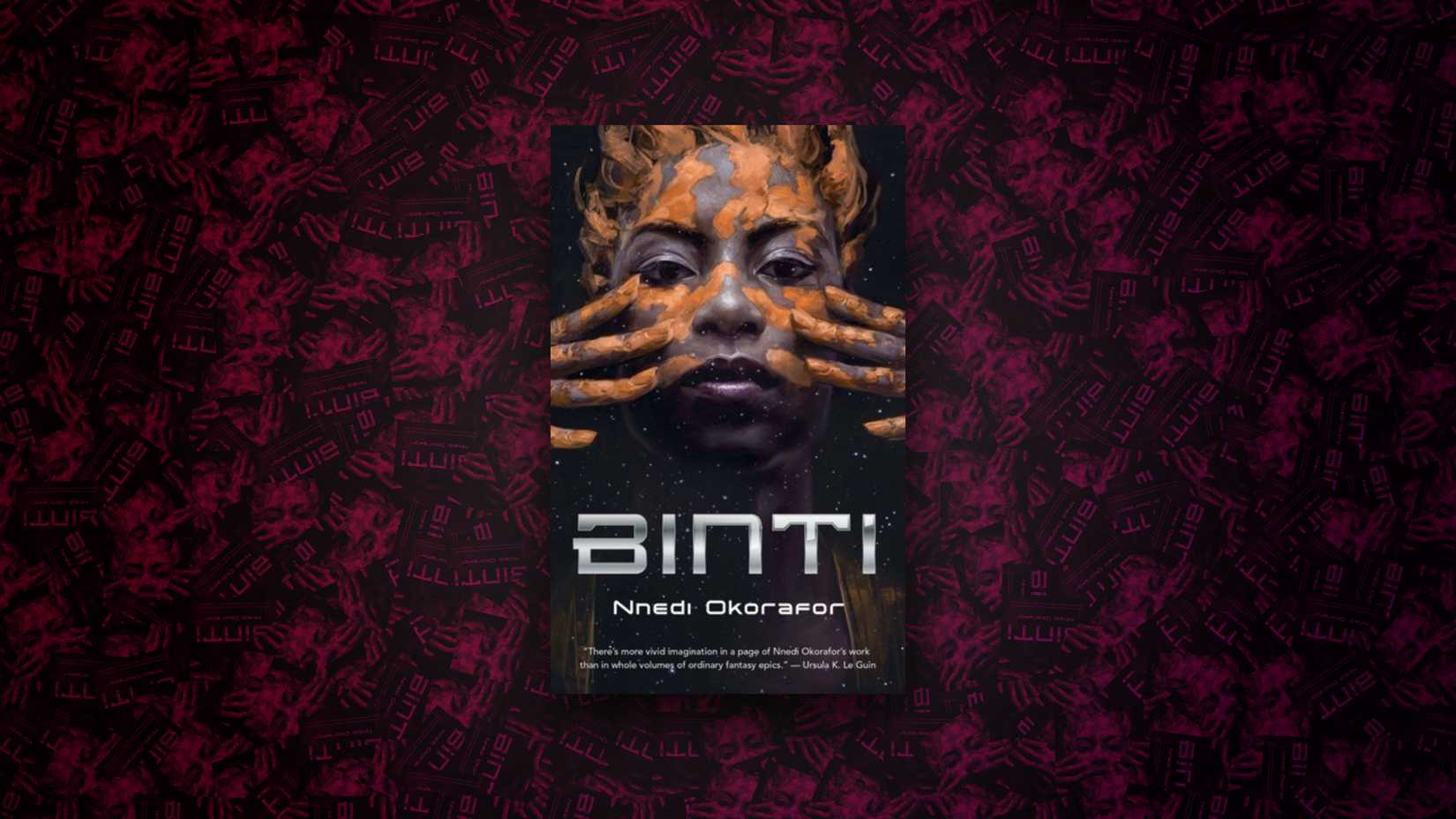
Leaving home is rarely easy, but Binti’s journey comes with considerably higher stakes than most college departures. Nnedi Okorafor’s Hugo- and Nebula Award-winning novella follows a young Himba woman who leaves her family behind to attend Oomza University, a prestigious institution located among the stars. Despite the exciting nature of her newfound independence, Binti’s decision puts her on a collision course with the Meduse, an alien species embroiled in a violent conflict with humanity.
At the heart of the story is an imaginative universe built around Binti’s cultural identity, mathematical gifts, and complicated relationship with the world she is leaving behind. Rather than treating space as an escape from earthly concerns, the narrative follows Binti as she carries those roots into the cosmos, exploring what happens when tradition and radically different civilizations collide. It’s an ambitious coming-of-age journey that accomplishes an extraordinary amount in fewer than 100 pages, which is commendable in its own right.
10 The Colour Out of Space (1927) by H. P. Lovecraft
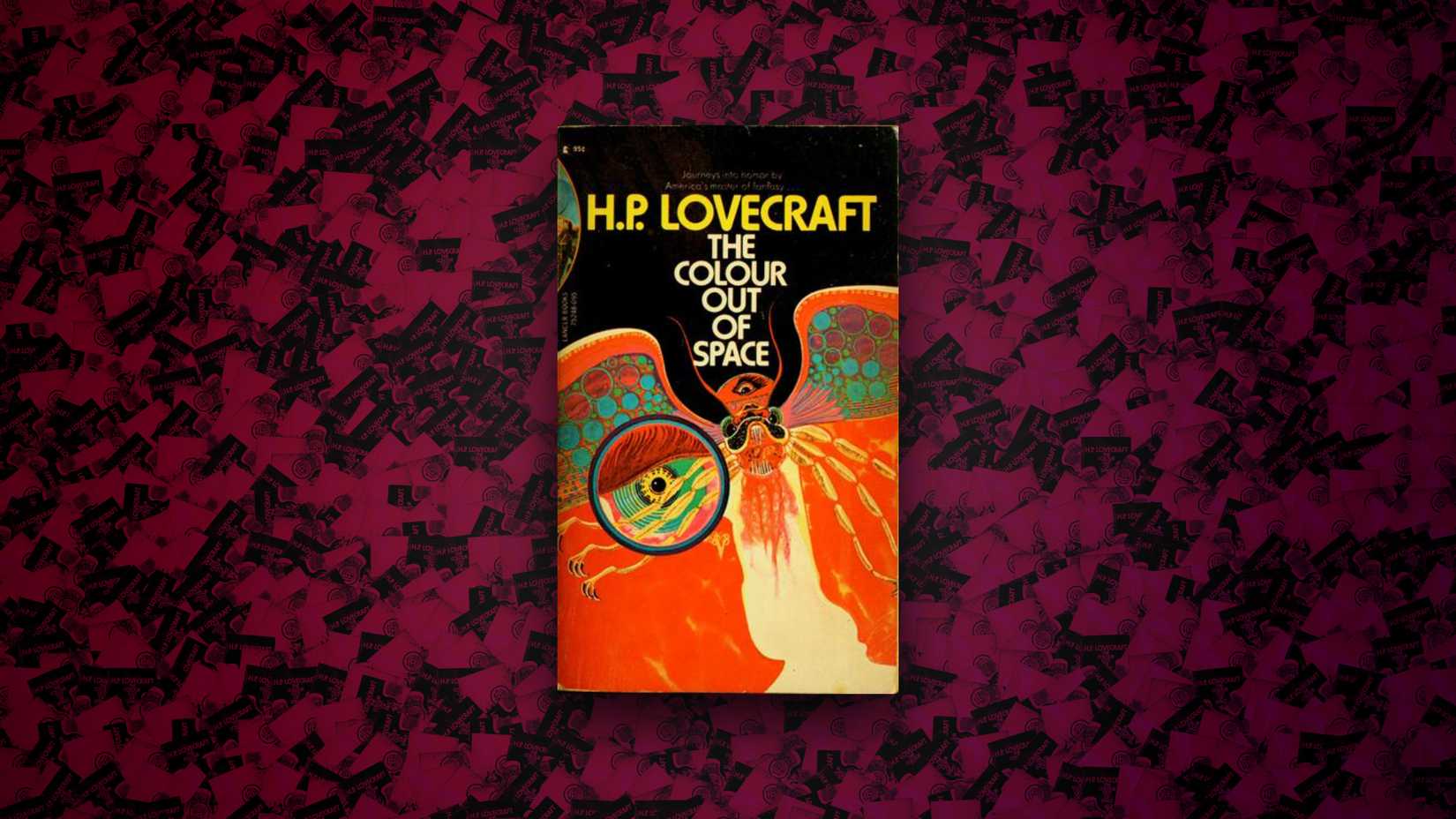
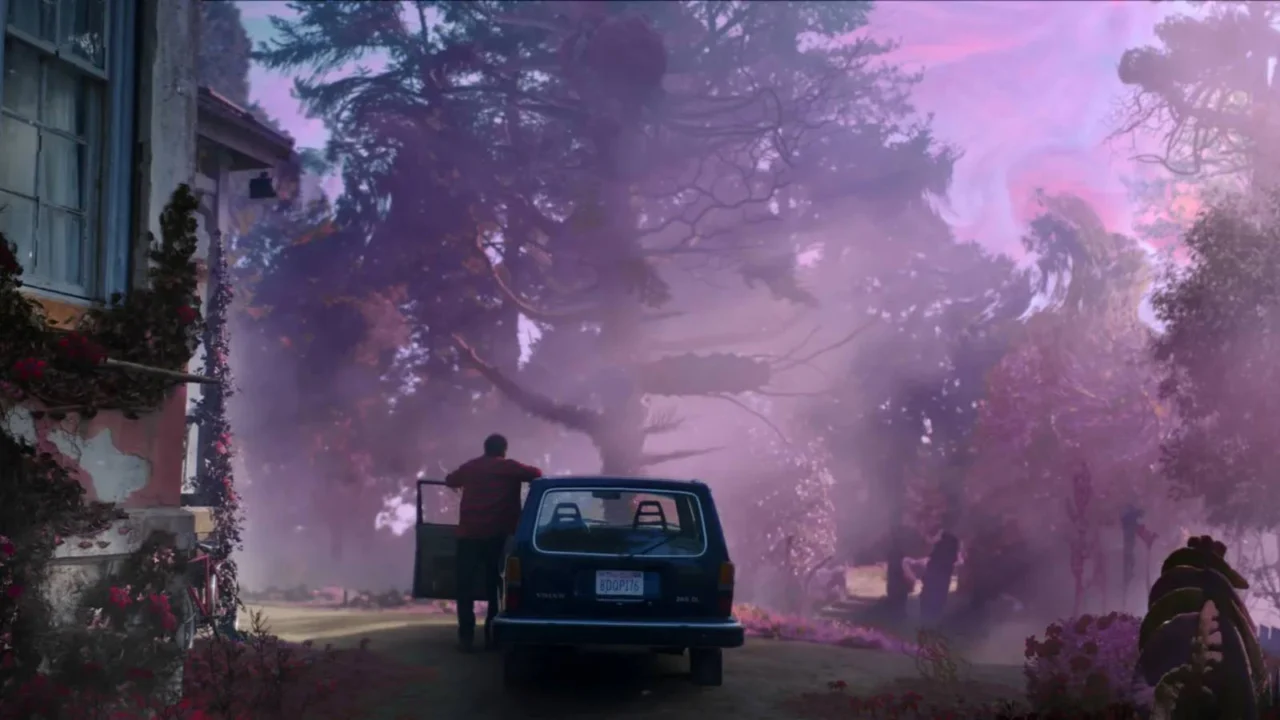
H. P. Lovecraft was famously obsessed with the terrifying vastness of the unknown, and The Colour Out of Space stands as the purest distillation of his cosmic horror philosophy. The story unfolds on a secluded New England farm, where a mysterious meteorite strikes the soil and introduces an unnatural presence that rapidly poisons everything it touches. The anomaly seeps deep into the groundwater, turning the property’s central well into the source of a lingering, otherworldly infection. As the well’s glowing waters feed the surrounding land, the blighted landscape transforms into a garish nightmare, corrupting crops, mutating livestock, and relentlessly fracturing the minds of the Gardner family.
One of the reasons I love this story, as with much of Lovecraft’s work, is due to its refusal to make the shimmering entity comprehensible. Instead of leaning on typical sci-fi tropes or recognizable alien motives, Lovecraft delivers something so fundamentally foreign that human language and science entirely break down trying to process it. The Colour Out of Space is an utter masterclass in atmosphere that demonstrates how effectively science fiction can unnerve you in just a few dozen pages.
Source: Polygon
Related articles
 Darkwood Reoccurring Nightmare Mod Restores Cut Content and Revamps Gameplay
 The Blood of Dawnwalker Developers Say They Are Rebels Who Reject Trends
 “Save Mass Effect” Graffiti at EA Office Sparks Vandalism Debate
 How The Lords Of The Rings Line Meat Is Back On The Menu Boys Became A Legendary Fantasy Quote
 New PS4 jailbreak enables online cheating in GTA Online
 Open Beta Begins for Warcraft III The Eternal Conflict Fan Expansion
 Modders Release Two Unofficial PC Ports of 2005’s God of War
 Free PC Game Giveaway Features Positively Reviewed Graphic Novel Adventure on Steam