Why Roadside Picnic Features Sci-Fi’s Most Enduring Closing Line
The world of science fiction literature contains countless memorable closing moments, from 1984’s short retrospective (“He loved Big Brother”) to The Three-Body Problem’s reminder that humanity cannot be easily erased. The best sci-fi endings reframe everything that came before them. In their final lines, authors leave readers suspended in the aftermath, forced to sit with cold technology, the fragility of human nature, or the vast expanse of space.
Few closing moments match the humanistic weight found at the end of Arkady and Boris Strugatsky’s Roadside Picnic. The 1972 novel offers a unique kind of science fiction ending.
Roadside Picnic’s haunting final wish
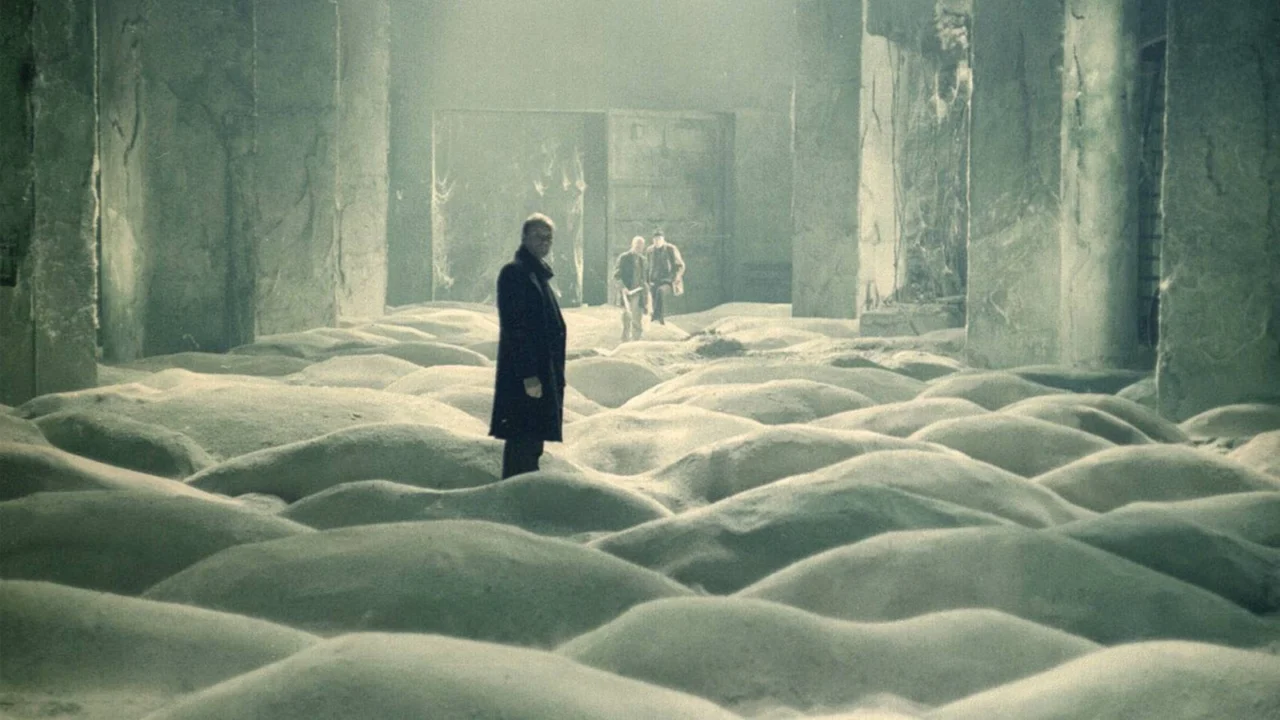
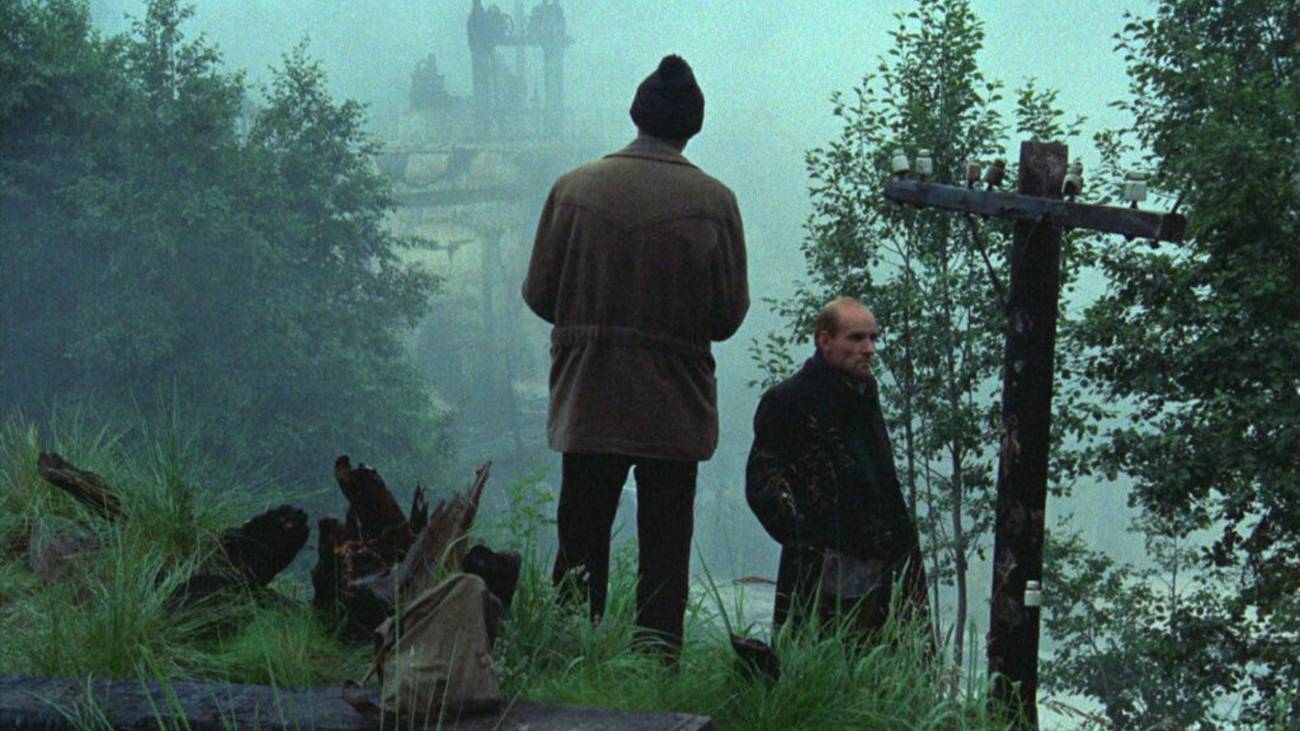
A grounded masterpiece of Soviet-era speculative fiction, Roadside Picnic explores a vision of first contact where humanity is an afterthought rather than a partner or enemy. Extraterrestrial life forms touch down across six isolated sectors on Earth, linger without acknowledging human life, and vanish abruptly. What they leave behind is cosmic litter consisting of lethal spatial anomalies and inexplicable artifacts. These quarantine areas become known as Zones, dangerous frontiers where state science and desperate black-market Stalkers risk death to sift through alien trash.
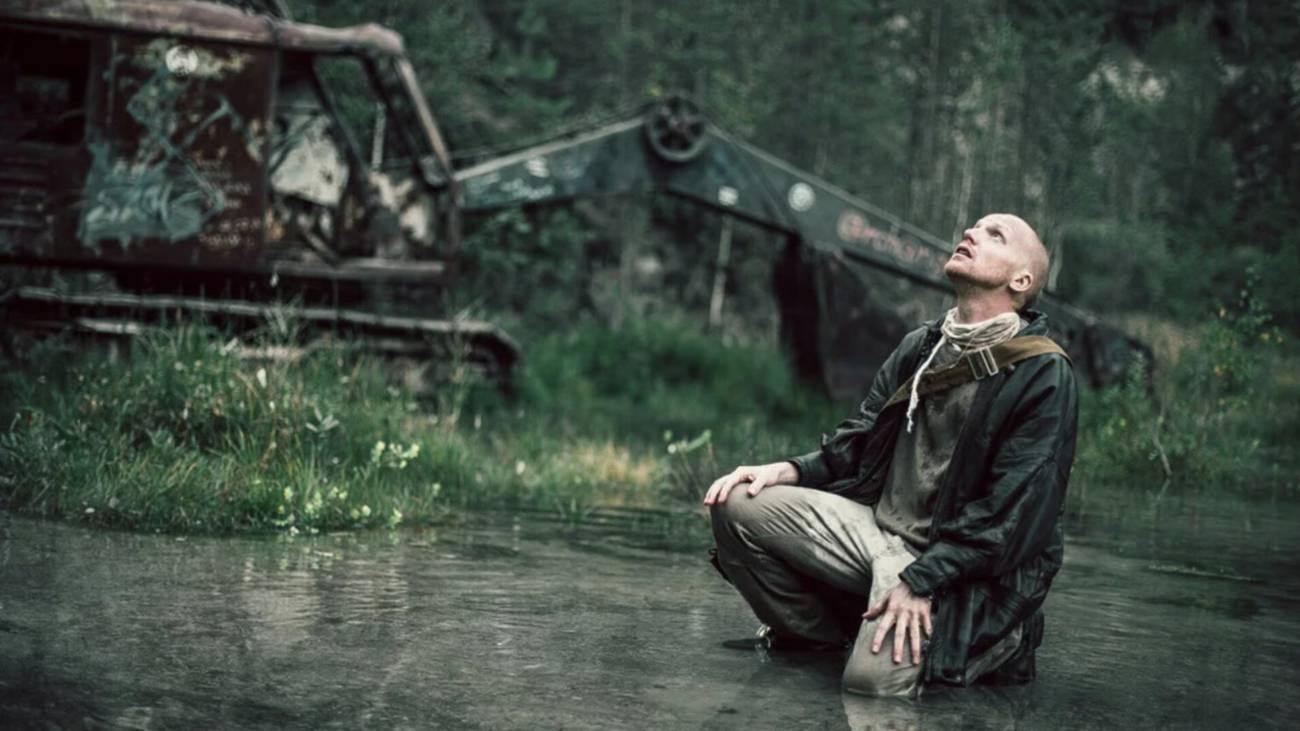
In its final moments, the story shifts into an existential tragedy. Redrick Schuhart is a Stalker who enters the Zone illegally to find and sell loot. He reaches the legendary Golden Sphere, which is a wish-granting alien artifact, after knowingly sacrificing a naive young companion to clear a lethal anomaly. When Redrick finally sits before the Sphere, he suffers a psychological collapse. Realizing he cannot formulate a selfless thought of his own, he falls to the ground in tears and echoes the dead boy’s final words.
“Happiness for everybody, free, and no one will go away unsatisfied!”
Antonina W. Bouis’ 1977 translation renders the line with a focus on transactional satisfaction. A 2012 translation by Olena Bormashenko restores the original Russian text’s all-caps formatting to convey a soul-tearing scream: “HAPPINESS, FREE, FOR EVERYONE, AND LET NO ONE BE FORGOTTEN!”
The differences between the translations reveal distinct emotional shades of Redrick’s breakdown. Bouis’ choice of “unsatisfied” fits a character dealing in illicit contraband. Bormashenko’s rendering stays closer to the literal root of the Russian word “obizhennym,” which means to be wronged, slighted, or left out in the cold. Both versions converge on the same core: a broken man using a godlike power to beg for basic human grace.
The ending resonates because Roadside Picnic renders genuine happiness difficult throughout the narrative. Redrick does not stand before the Golden Sphere as an enlightened hero. He is an exhausted, morally compromised thief. After years of exploiting the Zone, he confronts a force capable of giving him anything. Yet his final words are meant for everyone.
The hope hidden inside Roadside Picnic’s ending
This radical turn toward universal grace is striking when set against the world Arkady and Boris Strugatsky inhabited. Written at the height of the Cold War, Roadside Picnic emerged from a Soviet Union locked in ideological division, an era when the future felt like an existential threat. Such an atmosphere defined the novel’s publication history. First serialized in the Soviet magazine Avrora in 1972, the text spent years fighting through state censors, meaning the 1977 English translation was bound to a heavily altered Soviet edition. Olena Bormashenko’s 2012 translation finally gave Western readers the text as the authors originally intended.
The Strugatskys refused to offer state censors or readers an easy catharsis. Redrick’s plea does not make the conclusion comfortably optimistic. The novel offers no proof that the alien Sphere actually works, and the Zone remains cold and unknowable. What matters is that Redrick reaches for an idea larger than his own circumstances.
Refusing to soften the story gives the wish its weight. Roadside Picnic remains devoid of sentimentality, as the aliens never acknowledge humanity and the Zone remains a wasteland. Redrick reaches the Sphere only by stepping over the body of a boy he sacrificed. Where other science fiction giants reach for the cosmic, the Strugatskys close their story with a man who has known only brutal self-preservation wishing that no one else has to live in the same conditions.
The divergence between translations deepens the emotional resonance. Whether rendered as “no one will go away unsatisfied” or “let no one be forgotten,” both versions circle the mandate that no human life is disposable. For a novel about humanity picking through the cosmic trash of an indifferent universe, it remains a staggering final note.
Source: Polygon
Related articles
 Dragon Quest Creator Uses AI to Make Game in 30 Minutes and Is Unfazed by Criticism
 Unofficial Port Brings Forza Horizon 2 to PC in 4K
 Valor Mortis: ‘The Scarecrow’ Quest Walkthrough
 Microsoft Updates Xbox Cloud Gaming Requirements, Leaving Outdated TVs Behind
 Nintendo Details Switch 2 Battery Replacement Process
 US Gaming Industry Demands Action Against Piracy Amid Threat to Cheap Retro Consoles
 Nvidia Plans to Double DLSS 5 Speed and Add New Game Support
 Jinx It announced for Steam with dice customisation and hand-drawn opponents