
Takeshi Ichikawa: The Producer Guiding Dragon Quest VII Reimagined
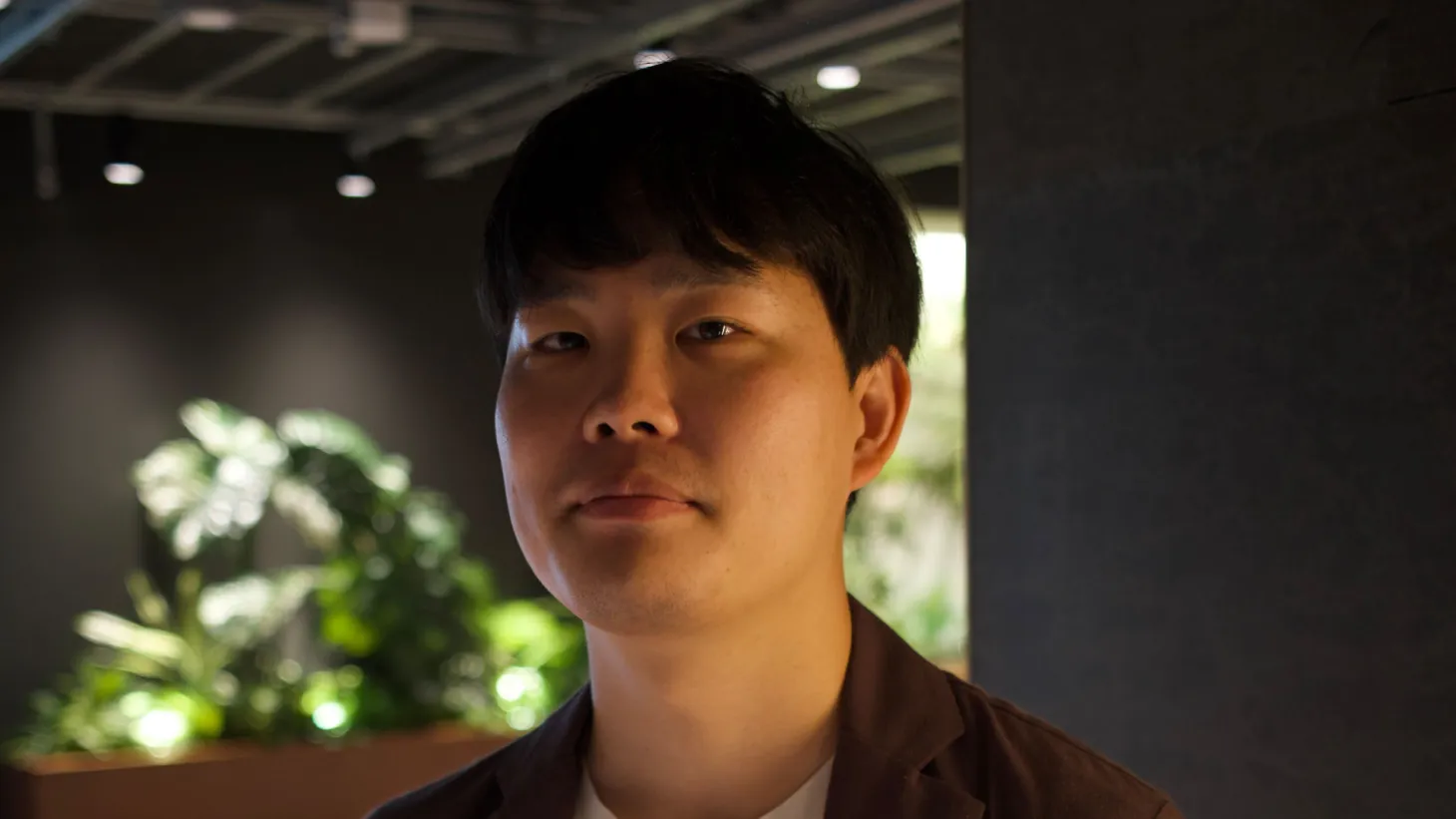
When Square Enix revealed Dragon Quest VII Reimagined during the Nintendo Direct in September, it generated plenty of speculation. After spending time at Square Enix’s Tokyo studio for our cover feature, we gathered new information about the remake — and about the team steering it. Over the next few weeks we’ll share more from that visit; here’s what we learned about Takeshi Ichikawa, the producer charged with bringing Reimagined to market.
Though relatively new in a lead producing role, Ichikawa has steadily built a resume within the Dragon Quest family. Credit listings show appearances ranging from assistant producer credits on Dragon Quest Builders 2 and Dragon Quest XI S to staff and special thanks listings on other recent Dragon Quest projects. His growing involvement culminates now with Reimagined, where he focuses on delivering a commercially successful, well-crafted remake while collaborating with director Masato Yagi on the creative direction.
How Ichikawa Entered Games
Ichikawa says he’s loved games since childhood and pursued work in the industry deliberately. After interviewing with several studios, he joined Square Enix and volunteered for the Dragon Quest group, telling his manager he was willing to work on any project. His early attachment to the franchise has since come full circle — he cites Dragon Quest Monsters: Terry’s Wonderland as his first Dragon Quest experience and recalls how the monster-collection mechanics captivated him even before elementary school.

Approach to Remaking Dragon Quest VII
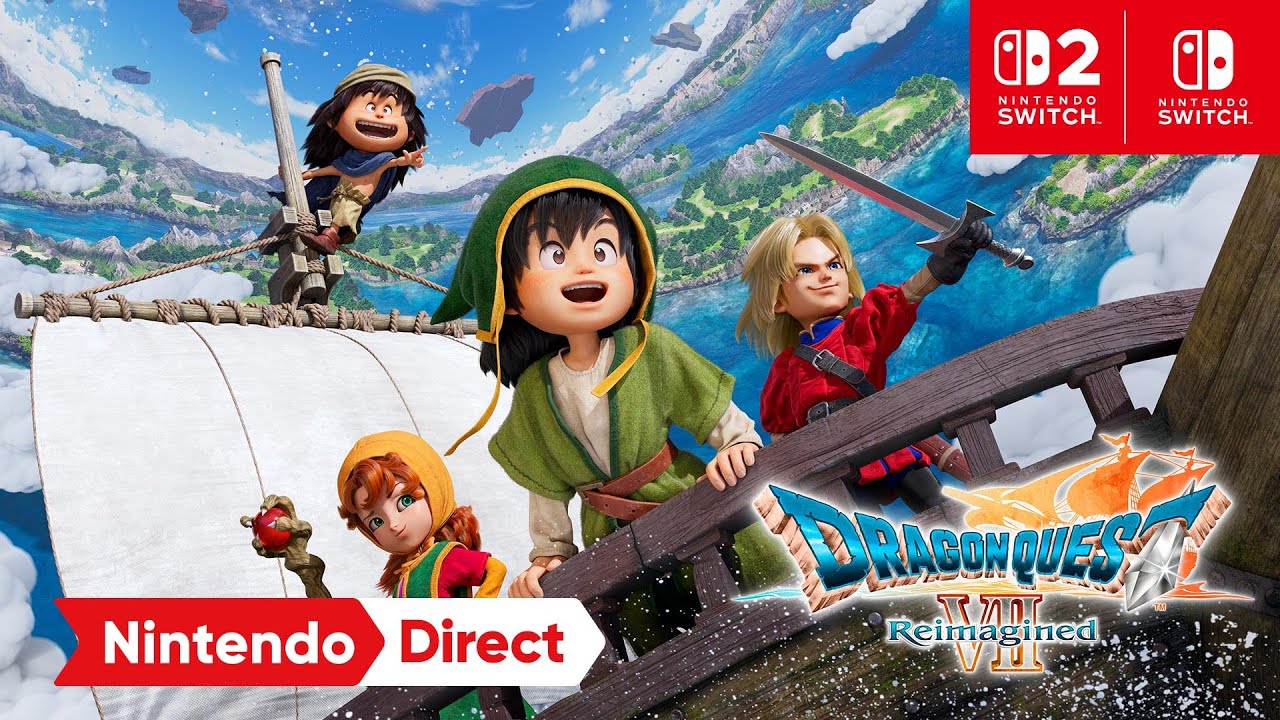
Ichikawa admits the remake carries weight — Dragon Quest VII is a landmark title in Japan — but he and the team have embraced that challenge. Early conversations with series creator Yuji Horii set the tone: Horii was receptive to thoughtful changes, and even greenlit ambitious additions, including a previously unreleased ending. Ichikawa describes three principal pillars that guided the remake discussions with Horii: the visual direction, narrative adjustments, and combat tweaks.
For visuals, the team pursued a handcrafted, doll-like aesthetic and diorama-style fields to give the world a tactile, modern charm. On story, Ichikawa proposed scenario refinements to sharpen pacing and clarity while respecting the original. For combat, Horii requested the team avoid overcomplicating encounters — the aim being an approachable but satisfying battle system.
Why Ichikawa Was a Good Fit
Ichikawa’s passion for the series and his experience in day-to-day development helped him transition from assistant roles to producer. In assistant producer positions he focused on operational work; as the producer on Reimagined he’s responsible for overseeing the whole project and coordinating the many teams involved. Horii expressed strong support for Ichikawa and director Masato Yagi, praising the handcrafted visuals and the team’s ability to make exploration feel enjoyable.
First Dragon Quest Memory
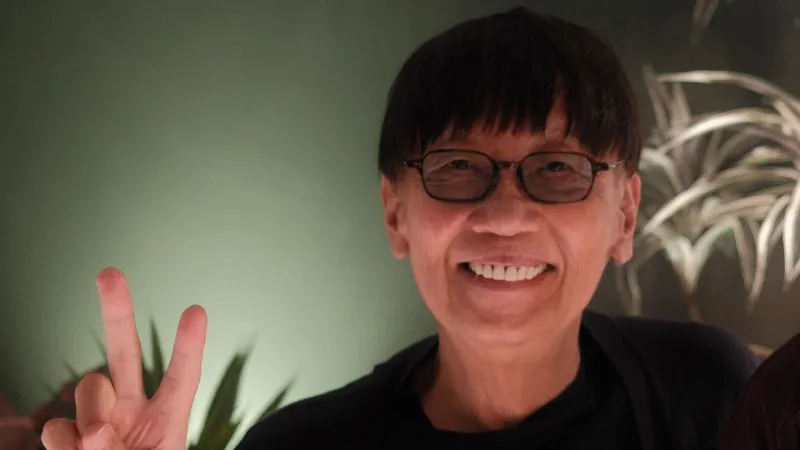
Ichikawa fondly remembers discovering Dragon Quest Monsters as a child and being drawn to the monster battles and recruitment mechanics. He still has favorites from those early play sessions; that sense of wonder and the series’ emotional storytelling are elements he says helped shape his love for the franchise.
Career Timeline
Ichikawa confirms he began working on Dragon Quest Builders 2 (2018) and later served as assistant producer on Dragon Quest XI S before taking the lead producer role on Reimagined. He notes the shift from assistant producer to producer changed his responsibilities: he moved from handling everyday production tasks to supervising the full development pipeline and maintaining the team’s broader vision.
About the Slime
Asked about the series’ iconic slime, Ichikawa remarked on its adaptability — the simple, gooey design makes it easy to reinterpret and merchandise in many forms. He also noted how the slime’s enduring charm has helped make it an emblem for the franchise across generations.
What He Values Most
Ichikawa credits the franchise’s enduring appeal to what he calls “Horii-esque” qualities: the blend of heartfelt storytelling, gentle humor, and expressive characters. He believes those elements allow Dragon Quest to resonate with players young and old, offering layers of meaning that reveal themselves as players revisit the games later in life.
For more from our visit, read the full cover story and issue content: see our feature piece and the Dragon Quest VII Reimagined hub for additional interviews, a retrospective with Yuji Horii, and other coverage from Issue 373.
Read the cover story: Dragon Quest VII Reimagined — Cover Reveal.
Full feature: Adventure Doesn’t Wait — Cover Feature.
Issue hub: Dragon Quest VII Reimagined issue hub.
 Command & Conquer Fans Release New Campaign in Dawn of the Tiberium Age Update
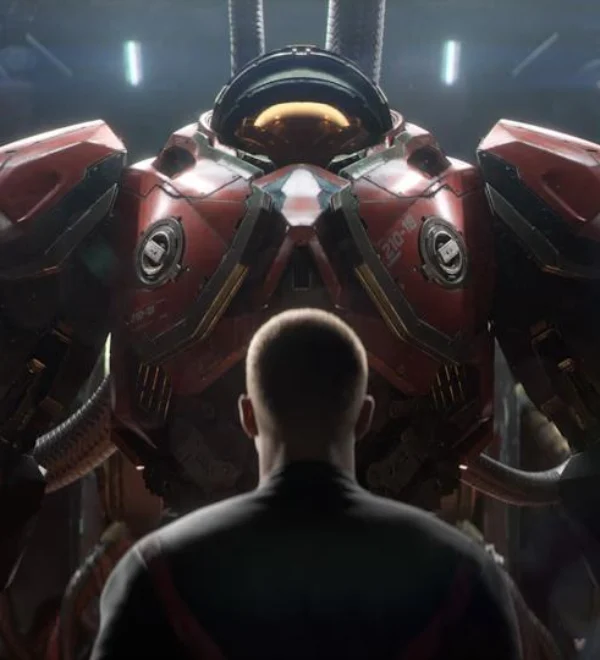 New StarCraft Game Is Not Seasonal, Developer Cites Inspiration and Hints at DOOM Composer’s Music
 Costco Is Quietly Securing the Best Pokémon Trading Card Deal of 2026
 Diablo IV Content Creators Recreate Original Game Locations and Hire BioWare Veteran
 Apple Is Finally Developing an Official iPhone Controller
 Blizzard Explains Early Announcements for Diablo V and New StarCraft
 Daniel Vavra Defends DLSS 5 After It Brings Kingdom Come Deliverance II Closer to His Vision
 Overwatch Plans Collaboration With Cyberpunk Edgerunners and Diablo IV Gets Witcher 3 Content