
Vampire Teeth, Ranked

For over a century, filmmakers have reinvented vampires for cinema and television, producing dozens of distinct interpretations. From cozy, romance-tinged bloodsuckers to grotesque, animalistic fiends, nearly every onscreen vampire shares one unmistakable trait: odd teeth.
Vampiric dentition has evolved dramatically. Bela Lugosi’s 1931 Count Dracula, for example, displayed ordinary human teeth, while modern portrayals usually favor elongated canines—long enough to puncture a neck but subtle enough to feel plausible.
Directors have continually experimented with variations on this basic motif—some choices succeed marvelously, others feel contrived. For Fangsgiving, we’ve ordered seven common vampire-tooth archetypes by visual appeal, inventiveness, and style.
Romantic Stealth
 Image: Recorded Picture Company/Pandora Film
See: Dracula, Interview with the Vampire, Only Lovers Left Alive, Underworld
The Romantic Stealth archetype favors subtlety. Upper canines are slightly extended or retractable, remaining inconspicuous until the moment of attack. These vampires are often seductive and polished—figures of allure rather than overt menace. Their charm is enhanced by a well-groomed, almost human appearance that hides their predatory nature.
Films like Only Lovers Left Alive, A Girl Walks Home Alone at Night, and Underworld showcase this sleek, sensual approach, which often reads as more aesthetically pleasing than the lateral-incisor fangs seen in productions such as True Blood, Bram Stoker’s Dracula, and The Lost Boys.
Slightly Bat-Faced
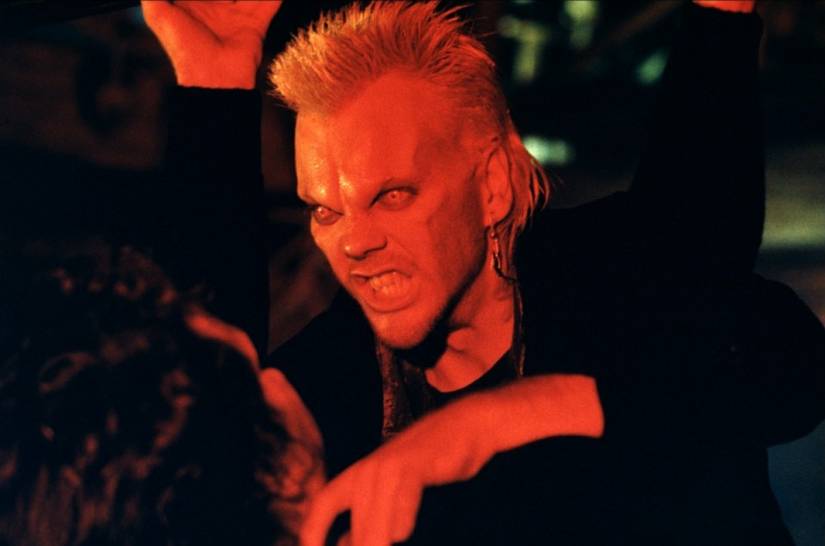 Image: Warner Bros.
See: Buffy the Vampire Slayer, The Lost Boys, Vampire in Brooklyn
Slightly Bat-Faced vampires extend beyond dental quirks to encompass an overall more animalistic visage: jagged teeth, elongated muzzles, and other batlike features. The design communicates a raw, feral quality—less polished predator, more nocturnal creature. This aesthetic strips away mystery in favor of a visibly monstrous transformation that can be unsettling and effective.
Straight-Up Repulsive
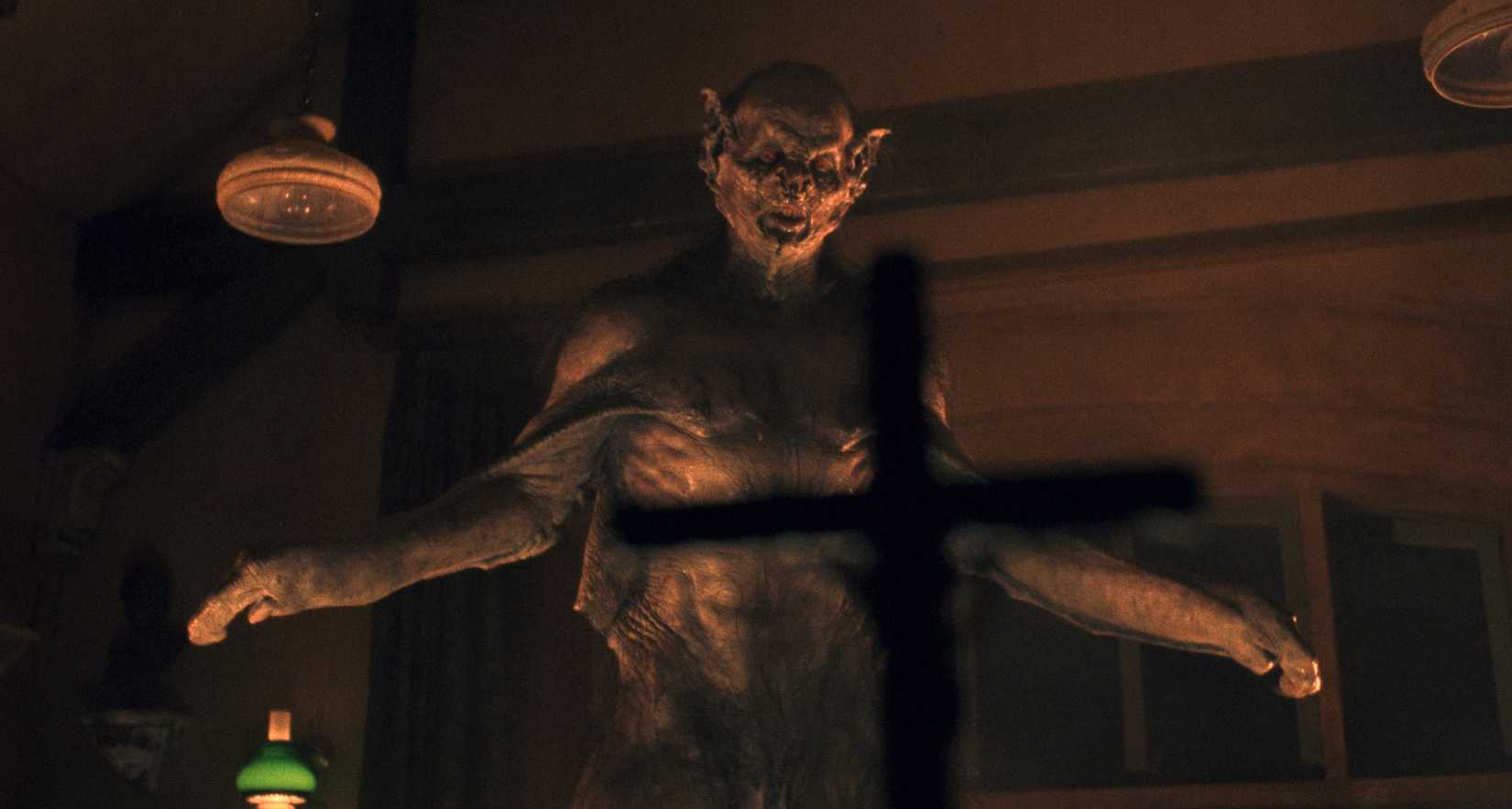 Image: Columbia Pictures
See: From Dusk Till Dawn, Vamp, Bram Stoker’s Dracula
This category pushes grotesque transformation to the foreground: oversized fangs, scales, elongated snouts, and other distortions that trade subtlety for shock. Films like Bram Stoker’s Dracula and From Dusk Till Dawn revel in these extremes, creating monsters whose appearances are designed to repulse as much as terrify. Within such works, age or supernatural evolution often explains increasingly extreme anatomy.
Pretty Normal, For a Vampire
 Lionsgate Home Entertainment
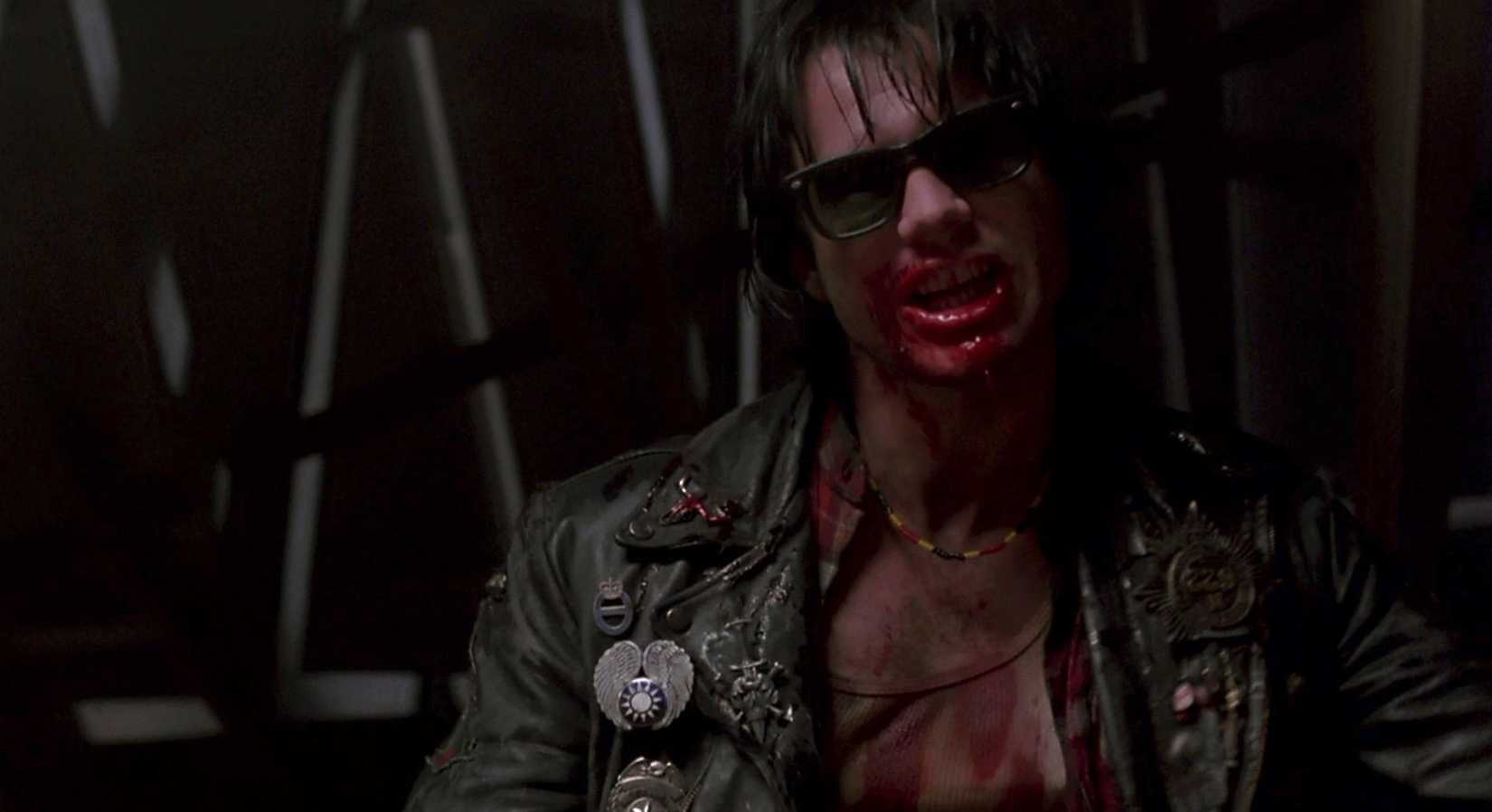
See: Near Dark, Let the Right One In, Twilight
Some of the most compelling vampire characters are those that look almost human. A “Pretty Normal” vampire blurs the line between monster and neighbor—someone who could blend into a crowd until their hunger is revealed. This ambiguity fuels drama and allows for varied storytelling, from gritty antiheroes like the clan in Near Dark to the pale, idealized vampires of Twilight.
When a vampire’s teeth are understated, filmmakers must rely on atmosphere, performance, and context to maintain audience investment.
The Buck Tooth
 Images: Public Domain
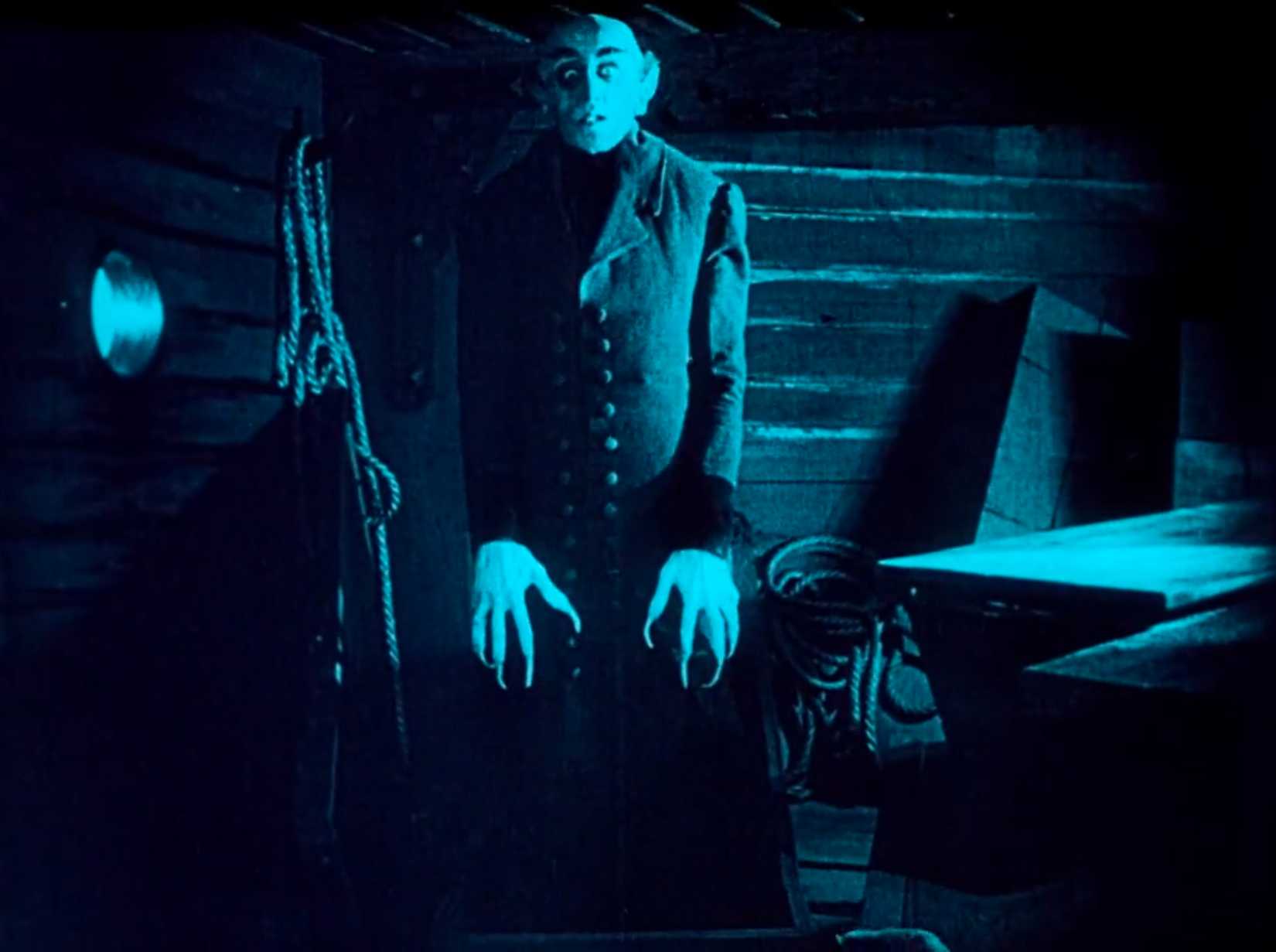
See: Nosferatu, Salem’s Lot, Vampires Suck, What We Do in the Shadows (Petyr)
Count Orlok’s protruding incisors inspired a long lineage of ratlike, buck-toothed vampires. While historically significant, this aesthetic often reads as off-putting rather than fearsome. The rodent associations can distract from nuance, turning a character into a caricature instead of a sophisticated menace.
In short: central incisors as primary fangs rarely land as convincingly as canine-based designs.
Way Too Many Teeth
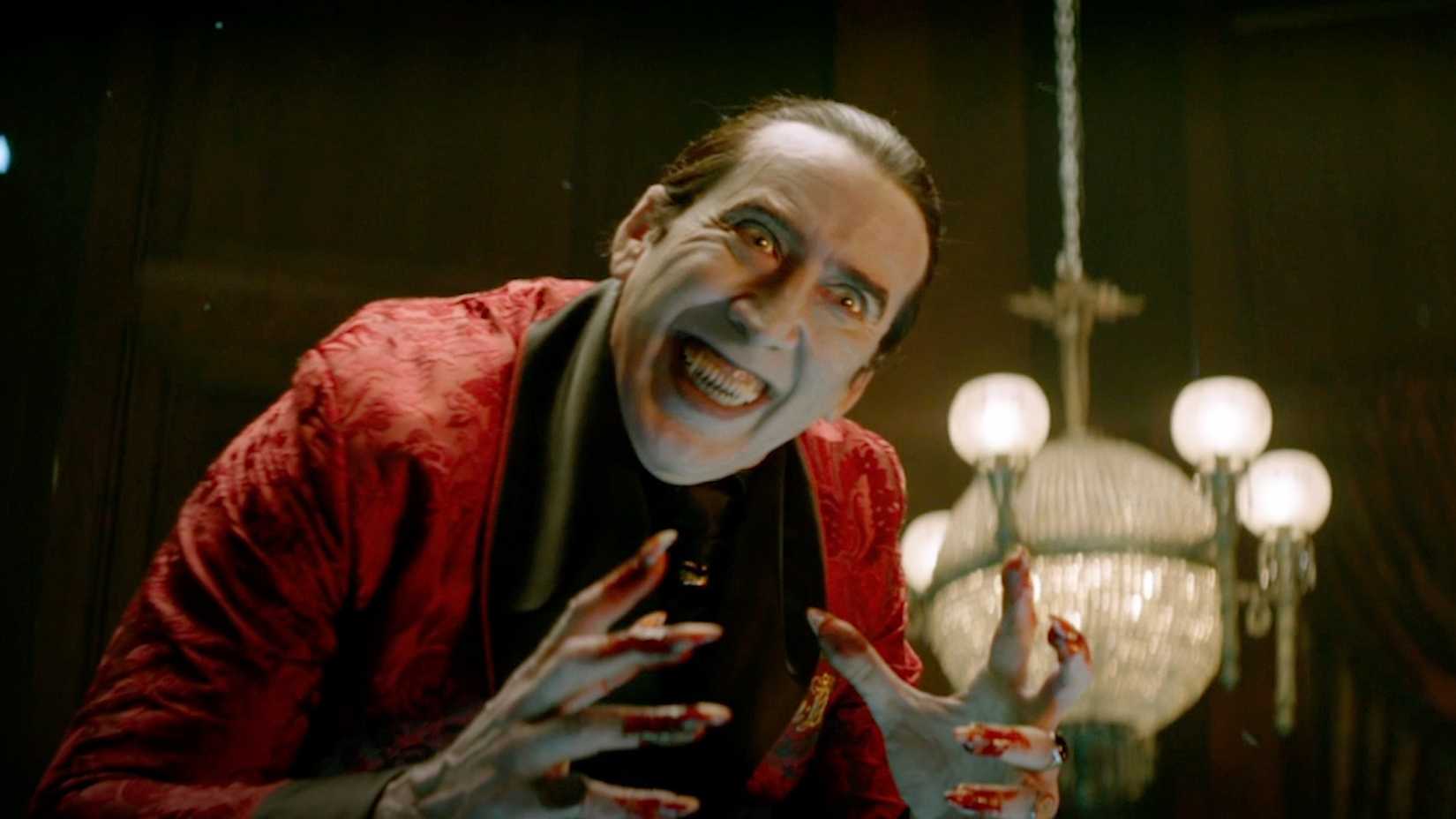 Image: Universal Pictures
See: Renfield, Van Helsing, Supernatural, 30 Days of Night
Overdesigning a vampire’s mouth can backfire. Movies that give characters an excessive number of fangs or uniformly sharp, chunky teeth can veer into the grotesque without eliciting genuine dread. When every tooth becomes a focal point, the creature risks becoming comic or repulsive rather than convincingly dangerous.
Predator Mouth
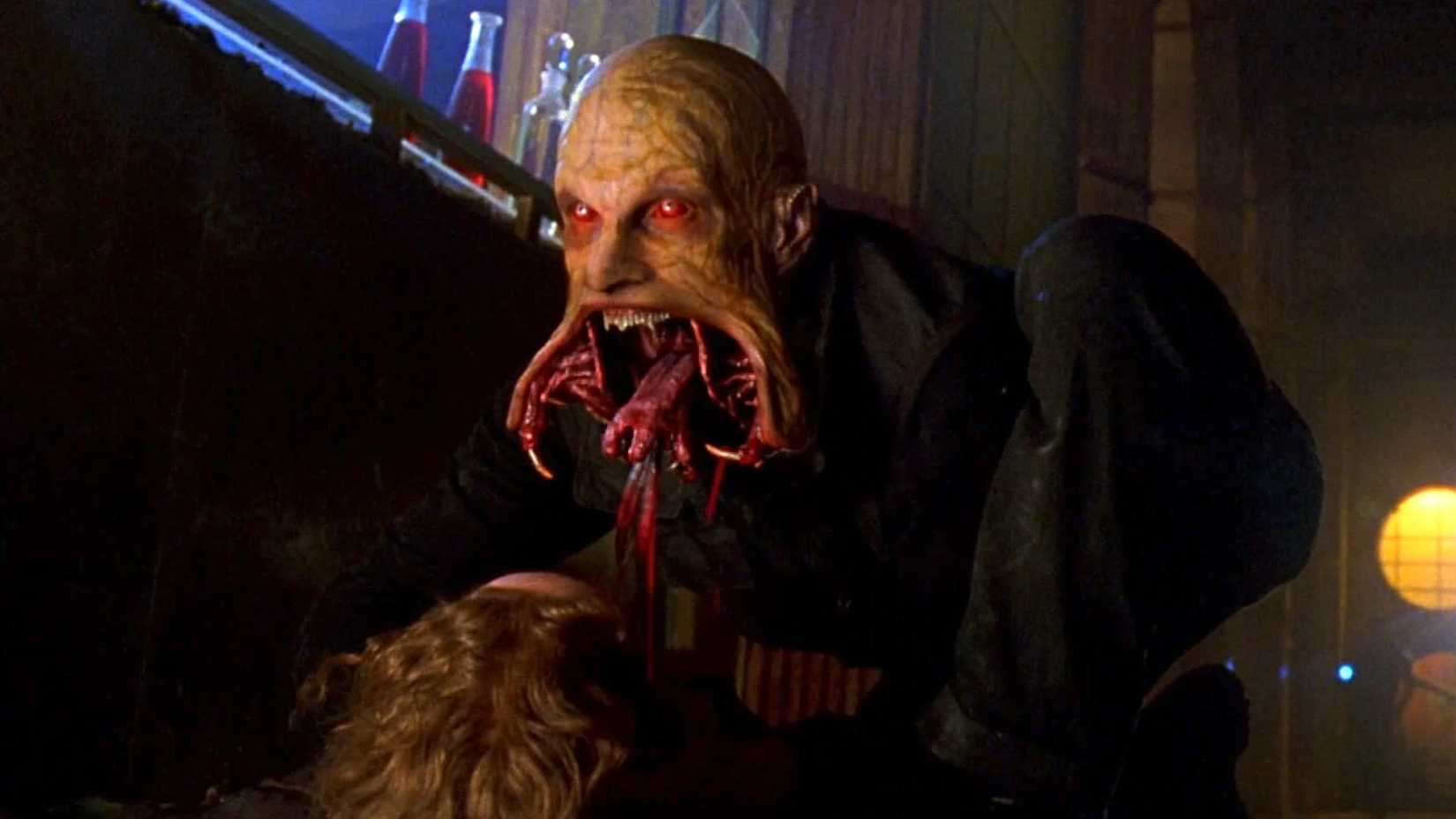 Image: New Line Cinema
See: Blade 2, Trinity
Some franchises escalate vampire anatomy into alien biomechanics—mandibles, split jaws, or retractable feeding apparatuses designed to astonish. These “Predator Mouth” designs can be imaginative and memorable, but they also risk losing the archetypal elegance that makes vampires compelling. When a creature’s mouth becomes a spectacle unto itself, it can overshadow characterization and tone.
Source: Polygon
Related articles
 “Obsession” Star to Play Waitress in Apple Sci-Fi Series
 Paul Thomas Anderson is working on a new project
 Gal Gadot’s “Heart of Stone” receives scathing reviews
 Netflix and Alfonso Cuarón Developing Dungeons & Dragons Horror Series
 Critics approve of the second season of Guy Ritchie’s The Gentlemen
 “Gangsterland” starring Tom Hardy renewed for a third season
 Martin McDonagh Presents “Wild Horse” Starring Malkovich and Rockwell in Venice
 Werner Herzog dedicates the film “Bad Lieutenant” to David Lynch