

The U.S. video game industry faced a historic downturn this past November, with hardware and physical software sales plummeting to their lowest levels since 1995. According to the latest data from Circana, industry analyst Mat Piscatella reported that hardware volume moved just 1.6 million units, while physical software spending took a 14 percent hit, resulting in the most sluggish November for consumer spending in nearly three decades.
Context is crucial here: 1995 marks the genesis of this specific market tracking. Total hardware expenditure for the month dipped 27 percent year-over-year to $695 million. As Piscatella noted on Bluesky, this represents the lowest financial output for hardware in a November since 2005. More strikingly, the 1.6 million units sold across all consoles is the lowest volume recorded for the month since 1995’s 1.4 million units—a surprising statistic given the traditional surge associated with Black Friday shopping.

Despite the broader market cooling, the PlayStation 5 emerged as the month’s dominant platform, leading in both unit volume and total revenue. This reclaim of the top spot follows a brief period of Nintendo Switch 2 dominance following its June debut; the Switch 2 held steady as the second-best performer for November.
While physical software hit a record low for the month, the overall digital ecosystem told a different story. Total gaming content spending actually rose by 1 percent to $4.8 billion. This modest growth was fueled by a 16 percent spike in subscription revenue and a 2 percent lift in mobile gaming, which effectively balanced out the declines seen in traditional console and PC software purchases.
In the realm of individual titles, Call of Duty: Black Ops 7 maintained its stranglehold on the charts, ranking as the month’s top seller. This extends the franchise’s remarkable 18-year streak of owning its launch month, a trend that began in 2008 with World at War. However, the victory was somewhat muted; Piscatella revealed that the title saw a double-digit percentage decline in full-game dollar sales compared to 2024’s entry.
Engagement metrics showed Fortnite remains the king of consoles, leading monthly active users on both Xbox and PlayStation. Meanwhile, on Steam, the multiplayer title Arc Raiders captured the most attention from PC players.
The accessories market followed the downward trend, with spending falling 13 percent to $327 million. Controller sales, specifically, saw a 19 percent year-on-year drop. Despite this, the Midnight Black PlayStation Portal and the matching Midnight Black DualSense controller were the standout performers in revenue and unit sales, respectively.
Top 20 Best-Selling Premium Games: November 2025
(Based on U.S. dollar sales from participating publishers; excludes add-on content)
- Call of Duty: Black Ops 7
- Battlefield 6
- NBA 2K26
- Madden NFL 26
- EA Sports FC 26
- Pokémon Legends: Z-A
- Ghost of Yōtei
- EA Sports College Football 26
- Minecraft
- Kirby Air Riders
- Hyrule Warriors: Age of Imprisonment
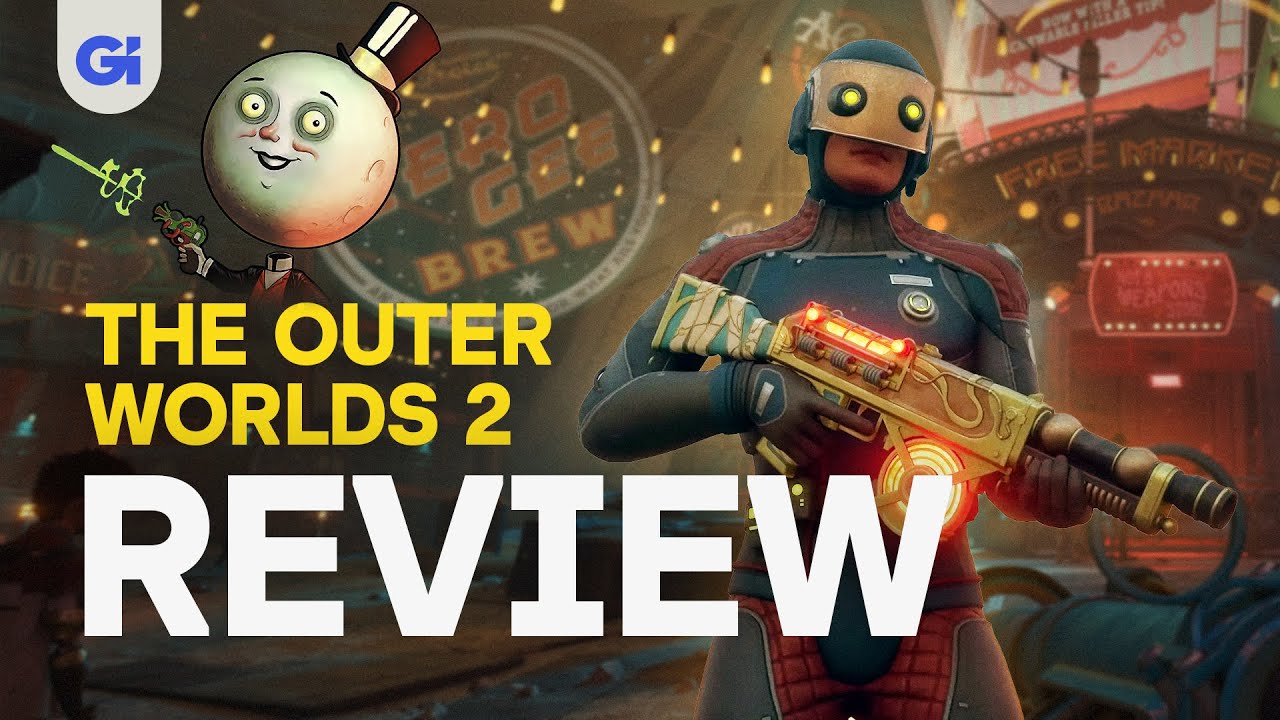
- The Outer Worlds 2
- Sonic Racing: CrossWorlds
- Donkey Kong Bananza
- Marvel’s Spider-Man 2
- Red Dead Redemption II
- Grand Theft Auto V
- Borderlands 4
- Forza Horizon 5
- Digimon Story: Time Stranger
For a deeper dive into the analytical data, you can view the full breakdown on Mat Piscatella’s social feed.
 Weta Workshop Opens Pre-Orders for Faramir Statue from The Lord of the Rings
 Until Dawn 2 Horror Game to Receive Physical Edition
 Tim Schafer Says Xbox Does Not Need Studios That Make Niche Games for Game Pass
 PlayStation Store Launches Gamescom Sale With Discounts Up to 75 Percent
 Riot Games and Hypixel Studios to Fund Technoblade Documentary
 Sony Adapts Pixel Adventure Game The Drifter Into Film
 Netflix Sets Avatar: The Last Airbender Season 3 for 2027 Release and Reveals Fire Lord Ozai
 FX Releases First Behind-the-Scenes Video for Season 2 of Alien: Earth