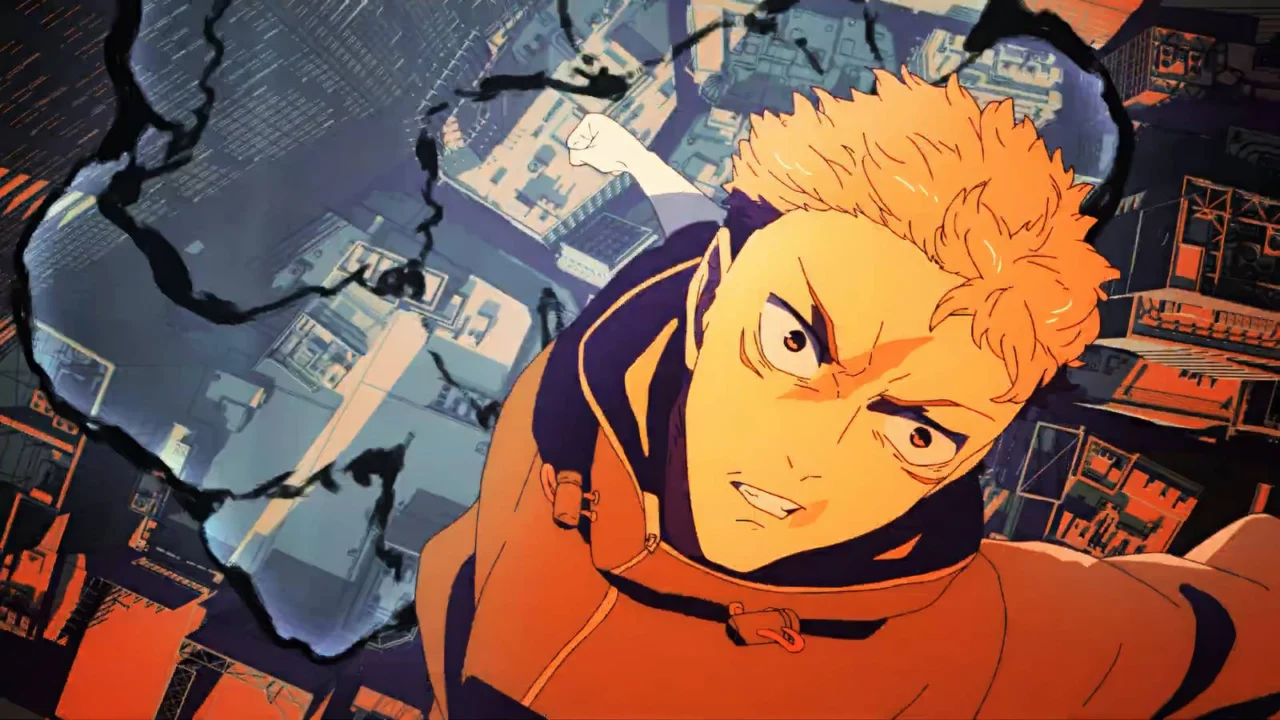
The Rich Symbolism of Jujutsu Kaisen Season 3’s Stunning Opening

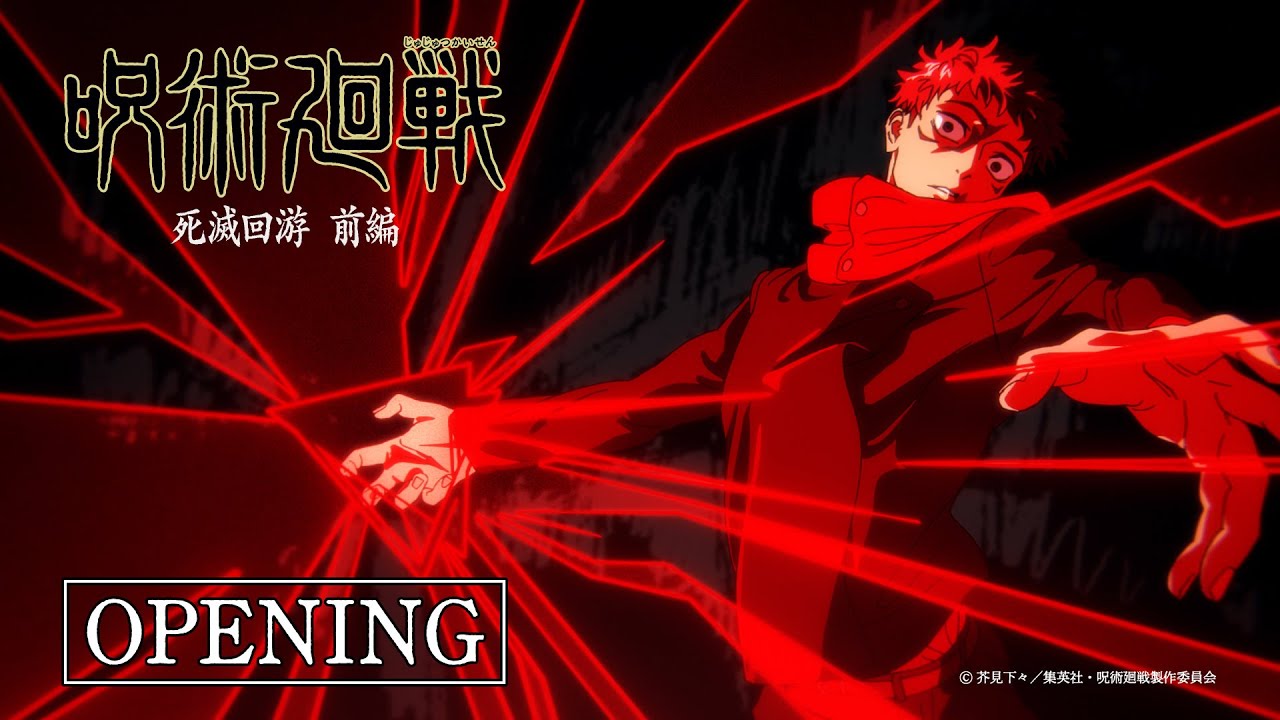
Jujutsu Kaisen has long been celebrated for its masterful opening sequences. From the foreshadowing found in Eve’s “Kaikai Kitan” during the debut season to the haunting, chaotic energy of King Gnu’s “Specialz” in the Shibuya Incident, the series knows how to set a mood. However, the third season—which launched on January 8 with an expansive hour-long premiere—elevates this tradition to a new level of sophistication. Set to King Gnu’s electrifying track “Aizo,” this sequence serves as a love letter to Gege Akutami’s original work. Beyond merely teasing future plot points, the opening incorporates profound art history parallels to add layers of meaning to its already complex narrative.
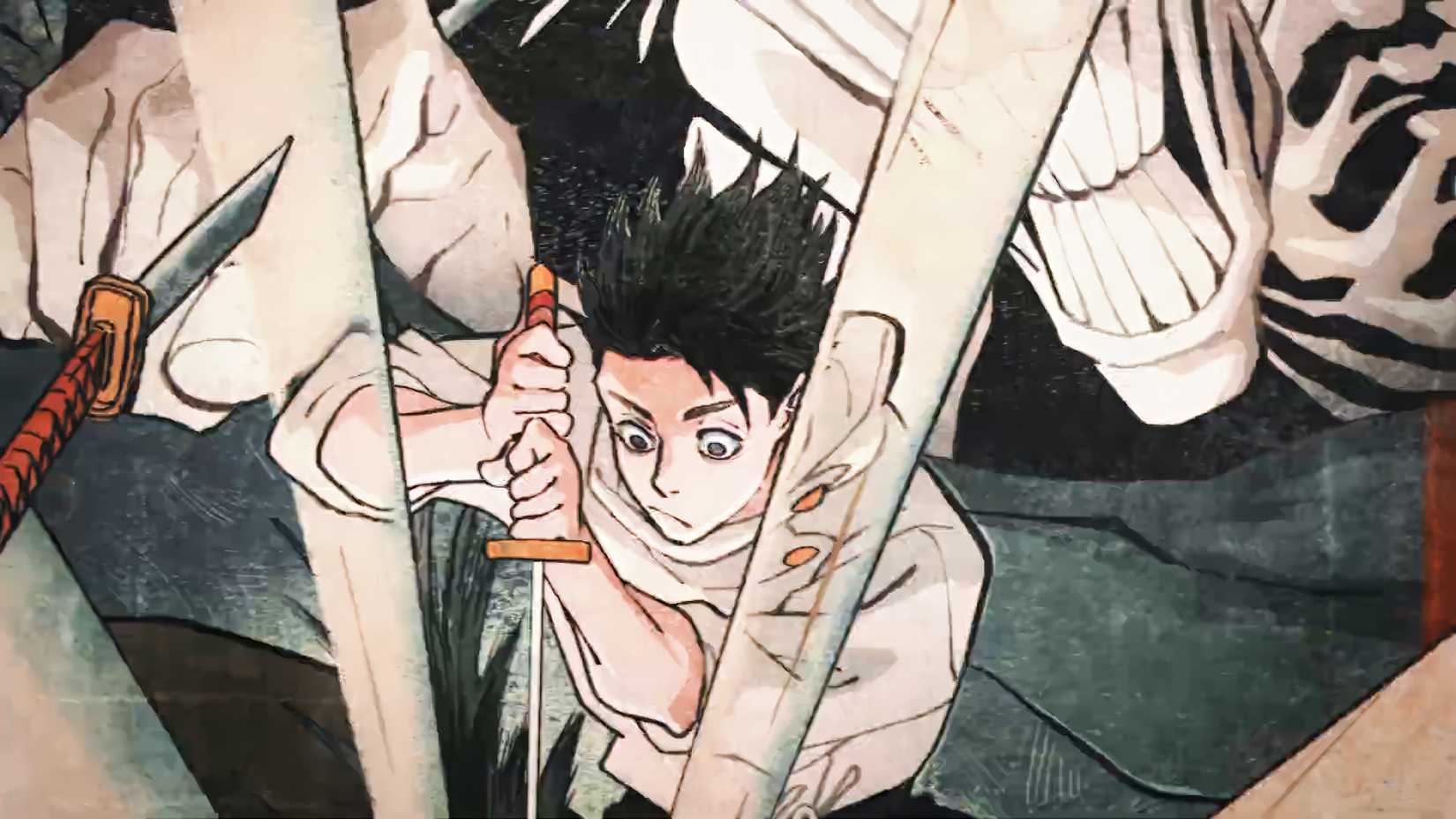
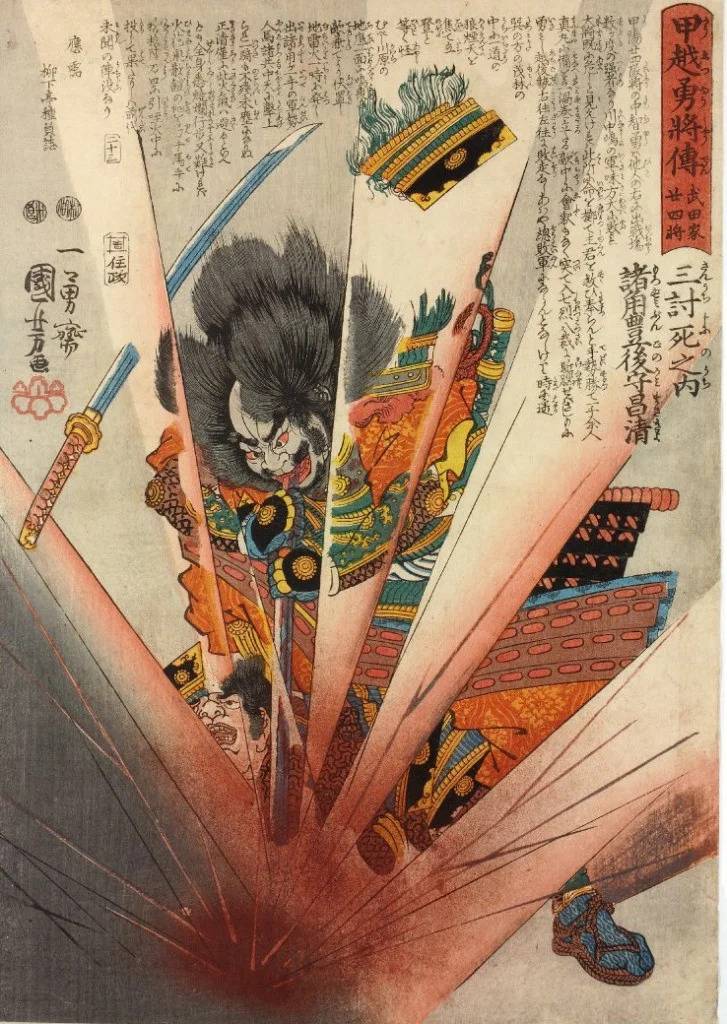
Take, for instance, the striking visual of Yuta Okkotsu plunging his blade downward as ethereal light breaks through the background. This frame is a direct homage to Utagawa Kuniyoshi’s 1848 woodblock masterpiece, One of the Three Historic Deaths in Battle, which chronicles the demise of samurai Morozumi Torasada. While Kuniyoshi’s original print evokes tragedy, Yuta’s version feels almost ecstatic, underscored by the presence of the cursed spirit Rika grinning over his shoulder.
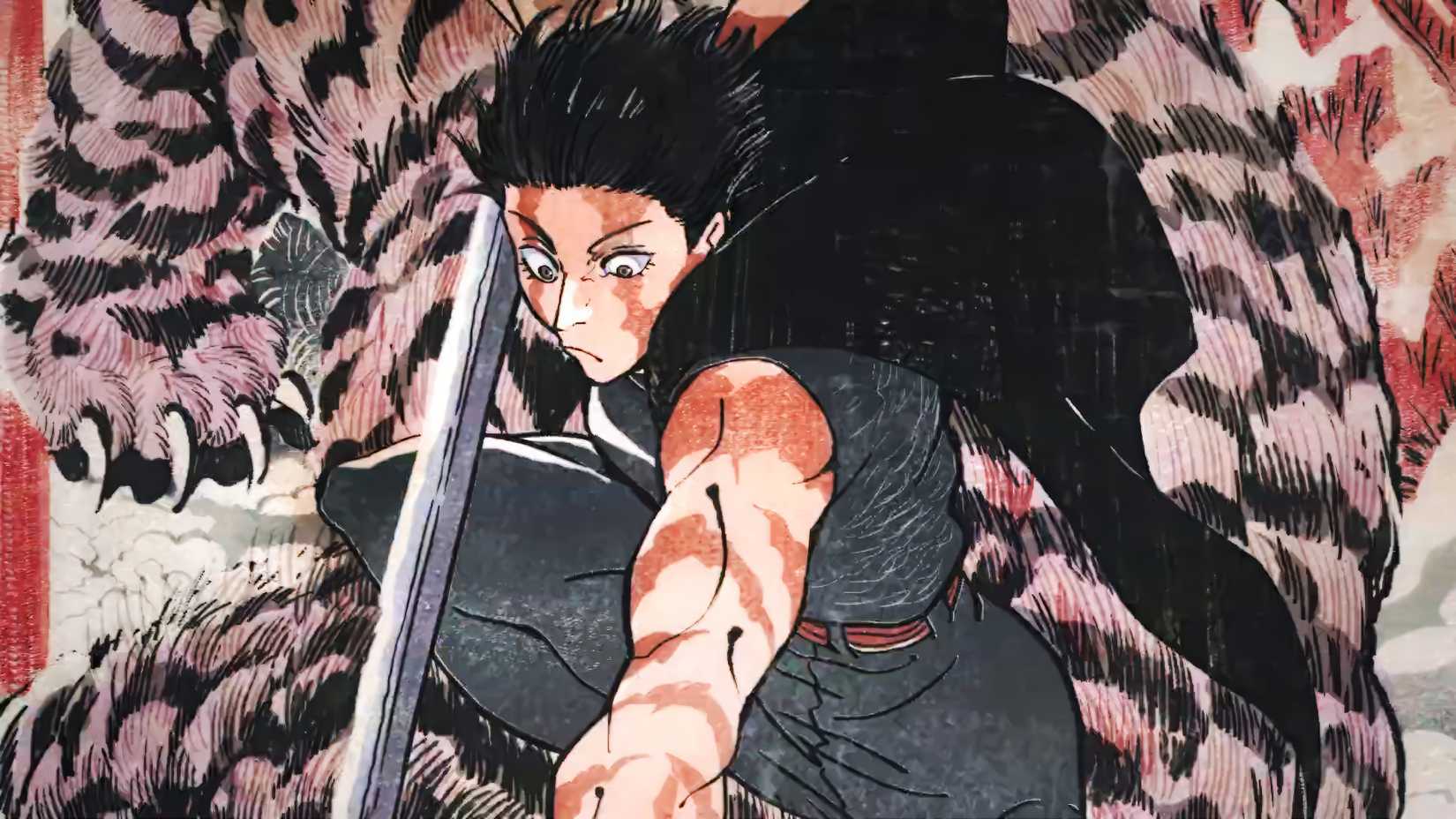
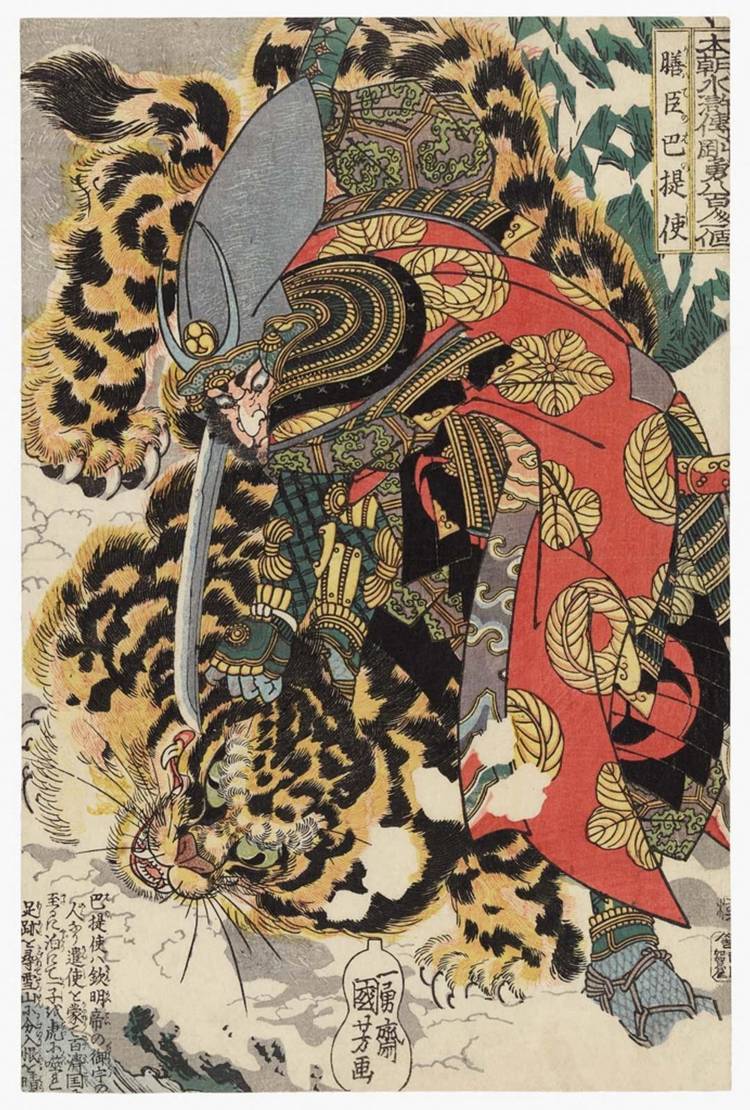
In another sequence, Maki Zenin is depicted battling a tiger, a composition echoing Kashiwade no Hanoshi from Kuniyoshi’s *Eight Hundred Heroes of the Japanese Shuihuzhuan*. The original artwork represents a man seeking vengeance by slaying a beast, a fitting metaphor for Maki’s simmering resentment toward the oppressive Zenin clan. With the introduction of the condescending Naoya Zenin in the premiere, the stage is set for an explosive clash of ideologies.
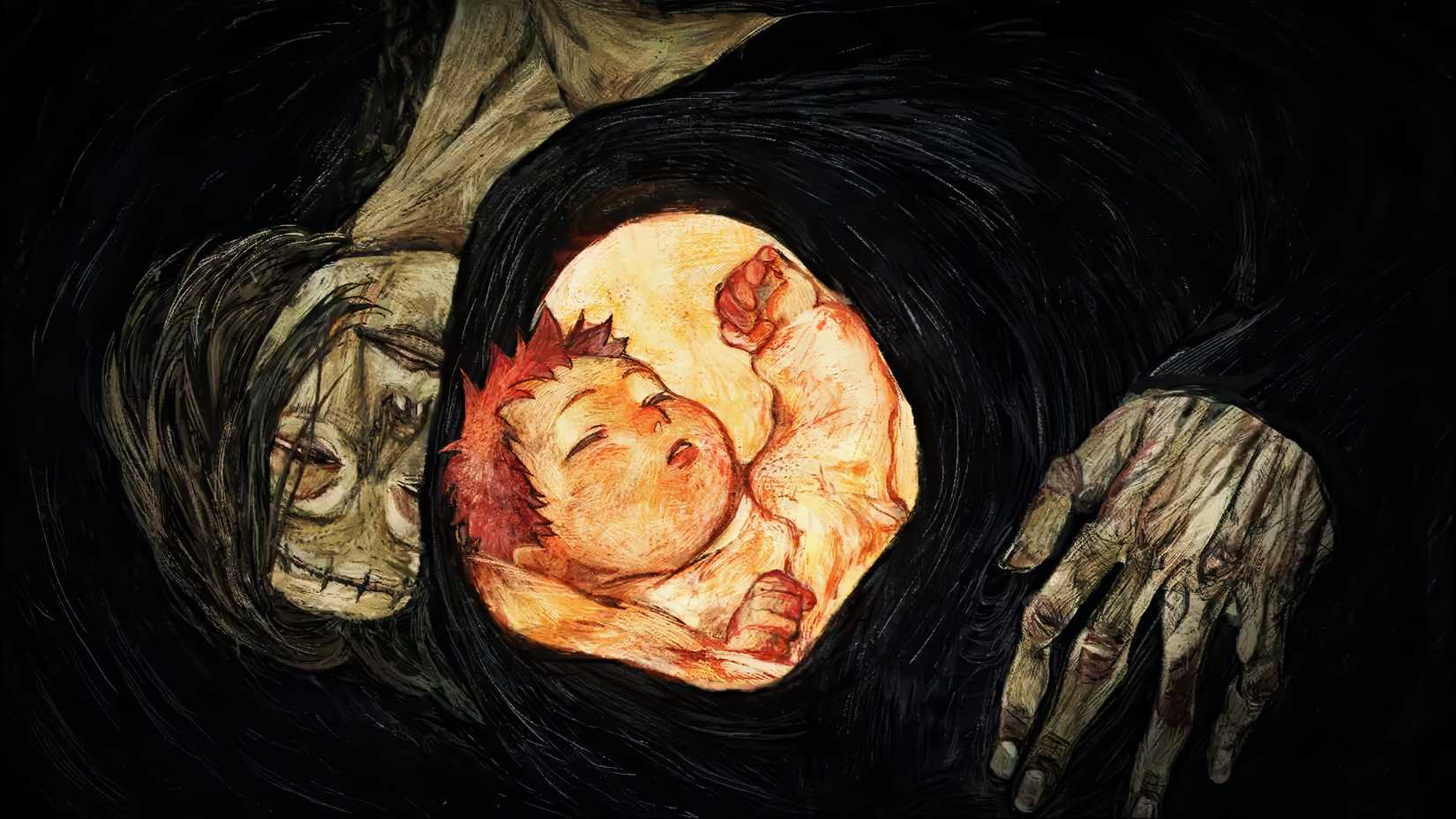
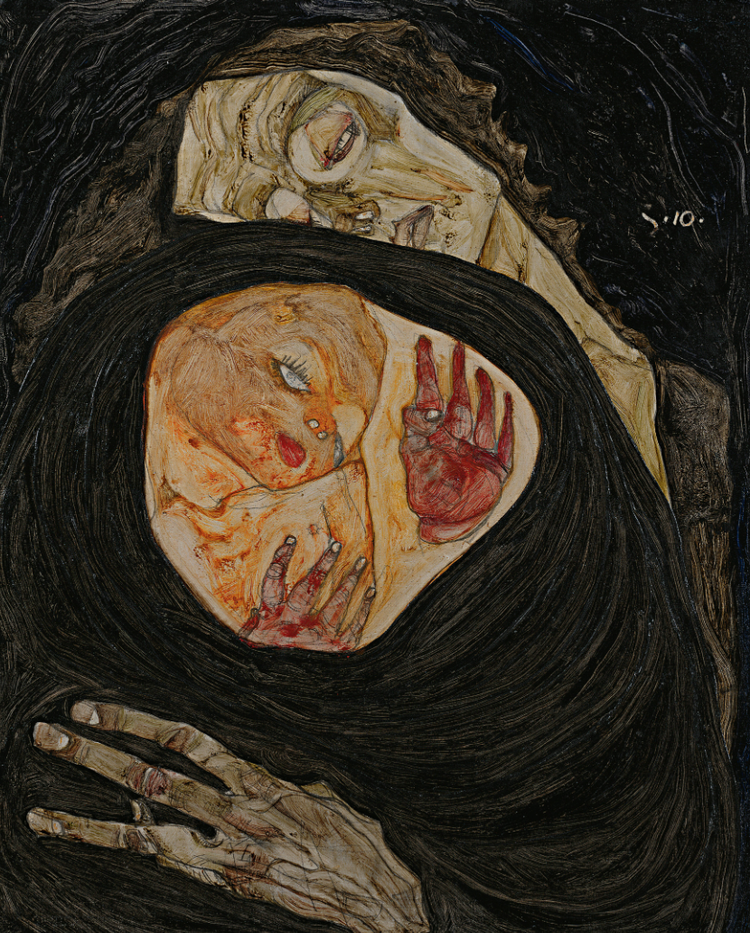
The visual metaphors range from the literal to the deeply symbolic. A poignant shot of an infant Yuji Itadori cradled within the womb by his mother, Kaori, carries a sinister undertone: the unmistakable surgical stitches across her brow. This haunting imagery mirrors Egon Schiele’s 1910 painting *Dead Mother*, a piece that explores the visceral and often grim connection between life and death. For fans of Akutami’s manga, this reference underscores the tragic subversion of Yuji’s birth—a life forged by external forces rather than choice.
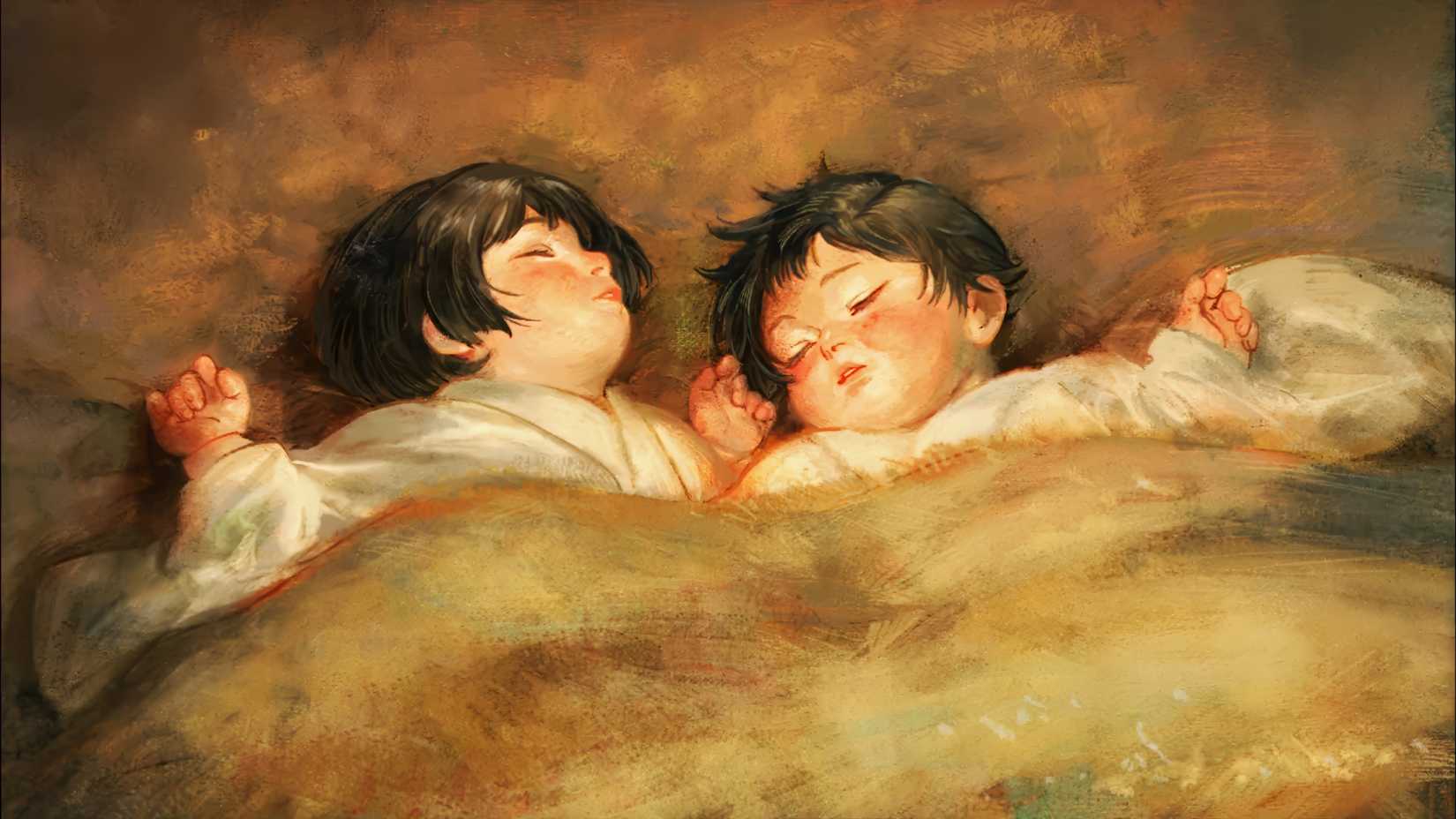
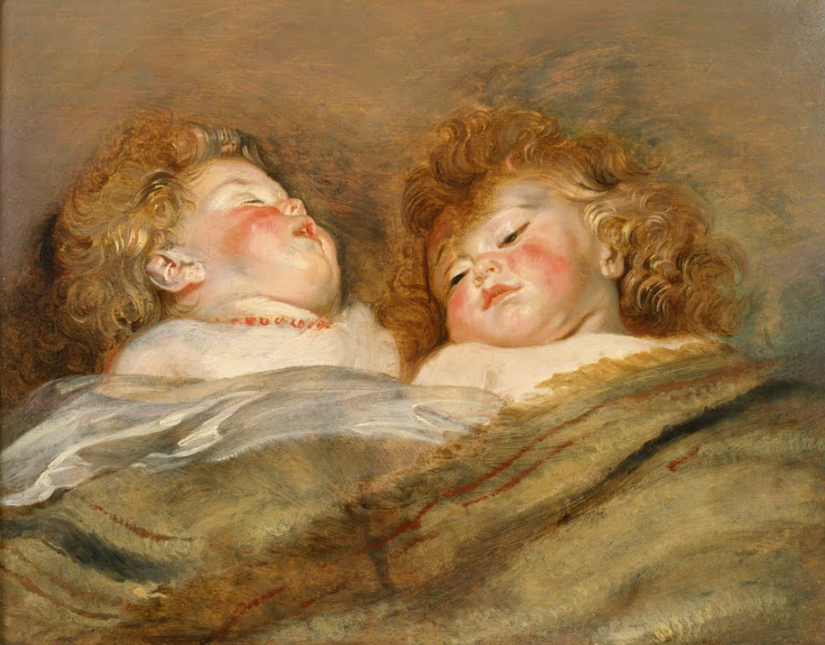
This melancholic tone continues with a glimpse of Mai and Maki Zenin as children, resting peacefully. The shot references Peter Paul Rubens’ *Two Sleeping Children*, which depicts the orphaned children of the artist’s brother. While Rubens’ work is a tender tribute to innocence lost, the Zenin twins’ story is marred by their family’s cruelty. Born into a hierarchy that viewed Maki’s lack of cursed energy as a defect, the sisters were eventually driven apart by the very system meant to protect them. This image serves as a fleeting reminder of the pure, sisterly bond they shared before their destinies were fractured.
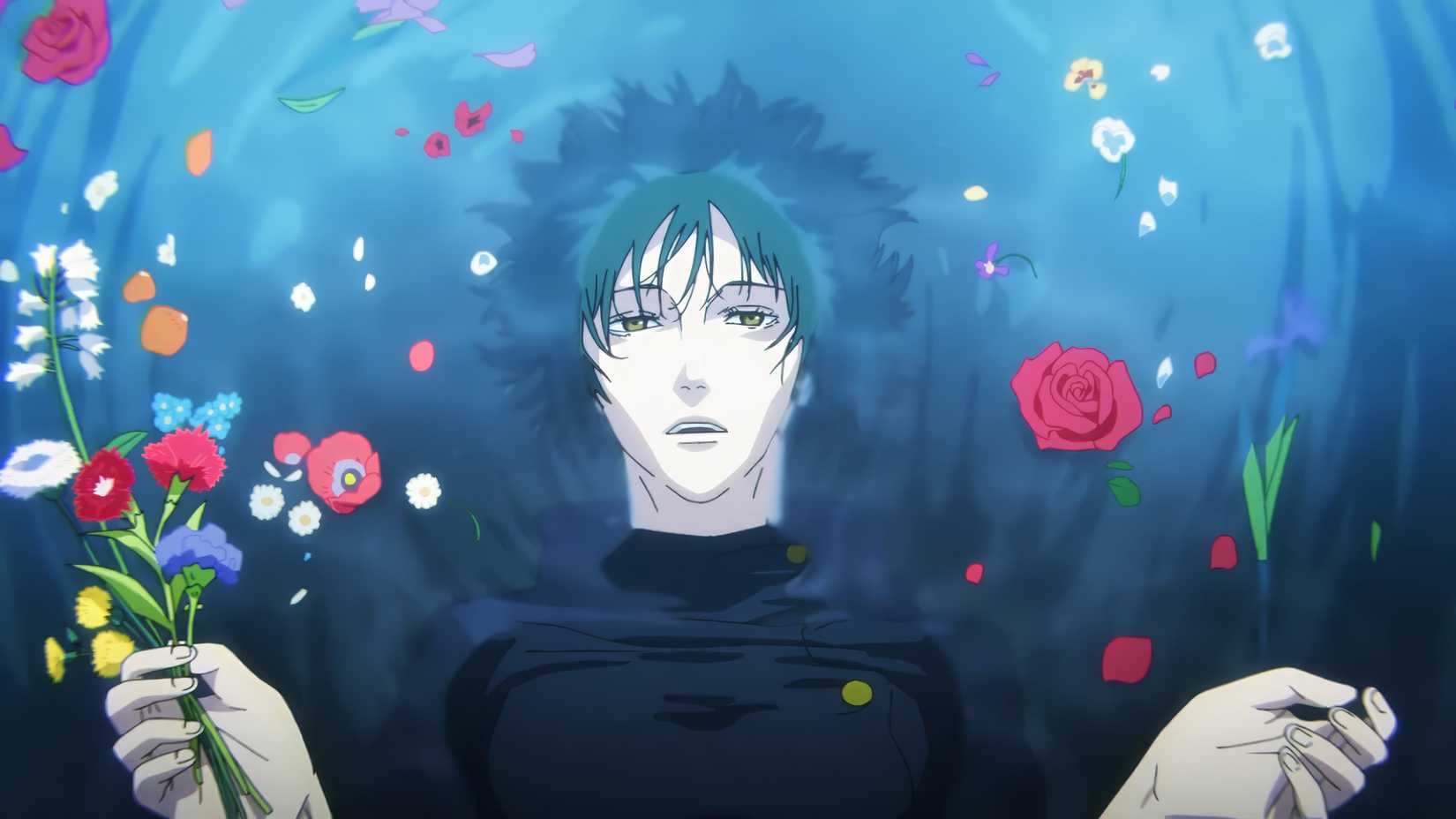
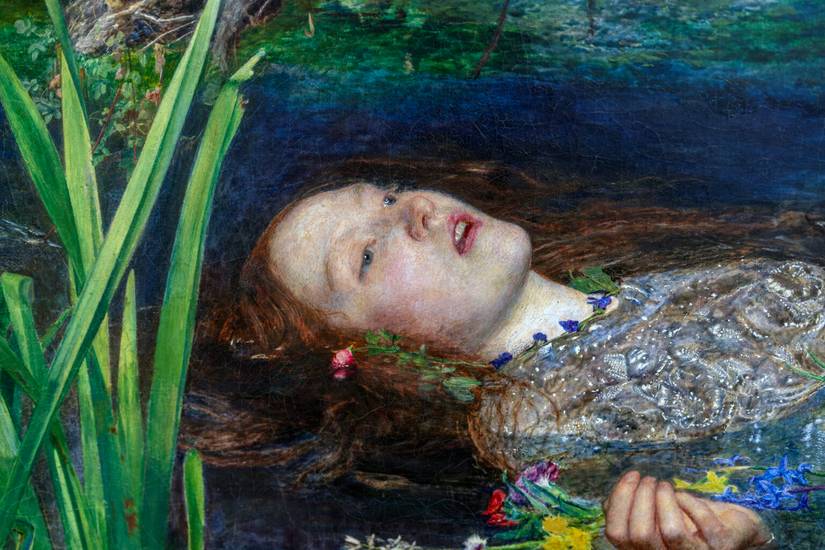
Mai’s internal struggle is further highlighted through a reference to John Everett Millais’ *Ophelia*. Floating with a vacant, detached expression, Mai’s posture evokes the tragic Shakespearean heroine, hinting at themes of self-sacrifice and the heavy burden of her family’s expectations.
The sequence also makes room for visceral anguish and dark humor. Edvard Munch’s *The Scream* makes a cameo—though the identity of the agonized figure is left ambiguous. It serves as a perfect tonal harbinger for the Culling Game arc, a ruthless battle royale destined to plunge the world into disorder. On a lighter note, Panda and Principal Yaga are seen lounging in a field, a reference to Claude Monet’s *Camille Monet and a Child*. This impressionistic touch reinforces their “found family” dynamic, offering a rare glimpse of warmth amidst the coming storm.
Even the more bizarre moments of the manga find their way into the opening. Yuta’s “kiss” with the Special Grade curse Kurourushi—a tactical and hilarious manga moment—is reimagined through the lens of Gustav Klimt’s *The Kiss*. It’s a bit of macabre levity that perfectly encapsulates the series’ unique blend of horror and humor.
The visual feast doesn’t end there. New pivotal players like Hiromi Higuruma and Kirara Hoshi are introduced, while Sukuna and Kenjaku remain looming threats. Sukuna’s reflection in a mirror feels like a scene from a psychological thriller, hinting at the unchecked slaughter he is capable of unleashing. Meanwhile, Kenjaku is depicted as a giant peering over Japan, a true puppet master whose grand design drives the season’s conflict.
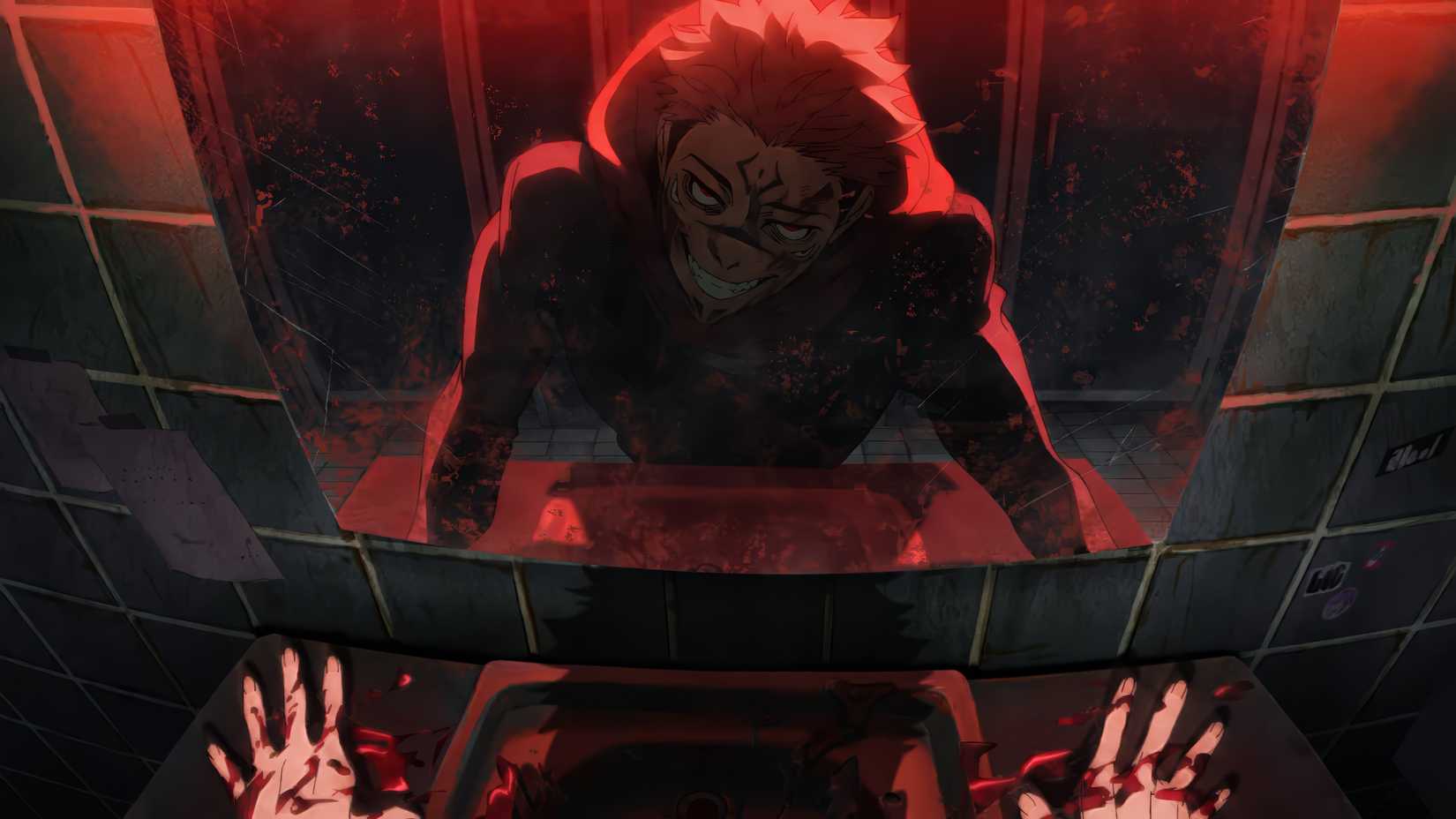
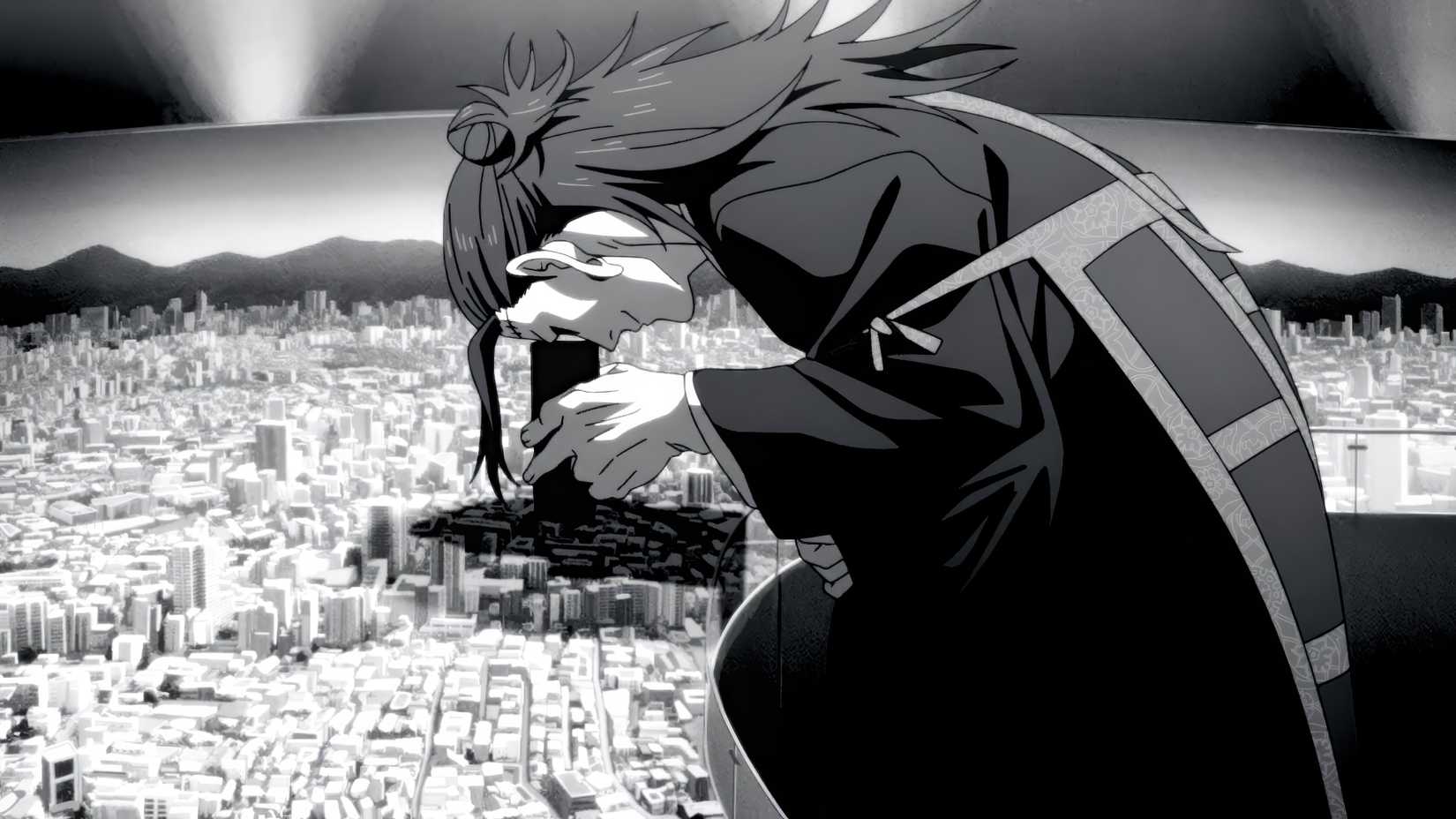
MAPPA has once again demonstrated its unparalleled skill in adapting *Jujutsu Kaisen*. This Season 3 opener is a showcase of the studio’s strengths: fluid, high-octane animation combined with a sophisticated use of artistic symbolism. The sequence’s frenetic energy is balanced by striking character slides drenched in a vivid, blood-red hue. A final, haunting close-up of Yuji staring at his own stained hands serves as a sobering reminder of the internal conflict and guilt that will define his journey this year.
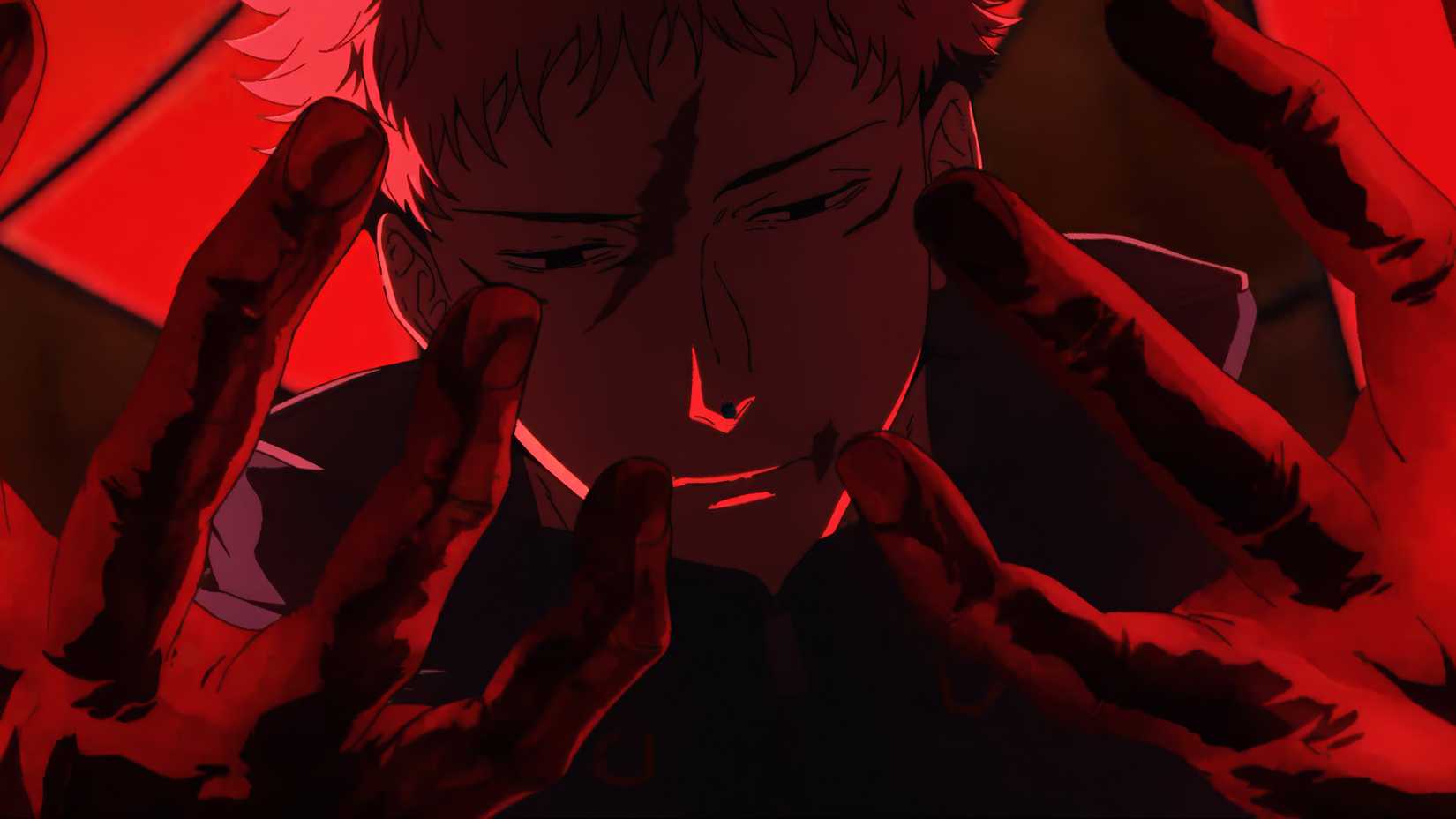
With such a rich and symbolic start, the Culling Game promises to be one of the most visually and emotionally resonant chapters in the *Jujutsu Kaisen* saga.
New episodes of Jujutsu Kaisen Season 3 are available to stream every Thursday on Crunchyroll.
Source: Polygon
Related articles
 Insider Details Major Microsoft Changes Following Player Requests
 Hideo Kojima Criticizes DLSS, Says AI Does Not Understand Author’s Intent
 GTA VI Rival Paradise MIA for 18 Months Following Controversy
 PS5 Pro Operated for a Year Inside a Cardboard Box in User Experiment
 Star Citizen Sees Drop in Revenue and New Player Inflow, Analyst Reports
 2K Warns Players As One of the Best Basketball Simulators Is Removed From Steam and Other Stores
 Fans Release Remaster of Canceled Borderlands Online After 11 Years
 Roman Smirnov Demonstrates Improved Destruction System in The Finals Ahead of Major Update