X-Men May Revive an Iconic 40-Year-Old Apocalypse Story

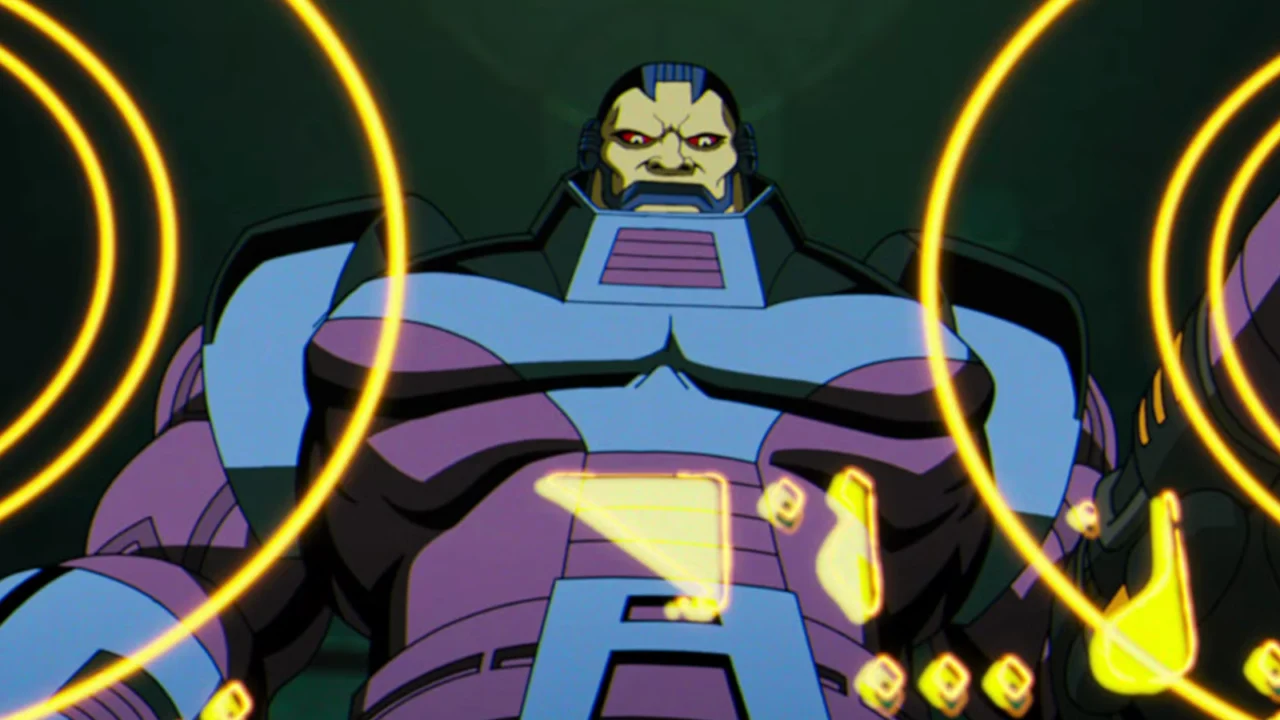
Within the storied history of the X-Men rogues’ gallery, Magneto may comfortably hold the top spot, but Apocalypse is an undisputed runner-up. Ever since his breakout performance in the iconic 1990s Age of Apocalypse narrative, En Sabah Nur has remained one of the Marvel Universe’s most formidable entities—frequently proving even more dangerous when his goals temporarily align with the X-Men.
With his prominent return in X-Men ’97 season 2, the ancient mutant is once again commanding the spotlight. Naturally, fans are buzzing about what lies ahead following the dramatic twists of recent episodes. Because X-Men ’97 excels at reimagining legendary comic arcs—from the fall of Genosha to the emotional depth of “Lifedeath”—it stands to reason that future storylines will draw heavy inspiration from source material.
Paradoxically, Apocalypse doesn’t actually possess an overly crowded bibliography. Marvel’s writers have historically used him sparingly to preserve the gravity of his appearances. Should the animated series choose to adapt another major storyline centered around him, here are our top predictions, ranked from highly plausible to deeply improbable.
Major spoilers follow for season 2 of X-Men ’97.
1
The Twelve
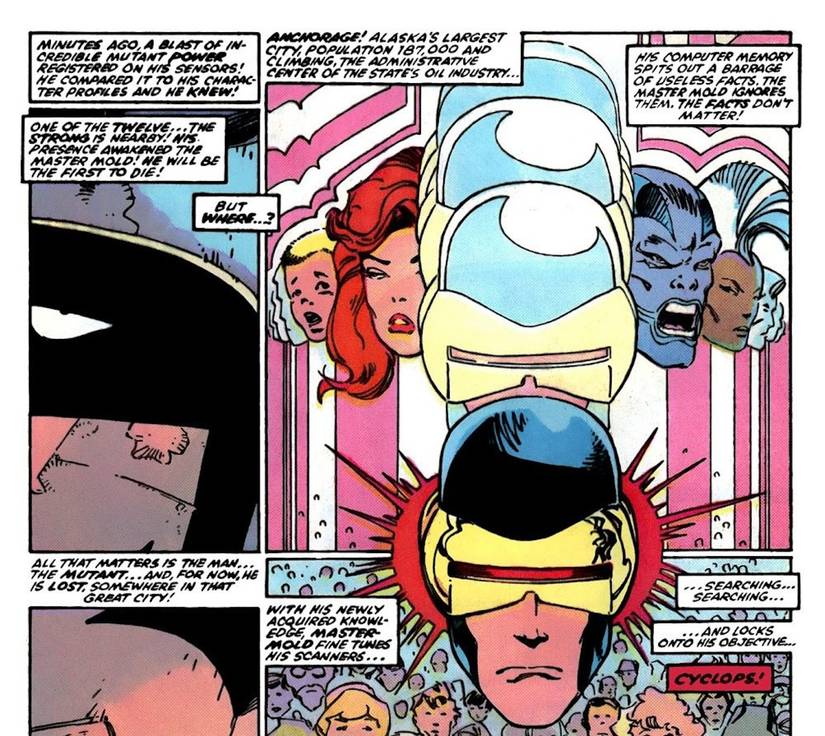
This storyline represents something of a unicorn in X-Men publication history: a long-term mystery that actually reached a definitive conclusion. X-Men lore is littered with abandoned plots derailed by shifting creative visions or editorial shake-ups, but The Twelve successfully crossed the finish line.
The concept was first teased in X-Factor #14 (1986), introducing a prophesied assembly of mutants destined to lead their species, who were consequently hunted by advanced Sentinels. The initial roster featured heavy hitters like Apocalypse, Cyclops, Storm, Jean Grey, Danielle Moonstar, and Franklin Richards.
Originally envisioned as a slow-burn narrative about impending superhuman conflicts, the thread was largely shelved when legendary writer Chris Claremont departed the franchise in 1991.
When creators revisited the idea late in the decade, the mythology expanded. It was revealed that the Sentinels’ target list originated from Sanctity, a time-traveling member of Clan Askani who planted the data to avert a dystopian future.
In the final version of the story, the Twelve were revealed to possess specific biological traits that Apocalypse needed to harvest in order to ascend to divine status. Alongside obvious choices like Phoenix, Iceman, and Magneto, the roster included unexpected figures such as Sunfire, Polaris, Bishop, Mikhail Rasputin, and the Living Monolith.
The resolution, characteristic of late-90s Marvel excess, involved convoluted crossovers, fabricated deaths, temporal anomalies, renegade Skrulls, and the temporary demise of Cyclops. (The lingering psychological fallout from this ordeal famously plagued Scott Summers well into Grant Morrison’s tenure.)
All things considered, this grandiose narrative style fits X-Men ’97 like a glove. The prospect of rounding up specific mutants to drain their power and achieve godhood aligns perfectly with the animated series’ depiction of En Sabah Nur. That said, if the current season is indeed building toward this revelation, the clock is ticking to introduce all twelve participants.
2
The Further Adventures of Cyclops and Phoenix
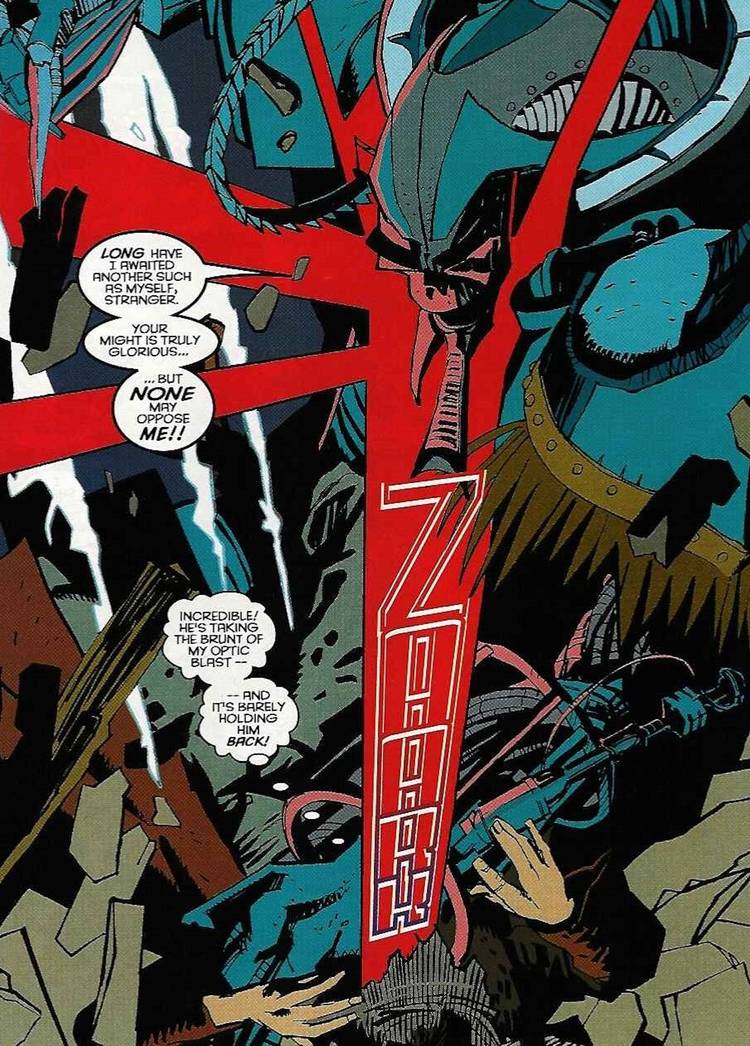
Marvel produced several time-travel miniseries focused on Scott and Jean during the ’90s. Since elements from the first volume have already influenced X-Men ’97, an animated adaptation of the sequel seems entirely feasible.
Penned by Peter Milligan alongside the late John Paul Leon, The Further Adventures of Cyclops and Phoenix is set in 1859 and functions as an origin story for Mr. Sinister. Long before he became a genetic monstrosity, Nathaniel Essex was simply a brilliant, morally unhinged Victorian scientist.
Essex might have lived in obscurity or fallen victim to a pitchfork-wielding mob had Apocalypse not intervened. Posing as a mortal, En Sabah Nur introduced Essex to the dangerous cocktail of alien biotechnology and ruthless social Darwinism that forged Mr. Sinister. Plucked from their timeline by Sanctity, Scott and Jean find themselves stranded in 1859 with a mere 48 hours to thwart Apocalypse’s plans for British dominion.
This period piece aesthetic translates wonderfully to animation, blending high-stakes superhero spectacle with historical drama. Consider this scenario a strong contender for the screen.
3
Apocalypse vs. the Brood
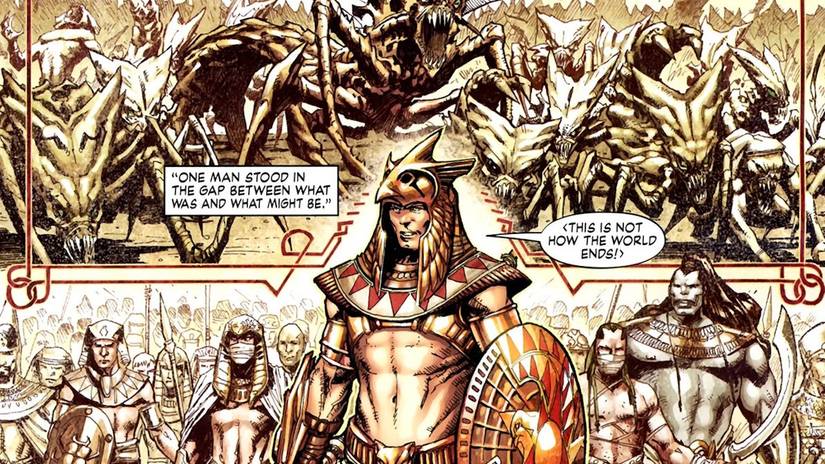
To understand En Sabah Nur’s origins: born in ancient Egypt 5,000 years ago, his unusual grey skin and facial markings marked him as an outcast. Discovering alien technology allowed him to augment his abilities, granting him the longevity to survive into the modern era alongside Marvel’s hidden immortals.
In 2620 BC—during an era referenced but rarely explored in full—Nur allied with the pharaoh Imhotep and a historical incarnation of Moon Knight to repel an invasion by the alien Brood. This historic partnership eventually laid the groundwork for the Brotherhood of the Shield, the covert society that preceded modern S.H.I.E.L.D.
While an adaptation here is a long shot, watching an ancient alliance of Apocalypse and Moon Knight battle swarms of Brood would make for incredible television.
4
Apocalypse vs. Dracula
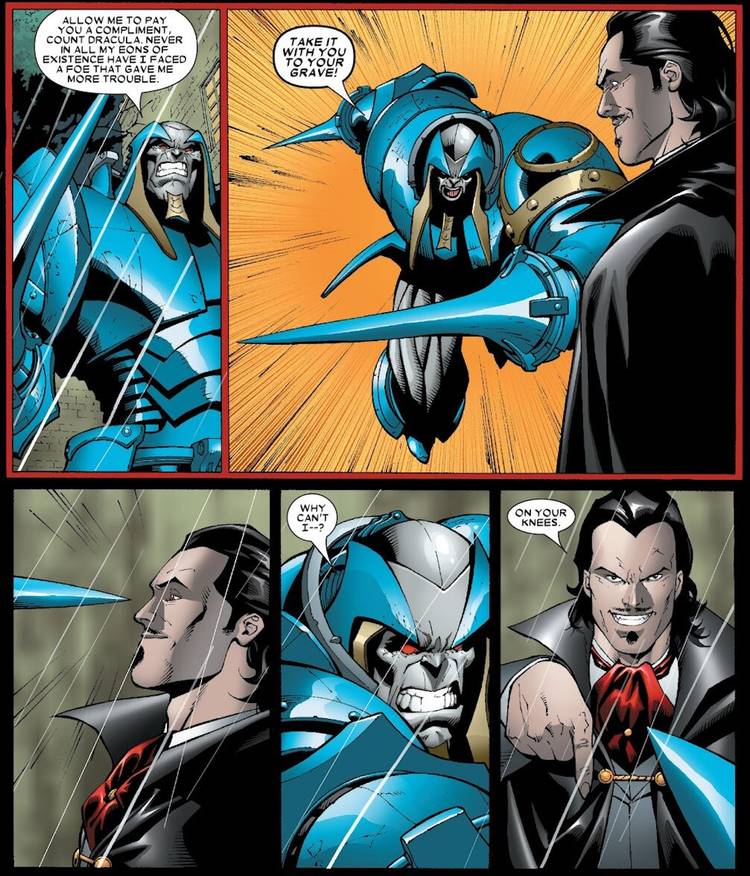
Speaking of Moon Knight: this 2006 miniseries explored a centuries-old blood feud between Nur and Marvel’s iteration of Dracula, originating from a 15th-century encounter in Romania where Vlad Tepes barely survived a confrontation with the mutant.
Centuries later, Dracula uncovers a hidden syndicate of Apocalypse’s lineage operating in Victorian London. When these descendants begin turning up drained of blood, the survivors awaken Nur to eliminate the threat, leading to an unexpected alliance between Apocalypse and Abraham Van Helsing.
Dracula shares a rich history with mutantkind, notably a classic storyline where he nearly transformed Storm into a vampire—which famously inspired an alternate reality tale where Wolverine seized control of the vampire underworld. Given X-Men ’97‘s fondness for weaving disparate comic threads together, a three-way collision between the X-Men, Apocalypse, and Dracula could be brilliantly entertaining.
5
Age of Apocalypse (1995)
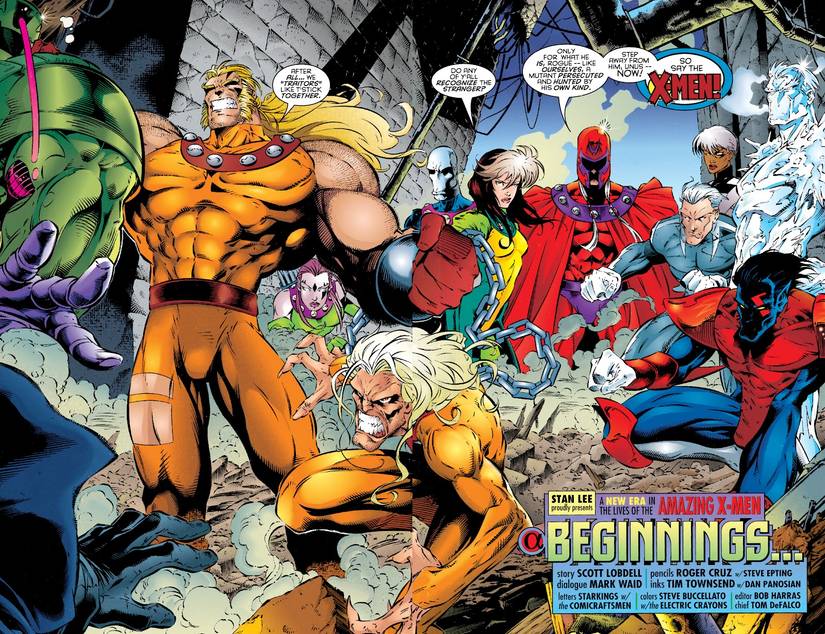
Three decades later, this remains the defining Apocalypse narrative—and paradoxically, the least likely to be adapted here. Let’s manage expectations immediately.
The crossover began when David “Legion” Haller, Charles Xavier’s immensely powerful son, traveled back in time to assassinate Magneto in a misguided bid to reshape history. Instead, he accidentally killed Xavier.
Due to Legion’s reality-altering mutant powers, his actions bypassed standard temporal paradox rules, fundamentally rewriting history rather than branching a new timeline. North America fell to Apocalypse, leaving resistance to a ragtag coalition of freedom fighters and Magneto’s X-Men. In this grim reality, traditional morality was inverted, and the Avengers never existed.
Generations of fans have dreamed of an animated Age of Apocalypse adaptation, and season 2 of X-Men ’97 initially seemed poised to deliver all the necessary pieces. Then episode 4 aired.
While an eventual dive into this dystopian timeline remains within the realm of possibility, the narrative momentum pointed elsewhere. Indeed, one of X-Men ’97‘s boldest creative choices has been resisting the immediate urge to sprint toward an Age of Apocalypse storyline.
Source: Polygon
Related articles
 Danganronpa 2×2 System Requirements Include RTX 4070 and 32 GB RAM
 Genshin Impact Version 7.1 Livestream Codes
 Director Na Hong-jin Discusses Transition from Slow-Burn Horror to Monster Movie Hope
 Set Photos From The People v. Gorilla Grodd Hint at King Solovar Appearance
 Cosplayer Portrays Sniper Wolf From Metal Gear Solid
 Ace Combat 8 Developers Are on a Mission to Create the Perfect Clouds
 Developers of Moss Shut Down Studio Despite Cross-Platform Release
 Rockstar Documents Reference 32-Player Limit for GTA VI Online