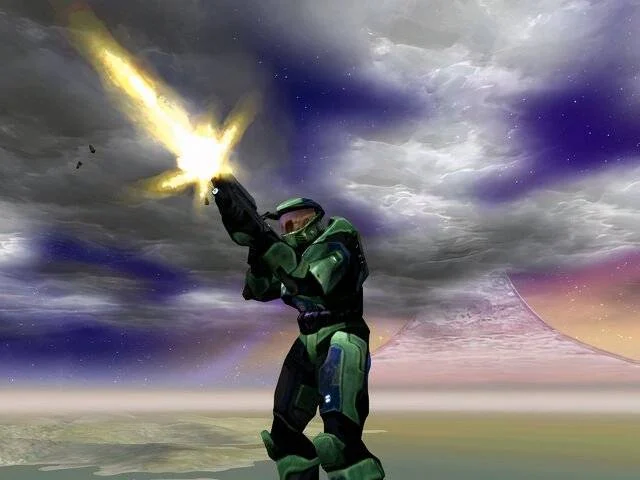
How Halo Created Xbox and Started It All
Patch Notes is a weekly newsletter bringing you the best of Polygon, sent on Fridays and published on the site on Sundays. You can subscribe here.
My introduction to Halo: Combat Evolved happened at a wealthier acquaintance’s house, complete with a massive widescreen television—a true luxury back in 2001—and an immersive surround-sound setup. The atmosphere was thoroughly captivating. During the opening moments of The Silent Cartographer, I vividly remember spinning Master Chief around in a sudden panic because the audio cued a Covenant dropship touching down directly behind my position. It turned out not to be an alien craft at all, but rather my host’s washing machine entering its spin cycle.
Reflecting on Halo this week, prompted by the release of the reimagined Halo: Campaign Evolved, my mind immediately gravitates toward its auditory landscape. The game boasts countless undisputed masterpieces of design: seamless cooperative mechanics, peerless movement physics, the daring yet brilliant two-weapon inventory cap, the celebrated “30 seconds of fun” combat loop, iconic vehicles, and that breathtaking skybox framing the ringworld sweeping into the stratosphere. Yet, it is unfailingly the sound design that lingers most.
Think of Marty O’Donnell’s thunderous, galloping musical score. The resonant electronic hum of Master Chief’s energy shields recharging. The heavy, visceral thud of close-quarters combat. The miniature storytelling conveyed in a single unloaded Needler cartridge: the delicate rattle of crystal shards chambering, the eerie whistle as they track their target, the delayed, hollow pop of their detonation, and the definitive mechanical click-clack of a fresh reload. Add to that the finest enemy dialogue in gaming history—the frantic, humorous chatter of the Grunts alongside the Elites’ signature “worp worp worp,” striking a brilliant balance between ridiculous and menacing.
Though I haven’t touched the title in years, that entire acoustic ecosystem remains crystal clear in my memory. I could effortlessly sit through an entire playthrough with my eyes closed, visualizing every moment through sound alone. There is an undeniable tactility to Halo‘s audio design that anchors the virtual world, making it feel remarkably tangible and authentic.
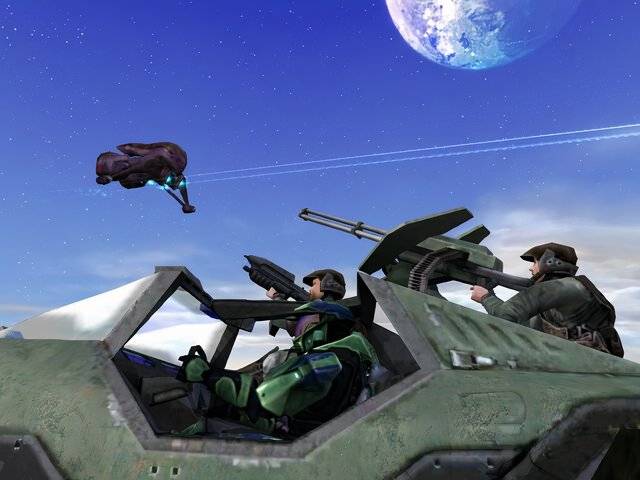 Image: Bungie/Xbox Game Studios
Physicality was, at its core, what the original Xbox stood for. I recall unboxing my own console a few months later. While undeniably unorthodox in appearance, it possessed an unmistakable heft and rugged build quality, shipping out of the box with audiophile-grade, gold-plated cables designed to pristine fidelity. It would have lost a beauty contest against the sleek contours of the PlayStation 2 or the charming, retro-futuristic aesthetic of the GameCube, but when it came to sheer hardware durability, it operated in an entirely different tier. Best of all, it arrived paired with Halo.
This represented a harmonious convergence of hardware and software launch titles rarely seen outside of moments like Super Mario World arriving alongside the SNES. When Microsoft acquired Bungie—previously known for developing niche, modestly successful Macintosh titles—and brought over Halo through its various iterations as a strategy and third-person action project, the acquisition felt unconventional. Instead, it proved to be a masterstroke, instantly catapulting the Xbox to cultural relevance on its very first outing. (It remains fascinating to remember that Grand Theft Auto 3 debuted concurrently and, at the time, felt comparatively understated.)
In our collective cultural memory, Halo essentially birthed the modern Xbox brand: its multiplayer dominance, its technical prowess, and its distinctively rugged, green-tinted aesthetic. It was unashamedly Western, proudly American, and represented a hostile takeover of the console landscape by a genre that—aside from GoldenEye—had historically belonged to PC players. Together, the hardware and software carried immense culture-shock potential, yet their success ultimately proved impossible to dispute.
Having not yet experienced Campaign Evolved firsthand, I cannot judge how thoroughly the remake captures the monumental historical importance and creative spark of the original. I hear encouraging reports, but honestly, it hardly matters. The original game remains fully accessible—if not strictly via original Bungie code—through the Master Chief Collection, and nothing about how it plays feels dated or cumbersome today. It will forever stand as one of the medium’s greatest unexpected triumphs. Merely pondering it revitalizes my deep appreciation for video games. Vwooooop.
Related articles
 Danganronpa 2×2 System Requirements Include RTX 4070 and 32 GB RAM
 Genshin Impact Version 7.1 Livestream Codes
 Director Na Hong-jin Discusses Transition from Slow-Burn Horror to Monster Movie Hope
 Set Photos From The People v. Gorilla Grodd Hint at King Solovar Appearance
 Cosplayer Portrays Sniper Wolf From Metal Gear Solid
 Ace Combat 8 Developers Are on a Mission to Create the Perfect Clouds
 Developers of Moss Shut Down Studio Despite Cross-Platform Release
 Rockstar Documents Reference 32-Player Limit for GTA VI Online