The Perfect Cozy Game Companion to Pokémon Pokopia
Last year, I found myself completely engrossed in Art of Fauna. This award-winning mobile title is elegantly minimalist: a puzzle experience where classic animal illustrations are segmented into strips for the player to reassemble. While it functions as a digital jigsaw collection, the marriage of exquisite artwork, immersive soundscapes, and deep educational context made it an unexpectedly captivating obsession.
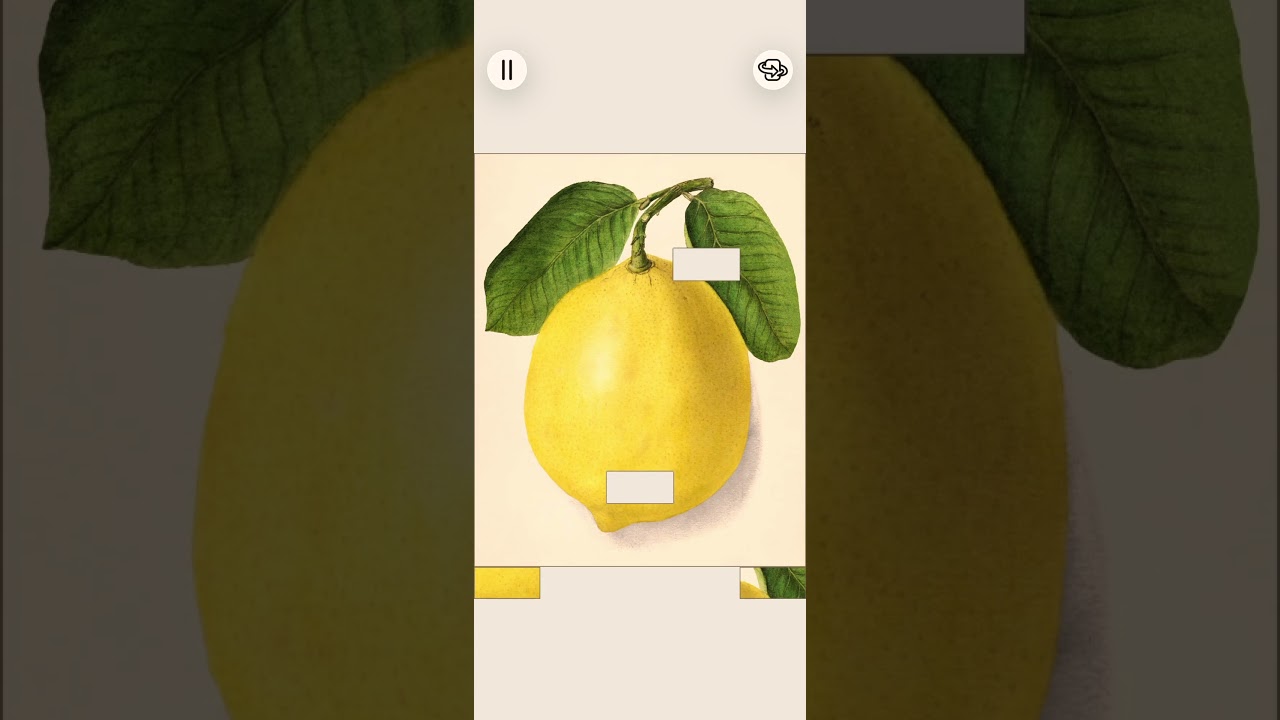
This month, I am revisiting that sense of tranquility with developer Klemens Strasser’s latest release, Art of Flora, now available on iOS. This follow-up maintains the core mechanics of its predecessor but shifts its lens toward the botanical world. It places an even heavier emphasis on natural history, fostering a genuine curiosity about the environment. It is the quintessential “cozy game”—a gentle experience that serves as a meditative companion to the ecological themes found in Pokémon Pokopia.
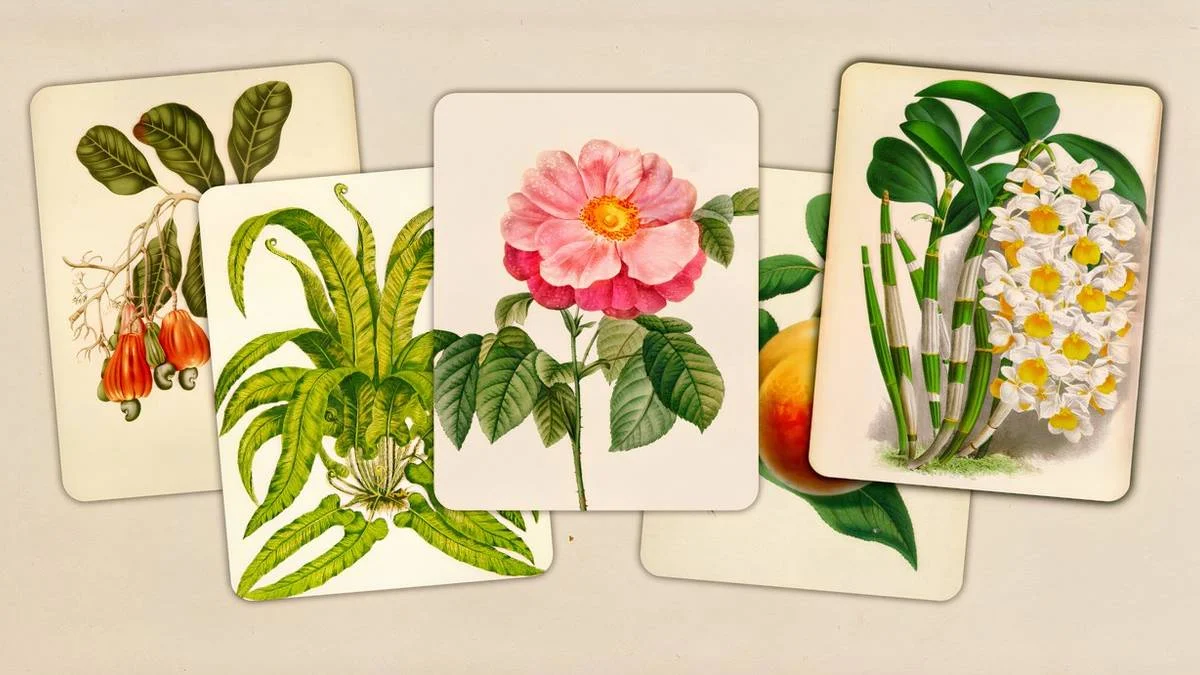
Art of Flora features a library of over 100 puzzles, including a generous starter pack of 10 for free. The imagery is sourced from authentic historical botanical illustrations spanning the 16th to the 19th centuries. There is a profound tactile joy in dragging these ornate strips into place until they snap together to reveal a completed masterpiece.
The game’s aesthetic appeal extends beyond the visual. Players solve puzzles against a backdrop of soothing ambient sounds, such as distant birdsong or the rhythmic pull of ocean waves. The interaction itself is musical; moving a puzzle piece triggers a dynamic orchestral string note, while successfully connecting segments rewards the player with a subtle, satisfying chime. It is the kind of thoughtful sensory feedback that makes the process feel deeply rewarding.
For those who appreciate the meditative pace of a jigsaw puzzle, Strasser’s work is an easy recommendation. However, the true depth of Art of Flora lies in its scholarly layer. Upon completing a puzzle, you can “flip” the artwork to uncover fascinating trivia. I learned, for instance, that the water cabbage is prohibited across the EU due to its status as an invasive species that suffocates aquatic ecosystems. I was equally fascinated to discover the sandbox tree, which launches its seeds at speeds reaching 250 kilometers per hour via exploding fruit. It is the sort of compelling knowledge you’ll find yourself eager to share.

The educational journey doesn’t stop at trivia. The app includes IUCN conservation statuses and geographical maps for each species, alongside biographies of the original botanical illustrators. These inclusions transform the game into something resembling a portable, interactive museum exhibit.
Strasser has also prioritized inclusivity and ethical design. The game offers accessibility features like a simplified mode for children, dyslexia-friendly typography, and a toggle to hide puzzles that might trigger trypophobia. Furthermore, the monetization model is admirable: a $10 purchase unlocks the full collection, with 20% of the proceeds donated directly to nature conservation. This commitment to real-world impact is exactly what earned Art of Fauna the Cultural Impact honor at the 2025 App Awards.
As a solo developer, Strasser has achieved something remarkable. While many games pay lip service to environmentalism, Art of Flora succeeds in turning a relaxing pastime into a sophisticated, pocket-sized field guide. If Pokémon Pokopia sparked an interest in the natural world, this game is the perfect way to nurture that curiosity.
Source: Polygon
Related articles
 Steam to Add New Trophy System to Address Old Achievement Issue
 PlayStation Casts Doubt on 60 FPS Support for GTA VI
 Call of Duty Report Points to Modern Warfare 4 as Epic Finale Amid Major Franchise Overhaul
 Soulslike Valor Mortis Released on PC and Consoles
 There Are No Ghosts at the Grand Combines Hotel Management with Ghost Hunting
 Iconic Peanuts Quote About Love Remains a Defining Comic Strip Line After 62 Years
 Stargate Atlantis Streaming Free on YouTube
 Planet Zoo 2 Released with New Trailer Showcasing Animals and Aquariums