The One D&D Rule from Critical Role Every DM Should Steal

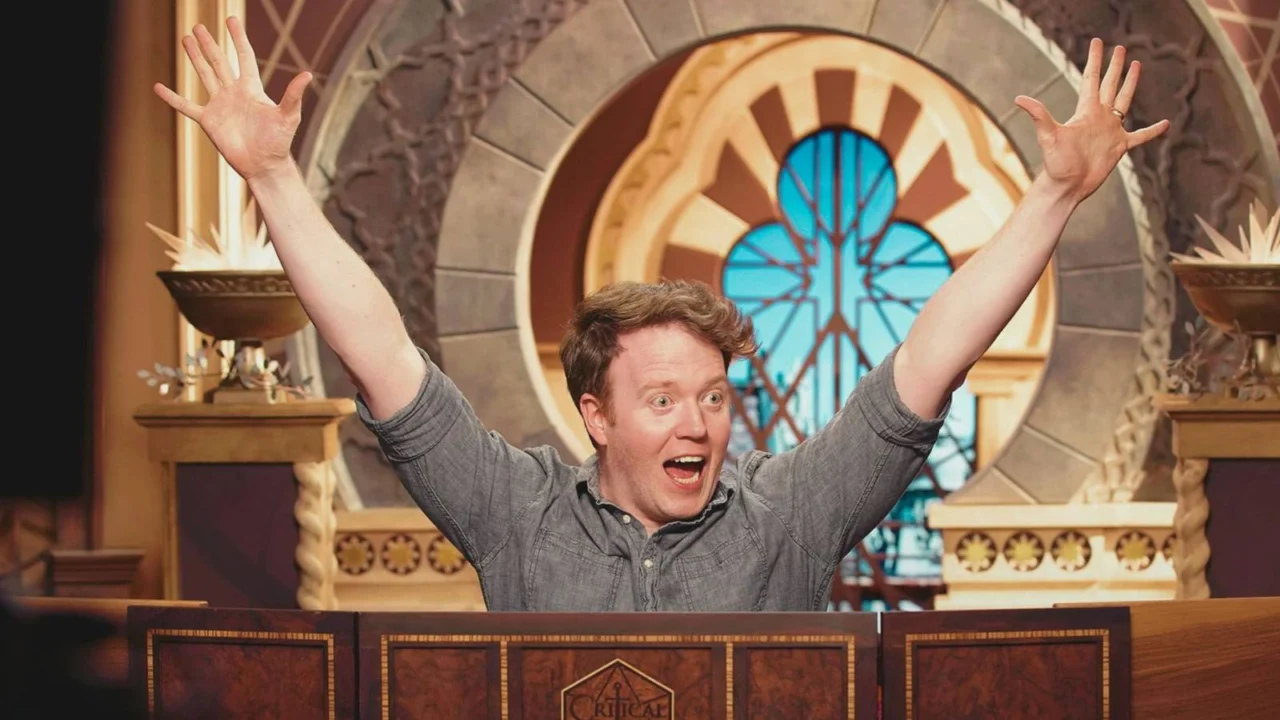
The fourth campaign of Critical Role has introduced a refreshing shift in momentum. This latest chapter of the iconic actual-play Dungeons & Dragons series features a transition in leadership, with Dimension 20 mastermind Brennan Lee Mulligan stepping into the Dungeon Master’s chair. Alongside the fresh, sprawling world of Aramán and a deeply compelling cast, the game feels invigorated.
Establishing the boundaries of a new campaign is a vital step for any Dungeon Master. Whether it involves tweaking specific spell mechanics or implementing radical house rules to spice up combat, these ground rules define the tone of the adventure. In discussions with cast members Liam O’Brien and Taliesin Jaffe, it became clear that while Mulligan fostered an intensely collaborative environment, he set one firm boundary: no evil characters.
“Brennan isn’t interested in stifling our creativity, but he was clear that evil characters were off the table,” explains Jaffe, who portrays the warlock Bolaire Lathalia. “Beyond that, the process was entirely collaborative. We brought our concepts to him, and he worked to ensure the world mirrored our intentions rather than forcing us into a predetermined mold.”
 Image: Critical Role
This mandate might surprise long-time viewers. Previous campaigns have featured characters navigating profound moral complexities—like Caleb Widogast’s dark past or Percy De Rolo’s struggle with corruption—but they consistently gravitated toward heroic redemption. In Campaign 4, that focus on morality is even more deliberate. Even when characters like Sir Julien Davinos (played by Matthew Mercer) exhibit abrasive traits, their underlying motivations are rooted in justice and a genuine desire to do what is right.
While some might view a prohibition on evil characters as a limitation, it actually strengthens the narrative coherence for this specific story. Mulligan and his players are crafting a tale about revolutionaries resisting the tyrannical Sundered Houses; introducing an evil element would likely fracture that foundation. For Mulligan, this reflects a broader philosophical stance on storytelling.
As he noted in a discussion with Marisha Ray, Mulligan views “evil” as a narrative shortcut. “Evil is fundamentally mundane and boring,” he explained. “It’s driven by selfish impulses that are easy to dissect—fear, cruelty, and greed. True heroism, however, is complex, arduous, and infinitely more beautiful to explore.”
Source: Polygon
Related articles
 Fan-Made Command & Conquer Mod Generals Evolution to Receive Story Campaign
 Rockstar Sends Gift to GTA VI Buyer Following Polite Request, Facing Criticism From Other Players
 Modder Restores Cut Assassin’s Creed Black Flag Resynced Scene Connecting Franchise Games
 Risk of Rain 2 Halloween DLC Enters Steam Top Sellers With Very Positive Reviews
 CDPR Releases The Witcher 3: Wild Hunt Update 5.01
 Ghost of Yotei Runs at 3.4 Frames Per Minute in PC Port
 Modder Adds Co-op and AI Partner to Resident Evil 2 Remake
 The Last of Us and Uncharted 4 Creator Admits Fear of GTA VI Release