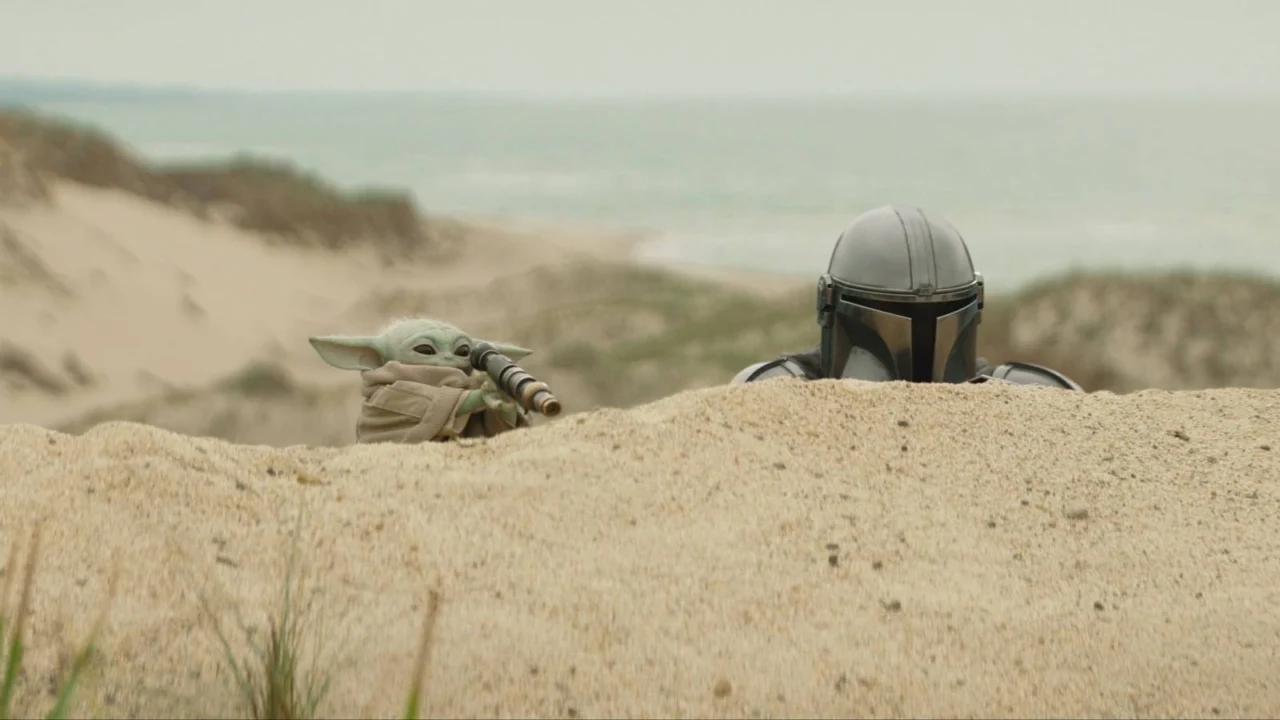
The Future of Star Wars Depends on More Movies Like The Mandalorian & Grogu

The initial box office returns for The Mandalorian and Grogu have arrived, and while a $100 million haul is nothing to scoff at, it marks a record low for a Star Wars theatrical opening. Critical consensus suggests the film feels somewhat modest—perhaps even too small in scope for a cinematic Star Wars outing. While that criticism is understandable, I’d argue this shift toward intimacy might be exactly what the franchise needs. After all, must every story be burdened with the fate of the entire galaxy?
Picking up shortly after the third season of the Disney Plus series, the narrative finds Din Djarin (Pedro Pascal) balancing his bounty-hunting career with his role as a father figure to Grogu. Shifting away from morally gray assignments, he now aligns himself with the New Republic. However, a high-stakes request to assist Hutt gangsters pulls him into a mission to track down the wayward son of the legendary Jabba the Hutt.
This plot lacks the grand, operatic stakes we traditionally associate with the saga, serving primarily as a rescue mission for Rotta the Hutt—a character eager to forge his own path away from his father’s criminal legacy. Beyond this singular mission, the film emphasizes Grogu’s maturation. Director Jon Favreau highlights that the child is far from a helpless ward; he is growing into a capable Force user who can stand his ground, hinting that in the long years after Djarin has passed, Grogu will still have allies like Rotta.
Image: Francois Duhamel/Lucasfilm
Usually, Star Wars films are synonymous with epic clashes between good and evil. Aside from Solo: A Star Wars Story—which carried the narrative weight of the original trilogy—we haven’t seen such a self-contained, character-driven story on the big screen. Critics might argue this could have been a series of television episodes, but that misses the point. Why shouldn’t we have character-focused films that explore mortality or the salvation of a single life instead of a galaxy? While harder to package as a traditional blockbuster, these stories offer a compelling alternative to the tired “save the universe” trope.
Disney would be wise to avoid rushing into another massive trilogy. The sequel trilogy proved that massive scale doesn’t guarantee quality, and forcing such projects diminishes their “event” status. Lucasfilm should prioritize variety: some films can be grand, while others can be intimate character studies. There is still an undeniable magic to seeing these worlds on the big screen—as evidenced by this film’s opening AT-AT sequence, which successfully captured the thrill of The Empire Strikes Back. Provided Disney doesn’t overreact to these tepid financial results, there is plenty of room for smaller, well-crafted stories to thrive in theaters.
Unfortunately, Disney has developed a reactionary habit. Following the backlash to The Last Jedi, the studio pivoted to the nostalgia-heavy The Rise of Skywalker, resulting in a hollow experience that satisfied few. This “gun-shy” approach caused a seven-year hiatus in theatrical releases, and their return to the big screen with a “more of the same” strategy has arguably hampered their momentum.
Ultimately, while The Mandalorian and Grogu will likely turn a profit through merchandising, it isn’t the grand resurgence the franchise was hoping for. The path forward for Lucasfilm shouldn’t be to panic, but to cultivate a thoughtful, long-term strategy that embraces diverse storytelling rather than just repeating past successes.
The Mandalorian and Grogu is in theaters now.
Source: Polygon
Related articles
 Hot Toys Adds Interactive Tech to Robocop and RoboCain Figures From Robocop 2
 Creator of Heroes 3 Plays Remake and Shares Feedback
 Dead by Daylight Announces Collaborations with Diablo IV and Stranger Things in VHS-Style Trailer
 Guide to the Best Dimension 20 Seasons for New Viewers
 Retailer discounts Marvel’s Wolverine two weeks after release
 Miami Heat to Host GTA VI-Themed Vice City Night and Special Match Ahead of Game’s Release
 Modders use AI to combine Skyrim with Escape from Tarkov and Spider-Man
 GTA 6 Age Rating Leak Details Sexual Fetishes and Animal Injuries