

David Lynch’s 1984 adaptation of Dune arrived as a notorious misfire: savaged by many critics, a commercial disappointment, and a film the director later preferred not to discuss publicly — even removing his credit from certain extended editions. Over the years it migrated from pariah to cult oddity, and for some viewers it’s become a flawed, intoxicating curiosity.
When Denis Villeneuve finally brought his two-part interpretation to screens beginning in 2021, it felt like relief for fans and filmmakers alike — proof that Herbert’s sprawling novel could be honored at scale. Still, Lynch’s version retains a stubborn, dreamlike energy. Where Villeneuve’s Dune is measured and monumental, Lynch’s is feverish and grotesquely imaginative. Below are a few areas where that uncanny approach yields genuinely singular results.
6 The Spacing Guild and its navigators
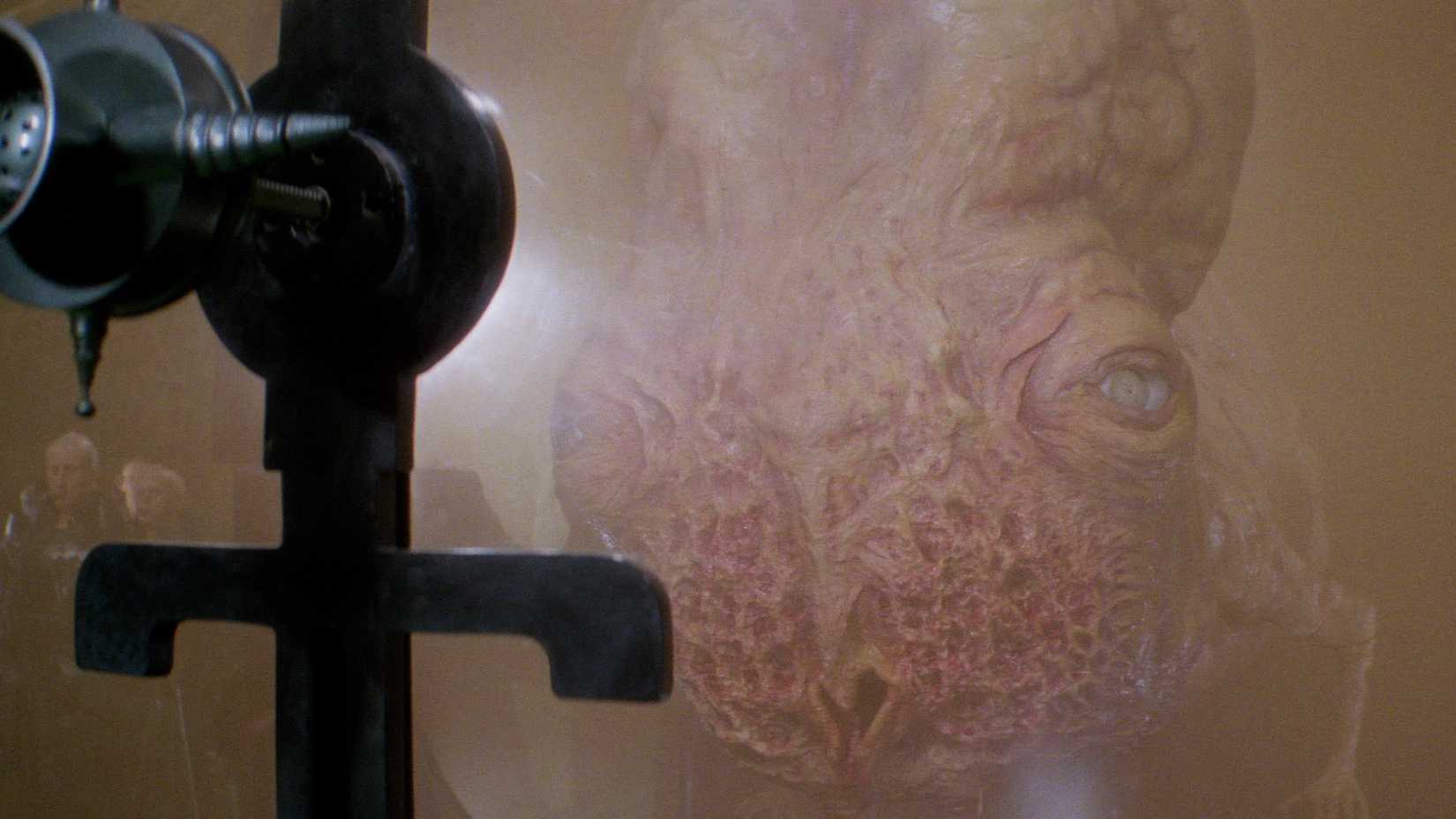
Villeneuve skirts a literal depiction of the spice-dependent Spacing Guild — the secretive monopoly that makes interstellar travel possible — whereas Lynch confronts it head-on. His Navigators are monstrous and uncanny: mutant, submerged in spice tanks, and presented as a terrifying, behind-the-scenes power. Lynch even stages a delirious, grotesque visualisation of their spacefolding process — a bizarre, hallucinatory tableau that refuses to sterilize the mystery or soften the threat the Guild represents.
5 Baron Harkonnen as true grotesque
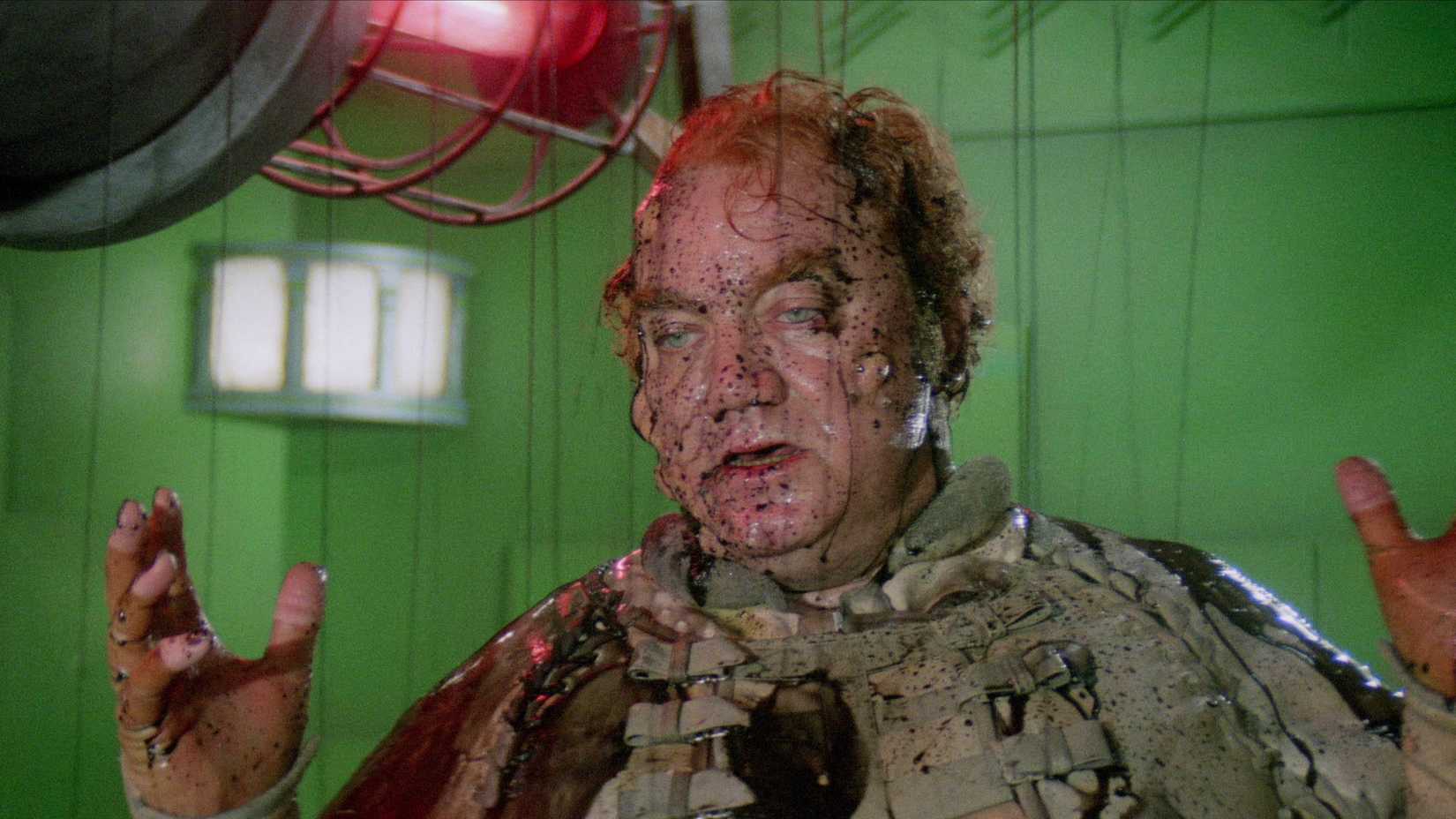
Villeneuve’s Baron is ominous and physically menacing; Lynch’s version is a carnival of revulsion. Kenneth McMillan imbues the role with a feverish, almost cartoonish depravity — corpulent, obscene, and monstrously human. The sequence that introduces him piles on grotesque imagery (attendants with eyes stitched shut, lanced boils, and other visceral details) until the effect is disturbingly unforgettable.
4 An unapologetic embrace of weirdness
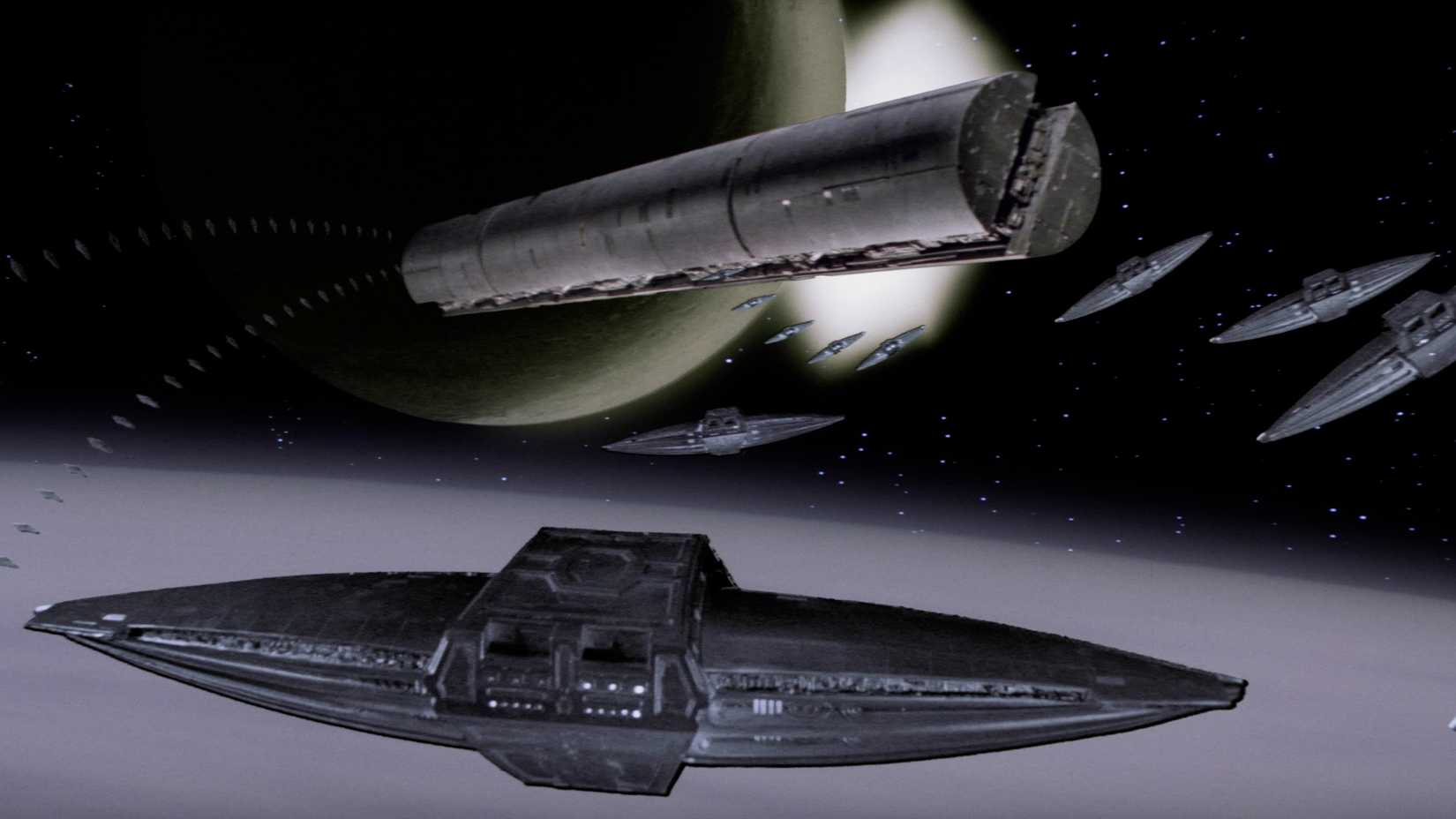
Lynch’s Dune struggles with scope — cramming Herbert’s dense novel into one film has obvious cinematic costs — yet it compensates with singular, baroque detail. Where Villeneuve opts for a stripped, monumental aesthetic, Lynch leans into baroque strangeness: whisper-voice narrations, architecture that resembles gaping mouths, ornate docking bays, and bizarre devices that emit unsettling nasal tones. The result is not coherent epicness so much as an intimacy of atmosphere that makes the universe feel alien in small, memorable ways.
These jolts of oddness — from crudely painted blue Fremen eyes to scenes of ritualized body horror — give Lynch’s film a texture that is textured, abrasive, and unmistakably his.
3 Alia’s feral presence
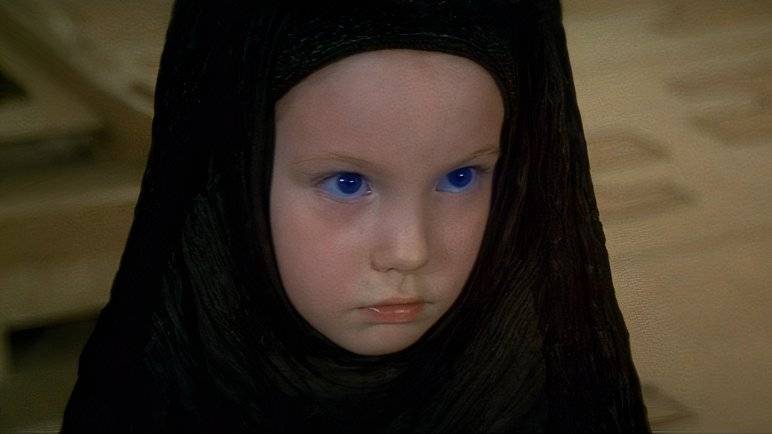
Villeneuve has elected to postpone Alia’s storyline for later installments, but Lynch gives us a small, shocking portrait of the child’s terrifying agency. His Alia is uncanny and violent — a miniature force of nature who lashes out with a kind of sudden, psychic ferocity. Watching that barely grown figure dismantle enemies is grotesquely exhilarating in a way the more procedural modern adaptations generally avoid.
2 The compressed, mythic rush of a single film
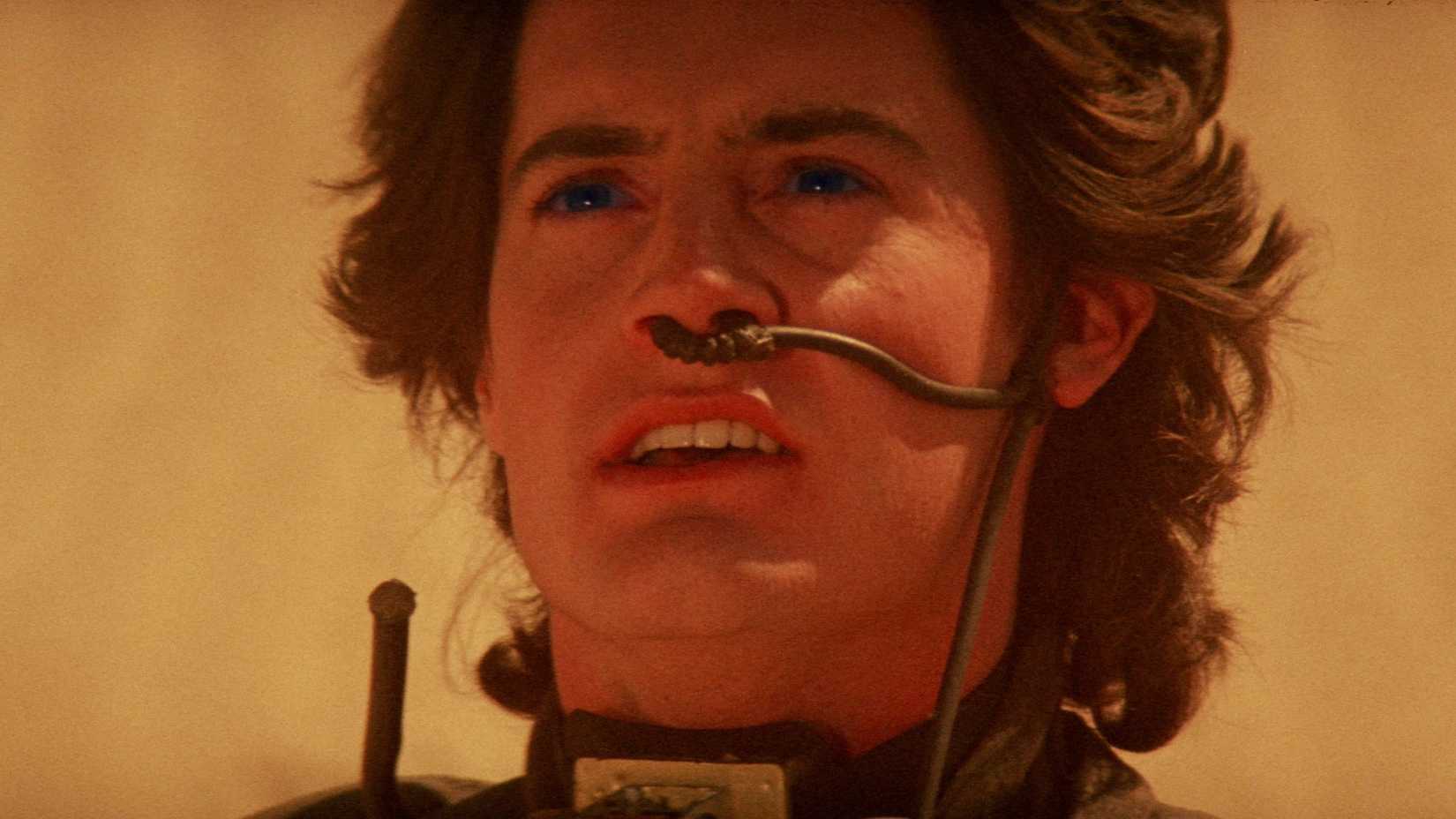
It’s odd to praise Lynch’s film for what many see as its greatest flaw: attempting to contain Herbert’s epic in a single feature. Yet that compression produces an almost feverish momentum. Stripped of some of the novel’s slower arcs, Paul’s trajectory reads like myth accelerated — messy and elliptical, but with a ritualistic intensity that can feel closer to prophecy than to careful plotting.
1 Patrick Stewart leading a charge with a pug
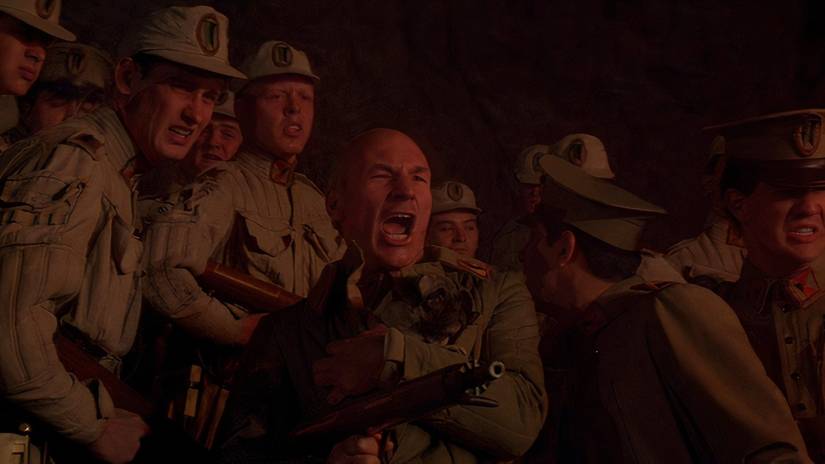
Finally: Lynch’s casting choices yield moments that are simply impossible to forget. Patrick Stewart, miscast perhaps by pedigree, becomes an oddly glorious spectacle — charging into battle while clutching a tiny pug. It’s the sort of absurdly human detail that punctures grandiosity and leaves an image lodged in the memory, equal parts comic and unsettling.
Source: Polygon
 International “Doker” Film Festival Kicks Off in Moscow
 Milla Jovovich to Appear in the New Season of “Hot Rivalry”
 The first excerpt from Zach Cregger’s “Companion” has been released
 “Obsession” Star to Play Waitress in Apple Sci-Fi Series
 Paul Thomas Anderson is working on a new project
 Gal Gadot’s “Heart of Stone” receives scathing reviews
 Netflix and Alfonso Cuarón Developing Dungeons & Dragons Horror Series
 Critics approve of the second season of Guy Ritchie’s The Gentlemen