
The Brutal Reality Undermining Stranger Things’ Emotional Ending: Mike Is a Terrible Dungeon Master

Jump Links
From the pilot’s opening sequence, Stranger Things creators Matt and Ross Duffer have utilized Dungeons & Dragons as a narrative framework to telegraph looming threats and contextualize supernatural abilities. The protagonists habitually refer to their group as “the party,” and the parallels between the game and their reality became so pronounced that fans speculated the entire saga might be a mere tabletop fantasy orchestrated by Mike Wheeler (Finn Wolfhard).
While the series avoids the “all a dream” trope, the finale does conclude with one last D&D session—though it is notably underwhelming. “This game is total garbage!” Max (Sadie Sink) exclaims as the group languishes over Mike’s announcement that they are powerless against the dreaded Strahd Von Zarovich. Even after they ostensibly “win” by invoking an NPC savior, Max remains unimpressed by the lackluster resolution. “I thought you were supposed to be a master storyteller,” she scoffs.
This critique prompts Mike to provide deeply personal epilogues for his friends’ characters, mirroring their actual life trajectories. These tailored endings evoke the emotional catharsis intended for the viewers. However, Max’s outburst serves as a meta-commentary on the potential backlash to the show’s ending—criticisms regarding narrative ambiguity and a preference for lore over character growth. Considering the Duffers view themselves as the “Dungeon Masters of Stranger Things,” the comparison is striking. Mike’s shortcomings as a DM—failing to balance the party and relying on deus ex machina—are precisely the pitfalls the Duffers encountered as showrunners.
Distributing Narrative Agency
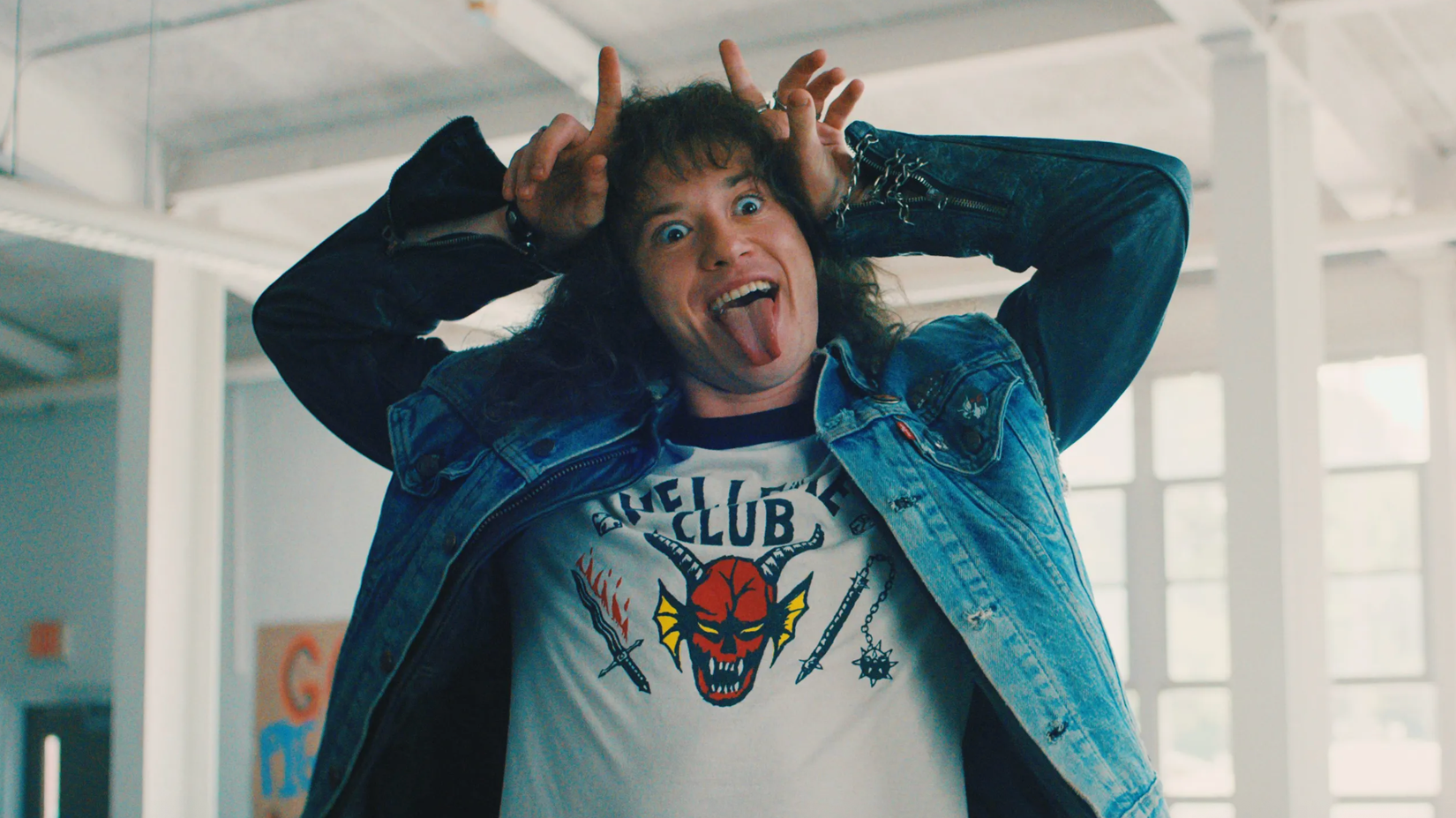 Image: Netflix
A successful D&D campaign thrives on its ensemble nature; every character must contribute to the group’s survival. However, the game’s mechanics often favor high-level spellcasters, leaving martial characters feeling supplementary. This imbalance has plagued Stranger Things for years, with Eleven (Millie Bobby Brown) routinely serving as the singular solution to every apocalyptic problem. While Season 5 initially succeeded in giving the broader cast meaningful tasks, the momentum stalled during the final hour.
The excursion into the Abyss felt strangely devoid of danger. The absence of Vecna’s monsters went unexplained, transforming what should have been a high-stakes gauntlet into a tedious trek across a green-screen void. Will, despite his evolution into a formidable sorcerer, was barely utilized. While Max’s understanding of the mindscape was pivotal, most other characters were relegated to the background, essentially functioning as mere distraction for the ultimate psychic duel.
Calibrating Threat Levels
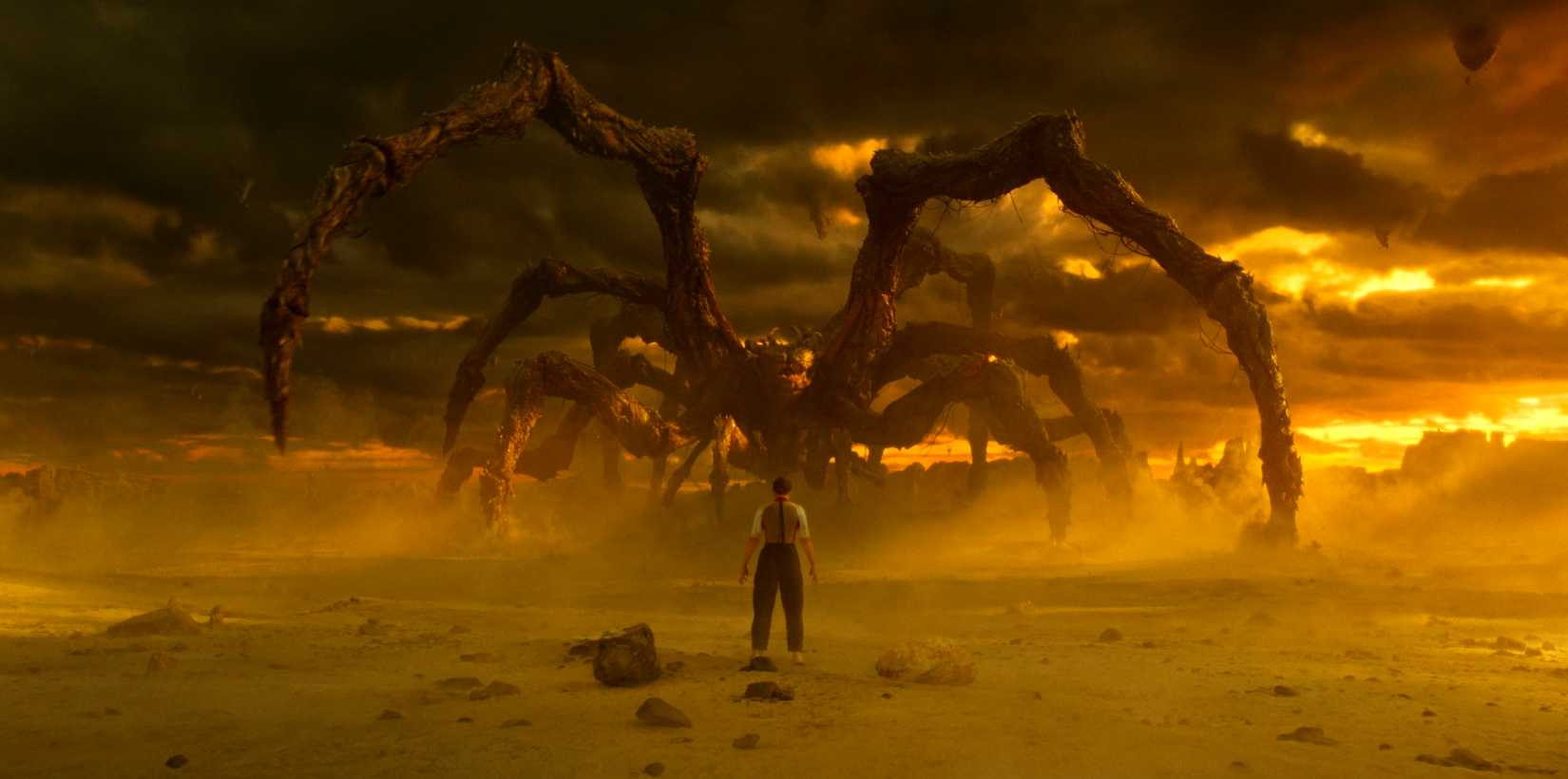 Image: Netflix
Mike’s encounters frequently suffer from poor balance. From the very first session where Will is taken, to the Strahd finale, the difficulty is consistently tuned to “impossible.” In D&D, a campaign ending with a non-player character swooping in to save the day is widely considered a failure of DMing. It strips the players of their triumph.
The Duffers similarly inflated the stakes until they became unwieldy. The series’ most effective moments—like the kidnapping of Derek Turnbow—worked because they relied on tactical planning and group coordination. Those scenes captured the essence of the game: improvisation, failed skill checks (like Erica’s botched persuasion), and the tension of regular people facing extraordinary odds. When the show pivots to massive kaiju battles, that intimacy is lost.
Substance Over Visual Spectacle
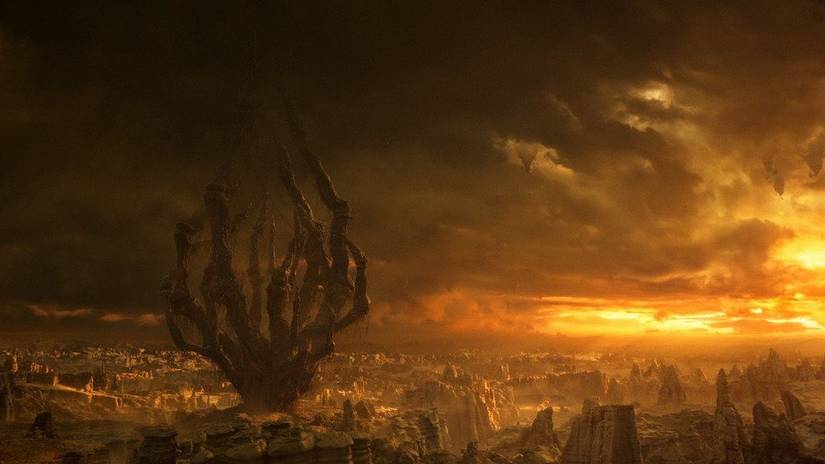 Image: Netflix
Mike’s basement features high-quality terrain—impressive for the 80s—but Max rightly points out that props don’t make the game. The “theater of the mind” is where the true magic happens. Unfortunately, the Duffers seemingly forgot this as the show’s budget ballooned to $60 million per episode. What began as a tactile horror show with practical effects evolved into a CGI-heavy spectacle that often lacked emotional resonance.
A more poignant confrontation occurred when Vecna psychologically tortured Hopper (David Harbour). Vecna’s true strength lies in exploitation of trauma, not giant monsters. A finale that focused on the party resisting Vecna’s mental assault through their shared bonds would have been both more thematic and far more cost-effective than the cluttered final battle we received.
The Art of the Timely Conclusion
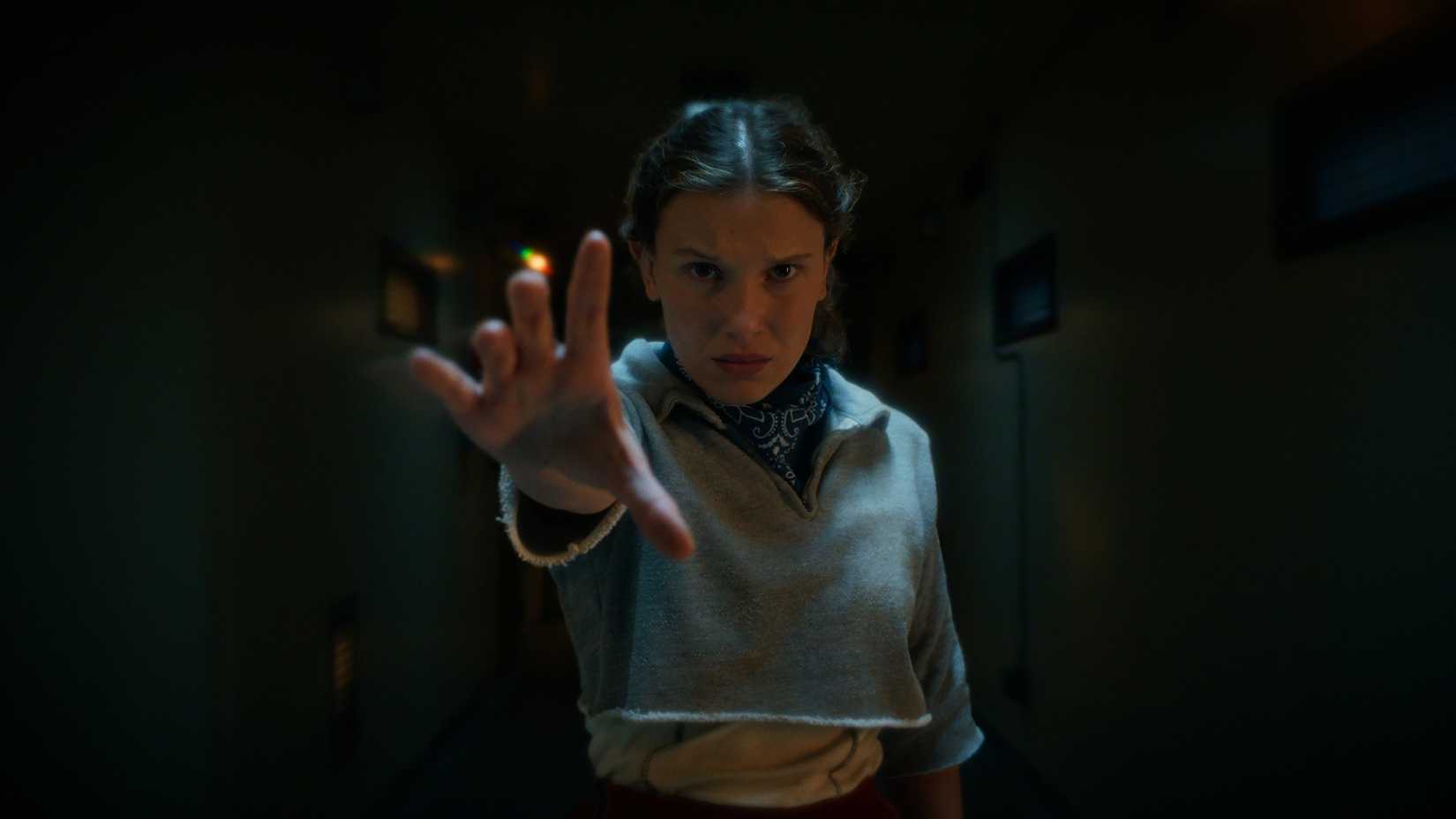 Image: Netflix
Mike rushes his ending to make it home for dinner, which feels anti-climactic. Conversely, the Duffers struggled with over-extension. Season 1 left lingering threads to build excitement, but the Season 5 finale left too many logical gaps—such as how the group effortlessly resumed their civilian lives after being in federal custody. The show could have benefited from a more condensed timeline, avoiding the issue of actors visibly outaging their roles due to production delays.
When Dustin and Mike previously asked to delay a game, Eddie Munson refused, recognizing that their time together was fleeting. He understood that the game must go on, even if the circumstances aren’t perfect. The Duffers should have embraced a similar urgency. While Mike hands the DM screen to Holly (Nell Fisher), perhaps signifying a more competent future for the game, the Duffers are moving to Paramount while developing spin-offs for Netflix. Hopefully, their next venture applies these tabletop lessons to create more balanced, character-driven storytelling.
Stranger Things is currently streaming on Netflix.
Source: Polygon
Related articles
 Reviewers Praise Marvel Tōkon: Fighting Souls Despite Flaws in New Trailer
 Everything Konami Showed At Its 2026 Press Start Showcase
 Your Guide to Fall 2026’s Biggest Games, Movies, TV Shows, and Books
 Jon Favreau, Dave Filoni, and Pedro Pascal Discuss Making of ‘The Mandalorian and Grogu’ on Official Podcast
 New Dragon Ball Xenoverse 3 Trailer Showcases Classic Anime Attacks and Advanced Character Creation
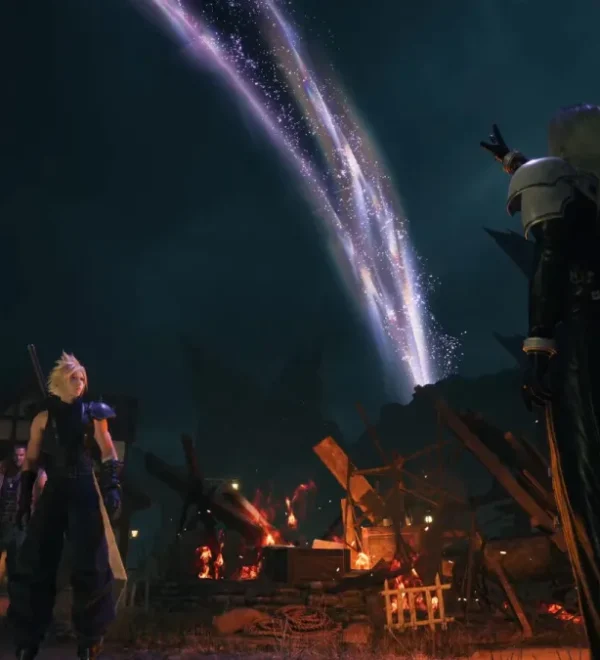 Final Fantasy VII Revelation to Feature Two Story DLCs: One for Sephiroth and Another for Vincent and the Turks
 Final Fantasy VII Revelation Drops April 8, 2027
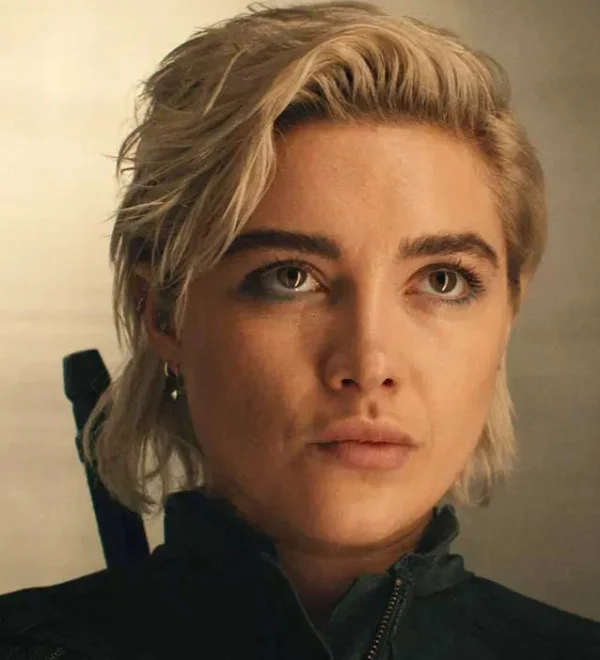 Florence Pugh in Talks to Lead Moneypenny Series