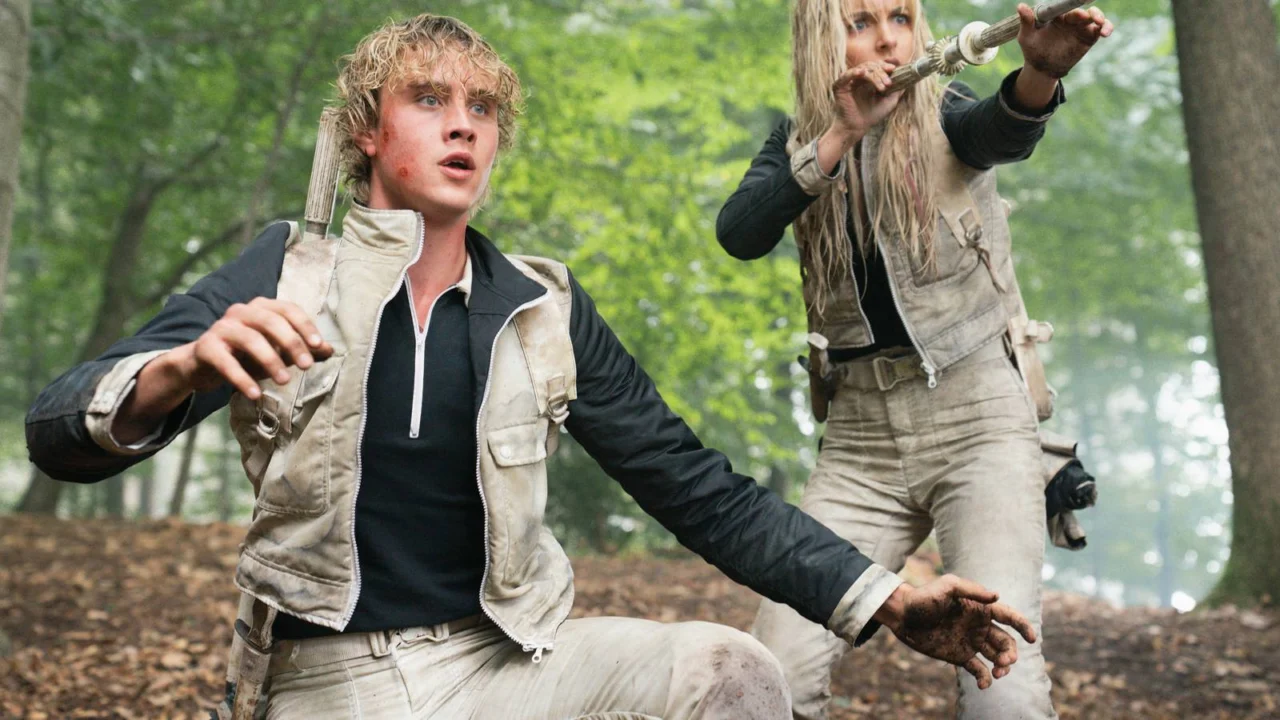
Sunrise On The Reaping Will Push PG-13 Rating Limit, Says Director
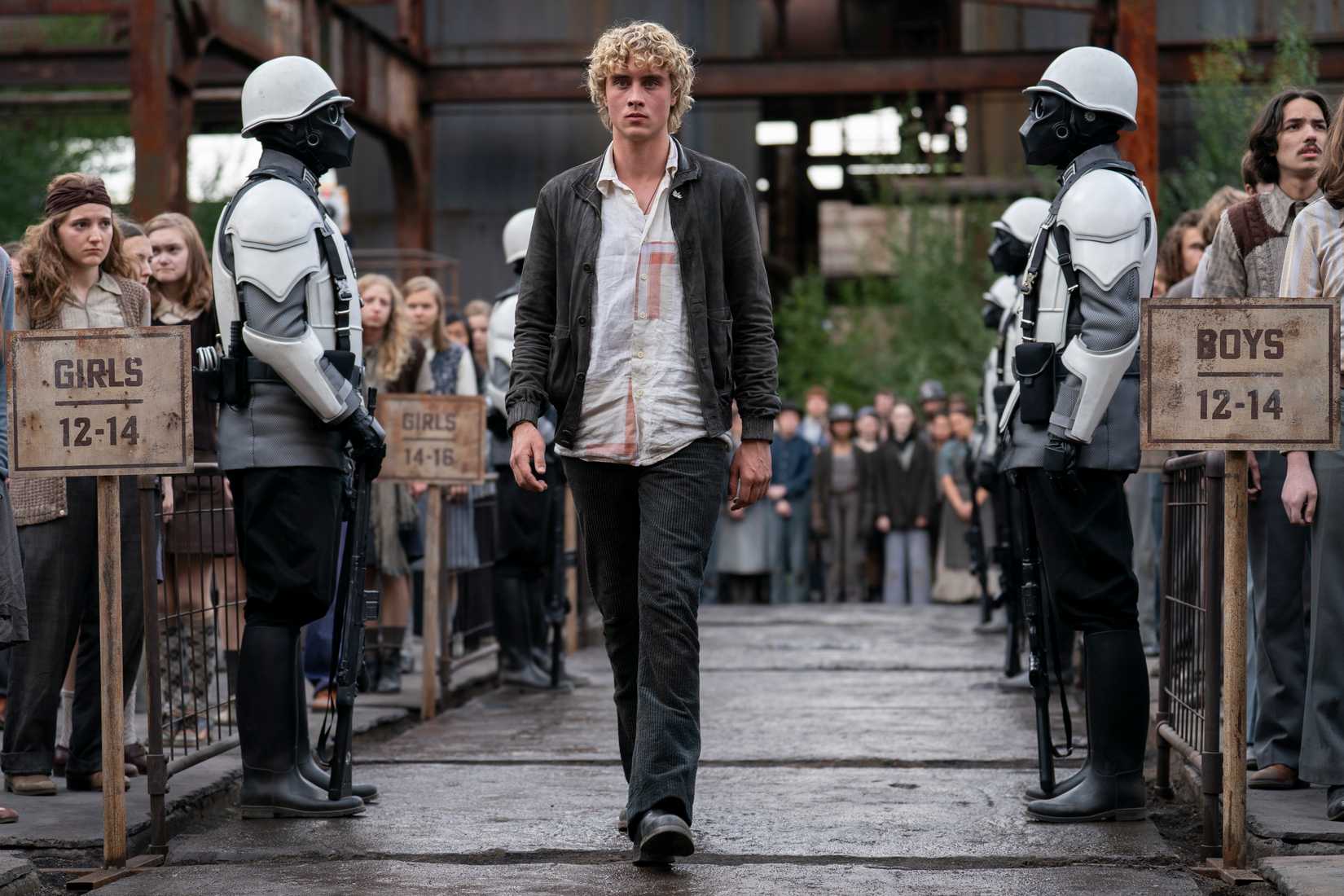
Francis Lawrence has been making Hunger Games movies long enough to bring the series back to a return to form. He joined the franchise with Catching Fire in 2013, and now, five films later, November’s Sunrise on the Reaping finds him staging another Quarter Quell in another spectacular arena and expanding the screen into IMAX-sized proportions. In telling the story of the 50th Hunger Games and the origin of fan-favorite Haymitch Abernathy, Lawrence revived the scope, spectacle, and scale of the films in an era before Katniss.
As much as Sunrise goes back to basics, Lawrence and longtime series producer Nina Jacobson were just as excited to finally tell Haymitch’s story. The arc takes him from an optimistic and carefree kid to the bitter alcoholic Katniss meets in the first movie. Ultimately, it is the story of an apolitical young man radicalized into a defender of District 12 and beyond. Lawrence sees the film as particularly relevant to the moment.
When something’s wrong, you have to stand up. You have to say something. You have to fight.

That idea of Sunrise as both an echo of Catching Fire and the hidden beginning of the revolution Katniss would one day lead loomed over the preview footage. When given the chance to sit down with Lawrence and Jacobson afterward for an exclusive interview, the conversation dug further into how they built that connection.
Francis, you emphasize that Sunrise on the Reaping feels like a return in some ways. What does that mean? Why did The Hunger Games need a return?
Francis Lawrence: When you look at the original trilogy, Suzanne had very specific ideas in mind and she tells a very complete story. But the first book, second book, and first movie and second movie, have a very specific structure to them where you’ve got District 12, somebody gets reaped, you go into the games, right? You have the chariots, you have the interviews, you have the games, then the movie’s basically over. So there’s a certain structure, there are certain expectations, and there are certain things that people love.
Mockingjay is different because the arena is actually the Capitol. But what ends up happening is it suddenly feels like a different world because it doesn’t feel like games anymore. Now you feel like you’re in a war movie, they’re living in a silo, and there’s no District 12.
When you tell Ballad of Songbirds and Snakes, everything’s very different. Now you’re doing the origin story of the antagonist and you’re so far back that the games are very rudimentary. And the games are the middle of the movie, and you still have another hour-plus after that. So structurally, it’s completely different.
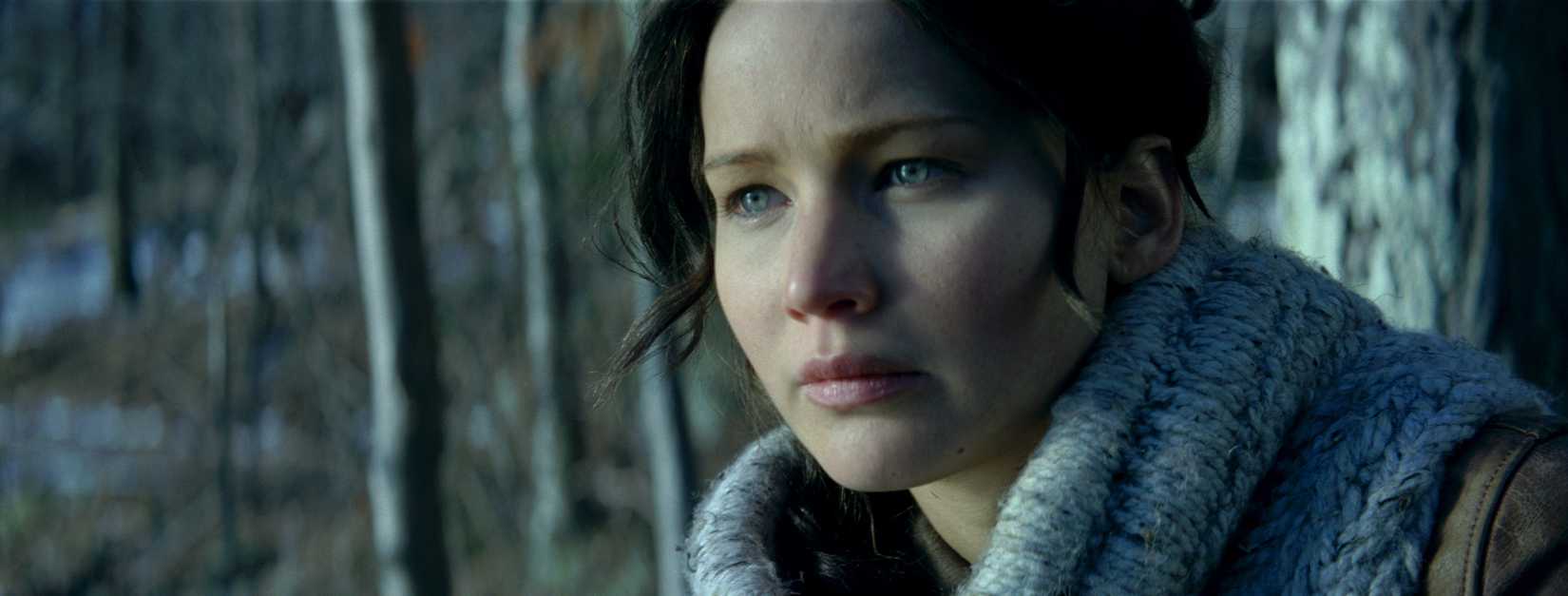
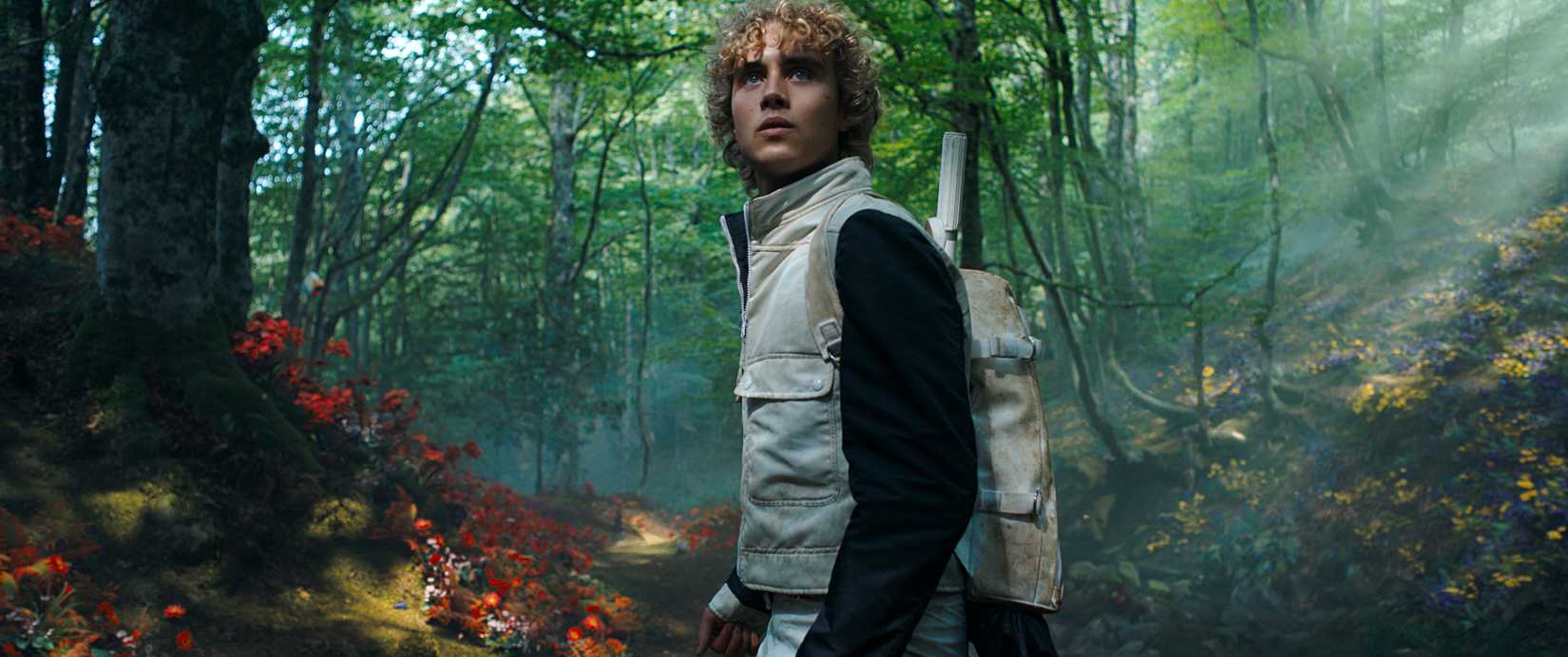
That is what is meant by a return to form. People fell in love with the original book, movie, and Catching Fire. They want to get to the end of the story, which is important, but they miss the elements that people love about these stories.
Nina, you told me in the lead up to Ballad of Songbirds and Snakes that you wouldn’t make a Hunger Games movie unless Suzanne showed up with a manuscript for a new Hunger Games book. How did you luck out with the timing on this? Did Suzanne follow Ballad right up with this?
Nina Jacobson: She writes from theme and she writes when she has ideas that she wants to explore and a character through which she can explore the themes. So we never know if she’s writing a book! I remember at the premiere of Ballad, I saw her literary agent, who kind of gave a wink and a nod, like, she’s working. And I was like, Oh my God, she’s working on a book. So we had an idea that she was working on one but I did not think we would get it nearly as early as we got it. I thought it was years away. And then you just get a call. This one we got much earlier in the lifespan of the book than we ever had.
Right, they announced the book and almost the movie at the same time.
Lawrence: They did. We were under massive secrecy because we were reading a manuscript and the book wasn’t even announced. We were coming here to New York to work with Suzanne and couldn’t tell people why. I couldn’t tell my family.
Jacobson: What I loved when I read it was that it really made me appreciate the order of the books. When she first gave us Ballad, we loved the book, but coming back to the series makes people wonder which favorite characters will appear. Instead, it is the character you hate, and the games are the 10th Games, which are really brutal and upsetting.
Francis Lawrence: And our protagonist/antagonist is hardly in them. He’s kind of watching them.
Nina Jacobson: Exactly, and so it was totally different than the other movies. But when you read this book and see this movie, you can come to it with no foreknowledge, or when you look at this in order, you understand so much more about Snow, his relationship to District 12, and what it says about his relationship to Katniss. You understand the spectacle of the games in a whole different way after going through Ballad with him as a young man. The games must not only punish the districts, but tell a story that keeps people in place, and Snow realizes that they have to entertain.
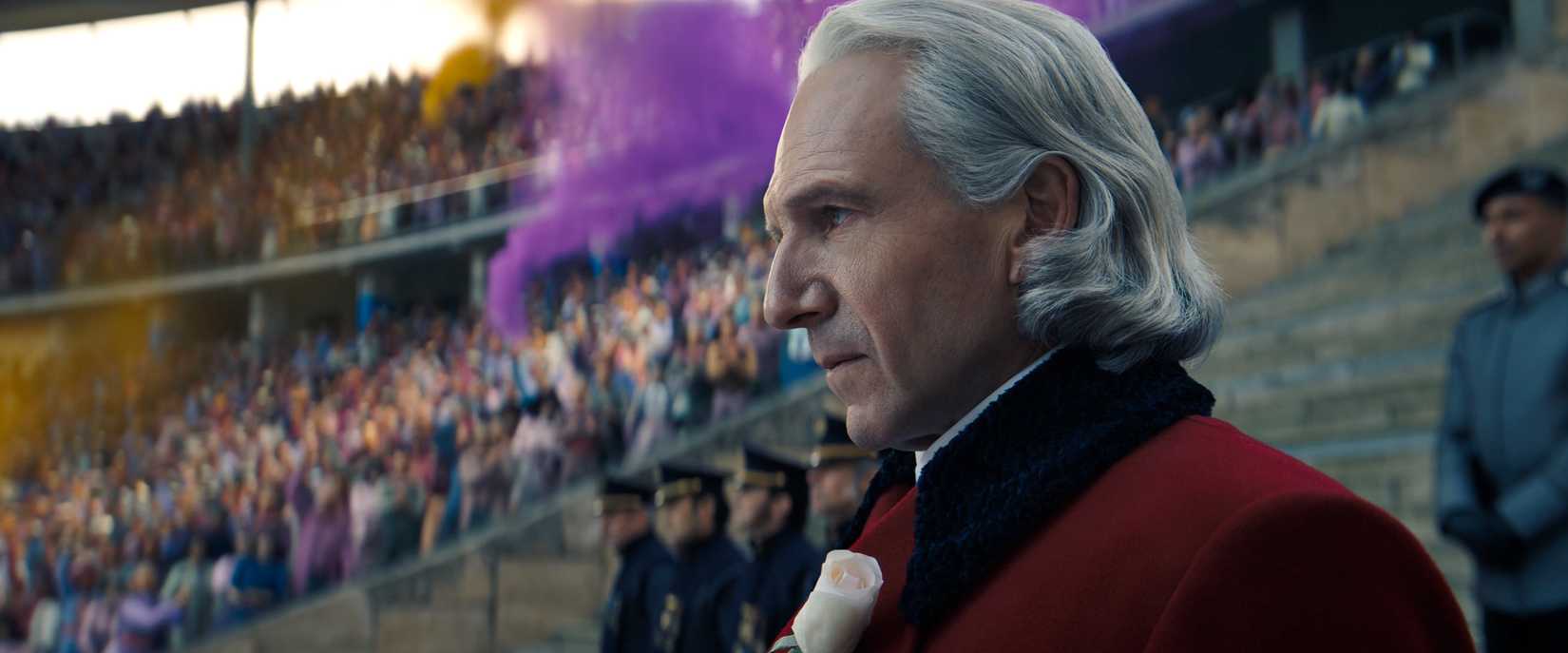
When you see what he brought to the games, how different they are 40 years after the ones where he was a mentor, and how much his lessons infuse everything, there is immense emotion in his relationship with those District 12 tributes and the Covey girls.
The expectations for Haymitch’s story were very high. Suzanne delivered on that front, and now you are translating it. When do you listen to fans and when do you have to trust your gut?
Lawrence: I don’t think we really listen to fans because I think we are fans. I think we’ve just always felt aligned with the fans. It’s really fascinating that fans have all these dream castings once they’ve started to read the books. But usually the dream castings just align with the people we’re going after. We don’t have to look to the fans and ask who they want. The things that fans love about the books are the things we love about the books, and those are what we want to maintain.
So what did you need to nail in this movie to do right by fans, as a fan?
Lawrence: Every once in a while, in the edit room when the cut is three and a half hours long and you have to trim things down, you sort of think the fans are going to be bummed about a specific moment.
Jacobson: We’re very fortunate. Hunger Games fans are the best fans of any series because they’re smart and they want what we want. We’re very aligned with them. They are respectful of Suzanne’s intentions with the book. We don’t have the rabid resistance to change that exists in comic books or the Star Wars world, where some audiences reject any reimagining.
Because of how the movies jump around in time and reflect traditions and eras of our real world, Hunger Games might be one of the most dynamically designed franchises of all time. What were your inspirations for Sunrise? In the footage, we saw everything from 1970s paranoia thriller sets in the capital to the prismatic battlefield.
Francis Lawrence: The late sixties and early seventies became the touchpoint because of the arena. The arena had an Alice in Wonderland quality, which brought to mind the Jefferson Airplane song White Rabbit. That inspired the seventies aesthetic for characters and clothing. Snow’s style reflects an early-seventies Yves Saint Laurent look, the Capitol people draw from the Studio 54 and Warhol crowds, and District 12 echoes a very young Stevie Nicks and Bruce Springsteen.
The seventies influence extended to architecture. The production designer Uli Hanisch utilized the ICC in Berlin, a convention center closed since the early nineties that remains standing in good shape. Built in the early seventies, it resembles the world of Logan’s Run. It features pure seventies brutalist architecture and served as the sound stage and actual location for Caesar Flickerman’s orientation room, the interview stages, and the training rooms.
Germany served you well on Ballad of Songbirds and Snakes too.
Jacobson: The conversation between locations and storytelling is vital. Shooting the chariot sequence in the Olympic Stadium where Jesse Owens ran in front of the Nazis, Hitler, and the world while filming the Hunger Games provided a profound backdrop. The architecture in Germany, spanning World War II, the post-war era, and Cold War design, brought a scale and scope that served the material wonderfully.
It’s hard to remember what we were all talking about in 2013 when Catching Fire came out, but times and the culture have changed. Between the politics and kids slaughtering each other in Fortnite, do you think you’re having a different conversation with young adults today than you were in 2013? How does that inform you and Suzanne’s thinking?
Lawrence: It’s a different world, and that’s definitely one of the messages here. The original series was really about the consequence of war, and that remains true. But this one deals heavily with activism and activating people to stand up for what they believe in. People often feel apathetic, thinking their vote or their voice will not make a difference. The truth is that you have to stand up, say what you believe in, and vote.
Change may not happen tomorrow. Instant gratification makes people expect immediate results because of phones and video games, but sometimes change takes a really long time.
Nina Jacobson: Suzanne does an incredible job in the book of nodding to the fact that what you’re watching and consuming on TikTok, television, or YouTube is a construct. It is storytelling with a purpose. This book and the movie acknowledge how sophisticated young people are about what they consume, reminding viewers that the story on screen is not necessarily the story of what happened.
This premise is always terrifying, and opening of the games in Sunrise, watching a bunch of little kids swing axes at teenagers and that opening, still hits hard. At this point, is a Hunger Games the best way to make R-rated movies in a PG-13 setting? How do you get away with it?
Lawrence: Yeah, they are. It’s always really tricky. There were probably three moments in this book where I read it and I asked Suzanne what she was doing because it had to be PG-13. There is a moment in the book where a villainous character holds a child’s head she has just beheaded.
Jacobson: They can always read the book.
Hunger Games: Sunrise on the Reaping arrives to theaters on Nov. 20.
Source: Polygon
Related articles
 Counter-Strike 2 Cheaters Cancel Losing Matches Using Fake VAC Bans
 Dataminer Reports Blizzard is Preparing Major Update 3.0 for Warcraft III: Reforged
 Minecraft to Receive Wilderness Bound Update Featuring New Biome and Single-Use Bed
 Saber Interactive Will Not Change Communications Policy After AI Controversy
 Fans Nearly Finish Multi-Year Community Project Recreating GTA VI Map
 Modder Adds DLSS 5 to No Man’s Sky While Developer Expresses Visual Concerns
 Fall 2026 Anime Releases: The 15 Most Important Shows
 Modder Releases Alpha Trailer for Cooperative Modification of Classic Metal Gear Solid