
Steam Horror Game Transforms PS1-Era Graphics Into Backrooms-Style Nightmare Fuel
There is an inherent, chilling stillness to vacant digital environments. Propelled into mainstream consciousness by the viral phenomenon of The Backrooms, liminal horror has successfully transitioned from niche online forums into a thriving aesthetic subculture. While a hyper-detailed environment dripping with gore certainly delivers its share of visceral terror, there is something profoundly more unsettling about retro-era aesthetics. The combination of rigid textures and erratic lighting can transform an ordinary alleyway into a playground for existential dread.
This subtle unease is baked into the foundation of some of the most iconic fifth-generation titles, from Tomb Raider to Metal Gear Solid. Often stemming from the stringent technical limitations of mid-’90s hardware, these games inadvertently—or purposefully, in the case of masterpieces like Silent Hill—turned sparse digital geometry into incubators for anxiety. Years later, Bryce Bucher pushed this design philosophy to chilling new extremes with his 2020 surrealist nightmare, Fatum Betula. Even years after its launch, it remains a masterclass in how low-poly 3D spaces can weaponize emptiness.
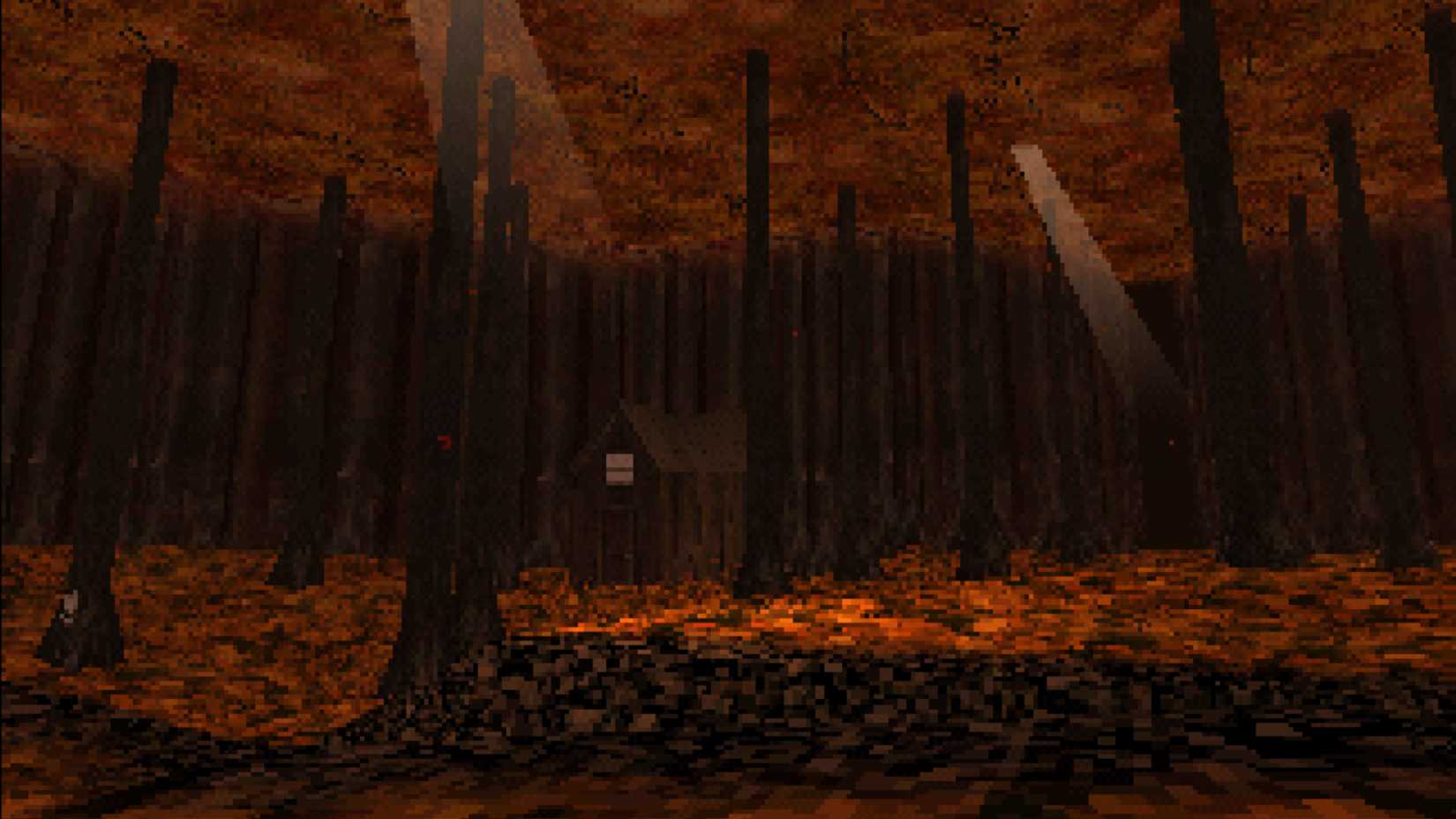 Image: Bryce Bucher
Developed entirely by Bucher, Fatum Betula transmutes a standard fetch quest into a bizarre meditation on agency and decay. Charged with sustaining a mystical birch tree whose roots anchor the stability of a dying world, players navigate a melancholic realm populated by grotesque entities. Progression hinges on grim bargains and quiet devastation scattered across the low-polygon horizon: you might feed toxic flora to a voracious creature, seek counsel from an aquatic apparition whose head is a human hand, or plunge through a subterranean ocean bed to extract blood from your own mirror image. Featuring ten distinct conclusions dictated entirely by player choice, the journey unfolds less like a traditional campaign and more like a feverish descent into cause and effect.
Furthermore, Fatum Betula acts as a crucial evolutionary bridge between the avant-garde exploration of 1998’s LSD: Dream Emulator and the contemporary obsession with surreal architectural spaces. While LSD treated hardware as a subconscious canvas, shuffling players through disjointed dreamscapes where the laws of physics constantly shifted, it was largely content to let users wander aimlessly. Fatum Betula takes that exact brand of disorientation and anchors it to an interactive narrative. Every environment acts as a tangible fragment of a cryptic puzzle, interwoven with entities and artifacts that hint at a much larger, deeply unsettling reality.
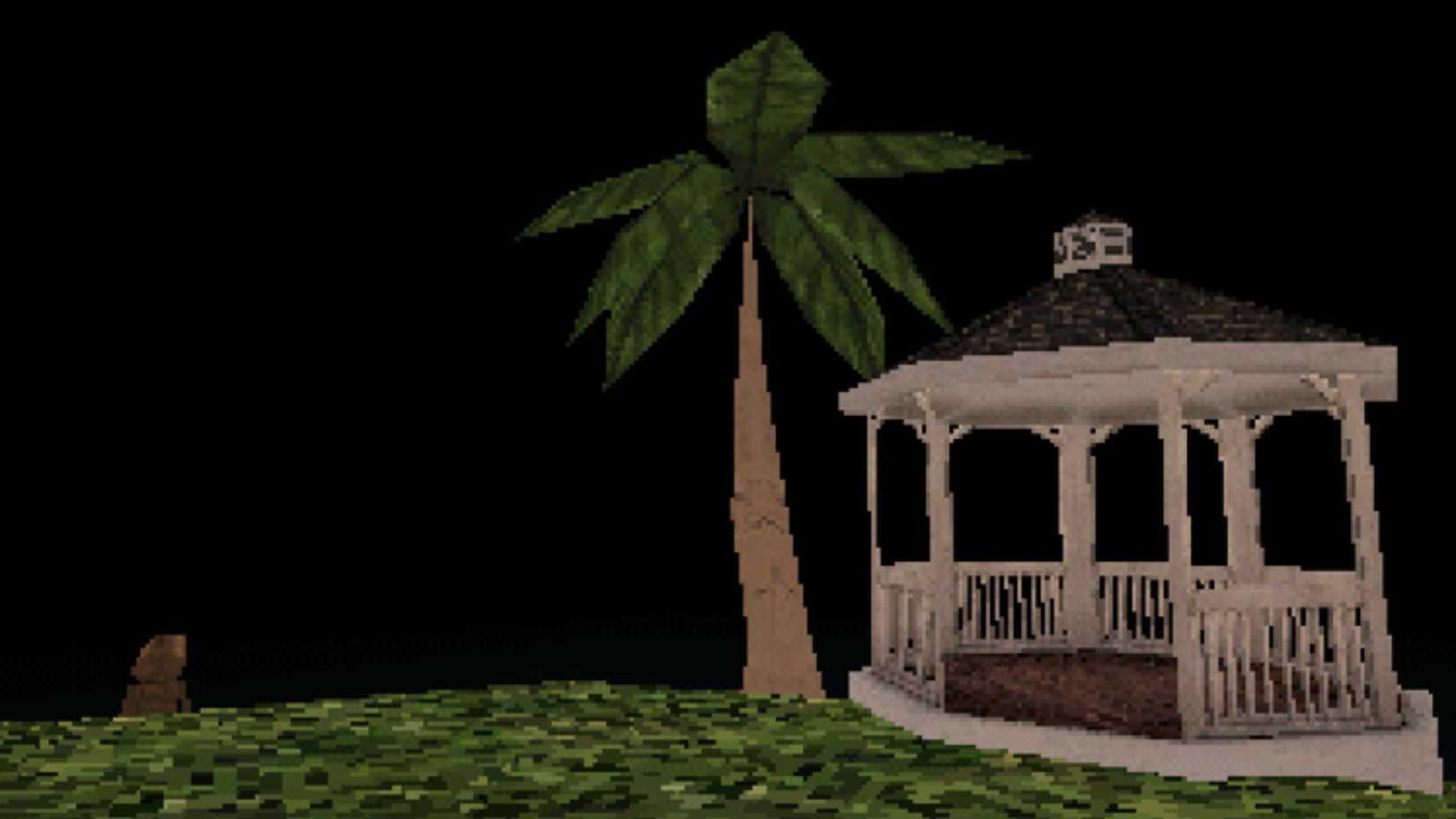 Image: Bryce Bucher
Nowhere is this psychological weight heavier than in Suburbia, an enclave of domestic tranquility incongruously dropped into the game’s hallucinatory universe. The plush carpeting, patterned wallpaper, and the warm, rhythmic hum of an old television initially offer a sense of safety. Yet, as the silence stretches on, the space morphs into a claustrophobic tomb. The title excels at isolating familiar architecture within impossible contexts, juxtaposing surreal wilderness against a fully furnished living room that defies all logic. Fatum Betula weaponizes this uncanny stillness, compelling players to scrutinize the ordinary in search of survival clues, turning a simple domestic stroll into a descent through a shifting consciousness.
Aficionados of modern internet horror—whether through Kane Parsons’ viral expansions or the original collaborative mythos—will instantly recognize the thematic DNA. The Backrooms popularized the specific terror of being trapped within mundane corridors that feel fundamentally wrong. Though it began with yellow wallpaper, fluorescent hums, and empty offices, the concept has since evolved to encompass countless depopulated spaces stripped of their intended function, from infinite poolrooms to endless subway tunnels. Fatum Betula brilliantly captures this precise psychological phenomenon known as kenopsia: the haunting atmosphere of a place that should bustle with life, now left entirely to the silence.


-
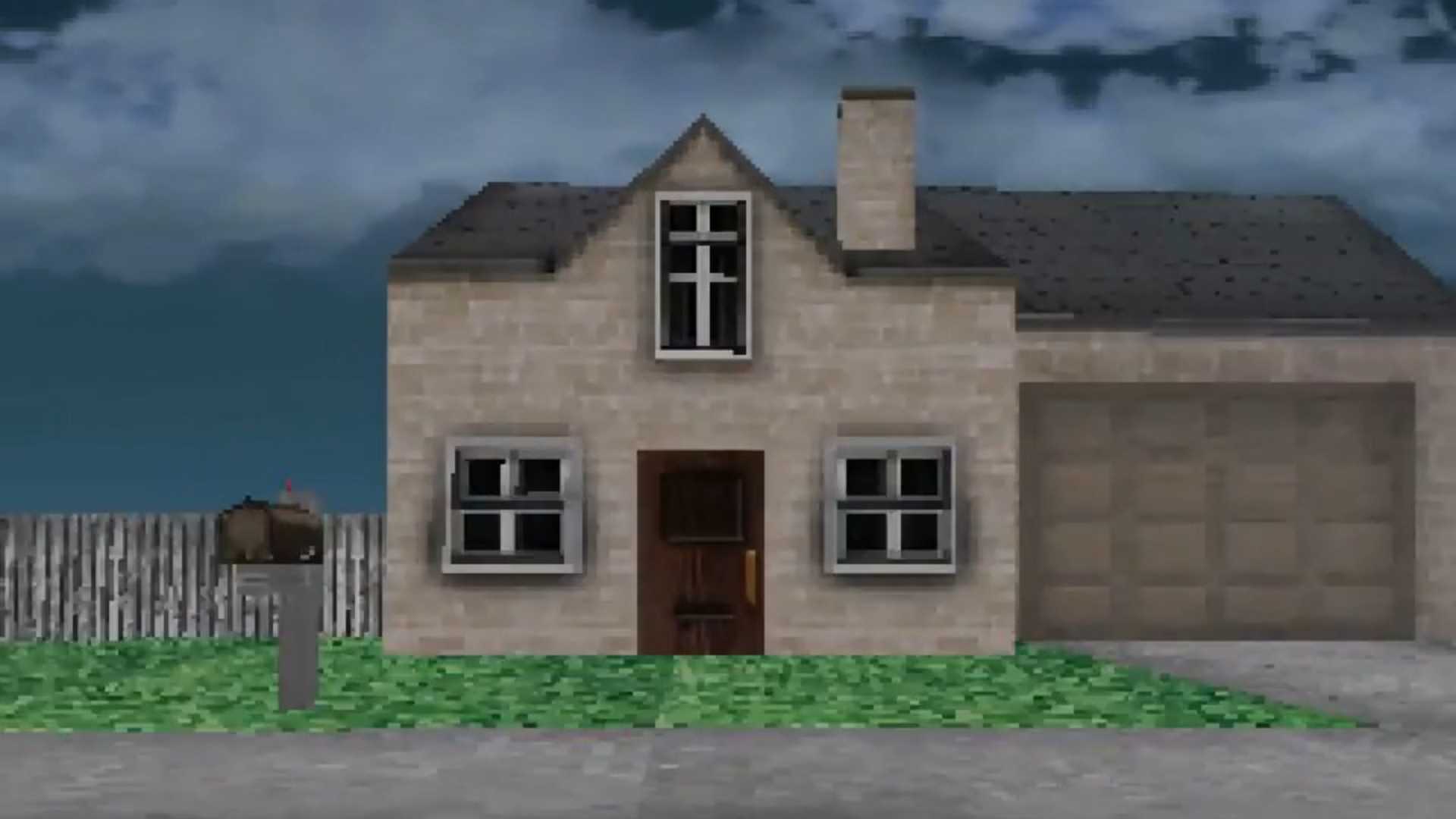 Image: Bryce Bucher
 -
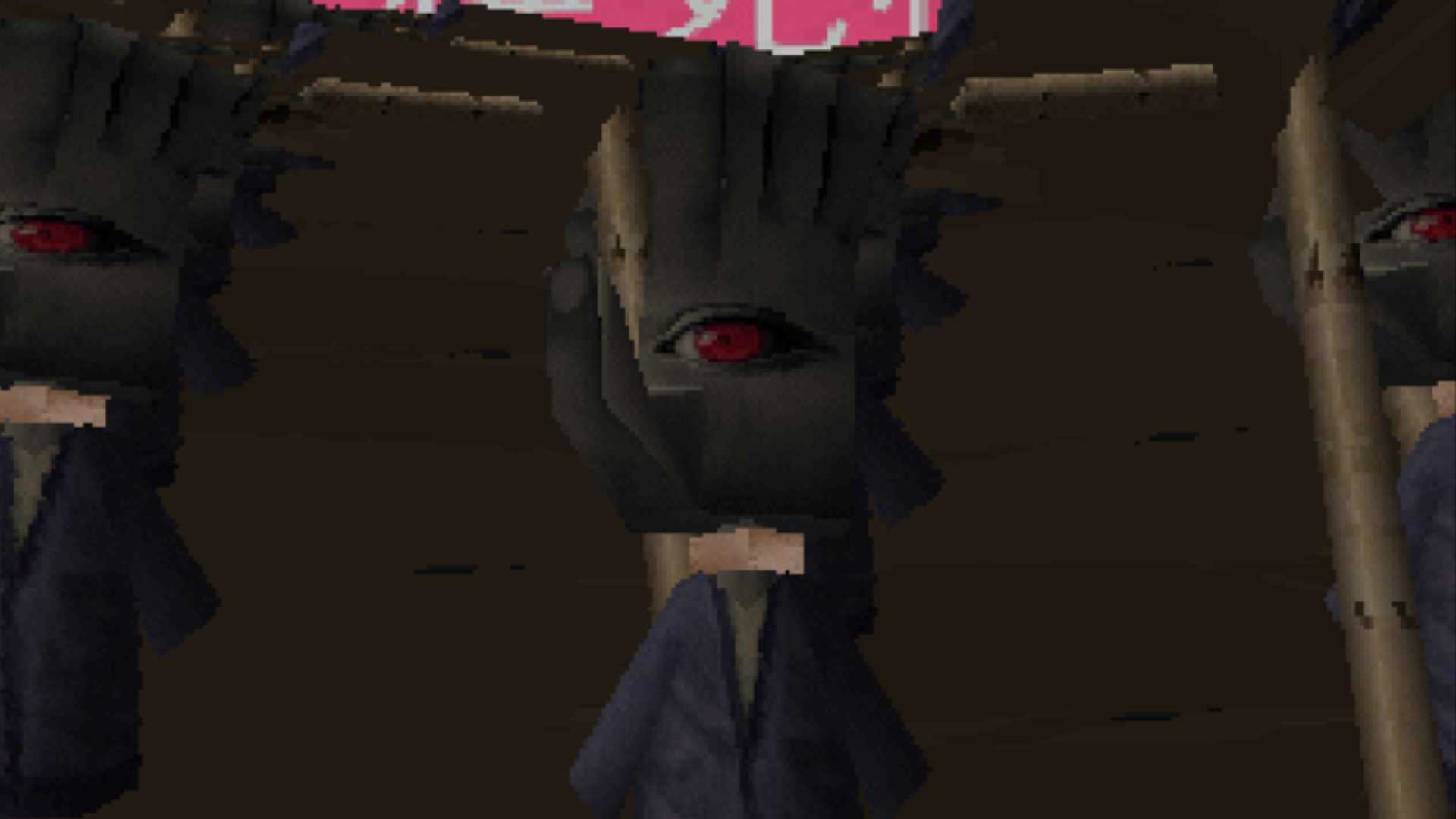 Image: Bryce Bucher
 -
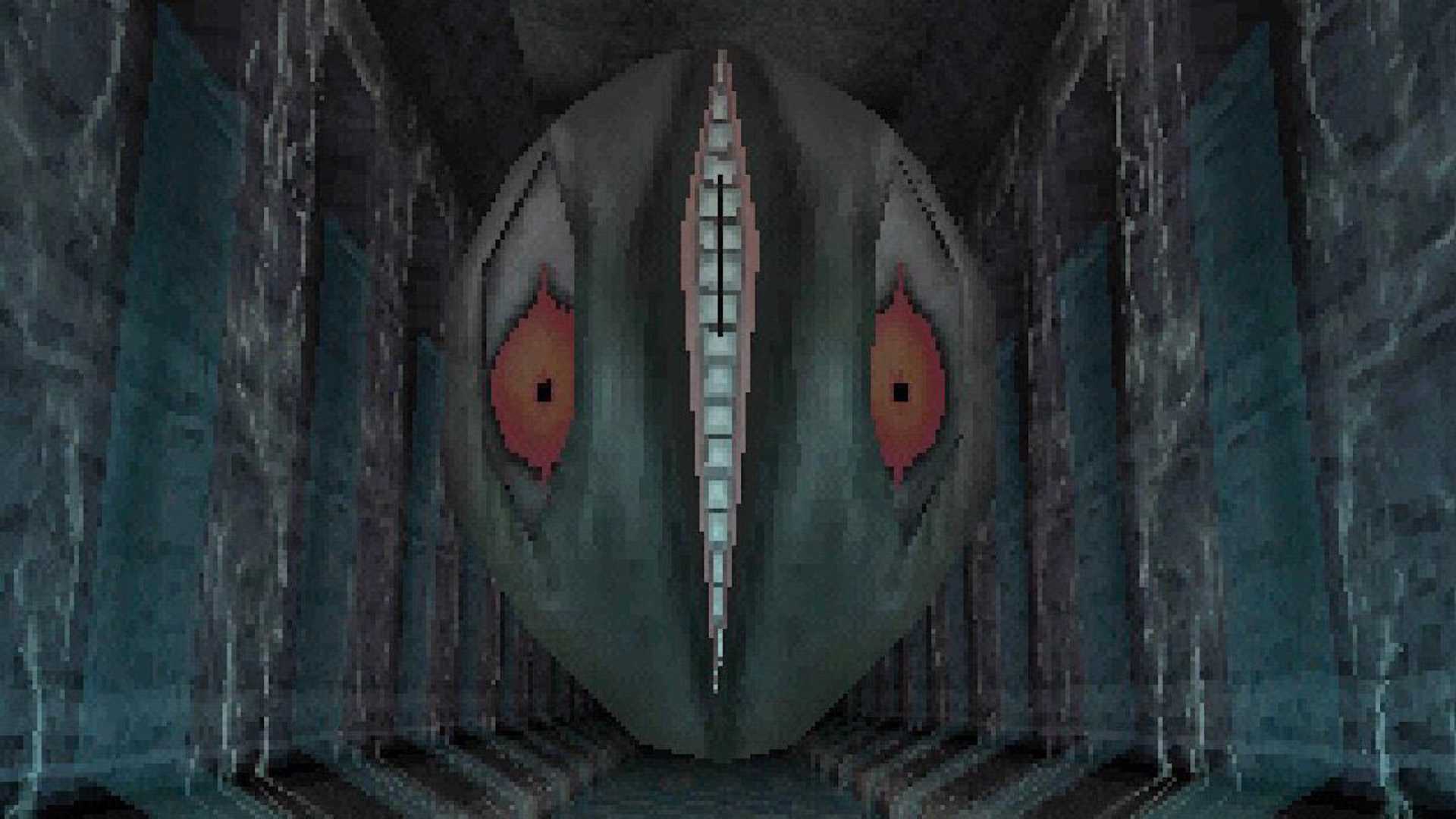 Image: Bryce Bucher
 -
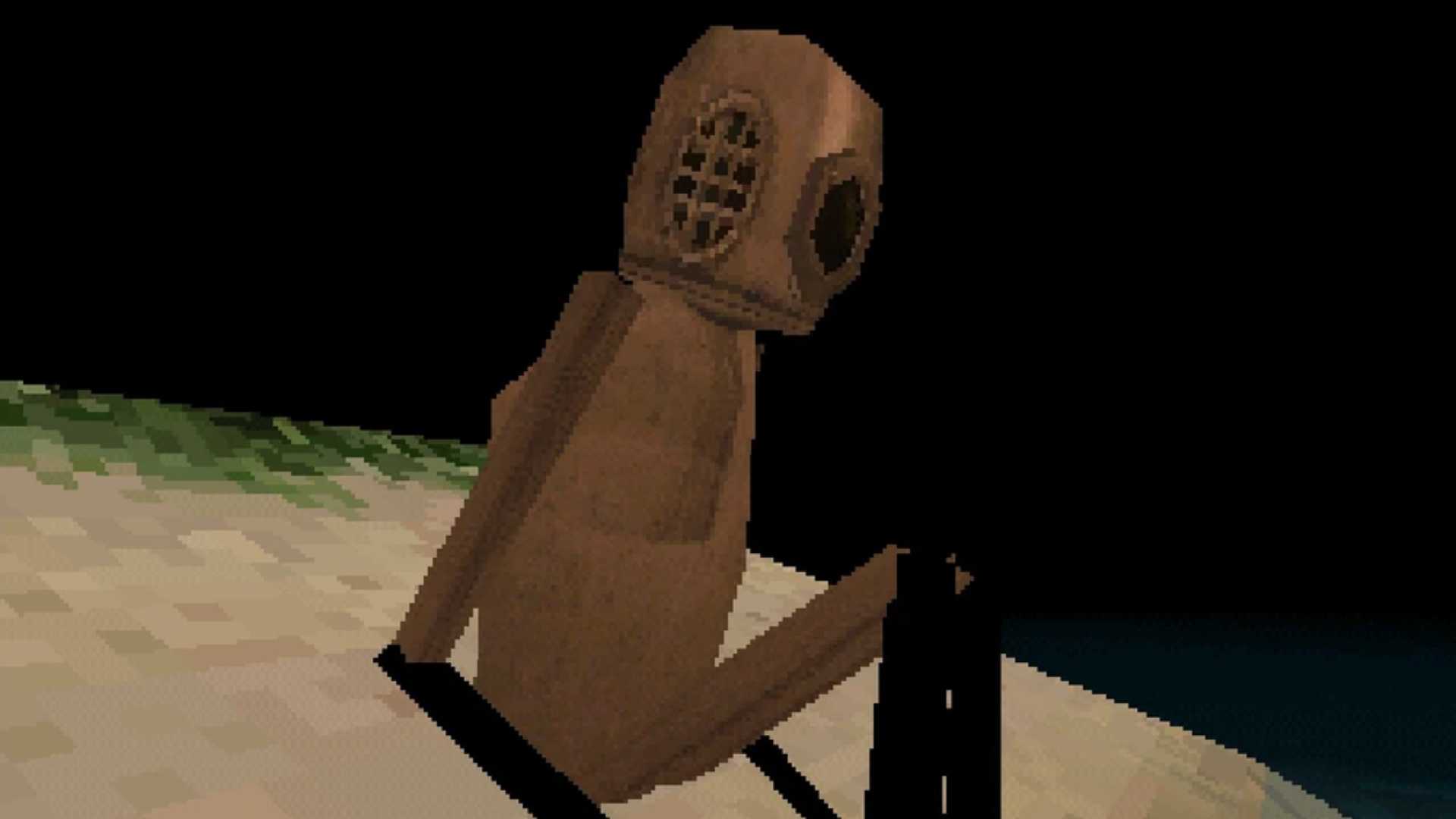 Image: Bryce Bucher
Far beyond a mere exercise in cheap nostalgia, Fatum Betula leverages the technical constraints of early 3D rendering to render its universe profoundly intimate yet incomplete. The rigid character models, shimmering textures, and echoing expanses grant each area room to breathe. Bucher noted in a 2021 Vice interview that the fifth-generation aesthetic “lends itself well to creating environments that force the player to engage with them rather than just being set dressing,” a philosophy palpable in virtually every frame. Rather than overwhelming the senses with clutter, Bucher leaves just enough blank space for the subconscious to fill in the gaps, transforming crude polygons and vacant halls into something far more terrifying than modern fidelity could ever muster.
Ultimately, Fatum Betula stands as proof that modern terror doesn’t require photorealistic assets, elaborate monster designs, or sweeping vistas to leave an impression. Sometimes, all it takes is a silent room, an ambiguous audio cue, a handful of polygons, and the creeping dread that something is lingering just beyond the visible horizon. It remains a profound homage to an era when virtual worlds were intimate enough to harbor genuine mystery—and unrefined enough to let the imagination run wild.
Source: Polygon
Related articles
 Total War: Warhammer III Mod Creator Breaks Mod in Protest Against AI Repacks
 Gran Turismo 7 Developers Show New Track and Cars in Spec IV Update Part 1 Trailer
 Gameplay Footage of Marvel’s Wolverine Emulated on PC Shows Performance Approaching 30 FPS
 Valorant Anti-Cheat Developer Responds After Gamer Buys Used CPU with Hardware Ban
 The Witcher 3 Modder Streamlines Graphics Customization Process
 Enthusiast Ports Hideo Kojima’s Silent Hills P.T. to PC
 Stephen King Movie The Mist Available Free on Streaming
 Netflix Renews The Witcher for Fifth and Final Season