Star Wars: The Ninth Jedi Becomes a Streaming Hit on Disney+
Star Wars approaches its 50th anniversary next spring from an unusual vantage point. Lucasfilm has maintained an extensive slate across different media, with Skywalker-focused books lined up over the coming year, an expansion planned for Star Wars: Unlimited, and an official Dungeons & Dragons crossover. Comic books and novels continue filling narrative gaps left by the sequel trilogy, while the feature film Star Wars: Starfighter, starring Ryan Gosling, Mia Goth, Amy Adams, and Matt Smith, aims to return the series to cinemas next year with a fresh storyline.
The cinematic side of the franchise recently faced a setback. The Mandalorian and Grogu, marking the franchise’s first theatrical release in seven years, met mixed reviews and struggled to maintain box office momentum, breaking a decades-long streak of Star Wars movies dominating theaters.
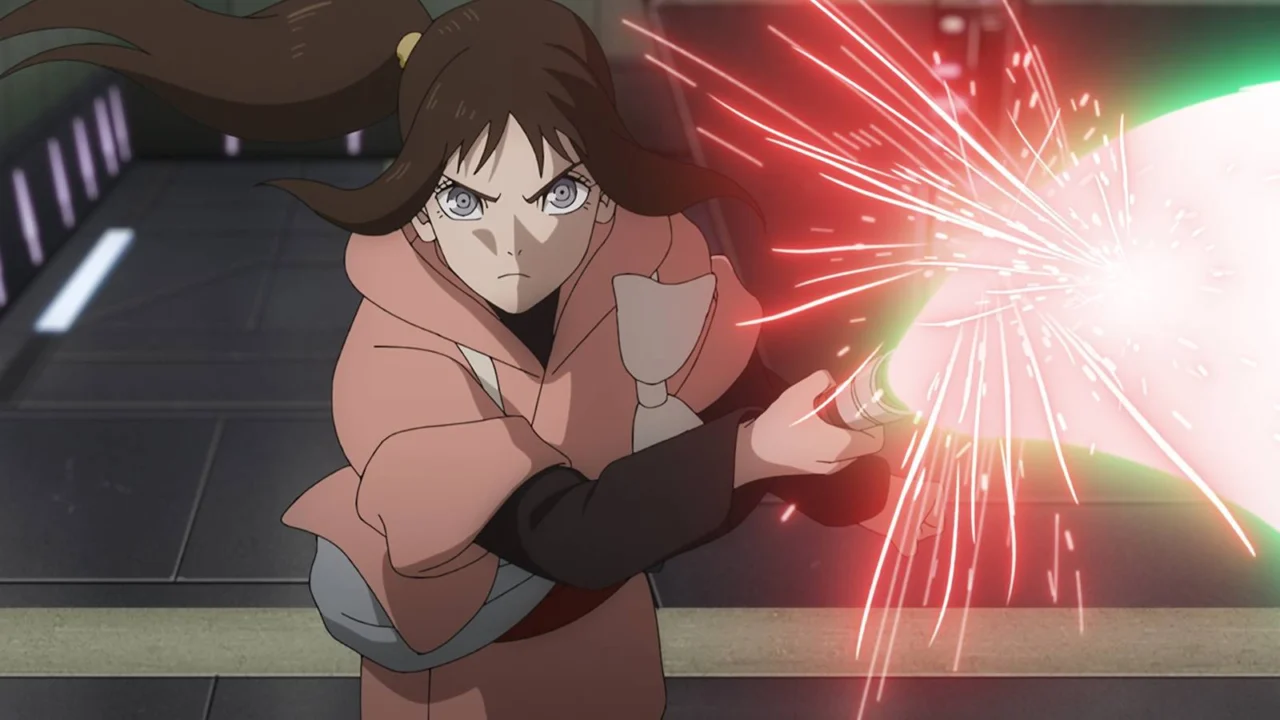
In contrast, an offbeat animated project has found substantial critical acclaim. Star Wars: Visions Presents — The Ninth Jedi debuted on Disney Plus on Aug. 5, quickly securing strong reviews and a high Rotten Tomatoes rating. While Lucasfilm navigates its broader cinematic direction, the anime series presents an alternative creative path.
What is The Ninth Jedi about?
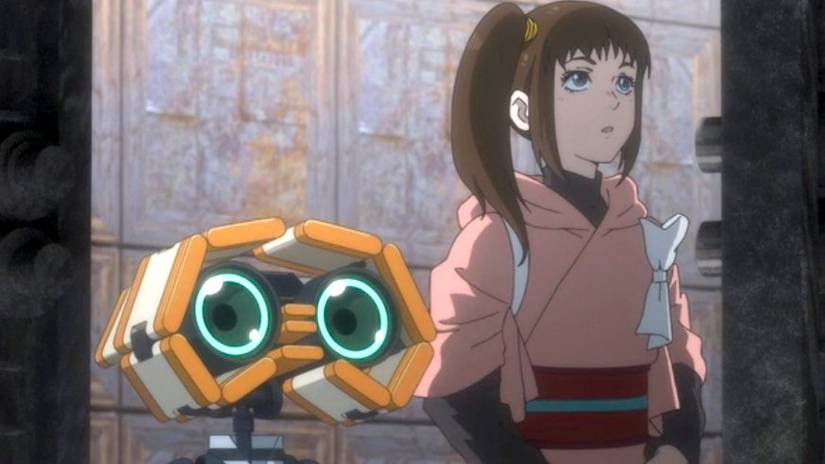
The Ninth Jedi is an eight-episode anime series produced by Production I.G. that expands on a storyline first introduced in the premiere season of Star Wars: Visions. The original 2021 animated short centered on Lah Kara, the daughter of a master lightsabersmith living in an era where the Jedi Order has faded into obscurity. A subsequent short, titled “The Ninth Jedi: Child of Hope,” appeared in Visions Volume 3 before Lucasfilm commissioned a full standalone series.
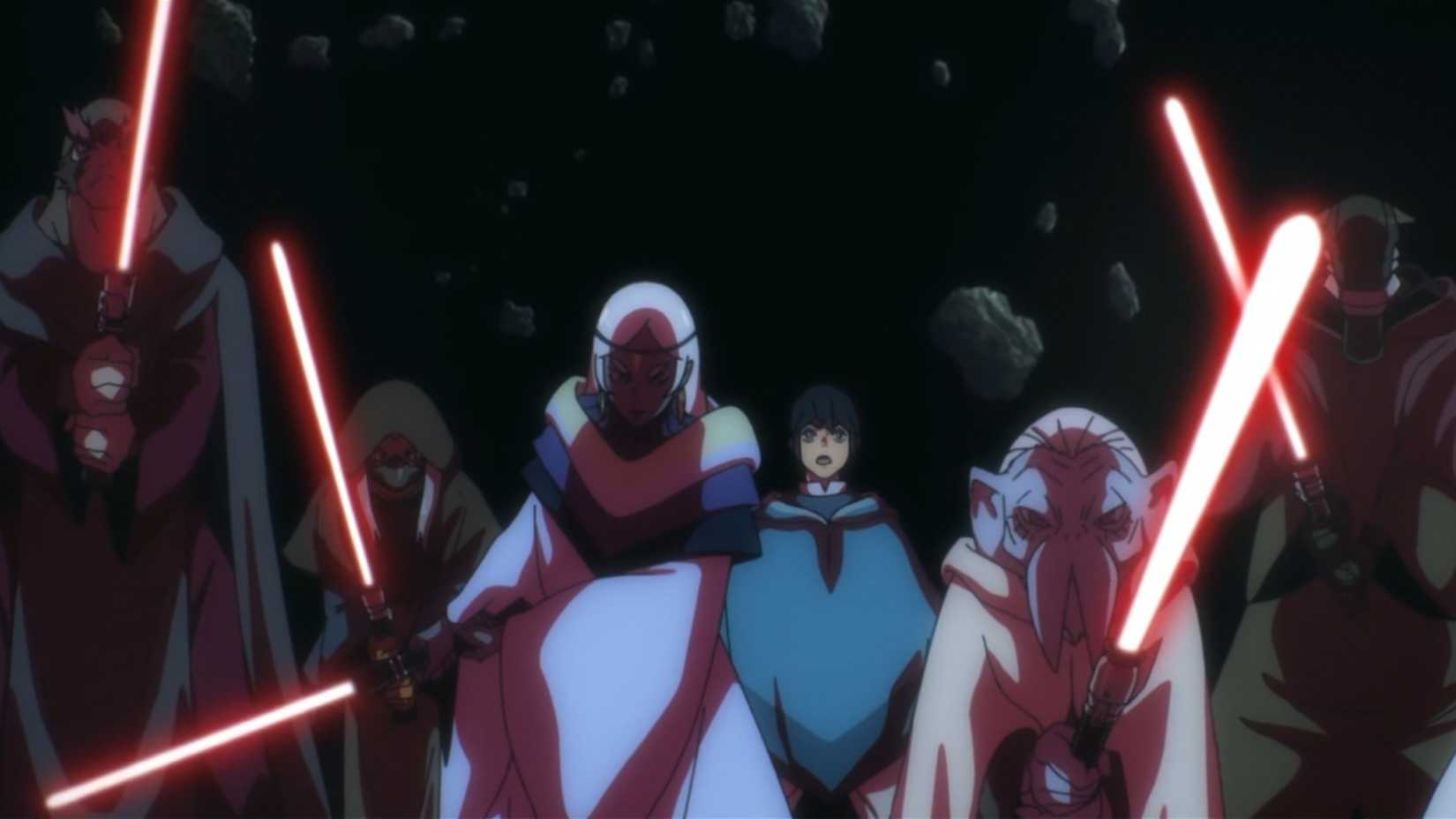
The episodic series follows Kara alongside Jedi Master Margrave Juro as they work to restore the Jedi Order and locate Kara’s missing father, Lah Zhima. Throughout their journey across various worlds, the protagonists recruit Force-sensitive allies and confront General Nawaam, a masked warlord amassing a dangerous galactic army.
The series operates outside the official continuity of the live-action films and television shows. This detachment from established canon gives the showrunners room to alter foundational concepts.
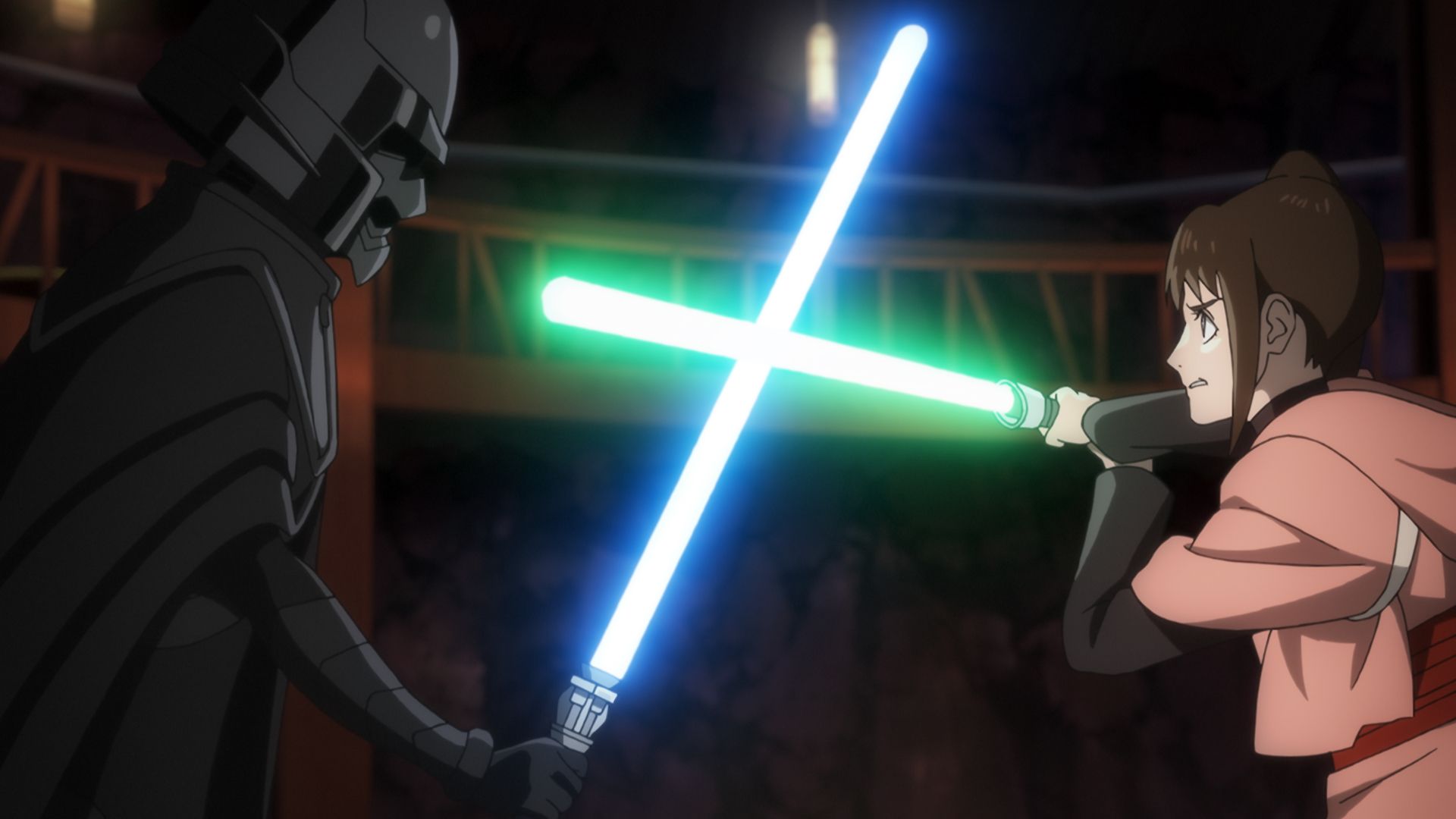
Production I.G. used that flexibility to present lightsabers that alter their blade color based on the person holding them and to question whether someone needs a powerful connection to the Force to become a Jedi. Supervising director Kenji Kamiyama told Polygon that his team wanted to move beyond the traditional Light Side and Dark Side dichotomy.
“I felt the Jedi Order itself had become restrictive,” Kamiyama said, explaining that Kara was designed to represent what “a new generation of Jedi should be.”
This creative direction contrasts with Lucasfilm’s anniversary plans, which focus heavily on established characters such as Luke Skywalker, Leia Organa, Han Solo, Darth Vader, and Kylo Ren. The Ninth Jedi builds an independent narrative with new figures in an unfamiliar time period, using its non-canonical setting to rethink some of the franchise’s oldest rules.
Critical reception for The Ninth Jedi
Critics have responded favorably to the show’s standalone approach. The Ninth Jedi opened with a perfect 100% score on Rotten Tomatoes before settling near 95%. Reviews consistently highlighted the fluid animation, lightsaber duels, original cast of characters, and distance from the core Skywalker saga.
The reception stands apart from the response to The Mandalorian and Grogu, which sits at 60% on Rotten Tomatoes. The critical consensus for the feature film appreciated its action sequences while noting structural weaknesses and a thin plot.
While the success of The Ninth Jedi will not prompt Lucasfilm to abandon decades of continuity, the series demonstrates the artistic benefits of allowing storytellers to explore the galaxy without strict adherence to established lore.
Source: Polygon
Related articles
 Capcom to Showcase Multiple Major Games at TGS 2026
 Blood of the Bastion Announced as New Warhammer The Old World Book on Grand Cathay
 CD Projekt RED Reports Over $100 Million in H1 Profit
 Rockstar Overhauls Gunplay and Movement for GTA VI With Focus on Realism
 Russo Brothers Say They Are Not Fixing All Marvel Universe Mistakes in Avengers: Doomsday
 Mister Sinisters First Appearance Spikes in Comic Market Value After 39 Years
 Glen Powell to Star in The Running Man Remake
 New Bodycam Version Shows High Level of Realism in Footage