Remedy Made Its First Game About Manhattan 25 Years Before Control Resonant
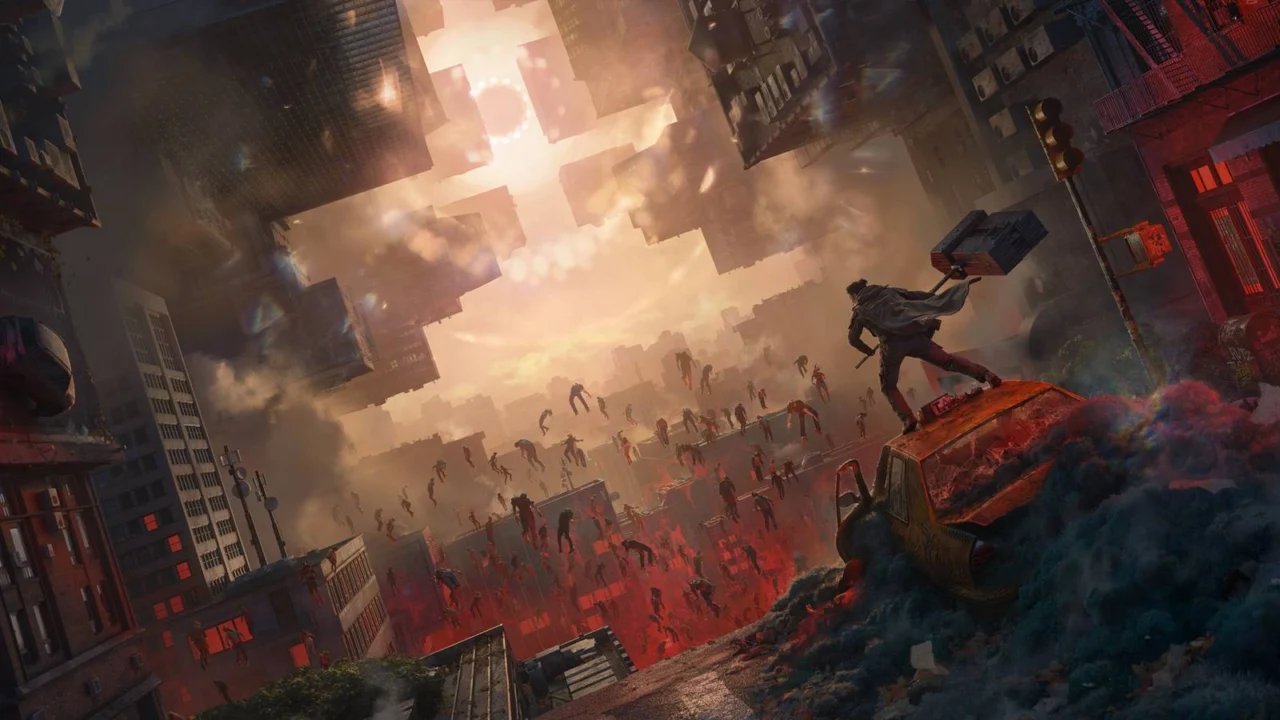
They often say New York City functions as a living, breathing character in its own right. Executed skillfully, this sentiment rings just as true for a classic Nora Ephron romance as it does for sprawling open-world video games like The Division or Marvel’s Spider-Man. Audiences anticipate a similarly vivid atmospheric immersion when Control Resonant debuts its striking aesthetic next week, yet this is far from Remedy Entertainment’s initial triumph in crafting a deeply memorable rendition of New York.
Max Payne laid the groundwork for Control Resonant’s setting a quarter-century ago
Debuting on Windows PC 25 years ago—with subsequent ports swiftly following on PlayStation 2 and Xbox—Max Payne remains an iconic third-person shooter that plunges players directly into a biting, frigid New York City. The oppressive atmosphere and biting chill are inescapable, underscored by an overwhelming sense of foreboding as police cruisers and helicopters converge on a towering skyscraper piercing the freezing skyline. Nobody bears the psychological weight of this pivotal night more acutely than the protagonist himself, Max Payne, who is still reeling from an unspeakable tragedy that shattered his life three years prior.
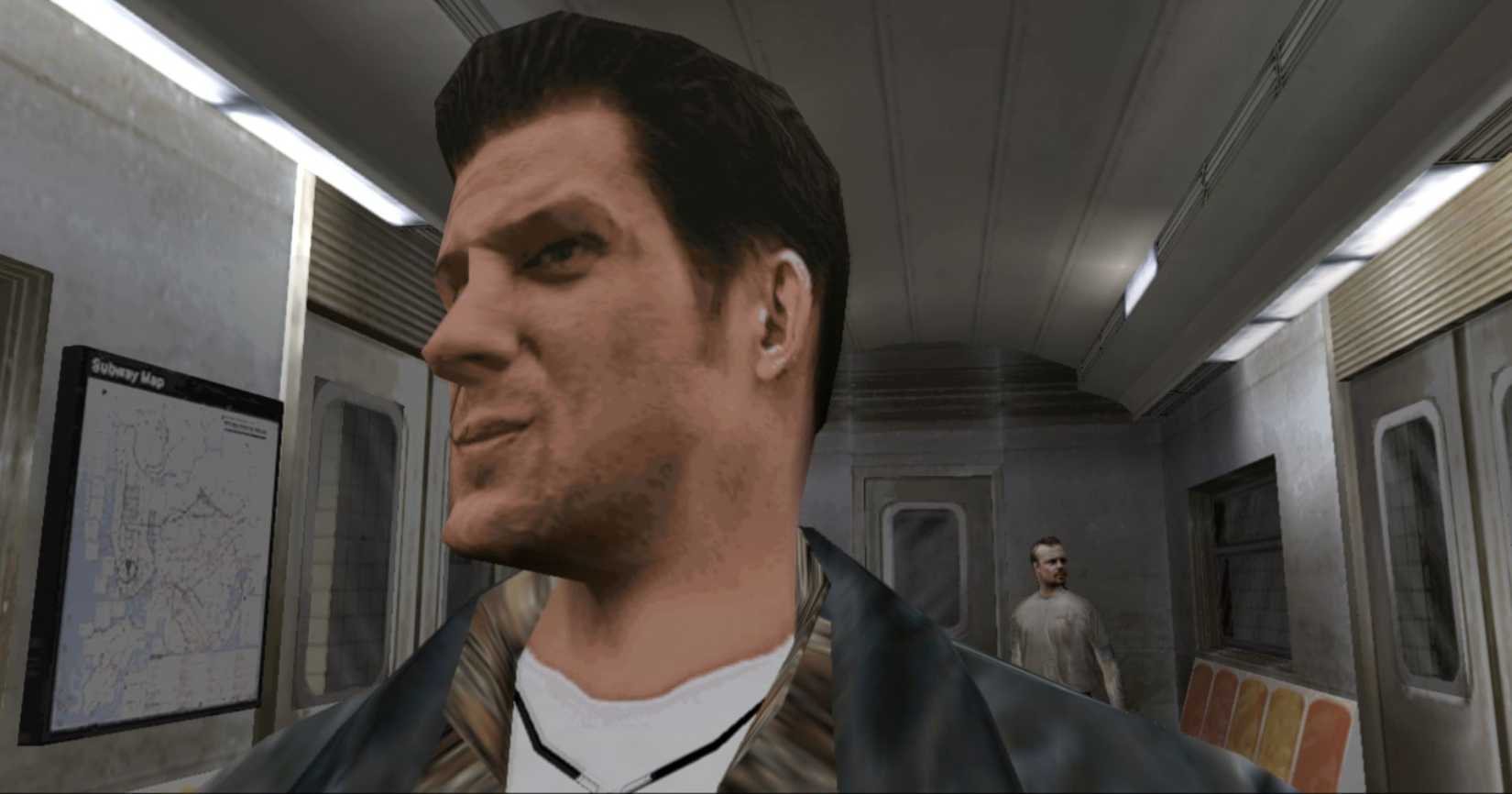 Image: Remedy Entertainment/Rockstar Games
Veterans recall Max Payne with profound fondness largely because it delivers its bleak, hard-boiled narrative with undeniable cinematic flair—so much so that it inspired a 2008 cinematic adaptation starring Mark Wahlberg. The experience commences with Max perched precariously on a rooftop edge, gazing down at the chaotic police response to an active crime scene. A harrowing backstory unfolds through stylish graphic novel panels, accompanied by the gravelly, iconic voiceover narration of the late James McCaffrey.
Three years earlier, Max led a conventional life as a dedicated beat cop returning home each evening to his wife and infant daughter in New Jersey. Everything changed the moment he unlocked his front door, walking straight into a nightmare. Three frantic intruders, blitzed out of their minds on a potent designer drug, had thoroughly ransacked the residence. Max eliminated the trespassers, but not before they heartlessly executed his family. This cataclysmic event severed his ties with the police department, driving him to enlist with the DEA. In this perilous undercover capacity, he ultimately infiltrated the local mafia syndicates responsible for distributing the very narcotic that ruined his existence.
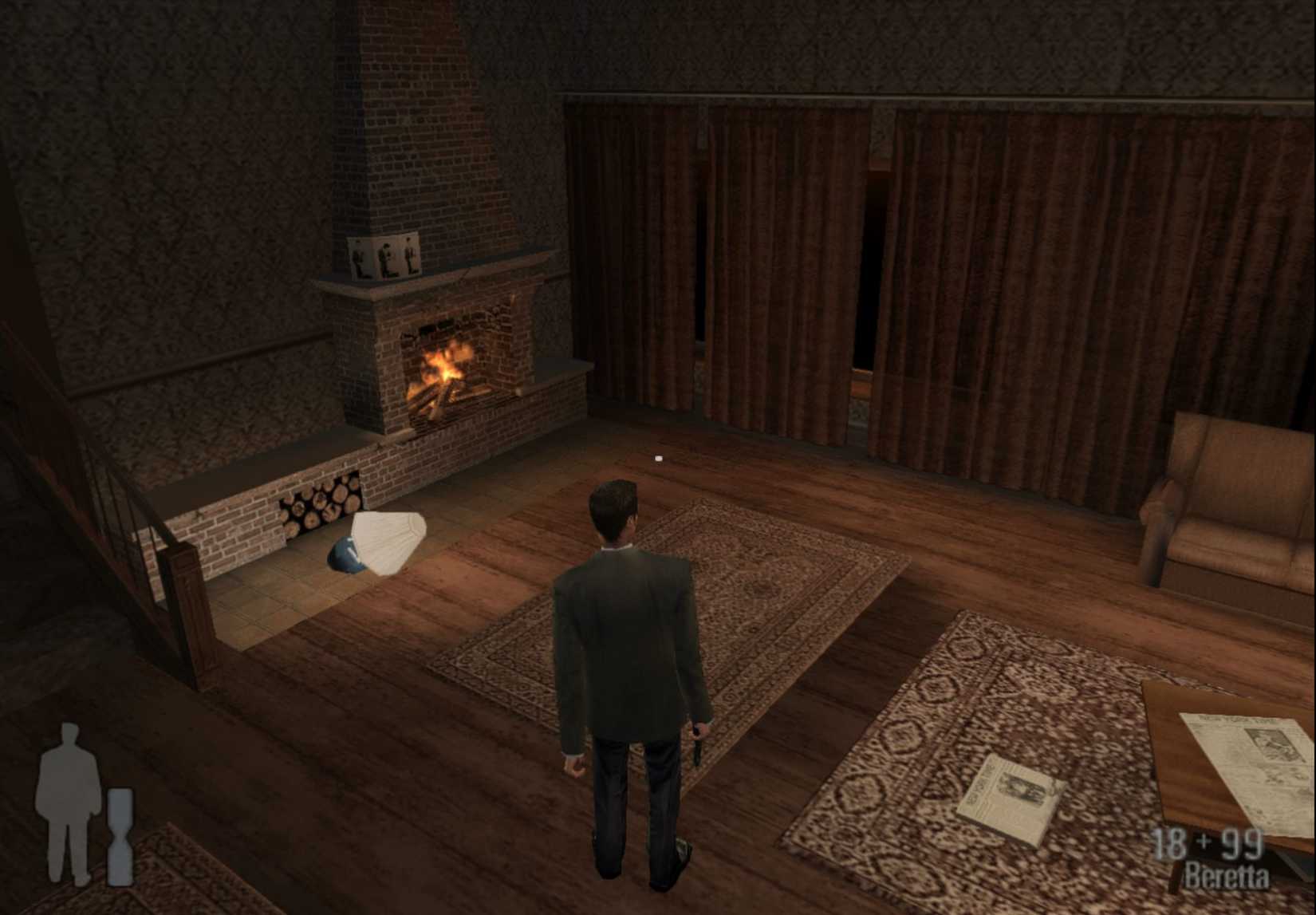 Image: Remedy Entertainment/Rockstar Games
Unraveling the mystery firsthand remains an engaging endeavor. The neo-noir aesthetic retains its magnetic pull despite its fundamental simplicity, largely because Remedy fearlessly embraced the gritty conventions of the genre. Crucially, they reinforced this narrative ambition with exhilarating gunplay anchored by a revolutionary mechanic: bullet time.
First put to the test during early engagements at the fictional Roscoe Street Station (not an actual Manhattan thoroughfare), bullet time allows Max to lunge or dive through the air as the surrounding environment grates to a near standstill. This dramatic maneuver disorients adversaries, who sluggishly react as though wading through thick syrup. While this temporal distortion is temporary, it grants Max a vital window to carefully line up headshots with relative impunity. Utilizing a shotgun effectively minimizes the necessity for meticulous precision altogether.
Admittedly, the overarching plot may lack profound psychological nuance, yet it maintains an energetic momentum that seamlessly bridges satisfying action set pieces. Most glaring flaws are easily forgiven when evaluating the title through the lens of its age. Environmental textures and architectural assets lean toward the utilitarian, while Max’s permanent grimace occasionally borders on the comical rather than the edgy. Such limitations are naturally expected from a game spanning multiple decades.
 Image: Remedy Entertainment/Rockstar Games
The more prominent frustrations become starkly apparent when experiencing the title on legacy consoles. Chief among them is the enforced inverted Y-axis, which frequently forces players to fight the camera controls just as fiercely as the mobsters gunning for Max. Modern titles offer robust customization menus—as did the original PC port—yet the PlayStation 2 release kept configuration options strictly minimalist.
Another acute pain point on consoles is the severe scarcity of health pickups and checkpoints. Traversing multiple corridors and eliminating waves of henchmen only to suffer an unexpected death and be forced to replay the entire sequence is undeniably demoralizing. Consumables appear sporadically, meaning less seasoned players will quickly exhaust their reserves with zero recourse for replenishment. Consequently, checkpoint placement routinely strands Max immediately prior to punishing set pieces filled with blind corners and off-screen attacks, a design choice that feels needlessly punishing even on lower difficulty settings. Fortunately, the PC version alleviates this through unrestricted saving.
Despite its rough edges—and occasionally because of them—Max Payne endures as a deeply rewarding shooter a full quarter-century after its launch. The adventure oozes stylistic confidence backed by compelling kinetic action, particularly when enhanced via PC mods and community fixes. It will be fascinating to observe how Remedy modernizes this classic foundation with the upcoming Max Payne 1 & 2 Remake, alongside how they continue to reinvent their signature vision of urban decay in Control Resonant.
Related articles
 Activision Shuts Down Fan-Made Call of Duty Projects Featuring Black Ops 2 and Zombies Maps
 Space Horror Game Directive 8020 to Feature Online Co-op
 Physical GTA 6 Editions Becoming Difficult to Purchase as Rockstar Warned
 DOOM Composer Discusses Conditions for His Return
 PlayStation Store Price Increases Raise Global Concerns Among Gamers
 Arc Raiders ‘When Everything Falls’ Quest Walkthrough
 The Daily Pokémon Video Game Wordle Is Here With Challenge Battles
 Arc Raiders: Ruins and Reverberations Quest Guide