Reflecting on Cowboy Bebop’s Iconic Finale Quote 27 Years Later
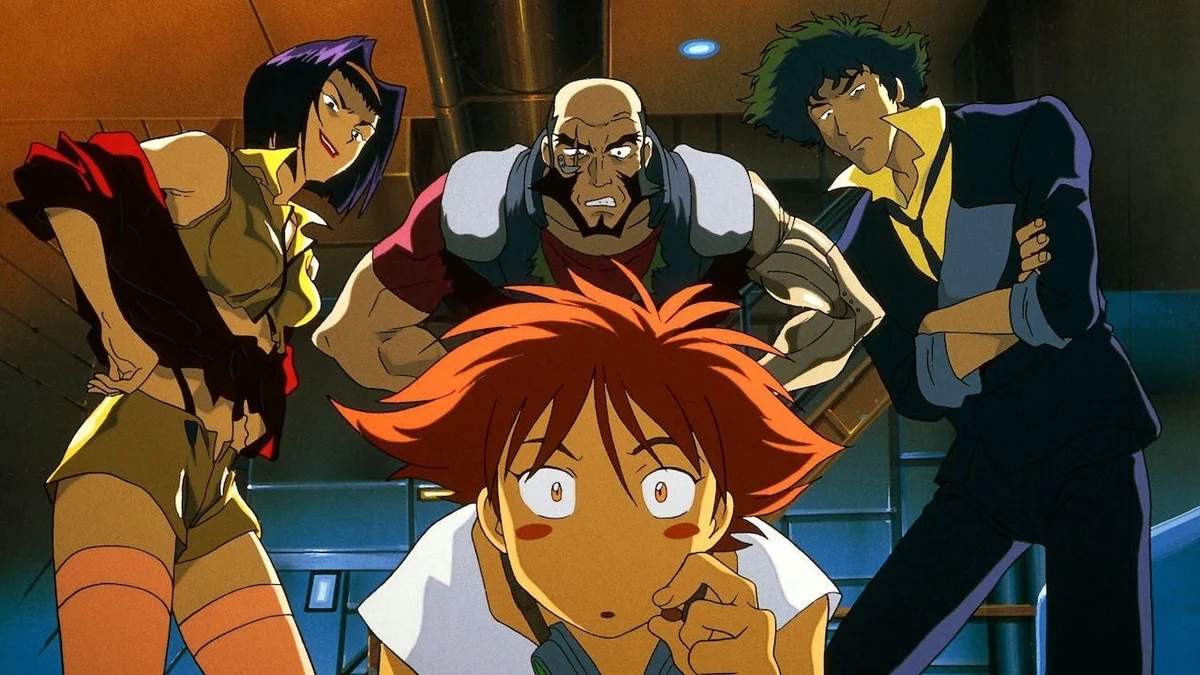
Few anime remain as memorable and quotable as Cowboy Bebop. Decades after its 1998 debut, lines from the series still stick with viewers, from Jet Black observing that “the past is the past” to Faye Valentine asking about the first rule of combat and the recurring fatalism of “whatever happens, happens.” Directed by Shinichirō Watanabe, the space western hides deep sorrow beneath its stylish exterior. Every cigarette, gunfight, and late-night conversation hints that the characters are running from things they cannot escape. Spike Spiegel embodies that struggle more than anyone else on the crew.
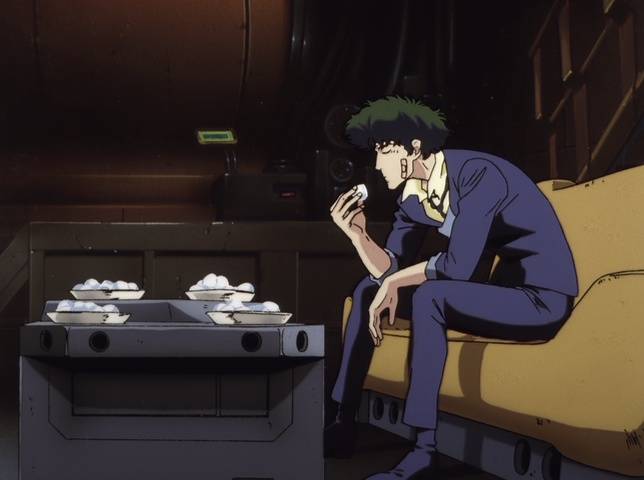
Voiced in the English dub by Steve Blum, Spike drifts from one bounty to another with a relaxed shrug and a deadpan sense of humor. He survives impossible shootouts with cool detachment, but an emotional distance always lingers around him. Blum gives Spike the gravelly charm of a classic noir protagonist while letting subtle exhaustion leak through. Even when Spike jokes or walks into danger, the performance makes clear that the bounty hunter is hiding a painful history that steadily catches up with him across the series.
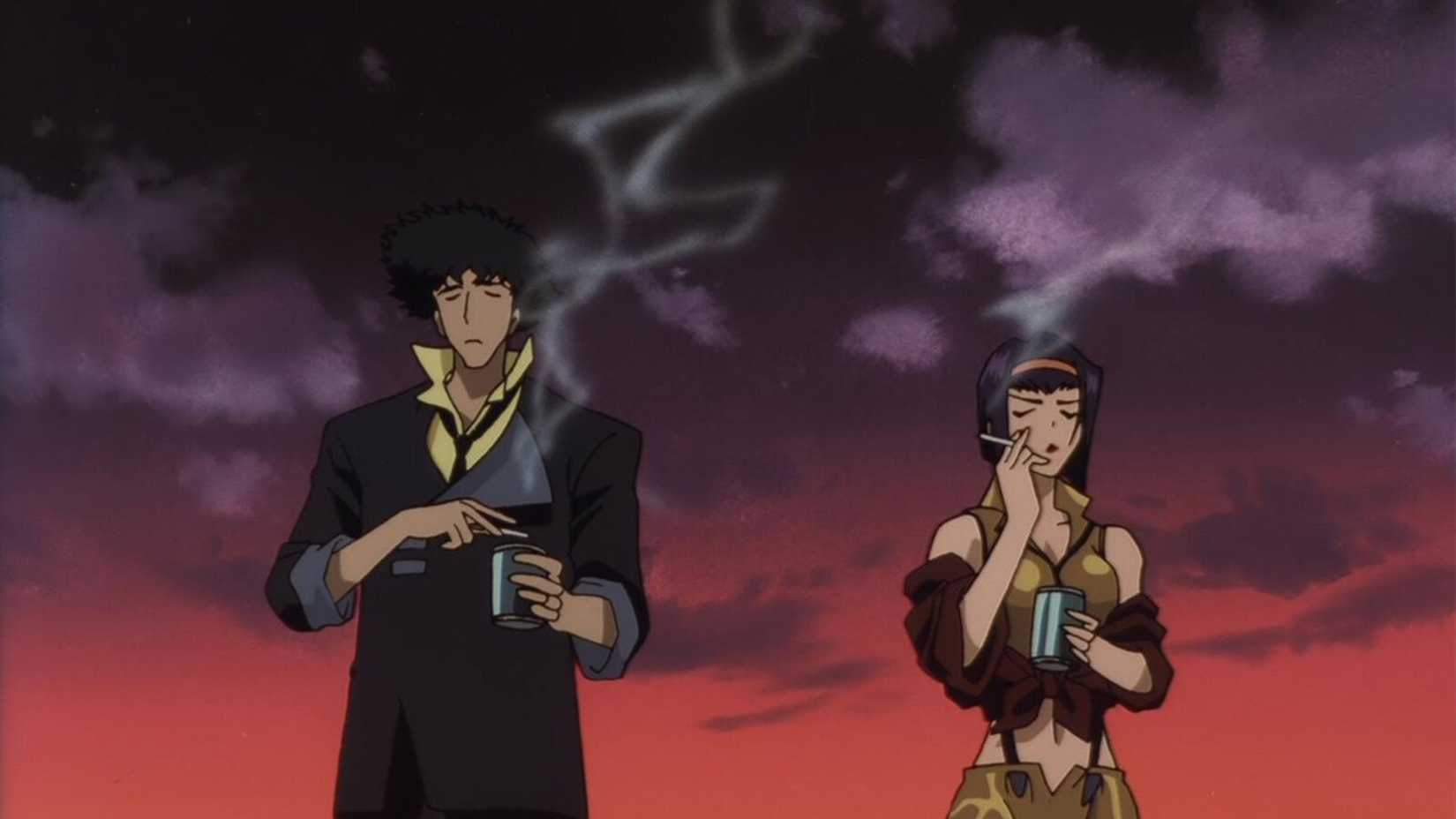
The tragedy of the narrative crystallizes in Spike’s final exchange with Faye on the Bebop before his showdown with Vicious. When Faye confronts him, Spike explains his motives simply.
“I’m not going there to die,” Spike says. “I’m going to find out if I’m really alive.”
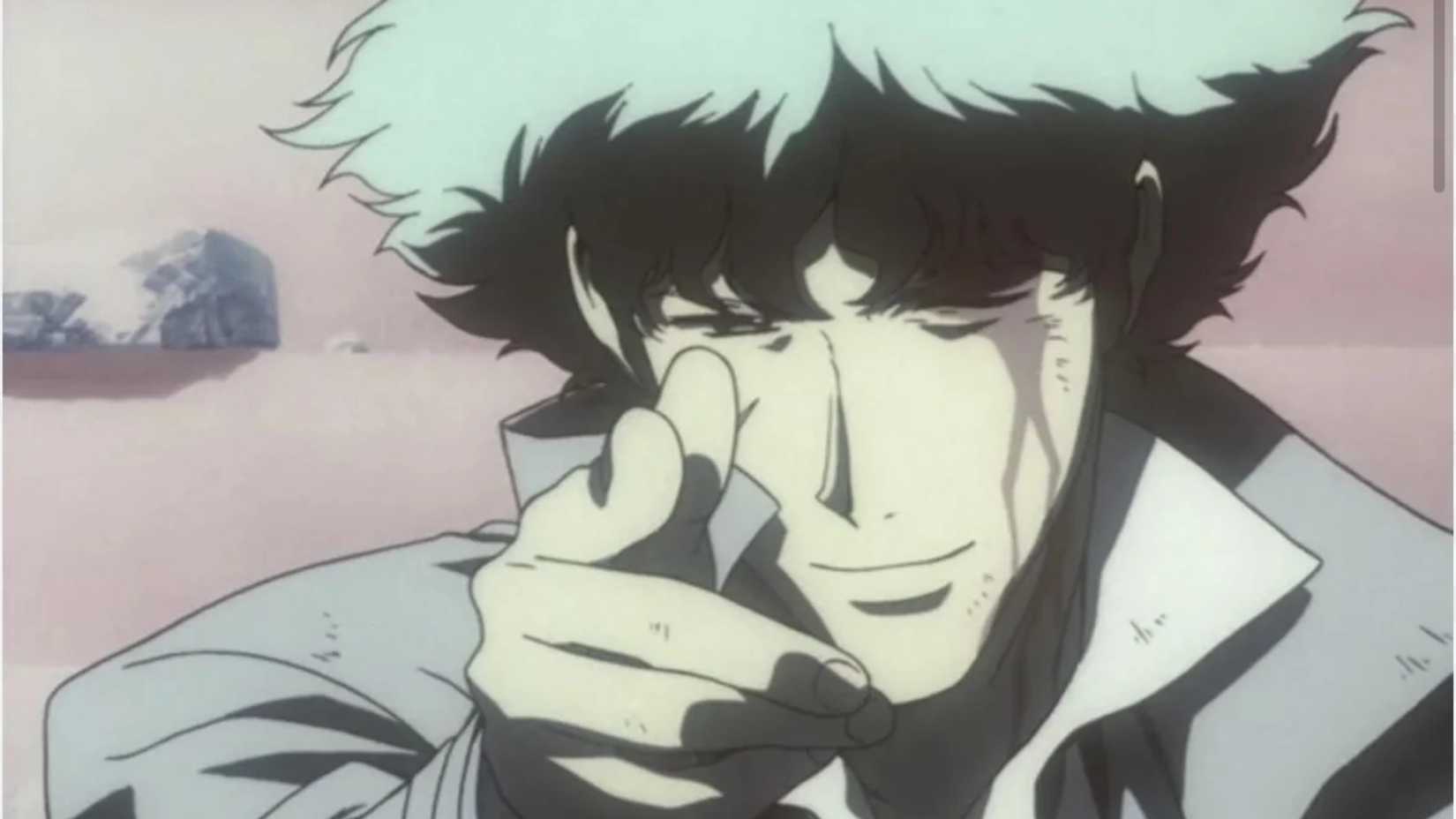
Spike in Cowboy Bebop
While the statement initially sounds like another cool one-liner, its placement in the finale reveals how long Spike has spent merely existing rather than living. The life he wanted ended long before the series began. His relationship with Julia fractured, and his previous identity vanished when he fled the Red Dragon Syndicate. Although the Bebop crew offers him companionship and a fresh start, Spike never fully embraces that future. He remains emotionally stuck in a past he claims to have left behind.
Spike does not return to face Vicious out of a desire for revenge. He goes back to see if any piece of his former self still remains. The resulting climax gives immense weight to the final title card of the series, “You’re gonna carry that weight.” Other episodes close with phrases like “See you Space Cowboy,” but the final message speaks to the universal burdens carried by every member of the crew, including grief, regret, memory, and loneliness. Spike spends the entire show acting as if nothing affects him, yet his final march breaks that illusion entirely.
The series captures the quiet exhaustion of people who go through the motions of everyday life without ever moving forward. Spike finally stops running to face the history that defines him, knowing the confrontation could cost him everything. Decades later, his final choice leaves audiences with a lasting reminder that surviving each day is not the same as truly living.
 Cosmic Horror Game Black Walls Features Inescapable Labyrinth
 Capcom to Showcase Multiple Major Games at TGS 2026
 Blood of the Bastion Announced as New Warhammer The Old World Book on Grand Cathay
 CD Projekt RED Reports Over $100 Million in H1 Profit
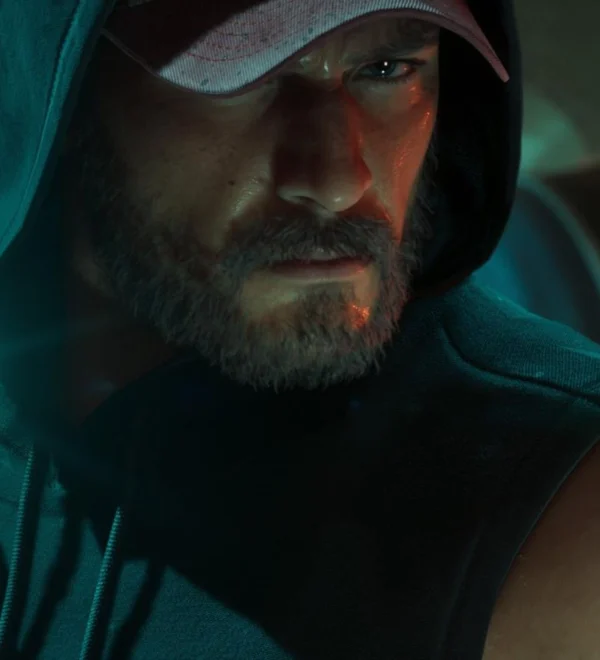 Rockstar Overhauls Gunplay and Movement for GTA VI With Focus on Realism
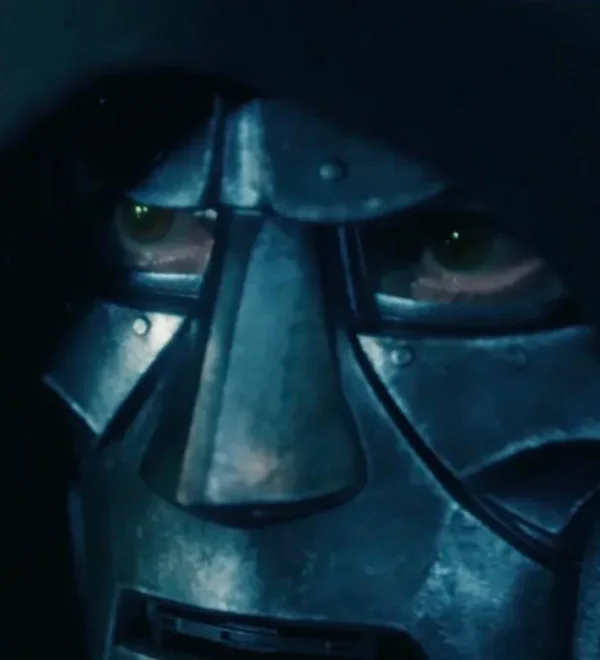 Russo Brothers Say They Are Not Fixing All Marvel Universe Mistakes in Avengers: Doomsday
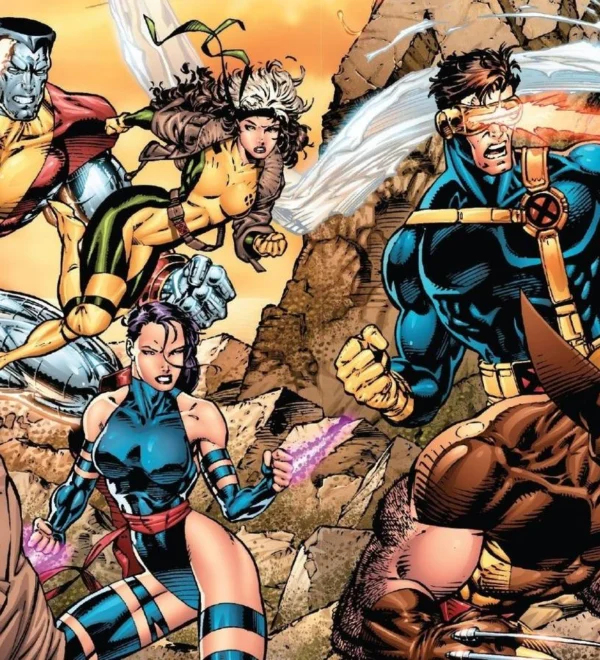 Mister Sinisters First Appearance Spikes in Comic Market Value After 39 Years
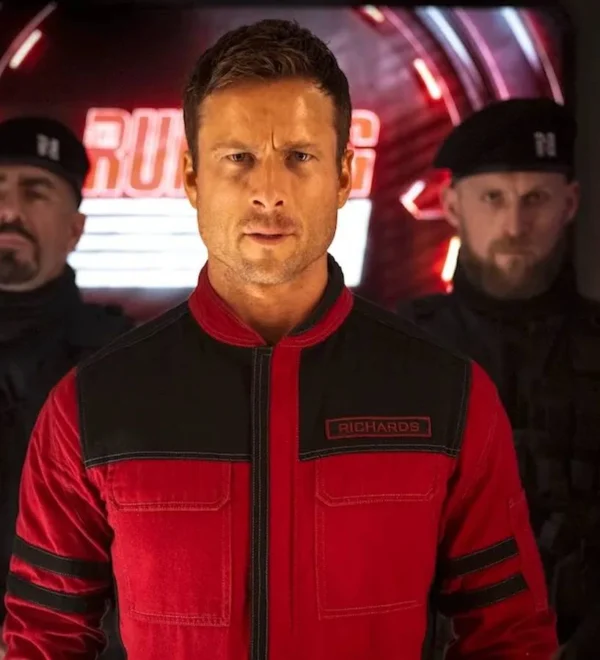 Glen Powell to Star in The Running Man Remake