Reassessing the Most Underrated Jurassic Movie Eight Years Later

Walking out of the cinema after 2022’s Jurassic World: Dominion, I felt a level of disenchantment unparalleled by any other entry in the series. While it may not technically be the nadir of the franchise—that dubious distinction still belongs to the lackluster Jurassic Park III—Dominion utterly squandered its potential as the grand finale to the trilogy launched by Jurassic World.
The marketing for Dominion teased a world overrun, with prehistoric titans unleashing chaos upon modern civilization. Instead, the narrative immediately retreats, explaining via news bulletin that the dinosaurs liberated at the end of 2018’s Jurassic World: Fallen Kingdom have largely been corralled into a secluded Italian mountain sanctuary. Rather than witnessing the visceral thrill of Velociraptors stalking shopping centers or a T-Rex claiming Times Square, we were served another insulated, island-style survival story.
That frustration sparked a newfound appreciation for Fallen Kingdom (now available on Netflix). While every other sequel seems obsessed with replicating the tropical jungle formula of the 1993 original, Fallen Kingdom stands as the only chapter in the seven-film odyssey that genuinely attempted to evolve the narrative framework.
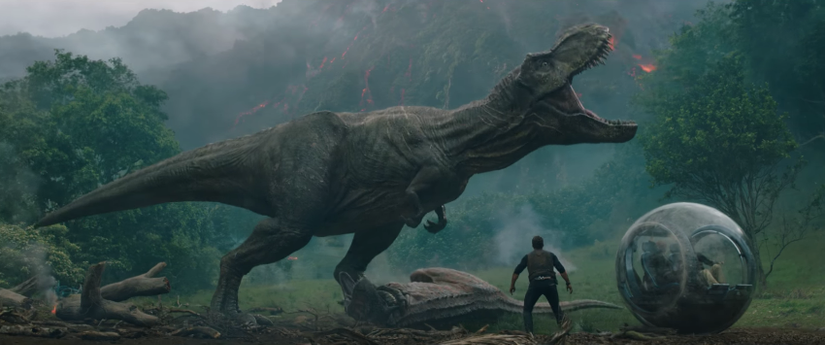
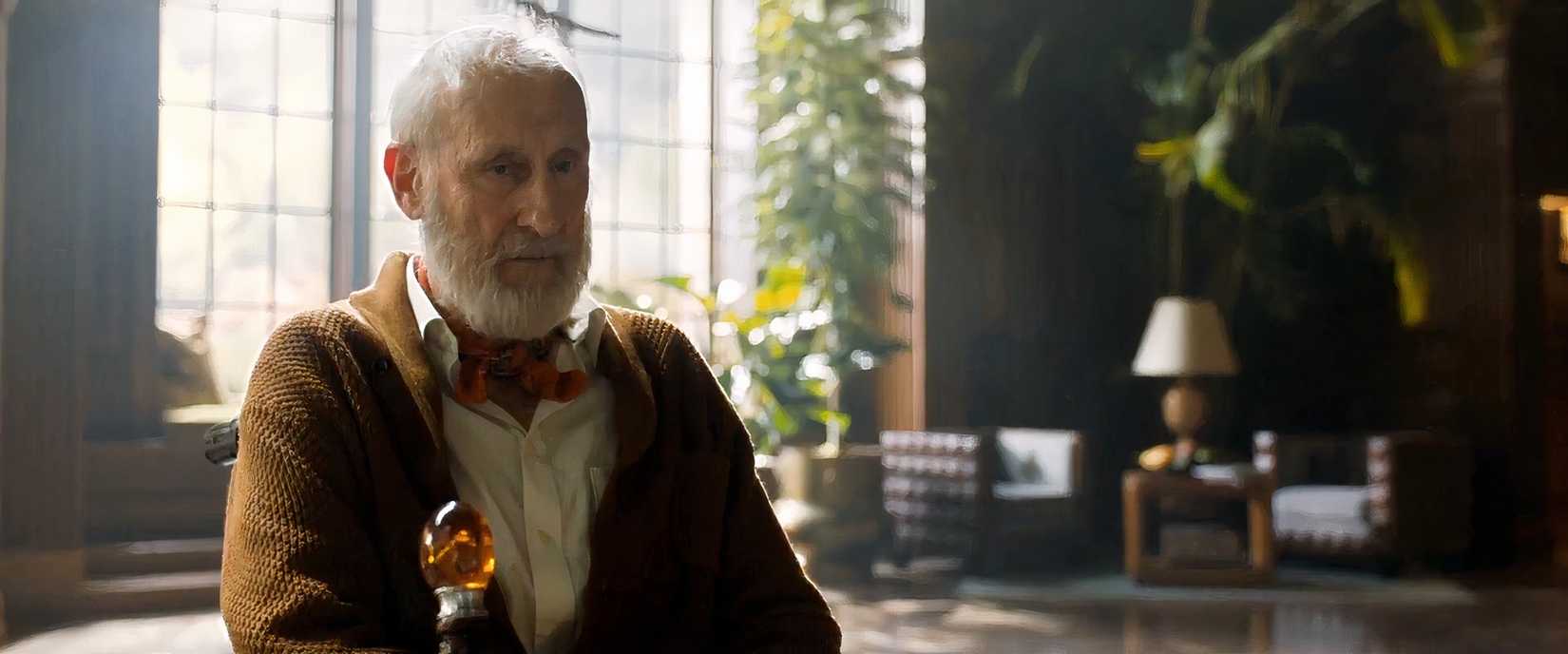
Following the successful 2015 revival that saw a fully functional theme park collapse into anarchy, Fallen Kingdom introduces a ticking clock: Isla Nublar is a volcanic powder keg. With total extinction imminent, Owen Grady (Chris Pratt) and Claire Dearing (Bryce Dallas Howard) are enlisted by Sir Benjamin Lockwood (James Cromwell)—a previously unmentioned partner of John Hammond—to relocate the animals to a private sanctuary.
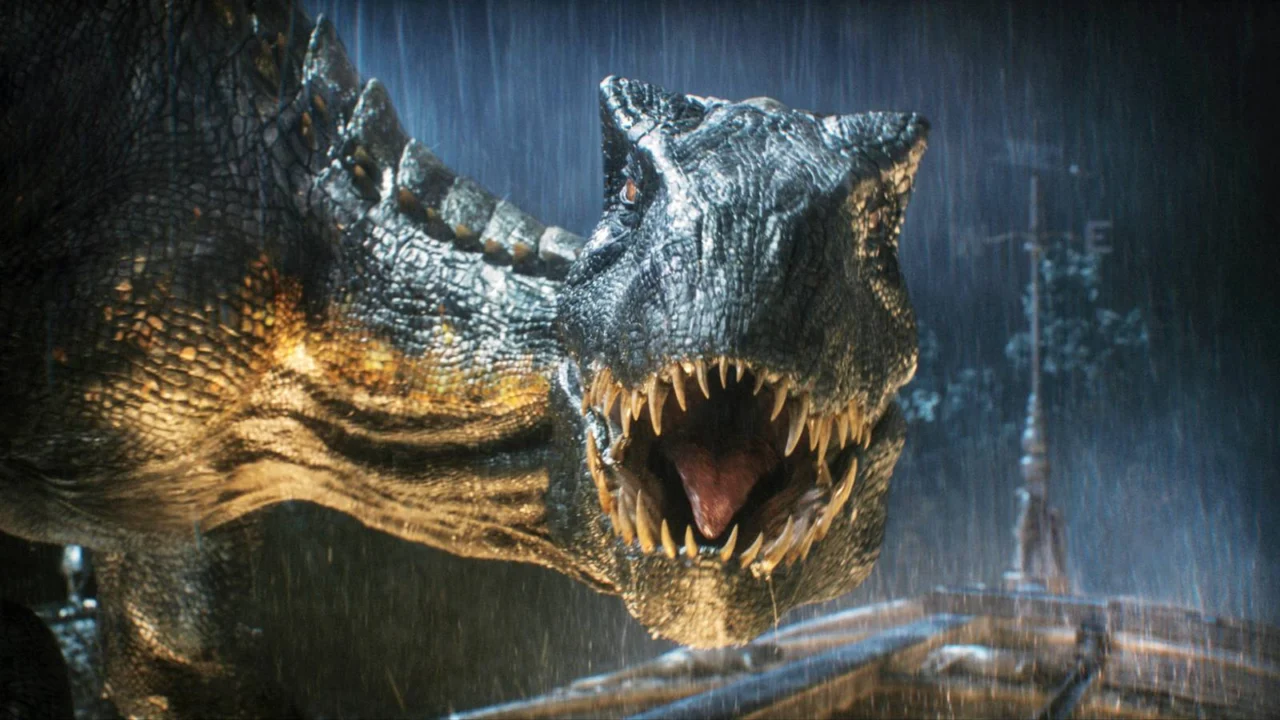
The mission, however, is a ruse. After a breathless escape from the erupting volcano, the protagonists discover the dinosaurs are being funneled to Lockwood’s sprawling California manor. There, Eli Mills (Rafe Spall) intends to sell these biological wonders to the highest-bidding war profiteers. The plot culminates in the escape of the Indoraptor—yet another genetically engineered hybrid—which turns the estate into a gothic house of horrors. The film concludes with Lockwood’s granddaughter, Maisie (Isabella Sermon), making the pivotal decision to release the surviving creatures into the American wilderness.
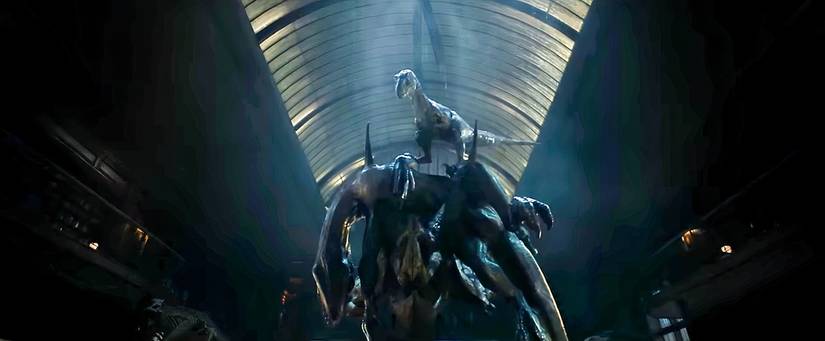
To be clear, I wouldn’t classify Fallen Kingdom as a masterpiece; I’d likely rank it in the middle of the pack. The frantic energy of the Isla Nublar evacuation far outshines the slower mansion sequences. It also leans too heavily on the tiresome trope of hybrid dinosaurs—a concept many paleo-enthusiasts find redundant when so many fascinating real-world species remain underutilized. Furthermore, the subplot involving Maisie as a human clone feels like a jarring leap into a different genre entirely.
The retroactive inclusion of Lockwood also feels a bit clumsy. If the writers wanted to explore Hammond’s history, they might have been better served referencing Norman Atherton, Hammond’s partner from Michael Crichton’s original novel, rather than inventing a billionaire with a convenient secret basement.
Nevertheless, Fallen Kingdom deserves accolades for its structural bravery. While its peers remain tethered to the island setting, this film spends less than thirty minutes on Isla Nublar. Even that segment subverts expectations: the humans aren’t there to hunt, but to rescue. The haunting image of a Brachiosaurus consumed by ash is perhaps the most emotionally resonant moment in the modern trilogy.
Though some viewers found the scene unnecessarily cruel, it serves a vital purpose. It strips away the “monster” archetype, reminding us that these are vulnerable animals. By using the very creature that provided our first sense of awe in 1993 to deliver a crushing sense of loss, the film bridges the gap between wonder and tragedy with surgical precision.
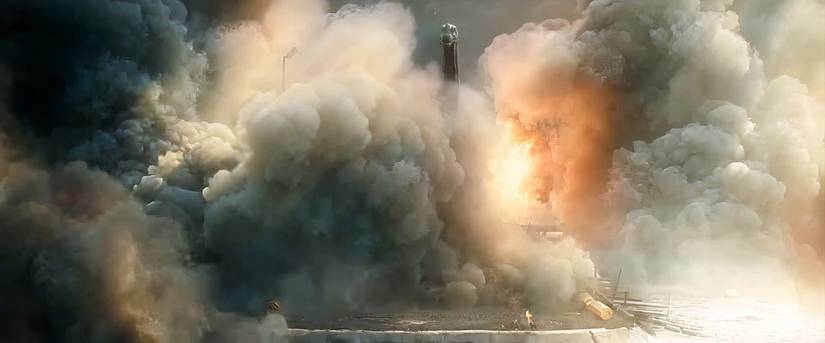
The auction sequence, while bordering on the theatrically villainous, feels oddly prophetic in our current era of billionaire-led space tourism. It isn’t a stretch to imagine the modern ultra-wealthy bidding on prehistoric status symbols in a high-stakes black market.
When the Indoraptor eventually breaks loose, the film undergoes a fascinating tonal shift. Utilizing shadow, torrential rain, and claustrophobic hallways, director J.A. Bayona injects a genuine horror aesthetic into the franchise—a stylistic pivot that future installments should desperately embrace.
Finally, there is the evocative ending. As the dinosaurs vanish into the night, we see a montage of the new world order: a Mosasaur looming beneath surfers, a T-Rex confronting a lion at a zoo, and Blue overlooking a suburban horizon. It was a tantalizing promise of a “Neo-Jurassic” age.
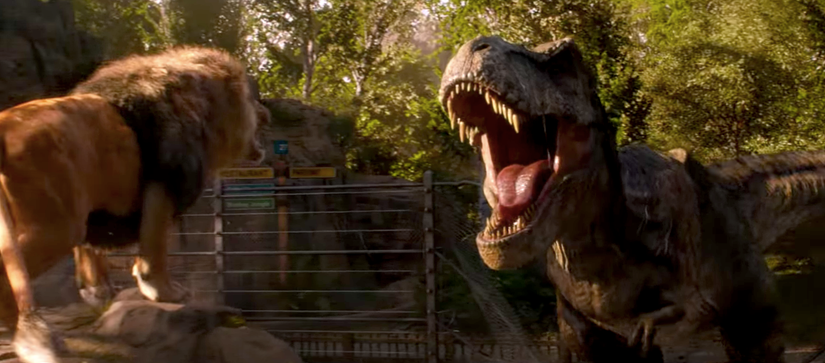
It echoed the raw excitement of the San Diego rampage in The Lost World: Jurassic Park, suggesting a future where the dinosaurs were no longer “out there” on an island, but right here among us. That is the movie fans have been craving for decades.
Regrettably, Jurassic World: Dominion retreated from this threshold, as did the subsequent Jurassic World: Rebirth. Looking back, Fallen Kingdom stands as a bold, if flawed, attempt to shatter the status quo. It offered a variety of storytelling that the franchise would be wise to revisit if it ever hopes to recapture its original bite.
Jurassic World: Fallen Kingdom is currently streaming on Netflix.
Source: Polygon
Related articles
 VisionQuest Brings Marvel’s Original Human Torch Phineas Horton Into MCU Canon
 VisionQuest Episode 4 Ending Explained: Who Jocasta Is in Marvel Comics
 Midnight Mass Outshines Carrie as Mike Flanagan’s Strongest Netflix Miniseries
 Crimson Desert: Charting the Unknown DLC Features Overview
 Modder Is Building Bully “Remake” in Unreal Engine 5 With NPCs Given Conscious AI and Speech
 GTA VI-Style Game in Development on Roblox, Players Surprised by Gameplay Footage
 20 Best Board Wipes in Magic: The Gathering
 Esports Player Faces Possible Prison Term Over Income From Counter-Strike 2 Virtual Item Sales After Tax Authority Questions