Ranking All Six Futurama Series Finales
“One thing we take pride in at Futurama is that we have a lot of practice writing last episodes ever.”
When David X. Cohen sat down for an interview with Polygon last week, he described the show’s latest series finale titled “Final Ending: The Last Conclusion.” Despite the episode name, this does not mark the official end of the series because Futurama will release three animated specials next year.
“Final Ending: The Last Conclusion” was written as a potential series finale, representing the sixth time this has happened in the show history. Until the next final episode arrives, these finales rank according to how well they function as conclusions rather than just the quality of the episodes themselves.
6. “Overclockwise” (2011)
Futurama spans four main eras across Fox, straight-to-DVD movies, Comedy Central, and Hulu. “Overclockwise” aired near the end of the second Comedy Central season when future renewals remained uncertain. Ken Keeler wrote the episode as a precautionary season finale.
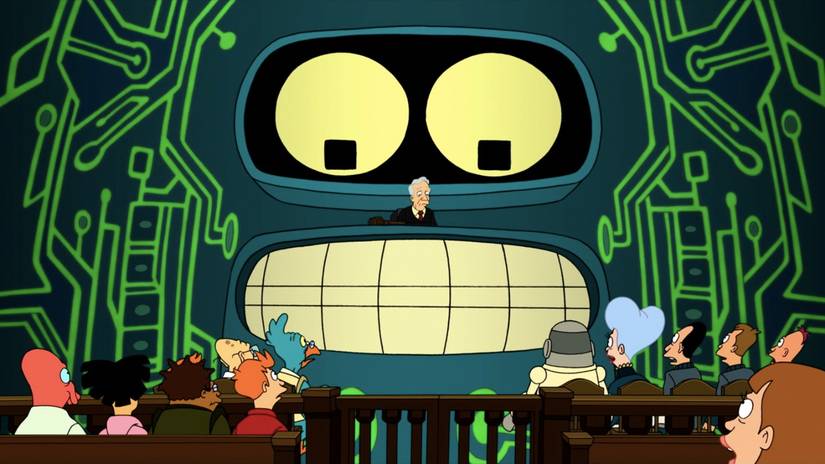
The plot centers on Bender, voiced by John DiMaggio, whose factory settings are overclocked by Cubert, voiced by Kath Soucie, turning the robot into an omnipotent supercomputer. Mom, voiced by Tress MacNeille, takes Professor Farnsworth, voiced by Billy West, to court for voiding Bender warranty. Meanwhile, Leela, voiced by Katey Sagal, feels restless in her relationship with Fry and briefly leaves Planet Express. She eventually returns, and the episode closes as the couple reads a future prediction report compiled by Bender during his god-like phase.
While Bender is a favorite character, “Overclockwise” ranks as the weakest finale because it barely feels like a conclusion. Futurama belongs to Fry first as the primary hero, and any finale must place him at the center. The moment featuring Fry and Leela learning their future is touching, but the main character should never be relegated to a secondary plotline in a series finale.
5. “The Devil’s Hands Are Idle Playthings” (2003)
Ken Keeler also wrote “The Devil’s Hands Are Idle Playthings,” which stands as an exceptional episode of television but functions only moderately well as a finale.
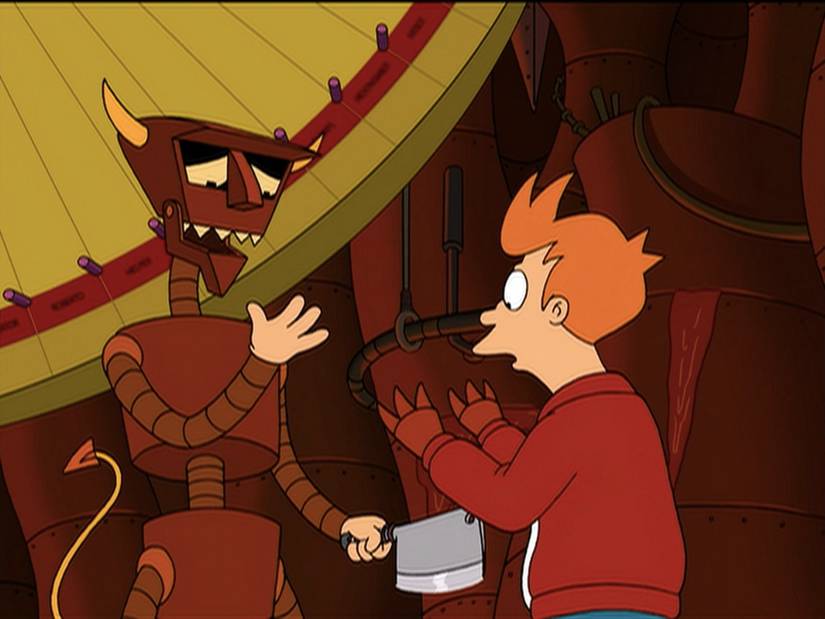
The story follows Fry as he tries to master a hologram-projecting musical instrument called the holophonor to impress Leela. Acting on Bender advice, Fry visits the Robot Devil, voiced by Dan Castellaneta, to trade hands with a random robot. The lottery selects the Robot Devil himself, prompting a hand swap.
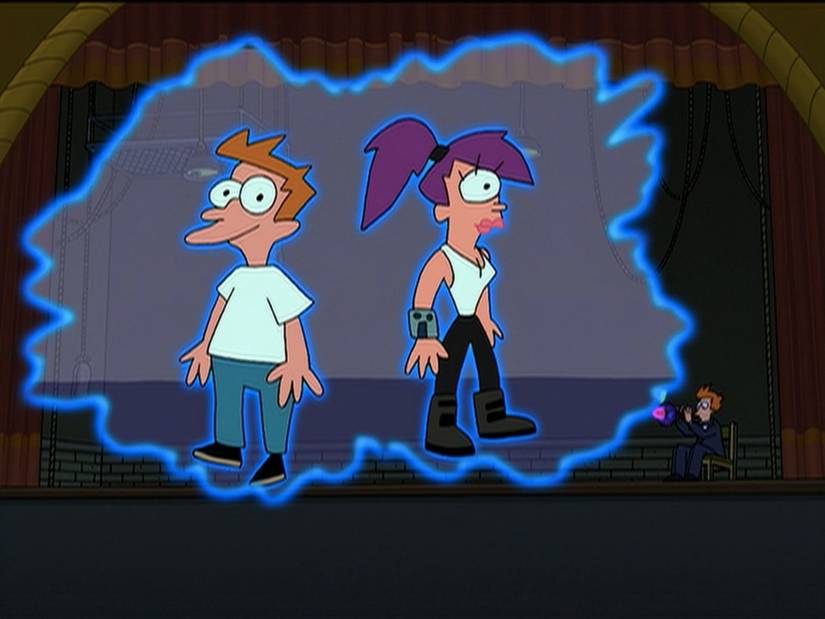
Fry becomes a virtuoso and writes an opera for Leela, though the Robot Devil eventually reclaims his hands. The episode concludes with a sweet, crude hologram projection created by Fry imperfect, earnest holophonor skills.
Online sources often state this episode was intended as a permanent finale, but showrunner David X. Cohen clarified in the original DVD commentary noted that the team estimated a fifty-percent chance of cancellation. They wanted to hedge their bets without forcing everyone to wave goodbye.
The episode feels cautious in its execution. Fry concert marks a milestone for him and Leela, yet it does not resolve the broader narrative. Watching the broadcast live in 1999 left audiences wanting more rather than feeling satisfied with a final conclusion.
4. “Otherwise” (2024)
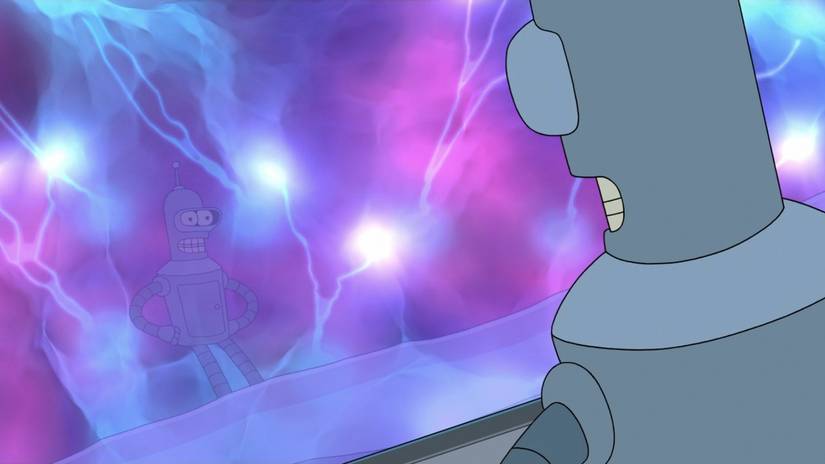
“Otherwise” closed out the second Hulu season, written once again by Ken Keeler as a precautionary ending while awaiting renewal decisions.
Earlier episodes hinted that the Planet Express crew might exist in multiple variations across a vast multiverse, explaining past continuity errors. This installment leans into that high-concept premise by acknowledging various past episodes, including the previous finale “Meanwhile.”
Multiverse stories appear frequently in modern science fiction, and while Futurama handles the concept well, the episode lives entirely in the shadow of “Meanwhile.” Sharing a similar naming convention, it struggles to stand completely on its own.
3. “Final Ending: The Last Conclusion” (2026)
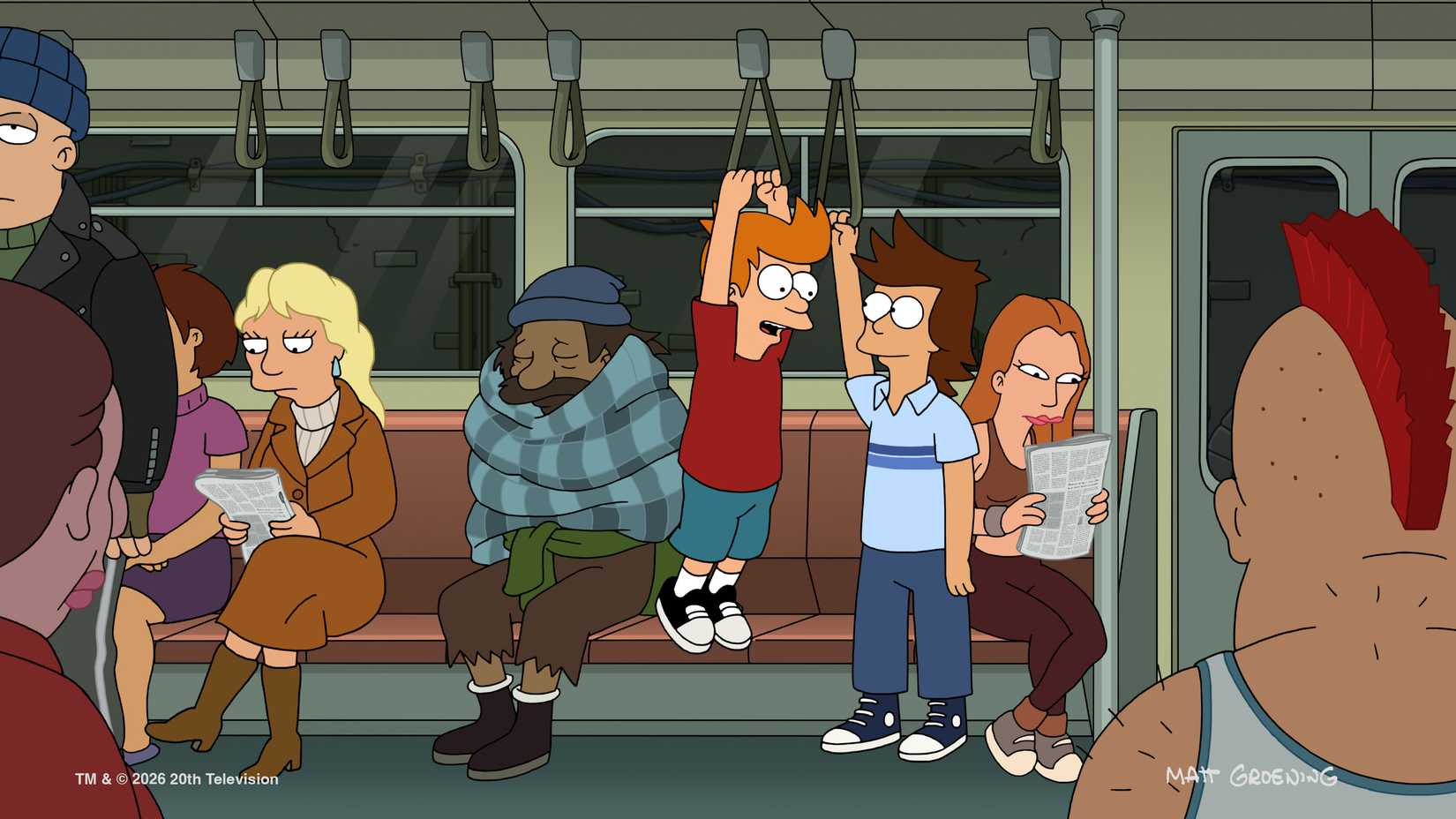
Written by Margot Pyrceman, this recent finale follows Fry attempting to watch the ending of a PG-13 movie he started with his brother in the late 20th century before getting kicked out. Concurrently, the Professor introduces a theory that wanting to know the ends of stories is an evolutionary survival trait. Cohen elaborated on this concept in his Polygon interview:
“It’s based on this idea I have that human beings actually evolved to need to know the ends of stories,” said Cohen. “The example I’ll give you is, hundreds of thousands of years ago, when early humans started telling stories, if someone started to tell a story about a forest, some of the people in the troop wanted to hear the rest of that sentence, and some didn’t care. Well, the ones who wanted to hear it could find out if there was a bear in the forest who was going to maul them to death, or if there was a tree that was covered with nutritious mangoes. So, I think that is an evolved need, like eating and breathing and reproduction, that humans have, to hear the end of stories.”
Several other ending-related vignettes run alongside Fry and the Professor stories, accompanied by a notable nod to “Meanwhile.” This entry focuses heavily on a high-concept meta-idea about finales rather than pure emotional closure, making the narrative less deeply satisfying than traditional storybook conclusions.
2. “Into the Wild Green Yonder” (2009)
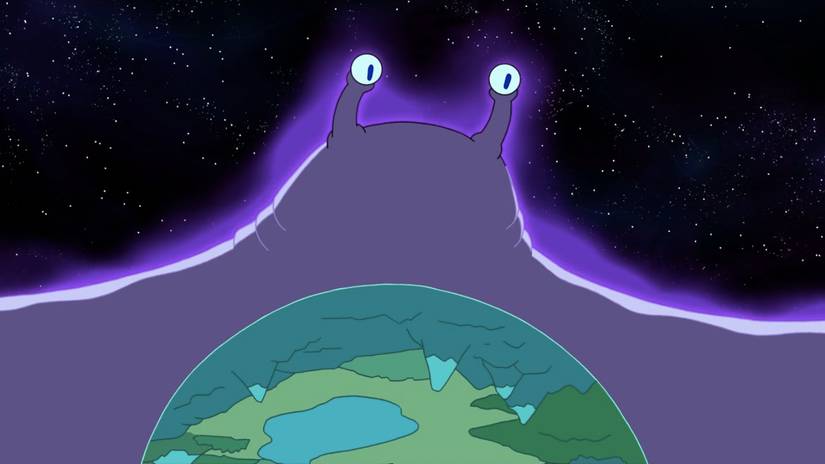
“Into the Wild Green Yonder” served as the final direct-to-DVD movie. Written by Ken Keeler, the story involves Fry caught in an ancient war between the Encyclopods and the Dark Ones.
The direct-to-DVD era required each movie to double as four regular-length television episodes, introducing structural quirks and minor padding. Despite those constraints, Futurama successfully scaled up to feature-length narratives without losing its identity.
The grand scale gives “Into the Wild Green Yonder” the weight of a true series finale, even if it falls short of perfection.
Fortunately, the show continued, leading directly into the greatest final episode ever produced.
1. “Meanwhile” (2013)
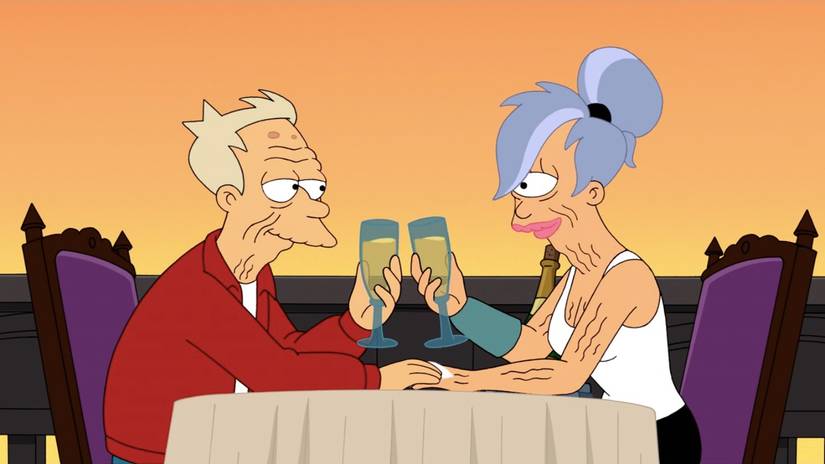
“Meanwhile” condenses the best elements of Futurama into a tight 22-minute runtime, combining the emotional core of “The Devil’s Hands Are Idle Playthings” with cinematic grandiosity and a high-concept sci-fi premise.
Following a near-death experience for Leela, Fry decides to propose. Meanwhile, Professor Farnsworth invents a time button that reverses events by ten seconds. After multiple comedic time-travel loops, Fry breaks the device, freezing time for everyone except himself and Leela. The two grow old together in a frozen world through a touching sequence.
At the end, the Professor arrives with a repaired button, explaining that using it will reset time to the exact moment before the break, wiping their memories of the lifetime they shared.
The episode remains poignant, funny, and uniquely structured without hedging bets on a renewal. While the Professor undoes the timeline, the emotional impact remains permanent.
Futurama eventually returned a decade later, but “Meanwhile” remains the one time the series truly felt finished. While subsequent revivals and future specials bring fresh stories, nothing quite matches the absolute conclusion of “Meanwhile.”
Source: Polygon
Related articles
 Total War: Warhammer III Mod Creator Breaks Mod in Protest Against AI Repacks
 Gran Turismo 7 Developers Show New Track and Cars in Spec IV Update Part 1 Trailer
 Gameplay Footage of Marvel’s Wolverine Emulated on PC Shows Performance Approaching 30 FPS
 Valorant Anti-Cheat Developer Responds After Gamer Buys Used CPU with Hardware Ban
 The Witcher 3 Modder Streamlines Graphics Customization Process
 Enthusiast Ports Hideo Kojima’s Silent Hills P.T. to PC
 Stephen King Movie The Mist Available Free on Streaming
 Netflix Renews The Witcher for Fifth and Final Season