Polygon Lists the 10 Best Low Fantasy Books
Fantasy is a broad genre, and low fantasy may be its slipperiest corner. The term covers stories where magic barely exists, such as Game of Thrones. It also covers tales where the supernatural quietly intrudes on a recognizable world, as in Pan’s Labyrinth. High fantasy often carries readers to invented worlds with their own mythologies. Low fantasy finds the extraordinary lurking just beneath the surface of the familiar.
Neil Gaiman is one of the pioneering figures in this subgenre. He hides mystical histories beneath modern cities and American highways. Haruki Murakami lets dreams and inexplicable encounters seep into the routines of contemporary life. The subgenre skips sprawling empires and works through intimacy and friction. Ancient folklore, quiet hauntings, and strange geometry have to share space with everyday banality. These stories often show how strange the real world can be.
For this list, I took that broader understanding as a starting point. I focused on novels where the fantastic sits in close conversation with recognizable places, historical periods, and daily life. These are 10 of the best books exploring that liminal space, where magic doesn’t need to transform the whole world to change how we see it.
10. The House of the Spirits by Isabel Allende
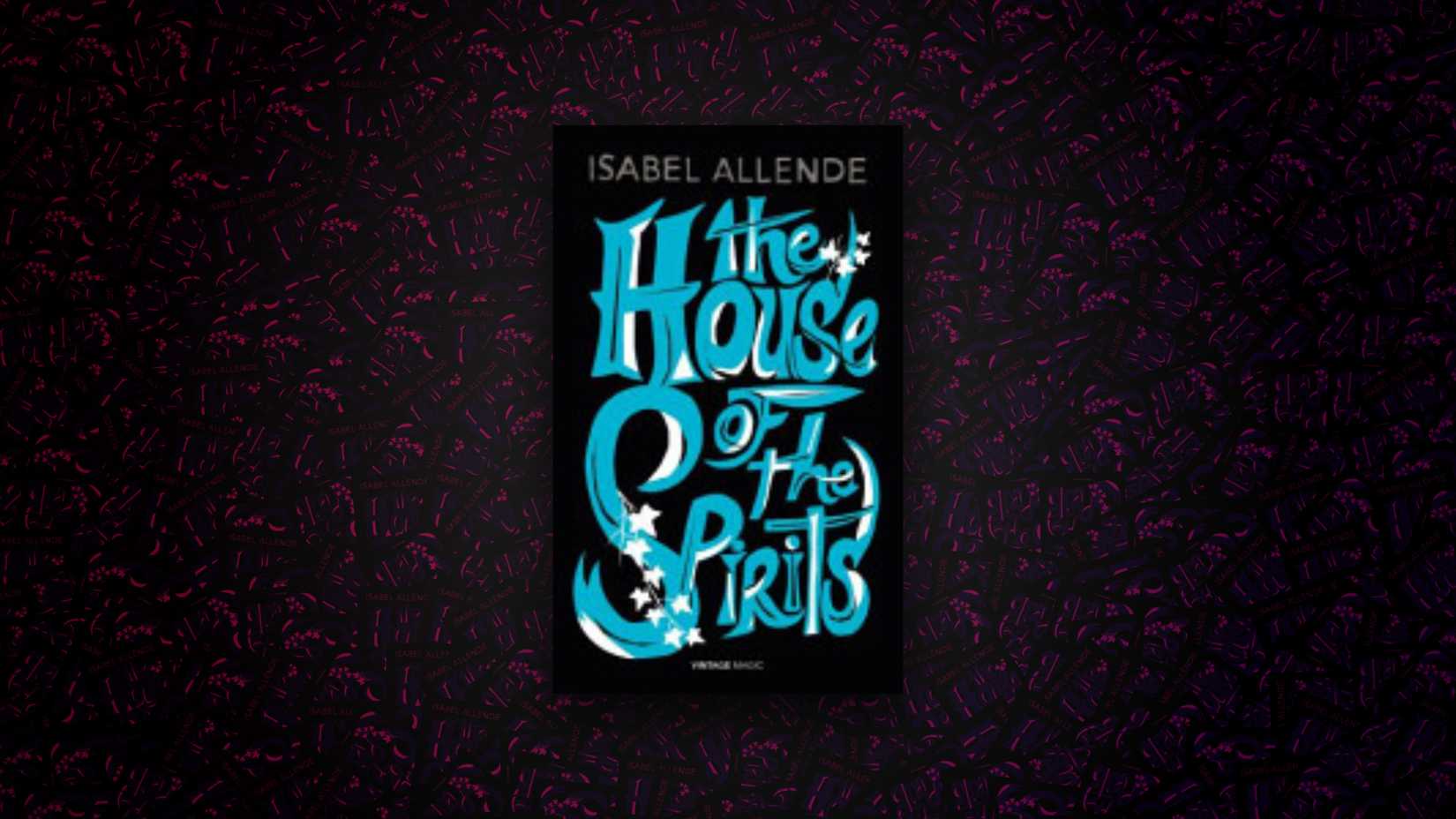
Ghosts, clairvoyance, and prophetic visions might sound like the ingredients of a sprawling fantasy epic or a solid horror novel. Isabel Allende’s The House of the Spirits is first and foremost a story about a family living through decades of political and social upheaval. It follows generations of the Trueba family and blends domestic drama with supernatural events, including bizarre physical anomalies, premonitions, telekinesis, and apparitions. The extraordinary elements sit alongside the routines, tensions, and tragedies of everyday life.
Allende’s approach is closely associated with magical realism, a tradition that overlaps with low fantasy. She doesn’t treat magic as an interruption that demands explanation. She makes it part of the fabric of her characters’ world. The result is a richly layered novel where personal and national history intertwine. The extraordinary coexists with political revolution and quiet domesticity and never overshadows the weight of real life.
9. The Buried Giant by Kazuo Ishiguro
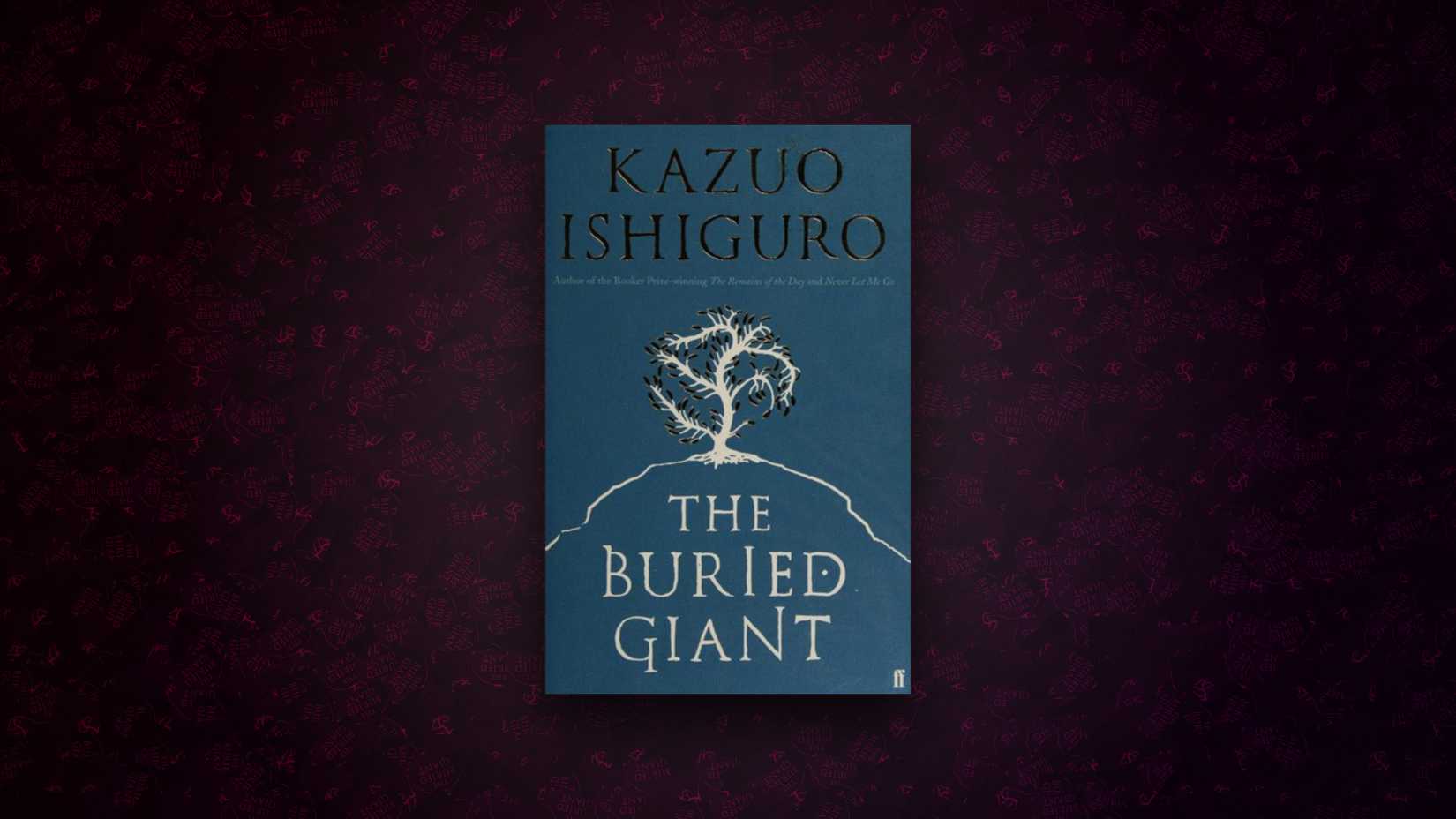
In Kazuo Ishiguro’s The Buried Giant, a mist-like amnesia has settled over post-Arthurian Britain. The novel follows an elderly couple, Axl and Beatrice, as they cross a bleak countryside to find their long-forgotten son. They travel through a land where yesterday’s traumas slip away like air. Their trek forces them to face a painful truth. Lifting the mist will bring back their cherished personal memories, but it will also reawaken historical atrocities and ignite a bloody war.
Ishiguro skips grand spectacle and uses low fantasy to probe the fragile mechanics of collective trauma. The magic is sparse, mournful, and understated, which gives the narrative the lingering weight of an old folk legend. It’s a quiet masterpiece for readers who prefer emotional weight and moral ambiguity over the high-fantasy fireworks of Game of Thrones or Harry Potter.
8. The World That We Knew by Alice Hoffman
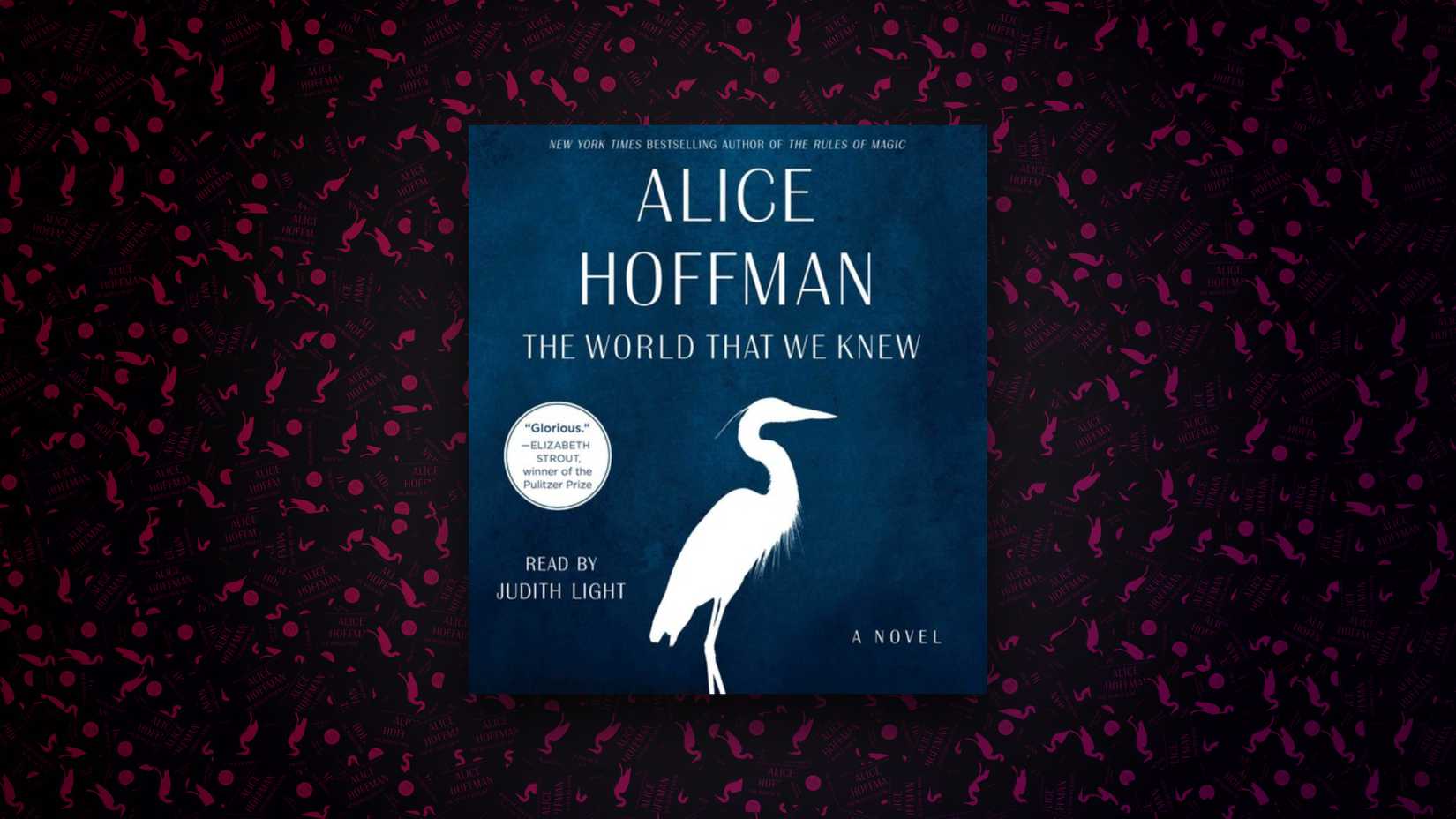
Alice Hoffman’s The World That We Knew is set during the Holocaust. It follows a group of Jewish characters whose lives intersect through a supernatural protector, created to help a young girl escape Nazi Germany. The novel places an extraordinary presence in one of history’s darkest periods. Hoffman draws on Kabbalistic folklore to weave a mystical creature into the grim reality of occupied France.
In 1941 Berlin, a desperate mother asks a rabbi’s daughter to mold a female golem out of clay to guard her 12-year-old daughter, Lea. The creature, later named Ava, becomes a literal shield against the Gestapo. Ava has unyielding strength and a mystical bird that accompanies her, yet Hoffman keeps the story anchored in human vulnerability. She focuses on Lea’s terrifying hideouts in Paris convent schools, her mother Hanni’s agonizing self-sacrifice, and the unexpected emergence of Ava’s own soul. In this fantasy, magic offers no grand escape from history. It serves as a quiet testament to the horrors of survival in one of the darkest moments of modern times.
7. The Wind-Up Bird Chronicle by Haruki Murakami
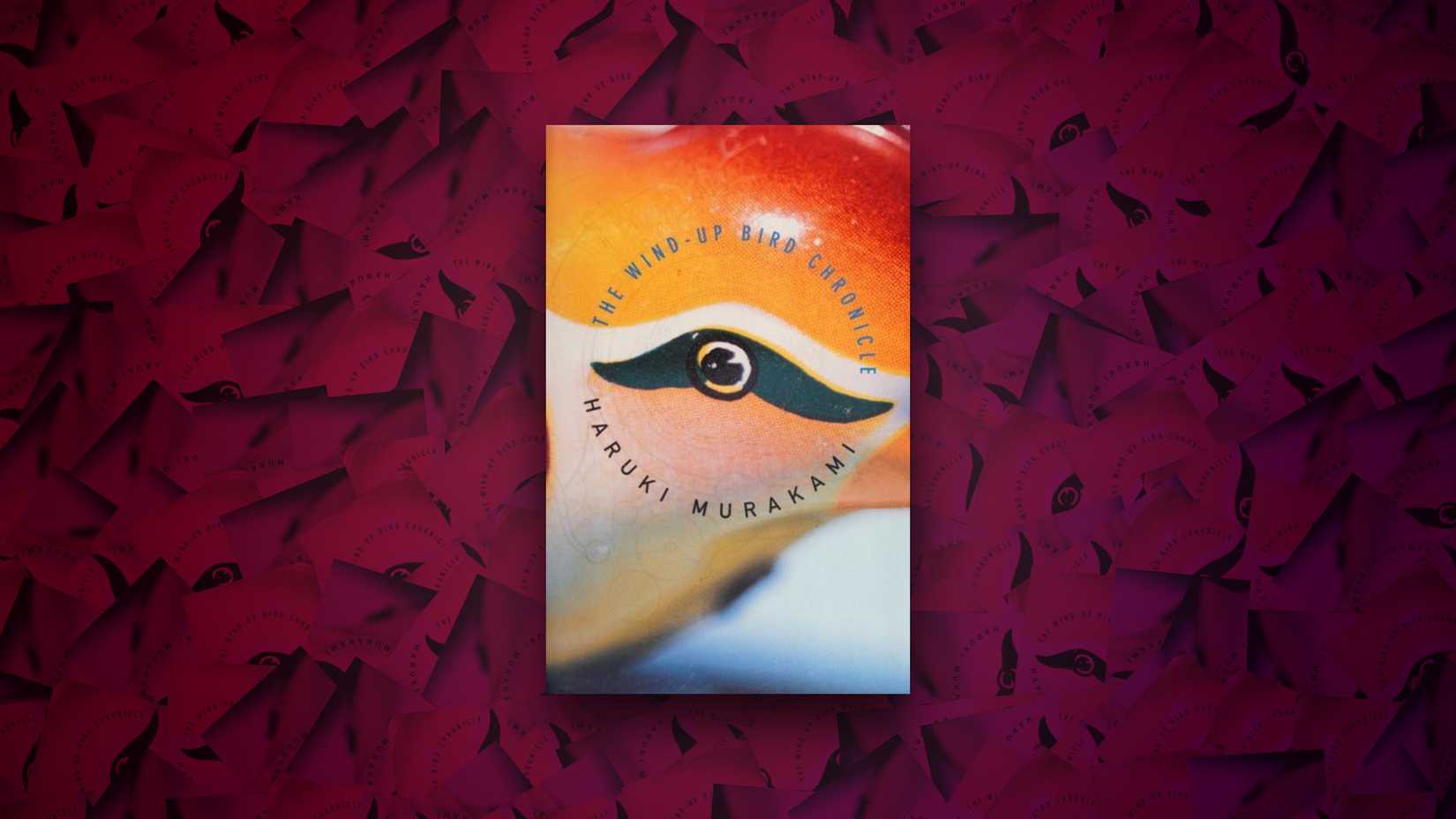
Haruki Murakami’s The Wind-Up Bird Chronicle begins with a relatively ordinary problem. Toru Okada is searching for his missing cat when his wife, Kumiko, abruptly abandons him. To find her, Toru descends into a surreal rabbit hole. He literally sits for hours in a dry backyard well to enter an otherworldly state, and he metaphorically plunges into the hidden underbelly of Tokyo. Along the way he meets bizarre figures like the clairvoyant Kano sisters and receives unsettling phone calls from anonymous women. He also absorbs harrowing World War II flashback accounts of skinning and psychological trauma in Manchuria.
Murakami’s gift lies in how these uncanny, dream-state encounters never feel like a trip to an alternate realm. They seep quietly into suburban alleys, hotel rooms, and kitchens, and the supernatural becomes a psychological dimension of everyday Japanese life. A mysterious woman, a vacant house, and even a strange sound outside Toru’s window can take on almost mythic significance. Like much of Murakami’s work, The Wind-Up Bird Chronicle is an absorbing read for those who like their fantasy ambiguous, sitting just close enough to reality to feel possible.
6. The City & the City by China Miéville

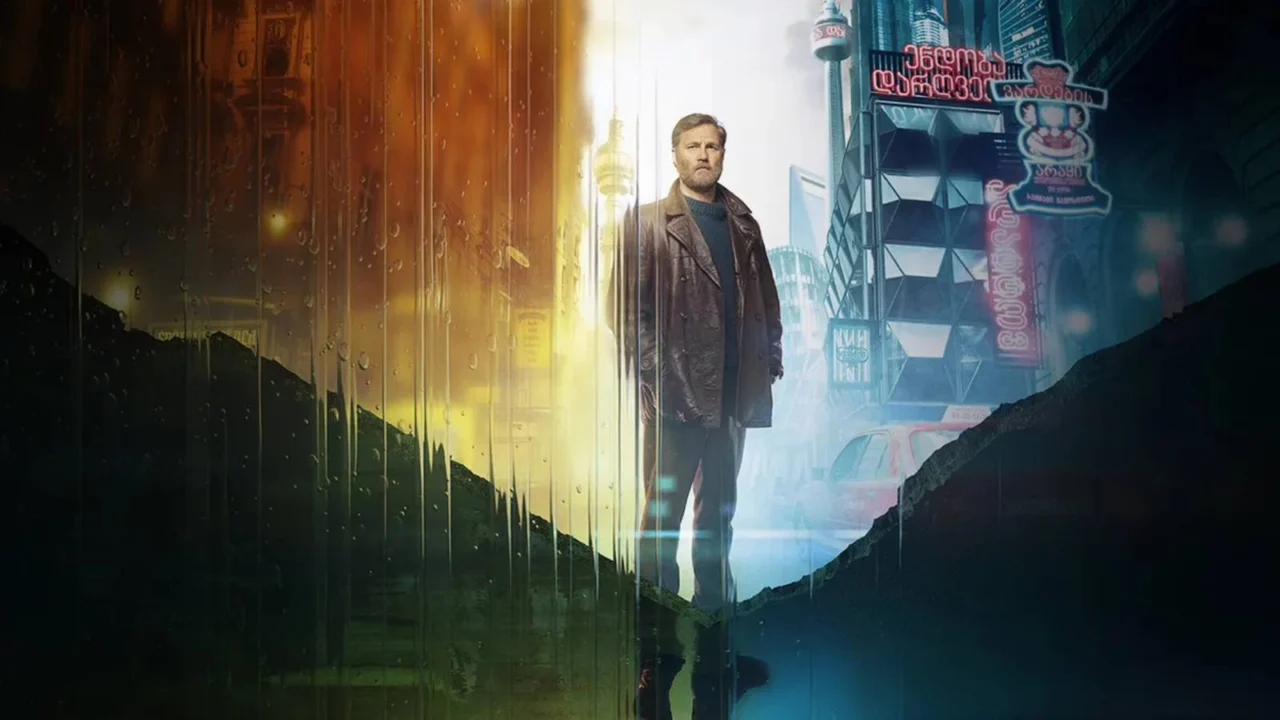
Imagine investigating a murder in a city where acknowledging a neighboring street could be a serious crime. That’s the tense reality facing Inspector Tyador Borlú in China Miéville’s The City & the City. The noir detective novel is set in the overlapping European cities of Besźel and Ul Qoma. The two cities occupy the exact same geographic space. Citizens are trained from childhood to “unsee” their neighbors through strict civic conditioning and the looming threat of Breach, a shadowy authority that steps in whenever someone violates the border.
Miéville’s novel sits at the intersection of noir, speculative fiction, and low fantasy, and it dispenses with magic wands and monsters. The “fantasy” is entirely psychological. It turns the mundane routines of urban bureaucracy into something profoundly surreal.
5. Tuck Everlasting by Natalie Babbitt
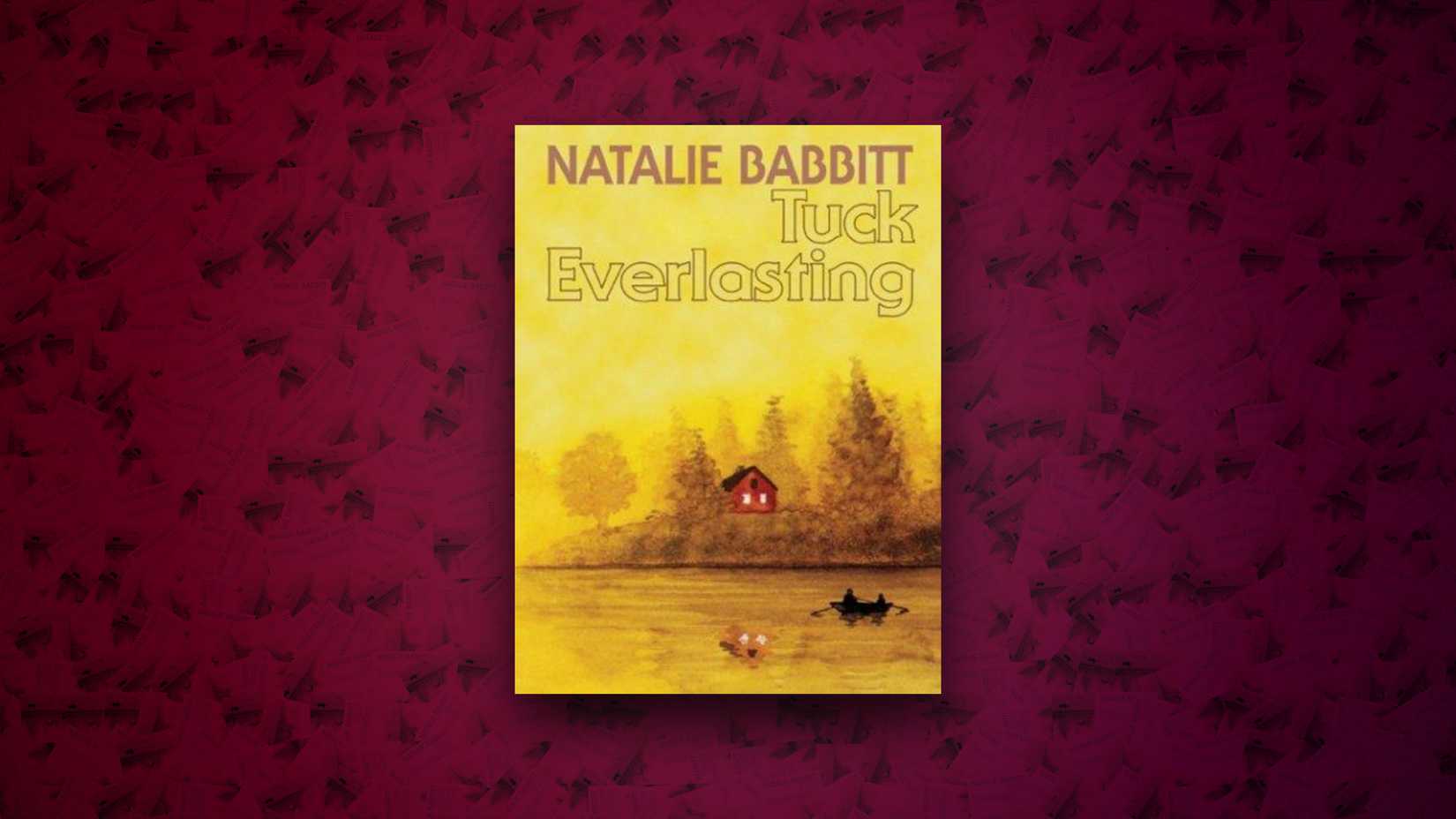
Immortality sounds like a romantic gift until you face the stagnation of living while the rest of the world moves on. In Natalie Babbitt’s Tuck Everlasting, 10-year-old Winnie Foster stumbles upon a secluded woodland spring. There she discovers the Tuck family, who stopped aging after accidentally drinking its waters decades earlier. Their peaceful life is upended when the sinister “Man in the Yellow Suit” starts hunting them, driven by a search for fortune rooted in the immortal waters.
Babbitt grounds her fantasy in a sun-dappled, late-19th-century New England countryside. She treats the miraculous spring as a tragic anomaly instead of a heroic reward. By dropping a single impossible secret into an otherwise ordinary rural community, she forces her characters to reframe their understanding of existence. Beneath its deceptively simple premise, Tuck Everlasting is a moving meditation on mortality. Life’s impermanence is precisely what makes it precious.
4. The Master and Margarita by Mikhail Bulgakov
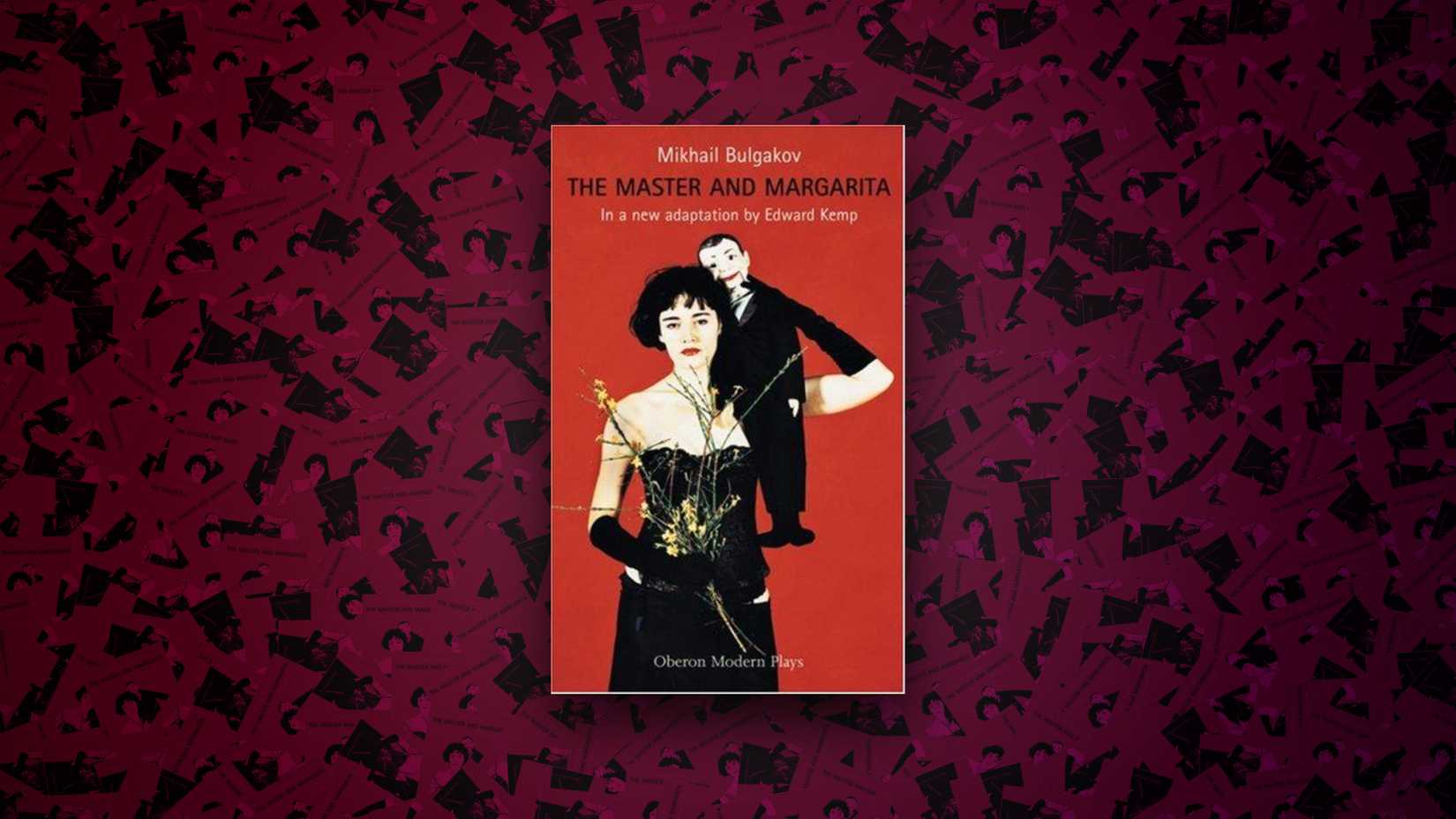
The Devil rolls into 1930s Soviet Moscow with a gun-toting cat named Behemoth and a chaotic band of other demons. The city’s corrupt bureaucrats and smug theater managers promptly lose their minds. That’s the premise of Mikhail Bulgakov’s The Master and Margarita. The masterpiece braids together Satan’s satirical rampage through bureaucratic Moscow with the tragic story of “the Master,” an imprisoned writer left nameless. His devoted lover, Margarita, makes a pact with dark forces to rescue him. Bulgakov grounds his supernatural chaos in the claustrophobia of Stalinist Russia and uses low-fantasy absurdism to expose the madness of everyday totalitarian life.
Few novels make the extraordinary feel so well suited to the ordinary. Bulgakov’s Moscow is recognizable in its petty rivalries, institutional cowardice, and social pretensions, even as reality unravels around its inhabitants. The novel is also a landmark of magical realism and political satire. It’s an essential read for anyone interested in fantasy as a way of seeing ordinary life in a new and unsettling light. It’s like the fantasy version of Anna Karenina.
3. Neverwhere by Neil Gaiman
Modern London is built on centuries of buried history. In Neil Gaiman’s Neverwhere, those forgotten layers conceal an entire subterranean civilization. Richard Mayhew, an ordinary corporate office worker, stops on a sidewalk to help a bleeding young woman named Door. His life in “London Above” is instantly erased, and he is pulled down into London Below, a dark underworld mapped onto the city’s abandoned Tube stations. To survive and help Door discover who slaughtered her family, Richard must cross a perilous landscape. It’s populated by the Earl of Earl’s Court, the monstrous assassin duo Croup and Vandemar, and the treacherous angel Islington at the Floating Market.
Gaiman’s urban fantasy works so seamlessly because he tethers every mythical element to the real city’s ironwork, architecture, and trivia. Everyday commuter geography becomes a set of portals to the impossible. Readers who enjoy this blend of urban mythology and the uncanny should also read Gaiman’s other low-fantasy masterpieces, like American Gods and The Ocean at the End of the Lane.
2. The Golem and the Jinni by Helene Wecker
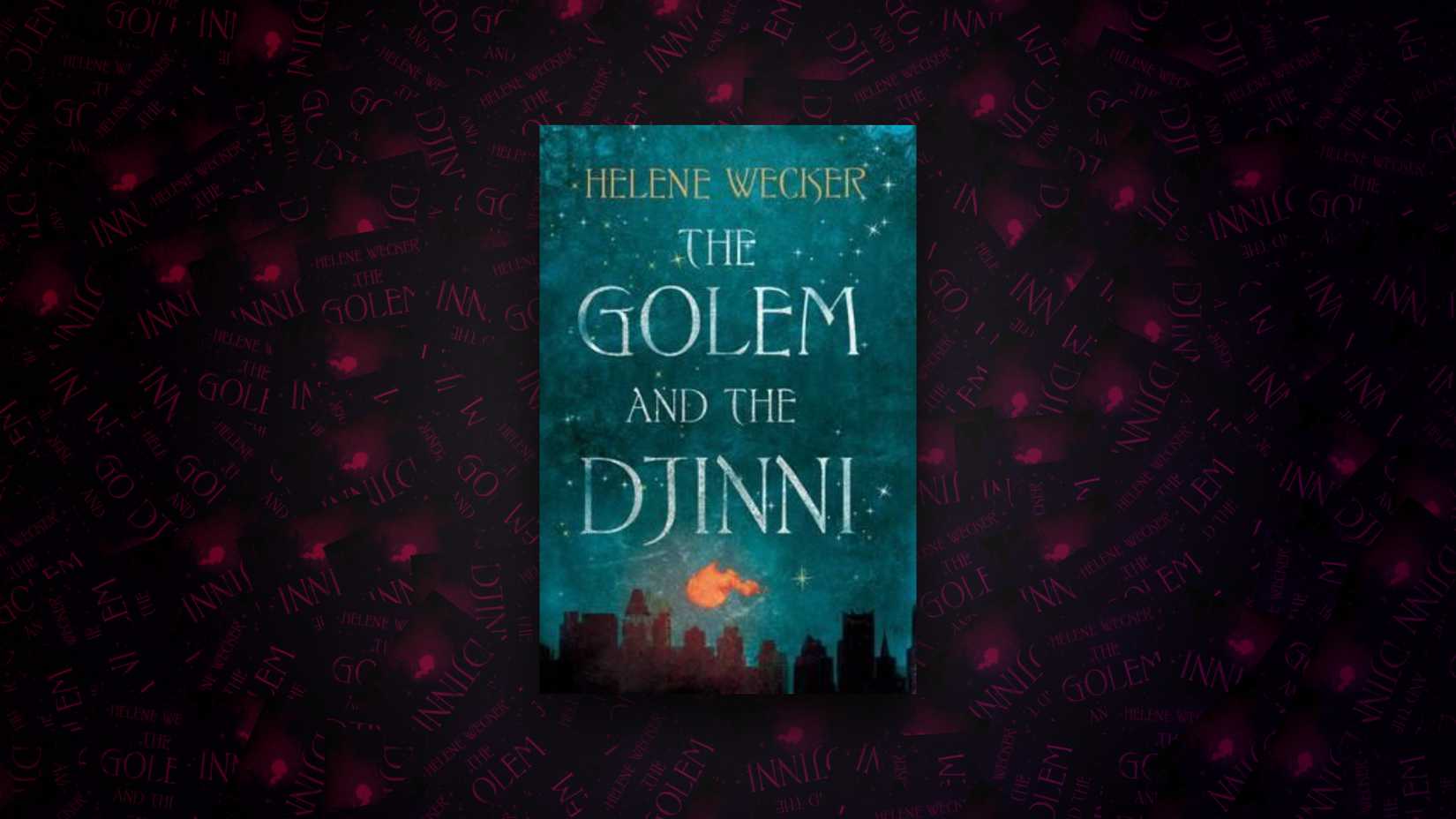
A creature fashioned from clay and a spirit born of smokeless fire might sound like archetypes from an ancient epic. In Helene Wecker’s The Golem and the Jinni, they are immigrants trying to survive the Lower East Side of 1899 New York City. Chava is a golem who must learn to restrain her relentless instinct to serve others. Ahmad is an ancient jinni, freed from a copper flask by a Syrian tinsmith, who struggles to reclaim his freedom in a human body that weighs him down.
Wecker treats these supernatural beings with the unglamorous realism of turn-of-the-century immigrant life. They worry about rent, learn English, work in bakeries and metal shops, and hide in tenement apartments. The result is an affecting historical fantasy about identity in a big city and the difficulty of living among people who don’t quite understand you. It’s a sublime low-fantasy exploration of belonging.
1. Jonathan Strange & Mr Norrell by Susanna Clarke
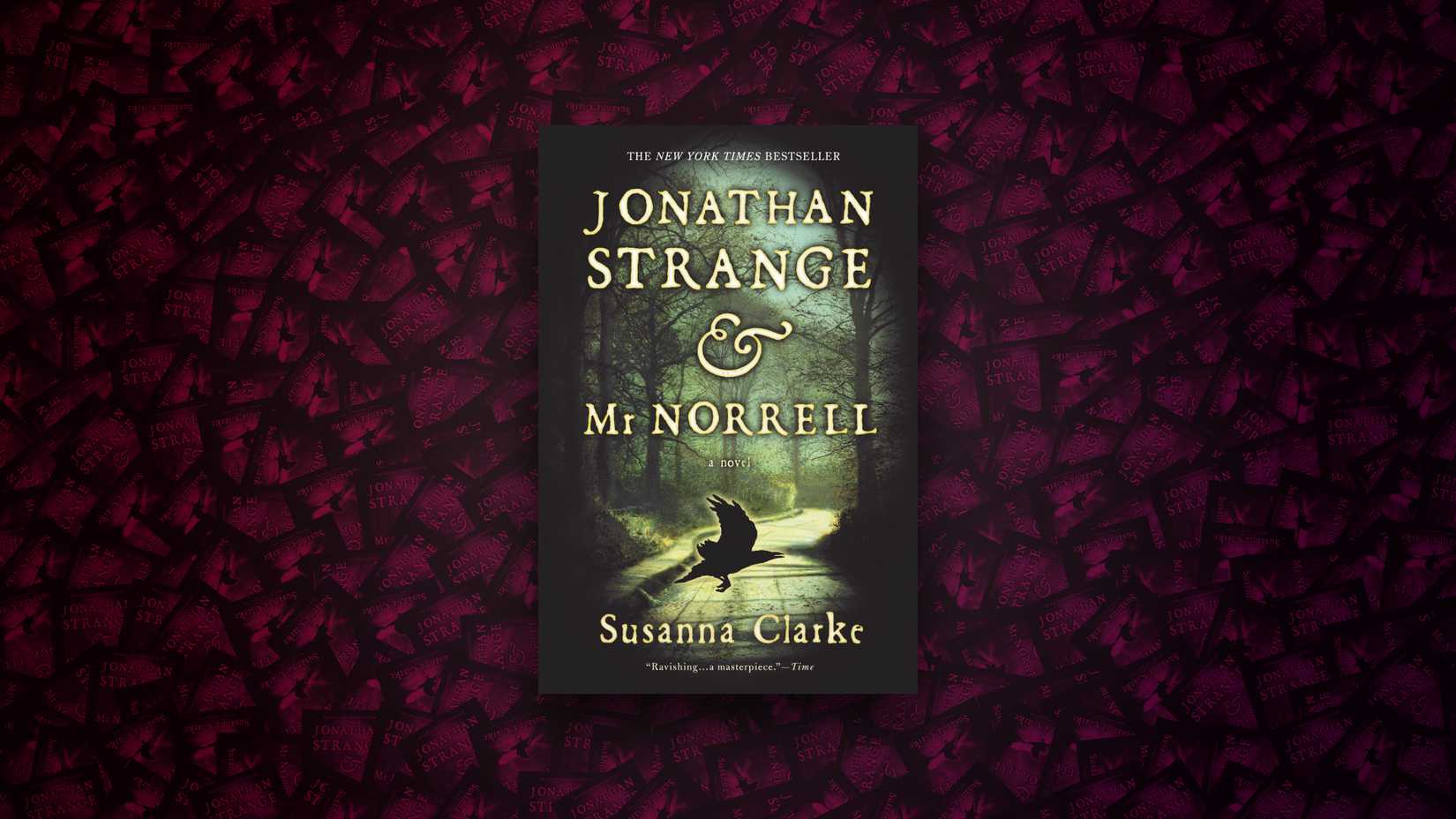
What if magic were a highly regulated branch of British academia instead of a lost art? That’s the central premise of Susanna Clarke’s monumental Jonathan Strange & Mr Norrell, which imagines the return of practical magic to 19th-century Regency England. The reclusive Mr. Norrell wants to monopolize magic and keep it respectable for gentlemen. His ambitious young student, Jonathan Strange, is drawn to the wild lore of the legendary Raven King.
Clarke grounds the supernatural elements of Jonathan Strange & Mr Norrell in meticulous historical detail. She weaves magical events directly into the political maneuvering of the Napoleonic Wars, where Strange uses English rain and sand to confound French troops. She also ties them to the rigid social conventions of polite society. Magic operates here like a forgotten archival record suddenly revived, and it carries the full weight and consequence of British history.
Source: Polygon
Related articles
 Gears of War: E-Day Reportedly Planned as Start of a New Trilogy, Rumors Say
 Shenmue III Enhanced Edition Delayed to Improve Graphics and Add New Features
 Ridley Scott Finds Screenwriter for New Film That May Continue the Prometheus and Alien: Covenant Story
 Zendaya to Be Promoted for Best Lead Actress Oscar for Third Dune Film
 Crimson Desert Charting the Unknown Expansion Will Add Sea Monsters and Ship Boarding, Details Revealed
 Ticket Presales Suggest Dune: Part Three Will Lose Heavily to Avengers: Doomsday at the Box Office
 DC Horror Film Clayface Earns Unusually High CinemaScore
 Danganronpa 2×2 Visual Novel Lowers System Requirements After Criticism Over 32GB RAM Listing