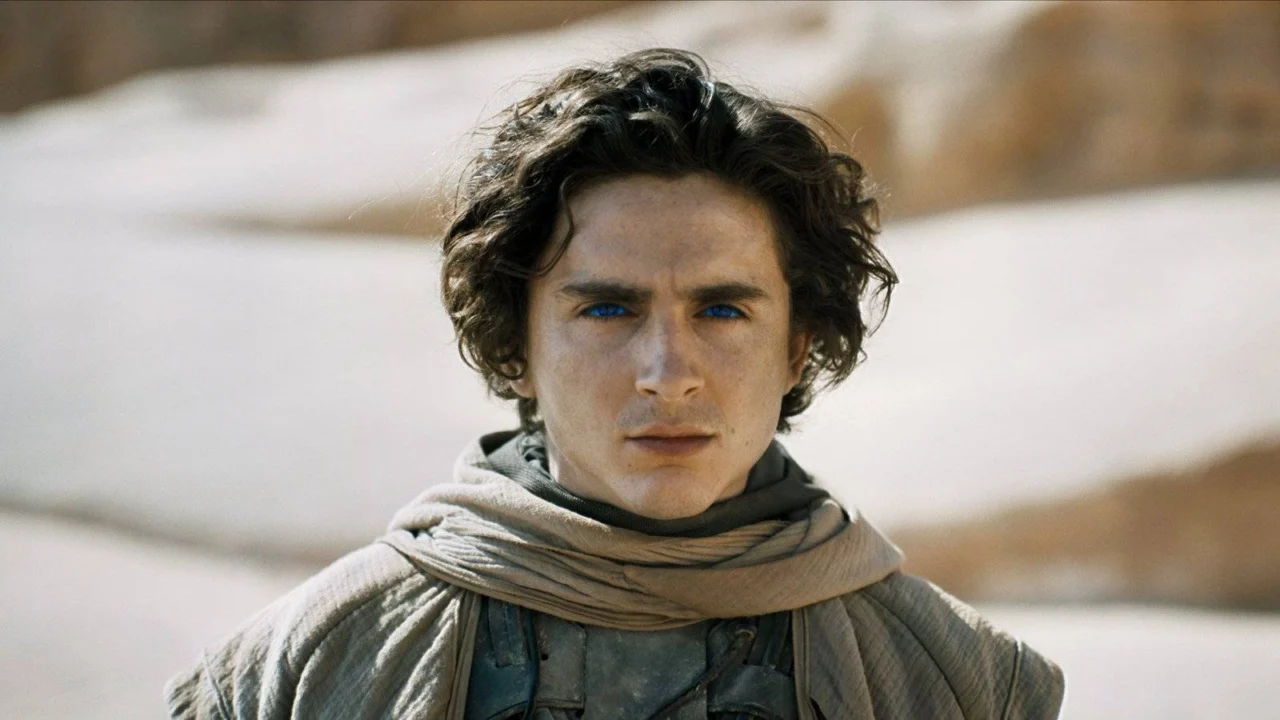
Paul Atreides’ Best Dune Line Remains Sci-Fi’s Coldest Quote 61 Years On
Frank Herbert’s Dune novels were once considered unfilmable. The reason is easy to see. Herbert’s world is packed with ecological detail and complex characters. The story is a cautionary tale about unchecked power, set inside a vast universe with several dense subplots. David Lynch tried to make sense of the saga in his flawed 1984 adaptation. Alejandro Jodorowsky never managed to bring his eccentric vision for Dune to life.
Denis Villeneuve’s Dune movies have been a phenomenal success, which suggests the impossible can be done. Villeneuve’s adaptation has captured the sheer scale of the books and made some meaningful changes to the source material. His Paul Atreides (Timothée Chalamet) starts his journey with a hesitant vulnerability that feels more intense than in the books. That vulnerability makes Paul’s turn as a self-proclaimed messiah in Dune: Part Two feel more ominous and devastating.
Herbert’s novels contain many memorable quotes, but most of them are attributed to Paul through “Collected Sayings of Muad’Dib,” compiled by Princess Irulan Corrino. The book is an in-universe historical record that shapes Paul into a messianic legend. It mixes actual statements with aphorisms and out-of-context remarks. It also works as a political tool, since Irulan uses objective truth to present a controlled narrative. Even so, it contains one of the best quotes in sci-fi history:
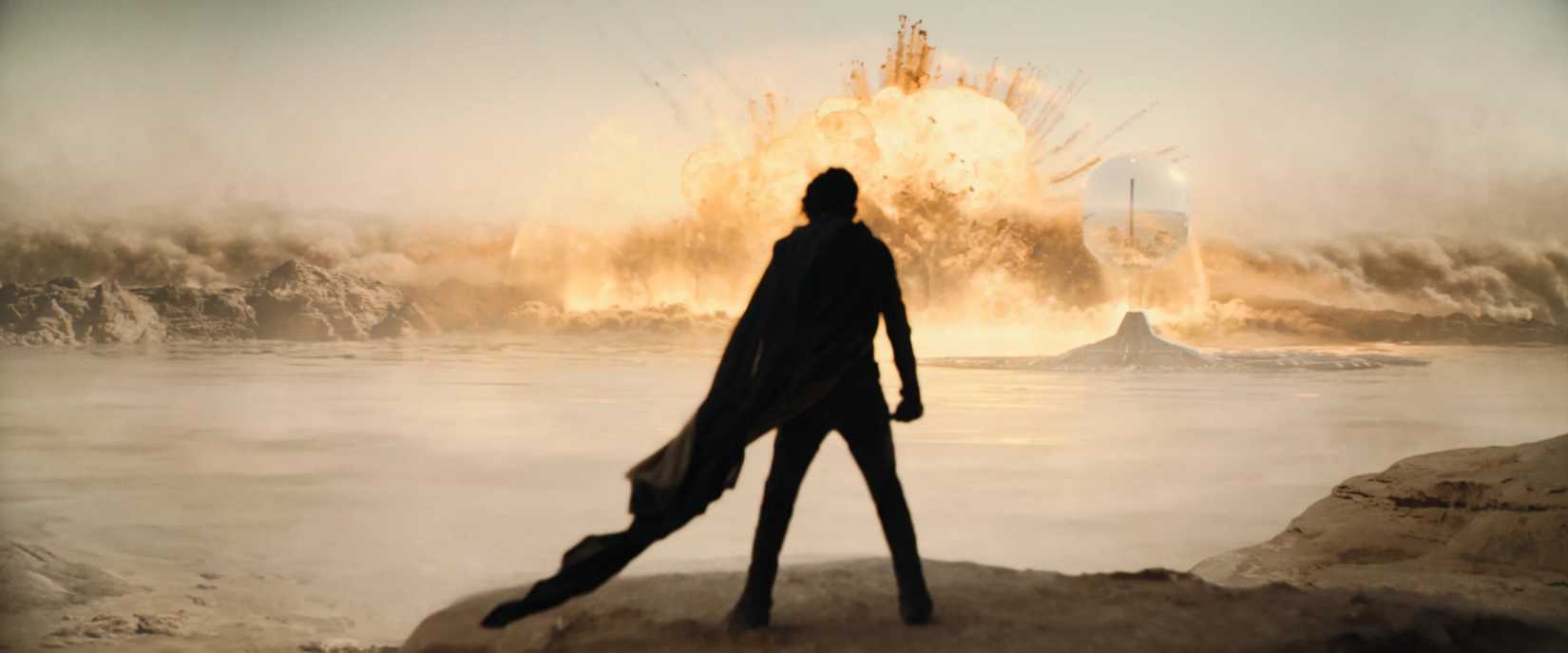
“There is no escape — we pay for the violence of our ancestors.”
Dune is an allegory for ecological devastation and an epic space opera about the rise and fall of dynasties. Above all, it is about the dangers of charismatic leaders. Some of Paul’s attributed quotes as Muad’Dib are strikingly self-revealing. In one, he says, “How often it is that the angry man rages denial of what his inner self is telling him.”
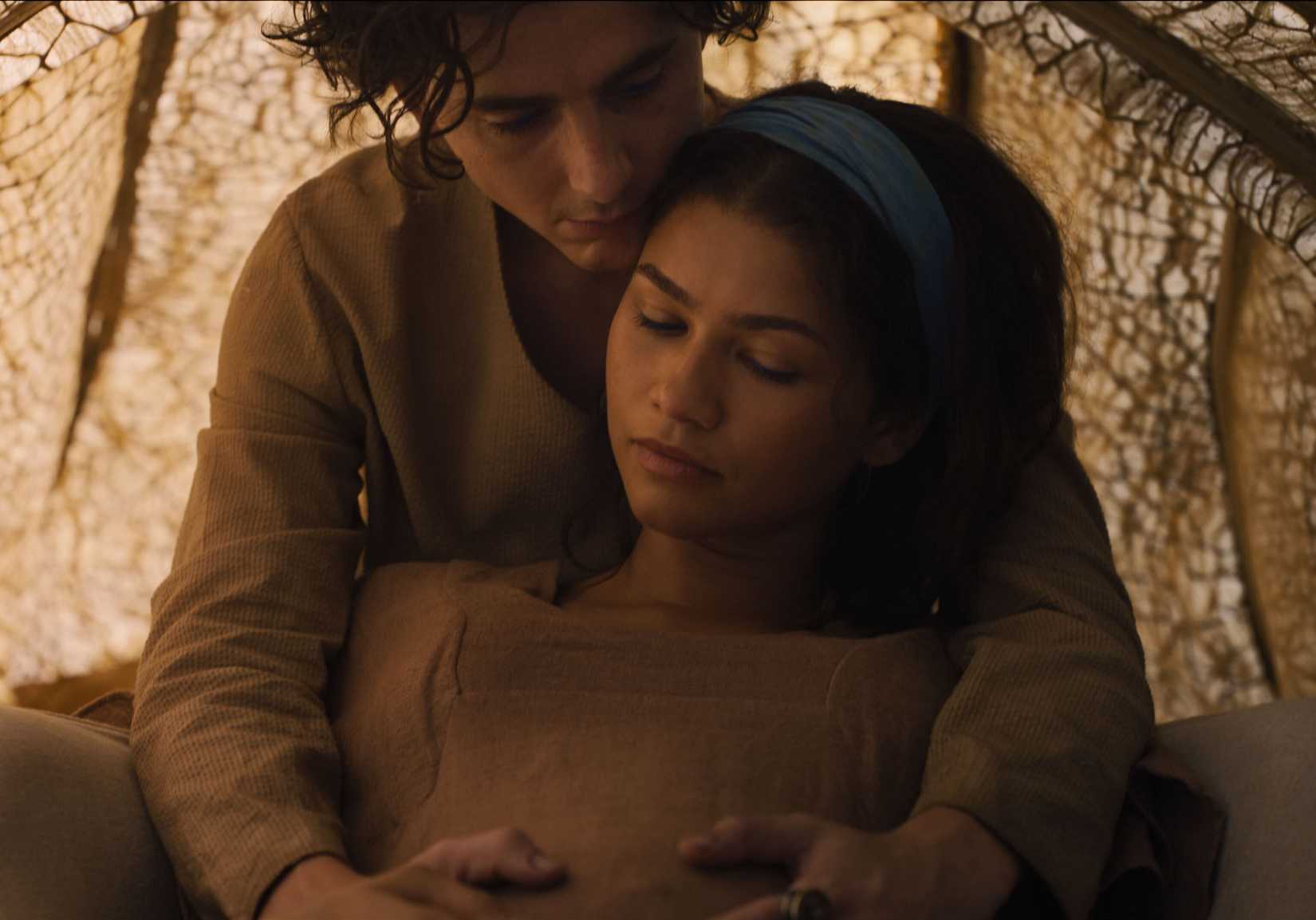
Paul’s line about each generation paying for its ancestors’ sins reads less like a prophecy and more like a plain truth. Dune is also about cycles of hatred and retribution. Time never erases past conflicts and atrocities. They quietly snowball into the present and force new generations to inherit the same feelings.
The tragic irony of Paul’s best quote in Dune

Feudal politics sits at the heart of Dune. Paul’s rise as a messiah is complicated by his position as the face of House Atreides, a family long known for honor and competent leadership. His father, Duke Leto I, had flaws and critics. History still judges him a morally just ruler.
Paul transforms that legacy in effective and violent ways. He inherits his father’s loyalty to ideals and secures his bloodline’s future by taking the Imperial throne. He is a powerful ruler politically. Yet his status as Muad’Dib unleashes a bloody holy war, and the war is waged with the Atreides name still attached.
The most heartbreaking implication of the quote is that nobody can escape such a cycle. Paul’s fate is tragic, but his children, Leto II and Ghanima, pay the heaviest price. Dune explores the horrific consequences of Paul’s actions, and in some cases his inaction. It also examines what the Golden Path truly entails. The Golden Path is an optimum outcome for humanity, foreseen by Paul and the Bene Gesserit. Leto II and Ghanima weren’t shaped by the same circumstances as Paul and his younger sister Alia. They are still burdened by their father’s sins.
Like all great sci-fi, Dune holds up a mirror to the world we live in. Our deserts have no gigantic sandworms, but our present reality is shaped by the weight of historical atrocities and injustices. Unlike Dune, our paths aren’t pre-written, and we’re free to choose a gentler world. Paul Atreides didn’t have that option. Neither did the characters in his doomed, charismatic orbit.
Source: Polygon
Related articles
 Blumhouse Interested in Danganronpa Adaptation, Documents Indicate
 Made in Abyss Sequel Announced on Premiere Day of New Film
 Final Fantasy Resonance’s Denuvo Protection Cracked Within a Day
 Tim Sweeney Again Criticizes Valve Over Steam Rules Requiring Disclosure of AI Use
 Psychological Thriller Movies You Can Stream for Free Online
 Heroes Is Now Free to Stream 20 Years After Its Premiere
 Half-Life 2 RTX Update Adds Improved Frame Generation and ARM Support
 Spike’s “Buffy” Quote Still Ranks Among TV’s Best Lines 23 Years Later