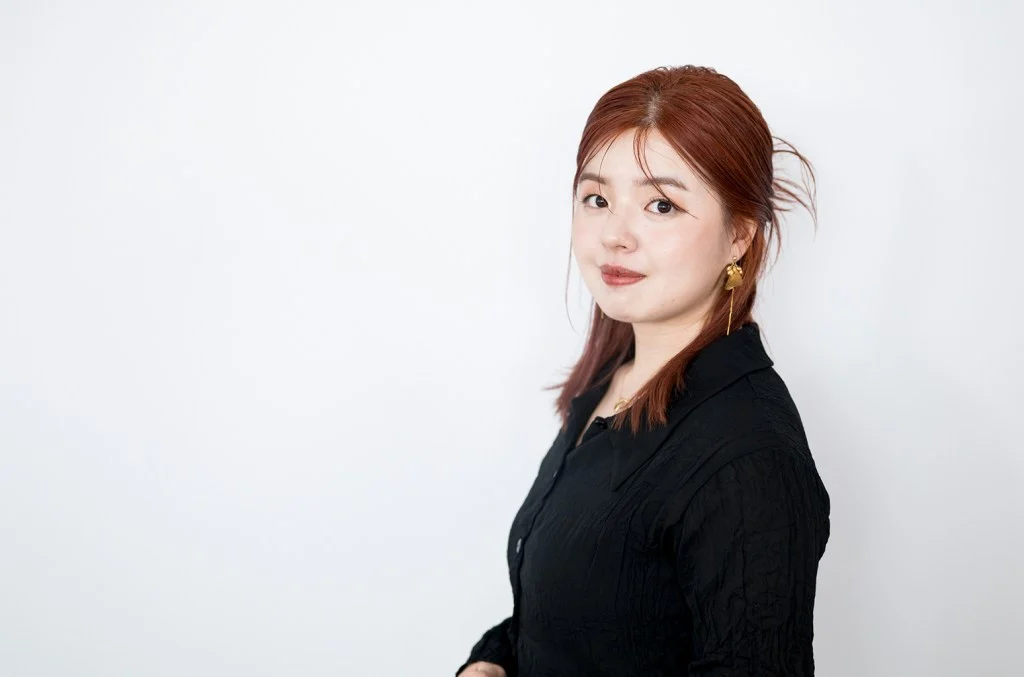
Nagie Lane’s mikako on Embracing Diversity and Lessons from Vienna: Billboard Japan Women In Music Interview

As part of its ongoing initiative to spotlight influential female creators and industry pioneers, Billboard Japan recently sat down with mikako—the multilingual vocalist of harmonic outfit Nagie Lane. Having recently served as the master of ceremonies for June’s “Women In Music – EQUAL STAGE” showcase in Tokyo, mikako offered her candid reflections on gender equity, creative identity, and the art of navigating creative dynamics within a mixed-gender collective.
Launched in 2022 to mirror the global Billboard Women in Music franchise, Japan’s regional program honors trailblazers across music and entertainment. Presented in collaboration with Spotify at SGC Hall Ariake on June 9, the EQUAL STAGE concert showcased an all-female lineup of visionary performers. Beyond reviewing the evening’s highlights, mikako opened up about how her multicultural upbringing in Vienna shaped her perspective on collaboration, equity, and individuality.
Reflections from the Stage
You hosted the Women In Music – EQUAL STAGE concert in June. What were your key takeaways from presiding over the event?
It was deeply meaningful on multiple levels. Above all, it provided a rare space to reflect on experiences throughout my life that were shaped by being a woman—moments of discomfort or subtle biases that I had compartmentalized. By nature, whenever I encounter friction, my default response is to brush it aside and keep moving forward. However, being surrounded by an initiative dedicated to gender equity made me recognize that these lingering feelings aren’t isolated; countless other women share the same silent burdens.
Realizing that shared solidarity was profoundly comforting. Bringing globally acclaimed female artists together on one stage makes a bold, necessary statement. Serving as the host was an absolute privilege, and I hope this platform continues to flourish.
When you mention subtle friction or things that “stuck with you,” could you elaborate on those experiences?
There remains a persistent cultural cliché that women are inherently volatile or overly emotional. It’s a trope frequently depicted in media, but it bleeds into reality. During critical business deliberations, for instance, whenever passion caused my voice to waver, a fear would creep in: Will they dismiss my reasoned perspective as merely an emotional outburst?
To guard against that perception, I often felt compelled to project an overly stoic exterior. Hearing that generalization over the years inevitably created an unconscious pressure to avoid anything that might reinforce the stereotype.
Artistic Authenticity and Unapologetic Voices
EQUAL STAGE showcased high-energy performances from ATARASHII GAKKO!, Hitsujibungaku, LANA, and Awich. What stood out to you from their sets?
Every single act brought unmatched vigor and uncompromising intent. ATARASHII GAKKO! framed their philosophy around hamidashi—pushing boundaries with intention rather than creating chaos for its own sake. They embodied how an artist can remain thoroughly authentic while operating within established systems.
Hitsujibungaku delivered an intensely raw performance paired with disarming honesty, acknowledging that they are still navigating life’s uncertainties in real time. LANA radiated effortless authenticity without posturing, while Awich channeled immense fortitude and grace rooted in her personal history. Witnessing four distinctly different artistic expressions in a single evening reaffirmed that genuine impact comes from owning one’s individuality.
“Even if one perspective is blue and the other is red, as long as you engage in honest dialogue, you can always create purple together.”
— mikako
Forging Identity in a Mixed-Gender Group
Nagie Lane is a co-ed ensemble. How does gender awareness influence your day-to-day dynamic within the group?
We initially started as a six-piece a cappella group split evenly between men and women before transitioning into our current trio format. Early on, I questioned whether I needed to project a more conventional aesthetic of femininity—leaning into the typical kawaii sensibilities popular in Japanese pop culture.
However, having spent my childhood in Vienna, that particular aesthetic wasn’t intuitive to me. I quickly abandoned the facade because it felt detached from who I am. I naturally express myself through dynamic movement and choreography, which is why tailored pants have become my signature stage attire. Authenticity will always resonate more than an adopted persona.
Sustaining any creative partnership over several years is challenging. What principles have grounded your longevity with the group?
Maintaining a cohesive unit is inherently complex because every member brings distinct backgrounds, values, and methods for achieving goals. For us, the bedrock has always been unvarnished honesty and active listening.
Attending an international school in Austria meant my classmates represented dozens of cultural, religious, and geographic backgrounds. Differences in customs or dietary restrictions were simply everyday realities to be understood, not obstacles. That upbringing taught me to view divergence in thought as an asset.
In our group, having disparate viewpoints creates creative friction in the best way possible. If we review a music video cut, each of us catches a completely different detail that needs refinement. Recognizing and respecting those variances elevates our output far beyond what uniformity could achieve.
Empathy Beyond Categorization
Discussions around equity can sometimes lead people to overcomplicate basic interactions. How do you view the essence of mutual respect?
True equity isn’t about enforcing arbitrary uniformity; it’s about fostering an environment where individuals receive the baseline respect and understanding they have always deserved. There is no need to treat gender as an awkward barrier. In professional settings, my priority is simply to be seen as a collaborator first, rather than evaluated through the lens of gender.
Achieving that requires proactive empathy and continuous education. Every human experiences distinct physiological and psychological transitions throughout their lives. When we take the time to understand those realities—including broader perspectives around identity and the LGBTQ+ community—we move away from broad stereotypes and toward genuine interpersonal consideration.
Related articles
 ‘The Show Must Go On’: Dollywood Remains Open Following Dolly Parton’s Death
 Miley Cyrus Pays Emotional Tribute to Godmother Dolly Parton: ‘I Have an Angel by My Side’
 ‘Rocky Horror Picture Show’ Legend Tim Curry Dies at 80
 Library of Congress Honors Dolly Parton as ‘Titan of Children’s Literacy’ for Imagination Library Program
 Jay-Z ’30’ Pop-Up Experience Coming to London Ahead of Historic Tottenham Hotspur Stadium Shows
 Sabrina Carpenter Honors Dolly Parton: ‘How Lucky Are We All to Have Experienced Your Singular Magic’
 Beyoncé Honors Dolly Parton for Her ‘Profound Impact on the World’
 Lil Nas X Says Fans Are Being ‘Overly Nice’ to Him Since Leaving Rehab