
Major One Piece Change Marks End of Anime’s Golden Age

On October 28, 2025, a long-standing broadcast tradition in anime quietly came to a close. For decades Japanese viewers could rely on a steady weekly stream of episodes from their favorite shows — a rhythm that shaped a generation of fans. In the West that routine varied before streaming, but the so-called “big three” — including One Piece, Bleach and Naruto — were defined in part by regular, weekly installments.
Beginning in 2026, after a three-month production break, Toei Animation will transition One Piece to a seasonal schedule: the studio plans to produce just 26 episodes per year, split across two cours. Each episode will adapt at least one chapter of Eiichiro Oda’s manga, a deliberate move away from the extended padding and anime-only arcs that once helped keep a weekly broadcast afloat. Read more about the change here, and see why this approach aims to eliminate filler. What counts as filler has become a sore point for many viewers.
One Piece was effectively the last major holdout against the seasonal model. The manga has now surpassed chapter 1163 and continues to advance, but Oda’s pace is deliberate. In 2024 the manga released 32 chapters while the anime aired 34 episodes; in 2023 the anime ran 52 episodes. That kind of cadence depended on stretching source material — a practice the production teams and fans are increasingly unwilling to accept.

Audiences today prioritize consistently high animation and tightly focused storytelling. Long recap episodes, contrived anime-original arcs, and stretched scenes — like the much-maligned Ocean Dream sequence that stalled the crew’s progress for several episodes — feel outdated and frustrate viewers who expect each installment to matter. Sustaining top-tier animation for a weekly schedule is an enormous strain on talent and budgets.
Toei’s lengthy hiatus from January to April 2025 signaled this shift; the break gave the team breathing room to raise visual standards and refine pacing. That strategy mirrors what many recent hits have done: seasonal runs — often one or two cours per year — allow studios to concentrate resources and adapt a larger batch of manga chapters at once. Shows such as Jujutsu Kaisen, My Hero Academia and Demon Slayer have all benefited from that model.
There’s a bittersweet side to this transition. Many fans who grew up with weekly anime — from Naruto to One Piece and Bleach — feel a pang of nostalgia for the cadence of new episodes arriving almost every week. At the same time, fewer but better-paced episodes promise a steadier creative environment and fewer needless detours; some fans I know would gladly trade quantity for quality.
For a quick primer on filler and how some series play with it, see this clip explaining the concept via Gintama:
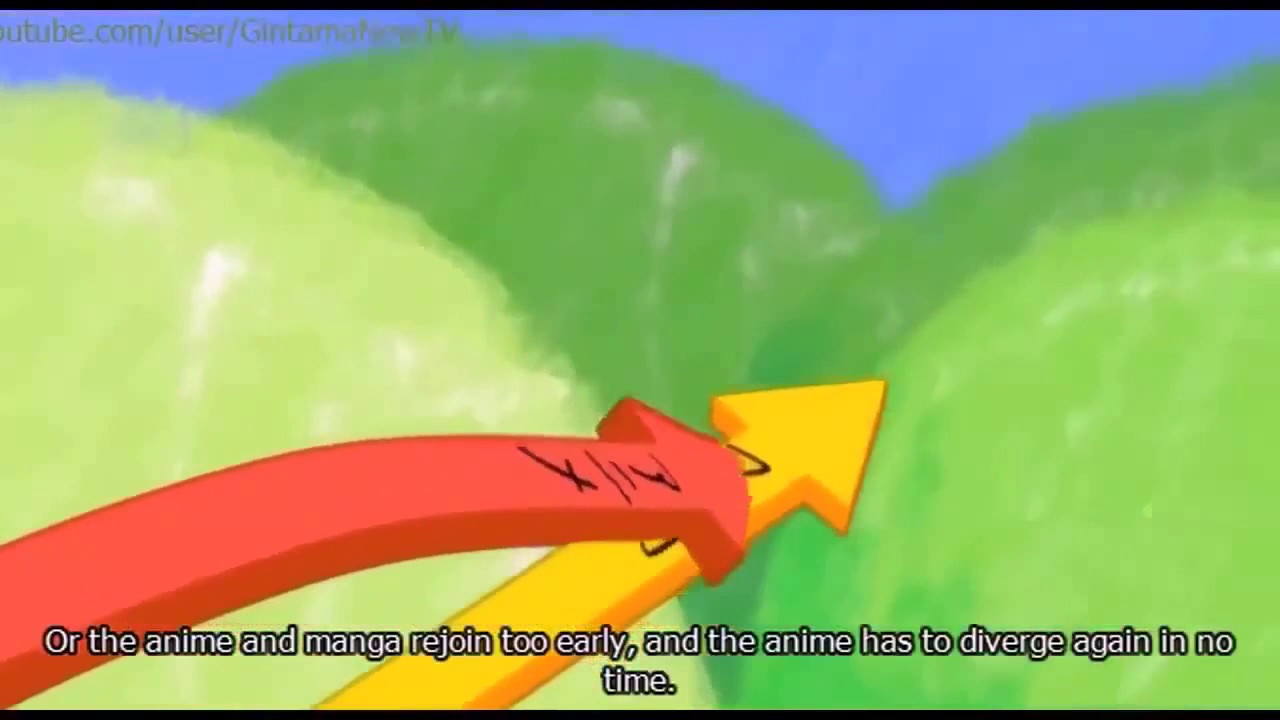
Recent controversies over animation quality — notably the backlash around One-Punch Man season 3 — underscore how unforgiving audiences can be when a show’s visual standard slips. By contrast, Studio Pierrot’s return with Bleach: Thousand-Year Blood War, which began airing in 2022 on a seasonal schedule, has been celebrated for improved consistency and faithful adaptation of the manga’s final arc.
Another relic of the weekly era was Boruto, which aired continuously from April 2017 until March 2023. That project struggled to stay aligned with its source material after the manga moved from weekly to monthly publication in 2019; as a result, a large share of the anime’s episodes were anime-original content. Community discussions estimate that a substantial portion of the series was filler.
Will viewers accept fewer One Piece episodes if each one is markedly better? Probably — the franchise now offers a wealth of material beyond the weekly anime: the ongoing manga, a live-action adaptation, theatrical films, and an announced anime remake all keep fans engaged. With directors and animators given more time, the creative payoff could be substantial.

There are also practical questions about broadcasting and revenue. If One Piece airs only half the weeks in a year, how will networks value those rights? Some broadcasters are already reshuffling schedules to capture anime audiences; for example, a major network recently converted a drama timeslot into animation programming in an effort to consolidate viewership and advertising revenue. Local reporting covers this shift.
Anime is now a global, fast-growing industry with enormous commercial momentum. Given streaming, blockbuster films, and expanding international demand, the move away from a relentless weekly schedule feels inevitable. While I’ll miss the old rhythm, I also welcome the opportunity for One Piece and other long-running series to evolve — to spend less time filling weeks and more time crafting episodes that truly resonate.
Source: Polygon
Related articles
 Ryan Reynolds’ “Mayday” receives positive reviews from critics
 Michael Keaton to Direct Western Starring Morgan Freeman
 “Daddy’s Daughters” wedding sequel to be released in 2027
 Halle Berry and Colin Firth to Star in New Rom-Com
 Netflix Begins Filming New Dan Brown Adaptation
 Spider-Noir series canceled after first season
 Actors cast as Dobby and Tom Riddle for Harry Potter season two
 International “Doker” Film Festival Kicks Off in Moscow