Legend of Vox Machina Season 4 Changes From Critical Role Campaign 1
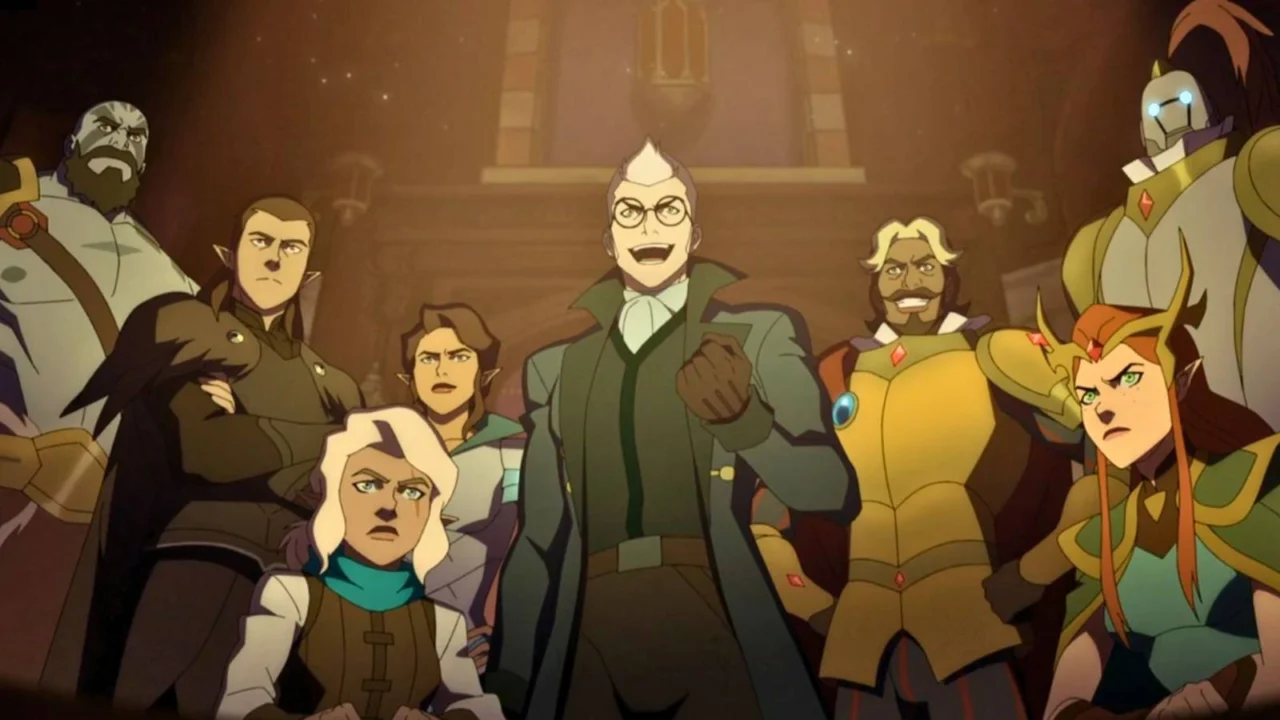
Critical Role has never been afraid to change the events of their popular live-play Dungeons & Dragons show while adapting it for television. That was already obvious after the first three seasons of their animated series, The Legend of Vox Machina, and it has only become truer with season 4, which aired on Prime Video earlier this year. Fans can rest easy knowing that season 5 is already confirmed.
Transforming a tabletop live play into an animated production is a complicated process. The freedom of D&D means almost anything can happen, narrative cohesion be damned. However, this level of anarchy is not ideal for storytelling, so events, characters, and even lore need to be shaken up to keep the story coherent.
Speaking to Polygon in 2025 during NYCC, Laura Bailey, co-executive producer of Vox Machina and co-founder of Critical Role, admitted it was impossible to incorporate everything from their campaigns into a series.
You can make the scenes have more meaning because of the timing of them. We still get those moments that we love. They might just happen in a different way.
Season 4 brought several major deviations from the original campaign. Now that the season has concluded, here are the five most important ways the Prime Video series departed from the original Critical Role campaign.
Vox Machina’s split-up
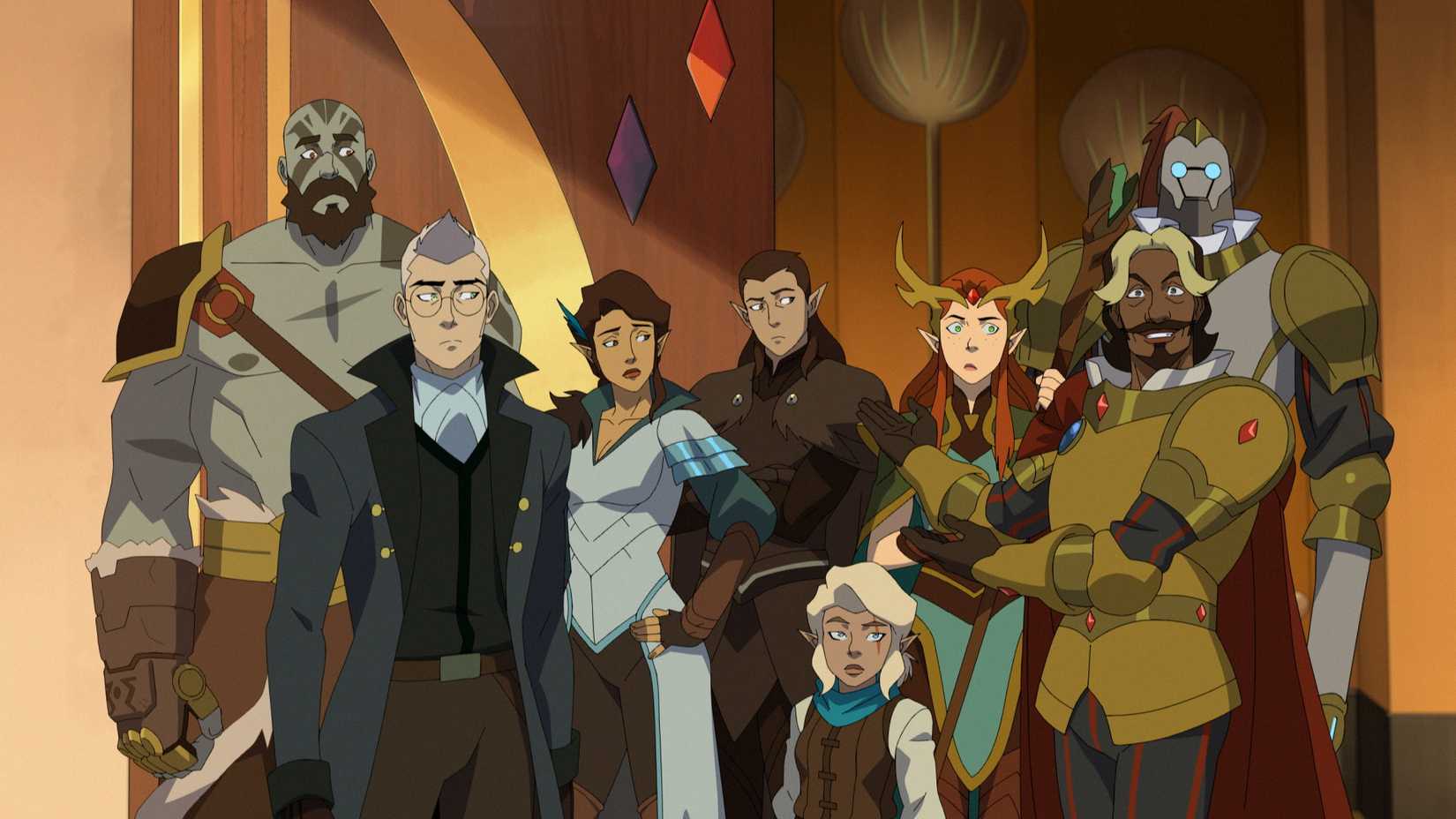
Shortly after defeating the Chroma Conclave, Vox Machina parted ways to embark on their own personal quests. They do the same in Campaign 1: Vox Machina, but there are a few key differences. Vox Machina did not drift apart as drastically in the original game as they do in the animated adaptation, where distance and time apart reveal cracks in group relationships that turn into a gaping abyss by the end of season 4.
Taryon Darrington met and adventured with Vox Machina long before the split in the campaign, whereas the animated adaptation has the gang meeting Tary during the split. While this does not overly change the dynamic between Vox Machina and Tary, as they still take time to get to know him past his frivolous behavior, it allows the character to play a more active role in the group’s fight against the Whispered One.
Additionally, the group’s split in Campaign 1 occurred after they returned from the Nine Hells, not after the Chroma Conclave. The animated adaptation placing this event after the defeat of the dragons feels like a natural excuse to close things, especially following plot points like Pike’s crisis of faith and Scanlan’s desire to repair things with his estranged daughter, Kaylie.
Laudna appearing in Whitestone
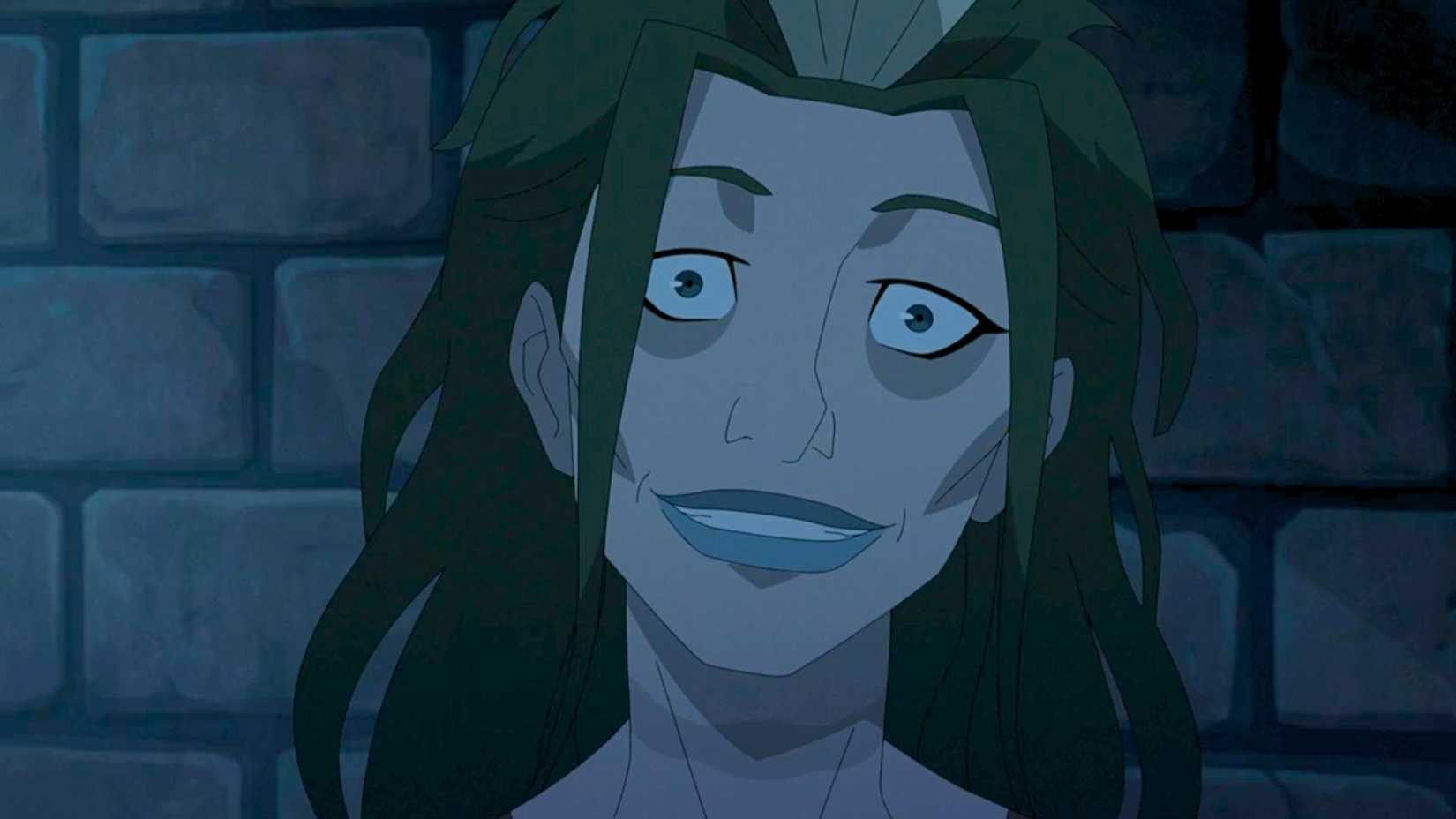
Laudna’s appearance in episode 7, “The Ghosts of Whitestone,” caught viewers by surprise. A warlock/sorcerer Hollowed One played by Marisha Ray in Campaign 3, Laudna has ties to Campaign 1 because she was formerly known as Matilda Bradbury. Matilda was a human woman whom Delilah and Sylas Briarwood killed and hanged from the Sun Tree in Whitestone as a warning to Vox Machina. After being cut down, Matilda woke up with scrambled memories and the realization that she was undead, eventually calling herself Laudna.
While The Legend of Vox Machina keeps Laudna’s backstory intact, it alters original relationships between Vox Machina members and Laudna herself. In “The Ghosts of Whitestone,” Laudna’s encounter with Vex and others was purely accidental.
By contrast, in Campaign 3: Bells Hells, the meeting of Vex, Percy, and Pike was prompted by the need for a skilled healer, Pike, to revive Laudna. This marked the first time Vox Machina members met Laudna in Campaign 3, and several of them initially distrusted her due to her connection with Delilah Briarwood. Because Laudna has already appeared to Vex in the animated series, their future interactions could change significantly if they meet again.
Bard’s Lament
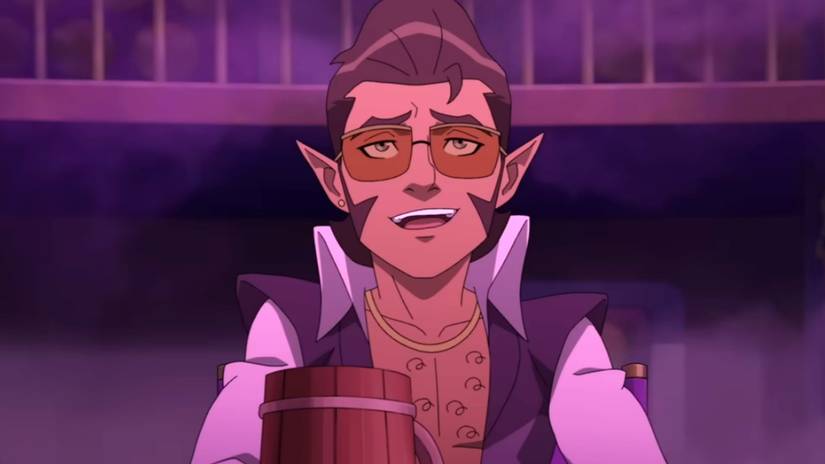
A Bard’s Lament remains one of the most discussed moments in Critical Role history. Nobody expected Sam Riegel, who plays Scanlan Shorthalt, to walk out on Vox Machina during episode 85 of Campaign 1. In the campaign, Scanlan made this decision after members of Vox Machina made a fool of him in front of Kaylie, accusing them of not caring about him. Riegel wanted to explore playing another character named Taryon, which led to Scanlan disappearing for a time.
In The Legend of Vox Machina, however, Scanlan had already moved on from Vox Machina after the party beat the Chroma Conclave at the end of season 3. As in Campaign 1, Scanlan left to help rebuild his relationship with Kaylie, but in the show, his relationship with his daughter is already successfully repaired. The conflict instead stems from the rest of Vox Machina only coming to him when they want something.
The animated adaptation of Bard’s Lament lacks the absolute shock value of Campaign 1, where the actual play format left audiences wondering if Riegel was leaving permanently. That said, the adaptation adds complexity to Scanlan’s choice, framing it not as a last-minute reaction to a mean prank, but as a choice made by someone who prefers his reunited life with Kaylie.
Grog’s death
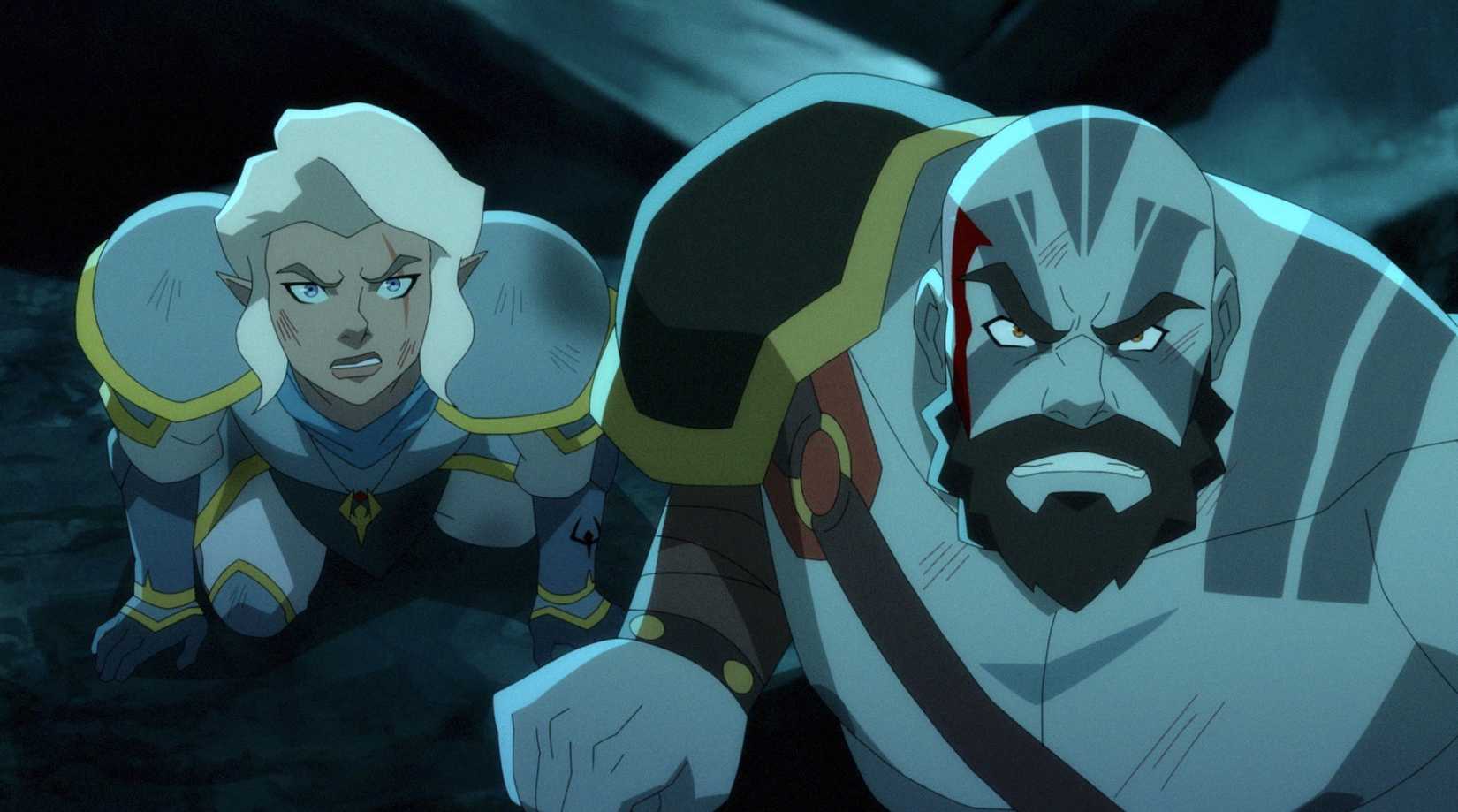
In Critical Role’s first campaign, almost all the characters die at least once. Because Dungeons & Dragons features magic that allows for resurrection and revivification, the cast rarely lets mortal death slow them down.
However, The Legend of Vox Machina treats death with much higher stakes. Viewers were shocked when Grog was disintegrated on screen. He eventually gets resurrected, but at the cost of Pike being manipulated by Gideon and the Whispered One to help him ascend into godhood.
Grog’s relationship with Pike forms the heart of their character arcs, so testing it in this manner made for an emotional storyline. Following the season 4 finale, the question remains whether Grog and Pike’s dynamic can ever return to normal after such a heavy price.
Pike turns against Vox Machina
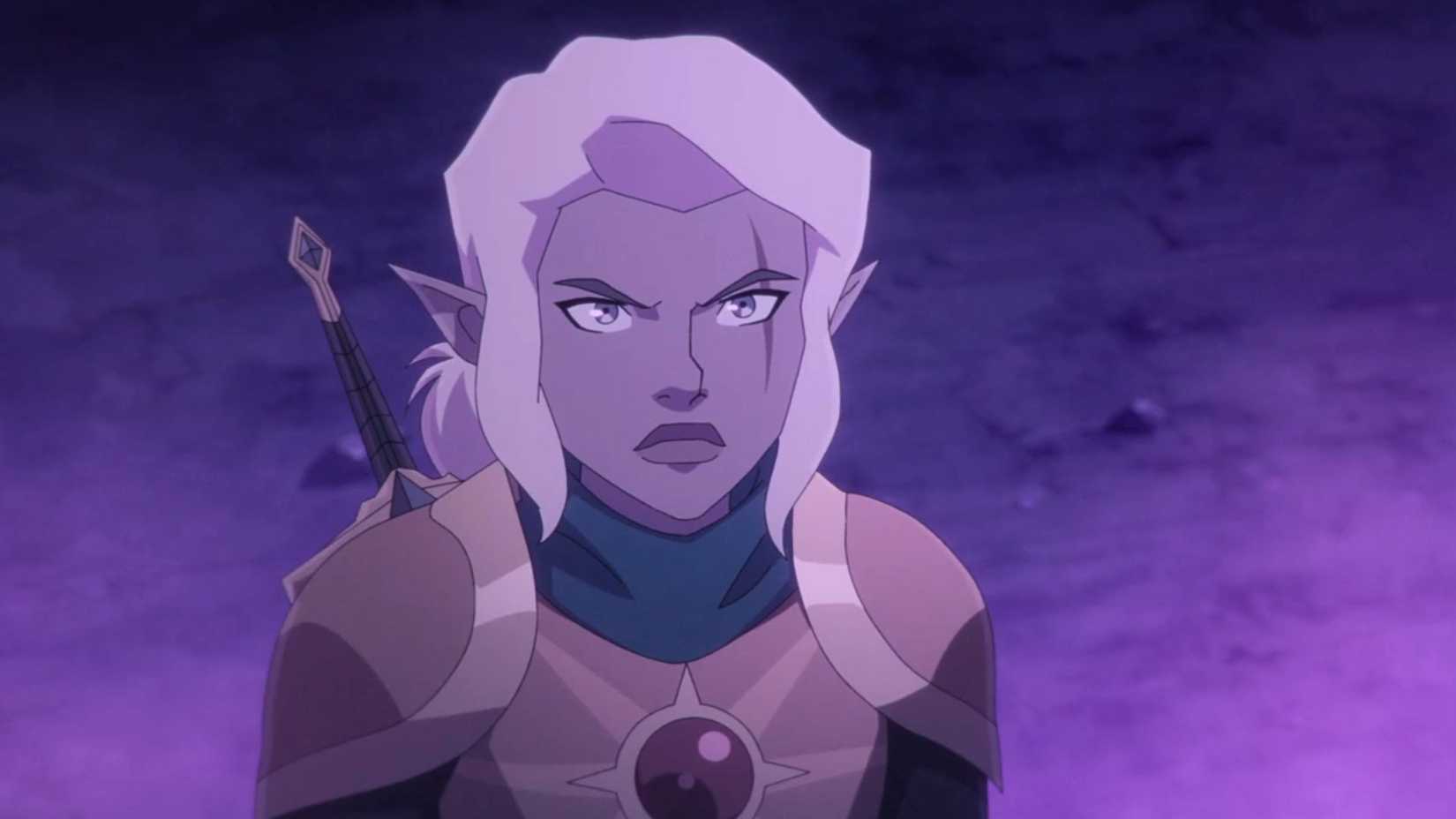
Possibly the most surprising turn of events in season 4 is Pike’s betrayal of Vox Machina.
In the campaign, Pike remains steadfast in her faith in her friends and her commitment to destroying the Whispered One, never betraying the party to help him ascend to godhood.
Despite differing from the original campaign, Pike’s story in the animated show feels rewarding. Due to Ashley Johnson’s previous work commitments during the campaign, there were large portions of episodes where Pike was absent, leaving her overall arc feeling undercooked compared to the rest of Vox Machina. All three seasons of the show have worked to address this by showcasing Pike’s wavering belief in her religion and her deity, the Everlight.
Season 4 pushes this conflict to the extreme. Pike harbors bitterness over a year of separation from Vox Machina, deals with the death of her grandfather, and experiences an intense desire for vengeance following Grog’s disintegration. While extreme compared to her campaign actions, this change provides a logical narrative progression for the adaptation.
All episodes of The Legend of Vox Machina are available to stream now on Prime Video.
Source: Polygon
Related articles
 Control Resonant and Silent Hill Townfall Reviews Are the Week’s Top Stories
 PS5 Players Report Losing Accounts to Scammers Bypassing PlayStation Security
 Analysts Estimate Wardogs Has Earned $100 Million on Steam
 Stephen Colbert Lord of the Rings Movie Still in Development
 Runtime for all eight episodes of Vision Quest finale revealed to exceed one hour
 How Lost Changed Television With a Last-Minute Pilot Change
 Creators of The Apothecary Diaries Release Creditless Opening for Season 3
 Futurama Creator Discusses Show’s Future Beyond Season 14 Finale