How Rob Reiner Humanized Stephen King in This 39-Year-Old Thriller

Stand by Me may not have been the first brush with brilliance for the legendary Rob Reiner. That honor arguably goes to his 1984 debut, This Is Spinal Tap—a pioneering rock mockumentary that reshaped the landscape of modern comedy, influencing everything from the filmography of Judd Apatow to the dry wit of The Office.
However, Stand by Me was the project that cemented Reiner’s status as a top-tier cinematic virtuoso. It showcased a directorial style that was deceptively straightforward yet profoundly effective, highlighting his gift for drawing out exceptional performances and his unerring sense of narrative pacing. More importantly, it revealed Reiner as a filmmaker with a deep well of empathy, capable of weaving an unbreakable emotional thread between his characters and the audience.
This film also served as the opening act for one of the most remarkable hot streaks in Hollywood history. Between 1986 and 1992, Reiner delivered a series of genre-defining masterpieces with a level of consistency that remains staggering. Following the coming-of-age poignancy of Stand by Me, he gifted us the whimsical meta-fairy tale The Princess Bride (1987), the definitive romantic comedy When Harry Met Sally… (1989), the chilling Misery (1990)—a haunting look at obsessive fandom—and the high-stakes legal drama A Few Good Men (1992), which featured an electric confrontation between Tom Cruise and Jack Nicholson.
While any of these five films could be a personal favorite, Stand by Me feels the most intimate. It is a smaller story than its successors, yet it carries a weight of profound sorrow and nostalgic beauty that is unmatched.

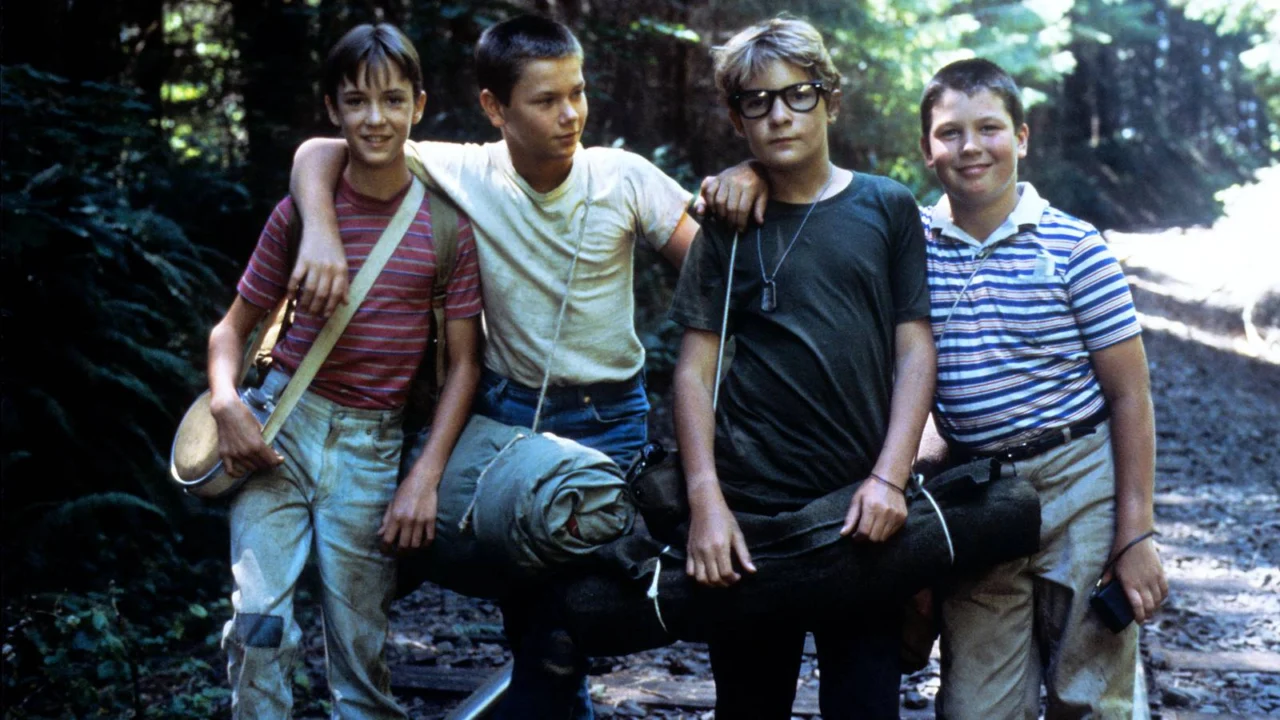
Derived from The Body, a novella by Stephen King, the film follows four twelve-year-old boys in the summer of 1960 as they trek across rural Maine to find the remains of a missing peer. It’s a grounded adventure rooted in realism, exploring quintessentially King themes: the shadow of abusive parents, the cruelty of bullies, and the fleeting nature of childhood. For King, it was a deeply personal narrative—the protagonist, Gordie, is a budding writer struggling for his father’s approval—and Reiner translated this authenticity perfectly to the screen.
Collaborating with screenwriters Raynold Gideon and Bruce Evans, Reiner chose to center the emotional core on the bond between Gordie and Chris, the group’s world-weary but noble leader. When executives expressed concern over the morbid title The Body, Reiner pivotally renamed it after the Ben E. King soul classic. This change shifted the focus toward the warmth of friendship, allowing the grim premise of mortality to serve as a haunting, atmospheric backdrop rather than the primary hook.

The casting of the four leads was perhaps Reiner’s greatest triumph. Wil Wheaton captures Gordie’s fragile intellect, while Jerry O’Connell provides a nuanced take on the naive Vern. Corey Feldman perfectly embodies Teddy’s erratic, trauma-induced energy. However, it is River Phoenix who steals the show; his portrayal of Chris possesses a magnetic authority and a quiet vulnerability that is startling for an actor of his age. These boys carry the baggage of their broken homes into the Oregon wilderness, yet they retain a capacity for courage and loyalty that often eludes the adults in their lives.
Reiner utilized vast rural locations to build a world that felt lived-in and tactile. Though the film spans only 90 minutes and a couple of days, the journey feels epic. This sense of scale is achieved through an intimate camera and a script that treats these forty-eight hours as the most transformative period of the boys’ young lives.

Even decades later, the raw honesty and coarse language of the boys remain striking—not because they aim to shock, but because they feel so fundamentally true to adolescence. While some secondary characters, like Kiefer Sutherland’s menacing hoodlum, lean toward the archetypal, they serve to heighten the boys’ internal complexities by contrasting them against a world that is often hostile or indifferent.
In Stephen King’s writing, Reiner found a mirror for his own artistic sensibilities: intricate human emotions housed within simple, compelling frameworks. Stand by Me was crucial in proving that King was far more than a “horror novelist.” Reiner’s production company, Castle Rock (named after the fictional town in the film), later championed another King non-horror classic: The Shawshank Redemption. While Reiner reportedly wanted to direct Shawshank himself, he eventually gave way to Frank Darabont, though the film clearly shares the same DNA of grit mixed with soaring sentimentality found in Reiner’s own work.
Ultimately, Stand by Me remains the quintessential Reiner film. It is a generous, warm piece of storytelling that doesn’t shy away from life’s ugliness. Instead, it suggests that sorrow and fear are simply the price of admission for a life defined by meaningful connection. There is truly no better time to revisit this classic.
Stand by Me is currently available to stream on Netflix, and can be rented or purchased via Amazon, Apple TV, and other digital storefronts.
Source: Polygon
Related articles
 Weta Workshop Opens Pre-Orders for Faramir Statue from The Lord of the Rings
 Until Dawn 2 Horror Game to Receive Physical Edition
 Tim Schafer Says Xbox Does Not Need Studios That Make Niche Games for Game Pass
 PlayStation Store Launches Gamescom Sale With Discounts Up to 75 Percent
 Riot Games and Hypixel Studios to Fund Technoblade Documentary
 Sony Adapts Pixel Adventure Game The Drifter Into Film
 Netflix Sets Avatar: The Last Airbender Season 3 for 2027 Release and Reveals Fire Lord Ozai
 FX Releases First Behind-the-Scenes Video for Season 2 of Alien: Earth