
her0ism Discusses the Global Rise of J-Pop, From MAJ Co-Writing Camps to the New Grammy Category for Asian Music

Ryuji Tatsumi
During the 2026 MUSIC AWARDS JAPAN (MAJ), a prestigious gathering that drew music industry luminaries to Tokyo, the “SONG BRIDGE 2026” co-writing camp emerged as a highlight. The event united international talents—including UMI (USA), Cup of Joe (Philippines), and HINDIA (Indonesia)—with Japan’s top-tier songwriters for collaborative sessions, a practice still gaining traction within the domestic market.
Returning to lead the creative teams, LA-based songwriter and producer her0ism leveraged his extensive expertise to mentor participants. Billboard Japan sat down with him to discuss the current trajectory of the Japanese music industry and its burgeoning potential on the world stage.
How do you perceive the evolving international interest in Japanese music?
The presence of Universal Music Group CEO Lucian Grainge at the event was a powerful indicator of this shift. During our conversation, he expressed a genuine belief that Japanese music is primed for greater global exposure. I share that sentiment completely. While there is a clear appetite for Japanese artists, the challenge remains in cultivating individual breakout stars. Strategic initiatives like MAJ are vital, but we must also bridge the gap where independent artists can shine. My personal mission is to act as a conduit, helping Japanese acts gain a foothold abroad while simultaneously elevating American artists in the Japanese market. To effectively bridge these worlds, I must remain deeply entrenched in the creative process, consistently delivering chart-topping hits.
What were your takeaways from this year’s SONG BRIDGE camp?
The caliber of artistry was significantly higher this year, resulting in more polished and impactful compositions. With international contributors like UMI and Cup of Joe, the camp proved it has the reach to influence global trends. There was a palpable sense of pride at our listening sessions, and artists are already eager to debut these tracks. As we solidify this camp’s reputation as a premium creative hub, I anticipate a positive feedback loop: as these songs gain commercial traction, we will naturally attract more high-profile talent, further elevating the quality of future sessions.
Could you share some insights into your current creative projects?
Much of my work currently involves executive production for Japanese artists aiming for international expansion. I focus on refining their sound while preserving their unique cultural identity. For example, I produced the debut single “Coco” for the group kiOra—a collaborative project between Sony and 88rising. It was a massive, multinational undertaking featuring creative input from around the globe. I am also working on an upcoming release for ENBASE under Universal Music, where we are blending distinctive Japanese aesthetics with production techniques fine-tuned in Los Angeles. Additionally, I produced a track for SUPER JUNIOR-83z; it’s fascinating to see the J-pop influence permeating the K-pop scene. The structural complexity and melodic density of J-pop are currently in high demand, and I believe my base in Los Angeles allows me to translate those strengths for a wider audience.
Do you encourage the next generation of Japanese creators to establish themselves in international hubs like Los Angeles?
Absolutely. We need a larger Japanese footprint in these global creative circles. I am currently organizing my own independent writing camps to provide that bridge. By leveraging American management networks, we can bypass the limitations often felt from within Japan. I am dedicated to creating opportunities for homegrown talent to tap into these global networks, fostering the growth of the next wave of industry leaders.
With the Grammy Awards introducing a new category for Asian Pop in 2027, how significant is this milestone?
This is a historic validation. It moves Asian music beyond a niche classification and places it firmly within the global mainstream. As someone who contributed to the proposal for this category, I believe the real work starts now. The goal is to see this award become a pinnacle achievement that inspires producers and songwriters to aim higher. Japan is teeming with talent capable of competing at the highest level, and I remain committed to fostering the connections that will bring that talent to the forefront of the global conversation.
—Interview conducted by Tomonori Shiba, originally featured on Billboard Japan
Related articles
 My Chemical Romance Teases Possible New Album During Tour-Closing Show
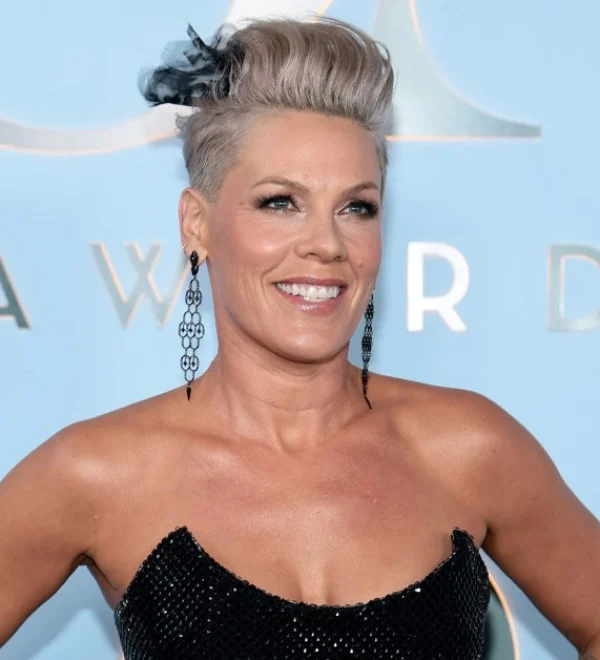 Pink Addresses Backlash Over Comments About Macklemore’s Pro-Palestine Stance
 Stray Kids Make Historic Debut at Rock in Rio
 Ocean Way Festival in Santa Monica Canceled Weeks Before Planned Debut
 Zach Bryan Joins Kings of Leon to Perform Collaboration During Nashville Show
 Tatsuya Kitani and Silica Gel Discuss Their Collaboration in a Billboard Japan Monthly Feature Interview
 Travis Kelce Says Marrying Taylor Swift Was More Than He Could Have Ever Dreamed It to Be
 Flavor Flav Shares Personal 9/11 Memory and Honors Heroes on 25th Anniversary