Hear Me Out: Why the Best Nightmare on Elm Street Movie Argues for Weapons 2

Nothing about Zach Cregger’s Weapons — its occult underpinnings or its unapologetic bursts of brutality — unsettled audiences as much as the notion of a spin-off. After the original film became a box-office sensation and the menacing Aunt Gladys (Amy Madigan) became a meme phenomenon, studio chatter about expanding the universe felt unavoidable. Even Cregger has fanned the flames, saying the Gladys story “feels distinct and capable of standing on its own.”
That said, the anxiety is understandable: horror history is strewn with limp sequels. The 1980s rental market turned any modest hit into a franchise factory, spawning Part 2s and Part 3s churned out with little artistic care. Some of those once-derided follow-ups have been reassessed by modern fans (see, for instance, recent defenders of Sleepaway Camp II), but countless others rightly remain bargain-bin curios. Even marquee series have drifted into self-parody — the many chapters of Friday the 13th now often feel like brand exercises rather than genre touchstones.
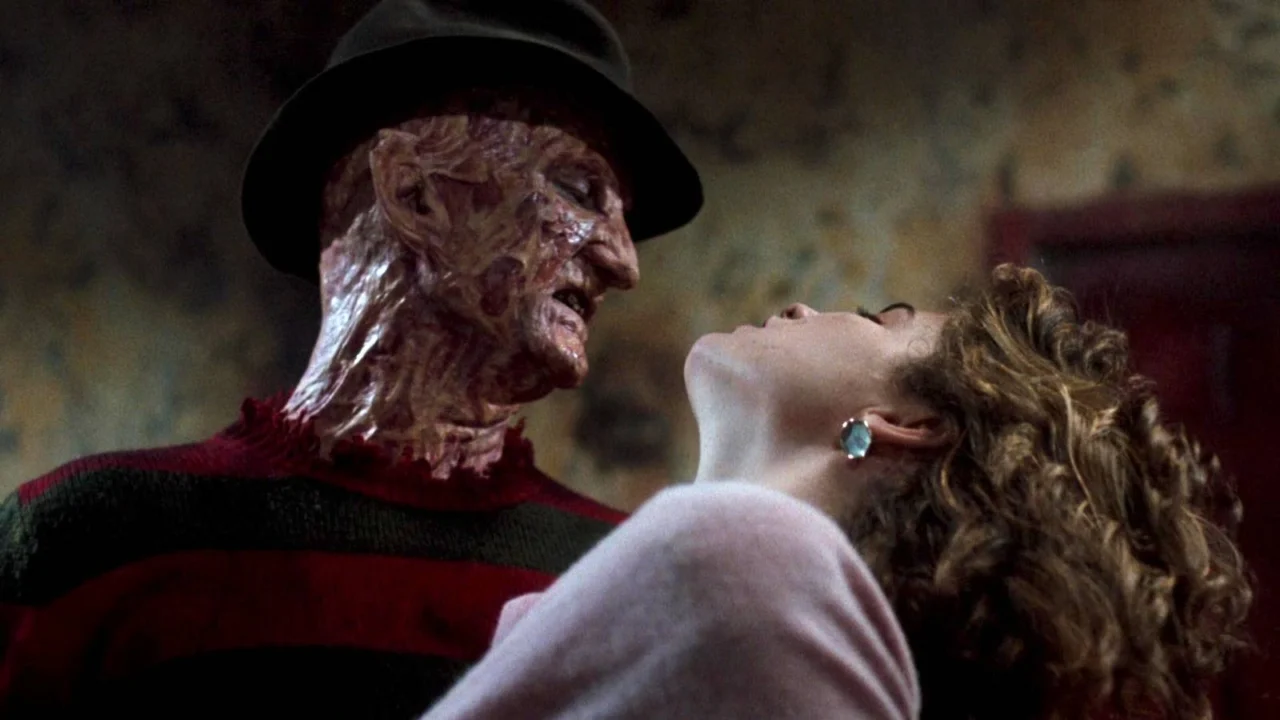
When I picture the ideal path for a Weapons follow-up — call it Gladys: Origins or Weapons 2 — I think of the A Nightmare on Elm Street franchise, and specifically the audacious middle entry, A Nightmare on Elm Street 3: Dream Warriors. That movie transformed a spare premise about children tormented in their sleep into a larger mythology while still feeling fresh and theatrical.
 Image: New Line Cinema
Like Weapons, Wes Craven’s original A Nightmare on Elm Street arrived as a cultural blitz. New Line rapidly greenlit sequels, and the series evolved — sometimes into camp, sometimes into spectacle. What makes Dream Warriors remarkable is that it reframed the franchise rather than merely repeating the first film’s formula.
New creative blood helped. Director Chuck Russell and writer Frank Darabont (both later associated with films that ranged from mainstream blockbusters to acclaimed dramas) were brought in to reimagine the franchise’s possibilities. Where Craven used the dreamscape as a stalking ground for Freddy, Russell and Darabont treated the dreamworld as contested territory — a place where resourceful, scarred teens could confront their demons and fight back.
The movie balances genuine emotional stakes — sleep deprivation, addiction, suicidal thoughts — with gleefully inventive nightmare sequences. It also smartly reintegrates Nancy (Heather Langenkamp) from the first film, positioning her as a therapist who recognizes Freddy’s continuing threat rather than simply a survivor from the past.
In short: Dream Warriors manages to be both thoughtful and gruesomely entertaining — a reminder that blockbuster horror can also be imaginative and character-driven.
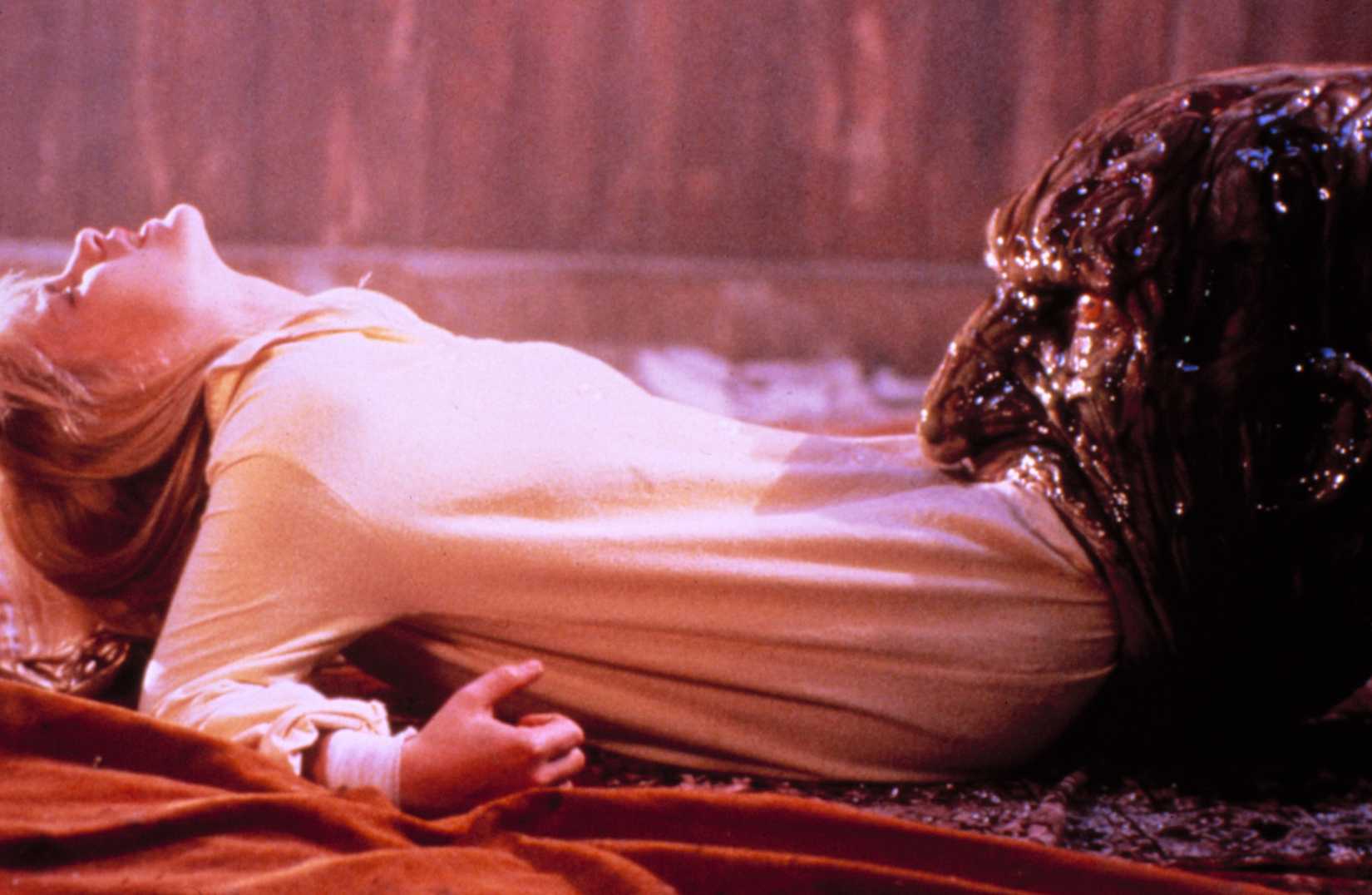 Photo: New Line Cinema/Everett Collection
I admire the 1984 original — its visceral shocks (that memorable Johnny Depp sequence among them) lodged in the cultural memory. But if that film had been locked away and never revisited, Russell and Darabont would never have had the chance to expand the mythology: to deepen Patricia Arquette’s role as a psychic protagonist, to transform Freddy into grotesque new forms, or to stage audacious set pieces that flirted with surreal comedy and outright grotesquerie. Those leaps paved the way for subsequent genre reinventions.
Russell and Darabont recognized the latent potential in Freddy’s character in the same way Cregger seems to recognize Gladys’s: when a villain is more than a single image, there’s room to explore, invert, and amplify that persona across different creative visions. Dream Warriors resets the rules while inventing new ones, and — even when it indulges in plot detours (the hunt for Freddy’s bones borders on rote mythology-chasing) — Robert Englund’s magnetic performance keeps the film electrified. Give me a flamboyant showman with a razor glove over a silent, formulaic stalker any day.
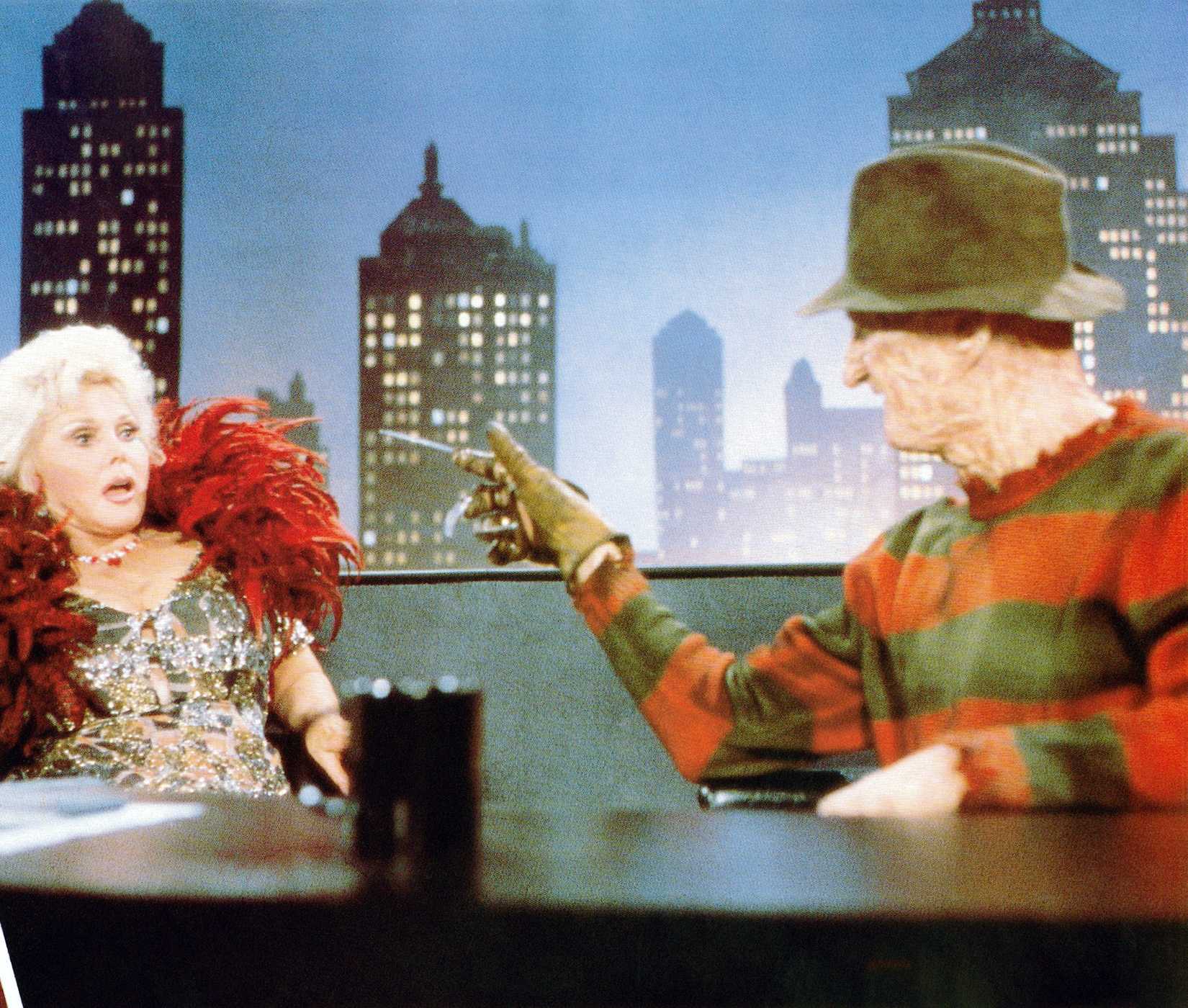 Photo: New Line Cinema/Everett Collection
Even though Englund made Freddy synonymous with the role, his absence from modern screens leaves a void. The 2010 remake took a solemn, stripped-down approach that many found lifeless; but if Gladys can enchant contemporary viewers, a revived, more theatrical Freddy might too. Dream Warriors, in many respects, succeeds as a mid-budget, effects-forward horror spectacle in a way that proves there’s room for franchise entries that are imaginative and bold rather than rote homages.
Weapons is a bleak, elegiac study of grief that ends by dialing up the absurd to operatic levels. I understand the impulse to preserve Gladys as a singular, perfect creation. If I had loved the 1984 Elm Street and heard the studio wanted more Freddy, I might have bristled as well. But sequels that recontextualize a character — that push them into unexpected directions — can be liberating. I’d rather let storytellers take Gladys somewhere strange than watch the character simply be rehashed.
Where to watch: A Nightmare on Elm Street 3: Dream Warriors is available to stream on HBO Max.
Source: Polygon
Related articles
 Robert Pattinson Responds to Chris Hansen’s Complaints About the Movie “Primetime”
 Ryan Reynolds’ “Mayday” receives positive reviews from critics
 Michael Keaton to Direct Western Starring Morgan Freeman
 “Daddy’s Daughters” wedding sequel to be released in 2027
 Halle Berry and Colin Firth to Star in New Rom-Com
 Netflix Begins Filming New Dan Brown Adaptation
 Spider-Noir series canceled after first season
 Actors cast as Dobby and Tom Riddle for Harry Potter season two