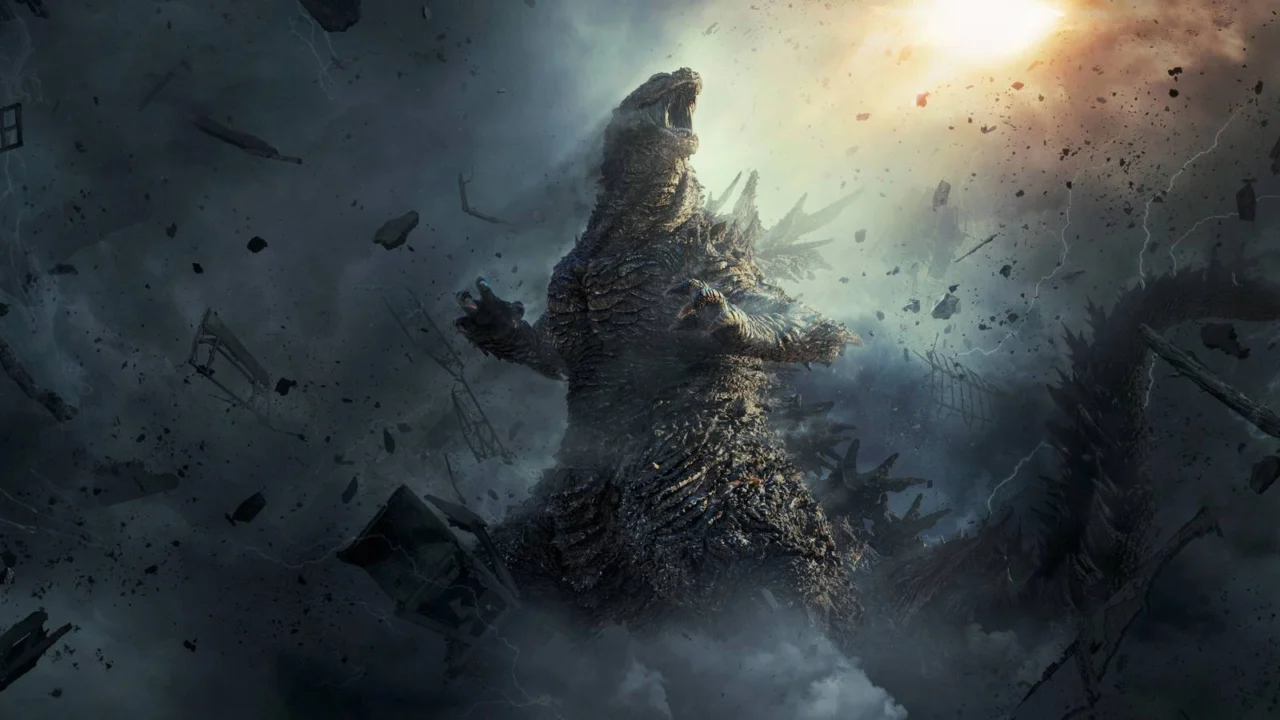
Godzilla Minus Zero Review
Godzilla is the living embodiment of raw, atomic violence on a catastrophic scale. You can make him fight King Kong to set up a sprawling cinematic universe. You can give him a son or throw in a giant moth deity. You can even turn him into a symbol of ineffectual, modern government. But in whatever direction he is rampaging, Gojira will always be a metaphor for the festering wound delivered by the United States to Japan during World War II.
Nobody understands that better than Takashi Yamazaki. With his new film, Godzilla Minus Zero, the Japanese filmmaker raises the stakes of the series in every way possible.
Takashi’s opening salvo, Godzilla Minus One (2019), brought the 72-year-old franchise back to its roots with a story set immediately after the war. When the mythological beast emerges due to U.S. nuclear testing, a group of Japanese military veterans defy the government and pull off a last-ditch effort to stop Godzilla from leveling the country. The director’s brilliant conceit was to marry blockbuster-level kaiju action on a minuscule budget with an emotional human story. He succeeded in both respects, crafting a narrative about post-war Japan struggling to pull itself out of utter desolation. The title signified the country’s status after World War II: less than nothing.
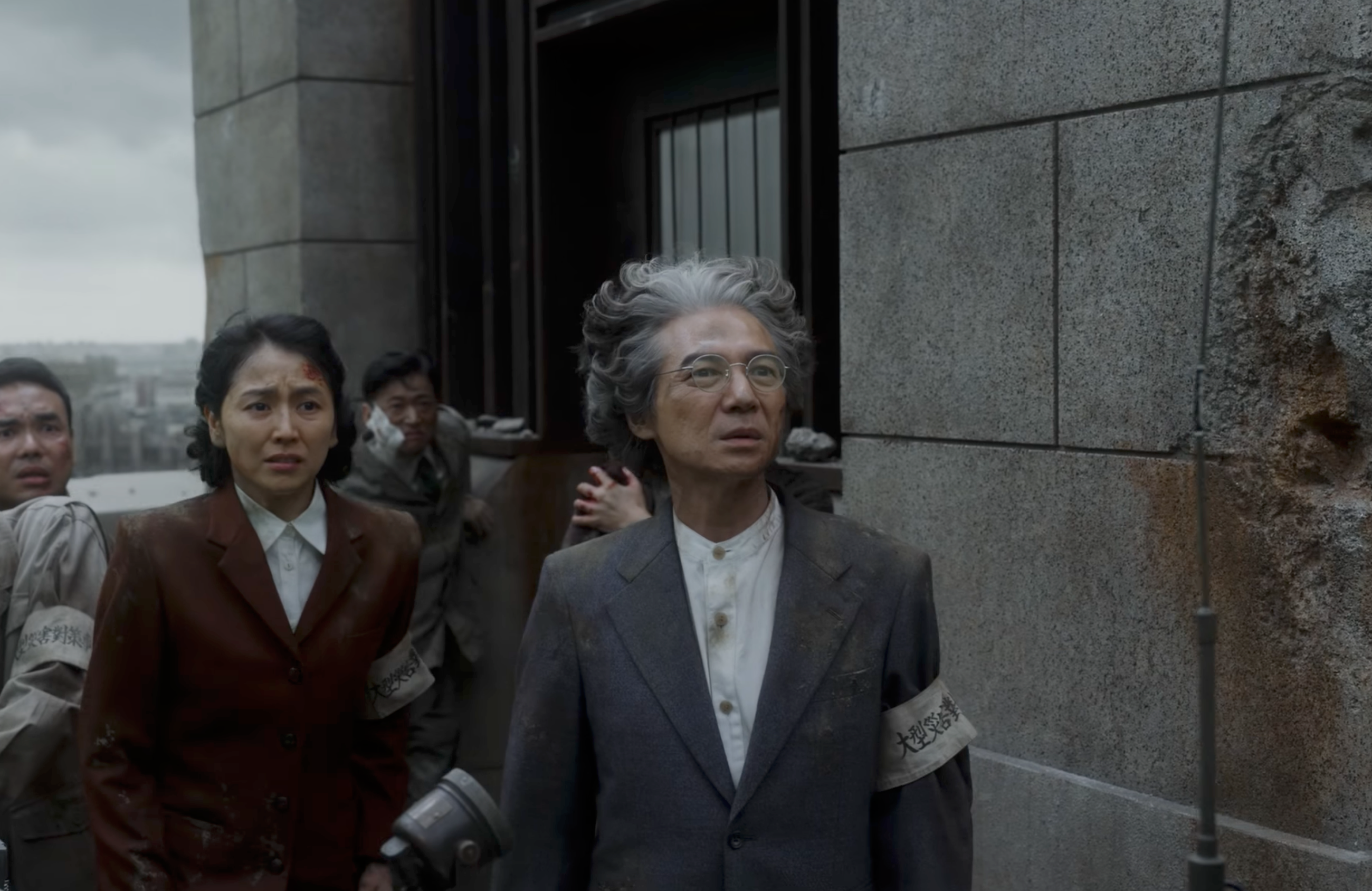
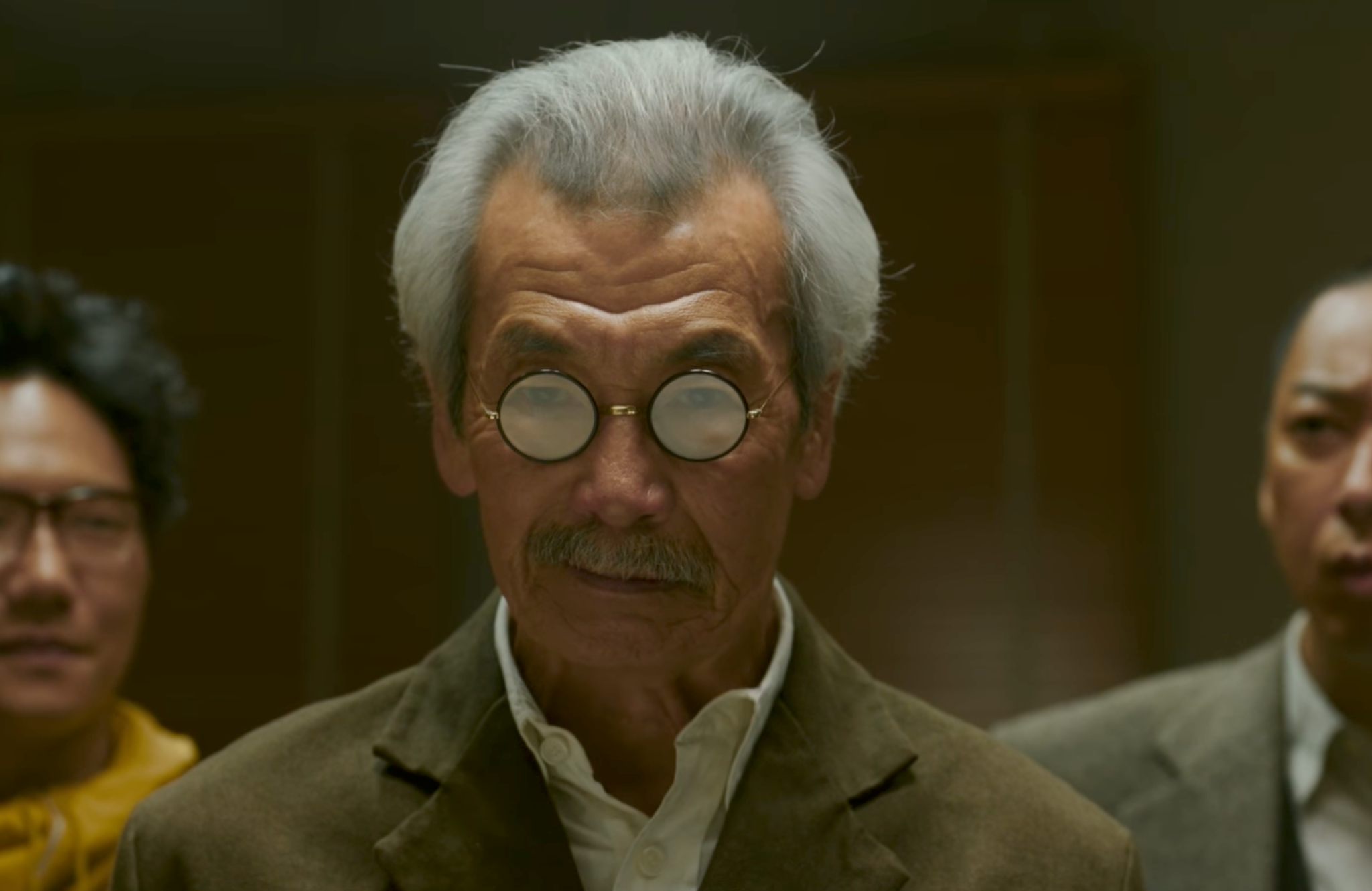
With Godzilla Minus Zero, Takashi wields a bigger budget and twice as many monsters to chronicle a globe-spanning tale of military subterfuge. While the follow-up might be missing some of the filmmaking ingenuity that made the last entry so special, it more than makes up for it with a grander spectacle and more heart-wrenching drama that grapples directly with the literal fallout of the bombing of Hiroshima and Nagasaki.
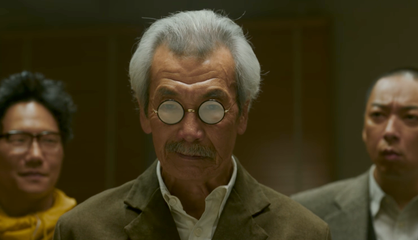
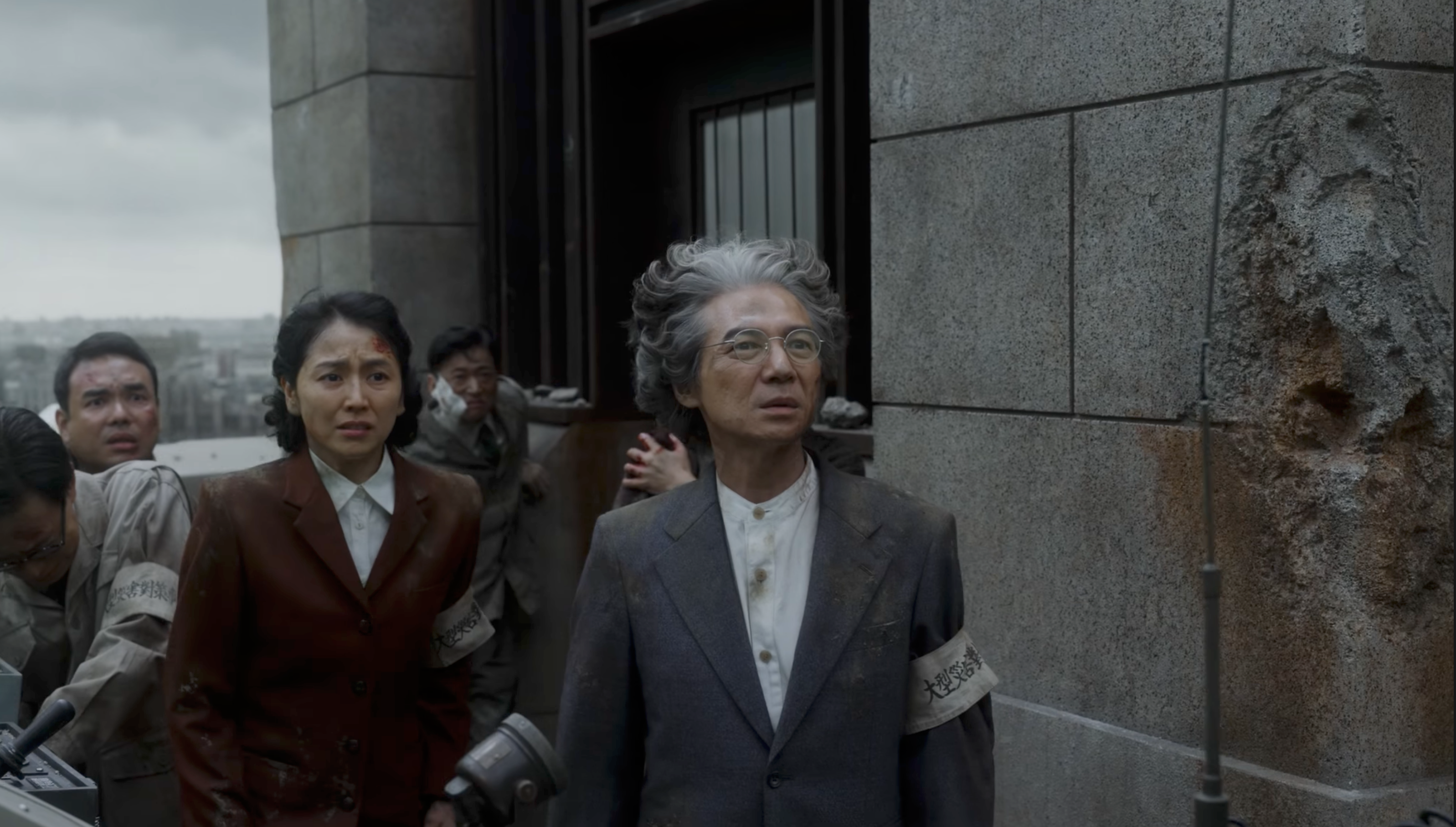
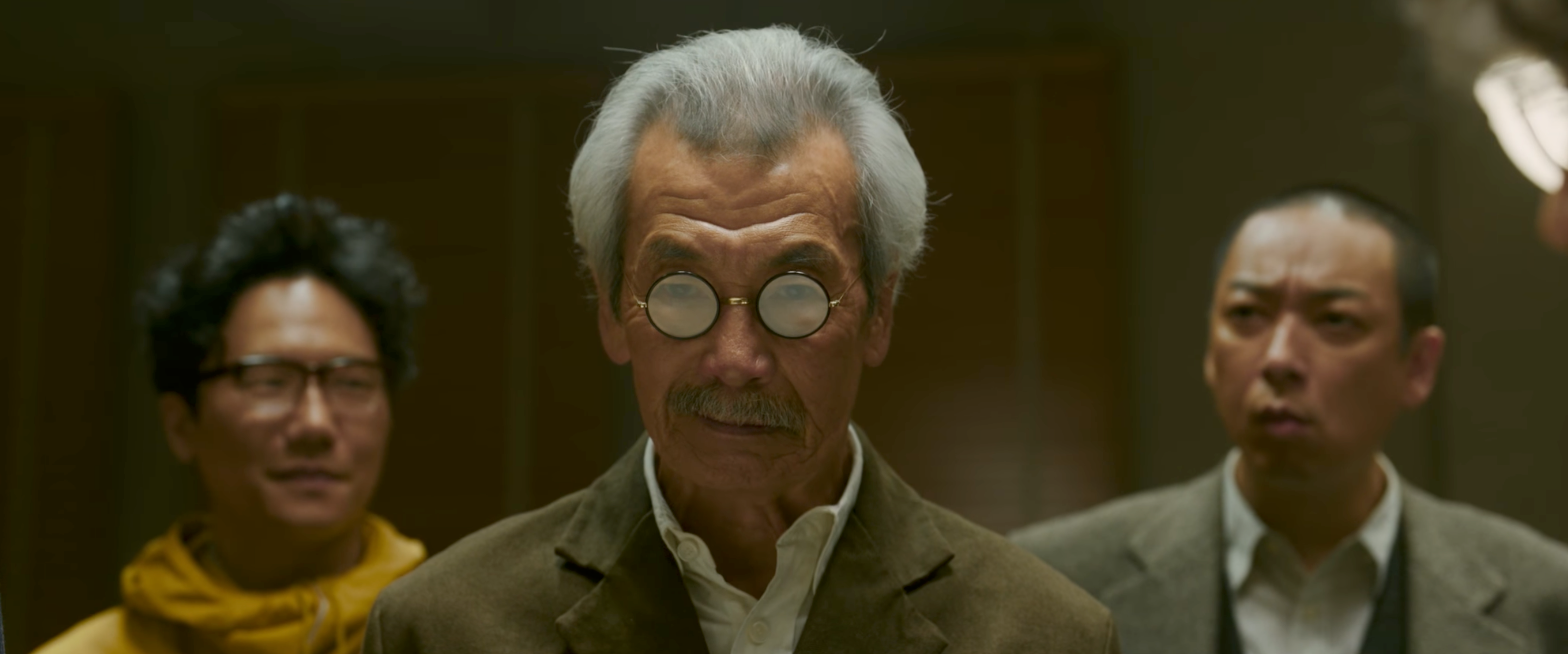
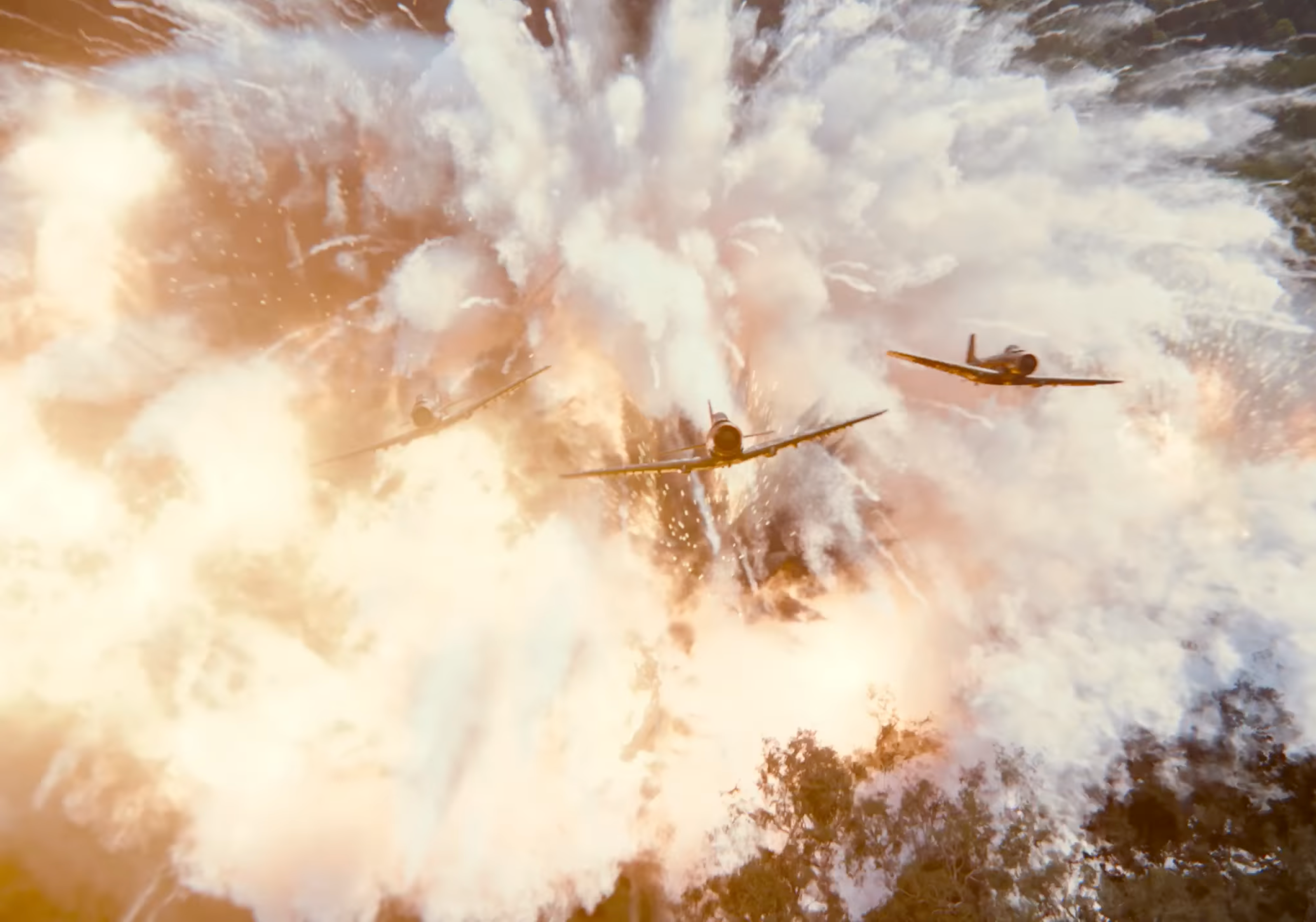
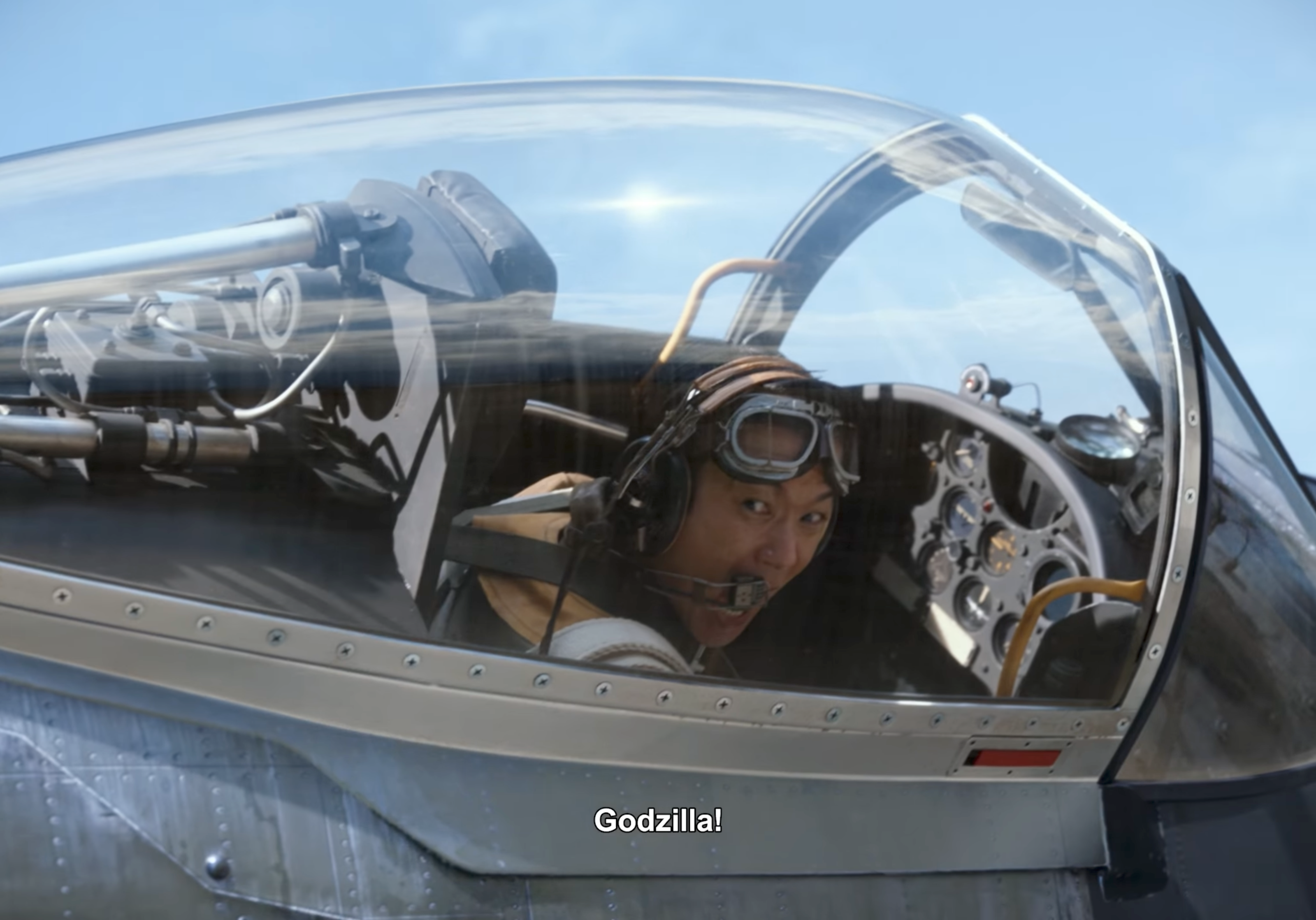
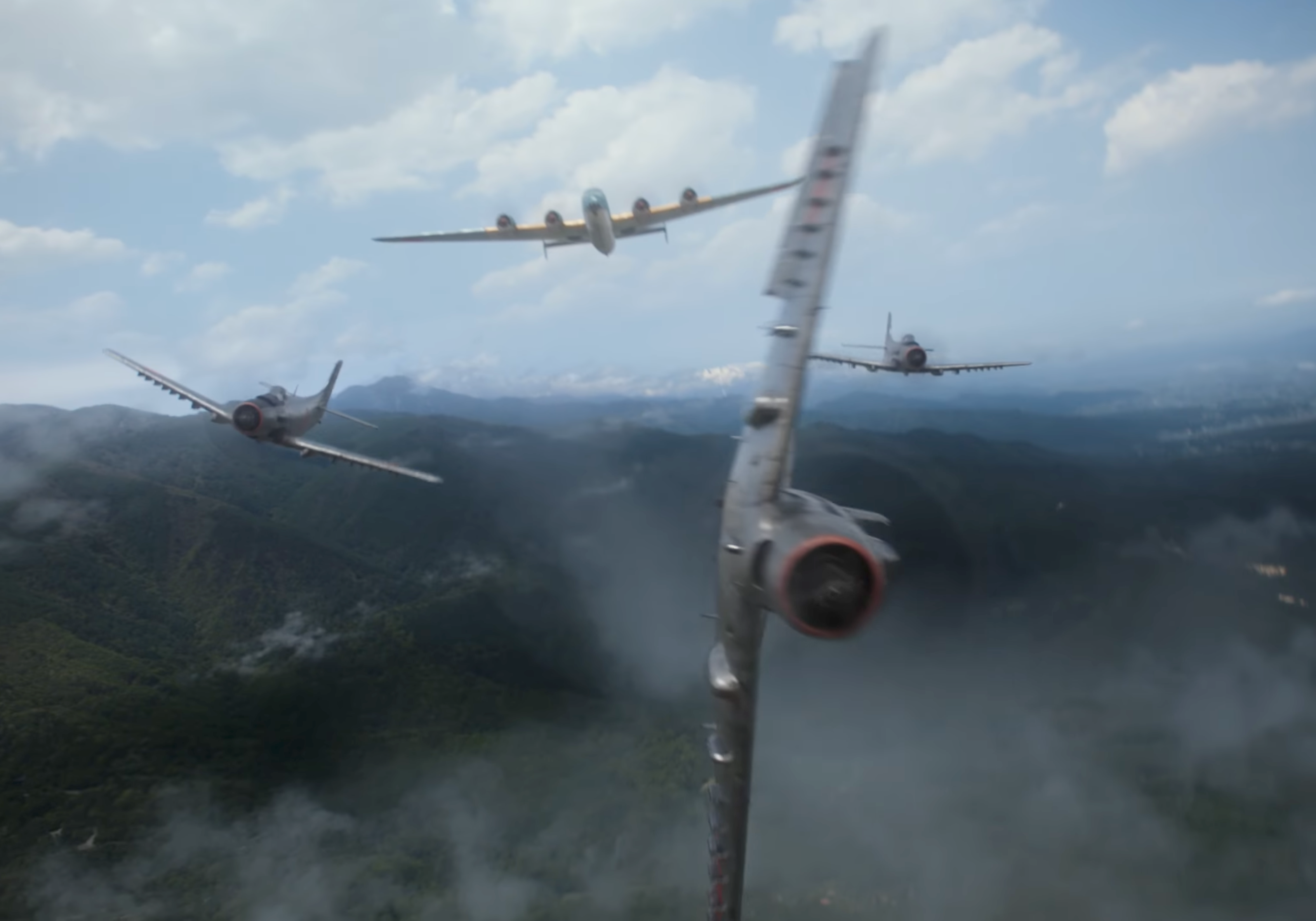
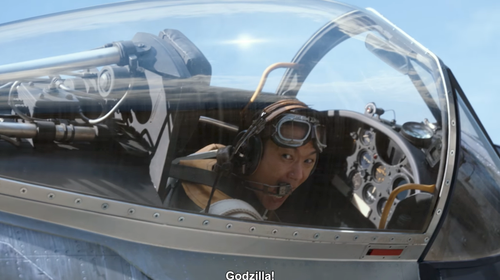
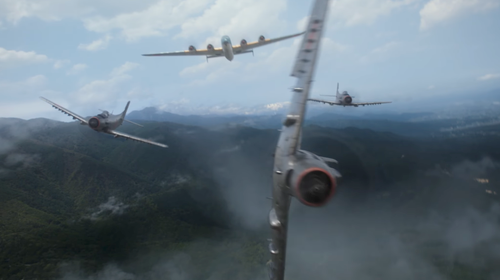
Godzilla Minus Zero opens on a dragon-like monster with the power to shoot lightning from its mouth, terrorizing a Japanese town as the local citizens flee. Soon afterward, two surviving scientists brief a team at the Large-Scale Disaster Response Bureau led by Kenji Noda (Hidetaka Yoshioka) on how a carnivorous goop arrived on Earth from space and transformed into the creature they have dubbed Ghidorah. With help from Kōichi Shikishima (Ryunosuke Kamiki), the disgraced kamikaze pilot who plays a decisive role in defeating Godzilla in Minus One, the bureau hatches a daring scheme to defeat Ghidorah. A riveting dogfight ensues as the dragon pursues a squadron of fighter planes against the backdrop of picturesque mountains. But when the plan ultimately fails, it triggers the return of Godzilla, who senses a potential rival and rises up from the ocean reborn, putting the two monsters on a path toward an epic showdown as the humans scurry underneath.
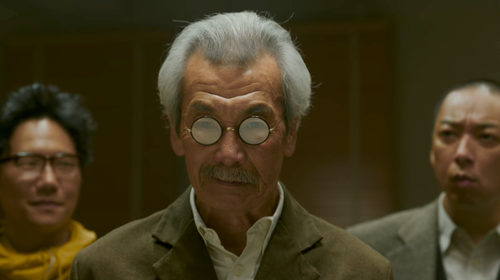
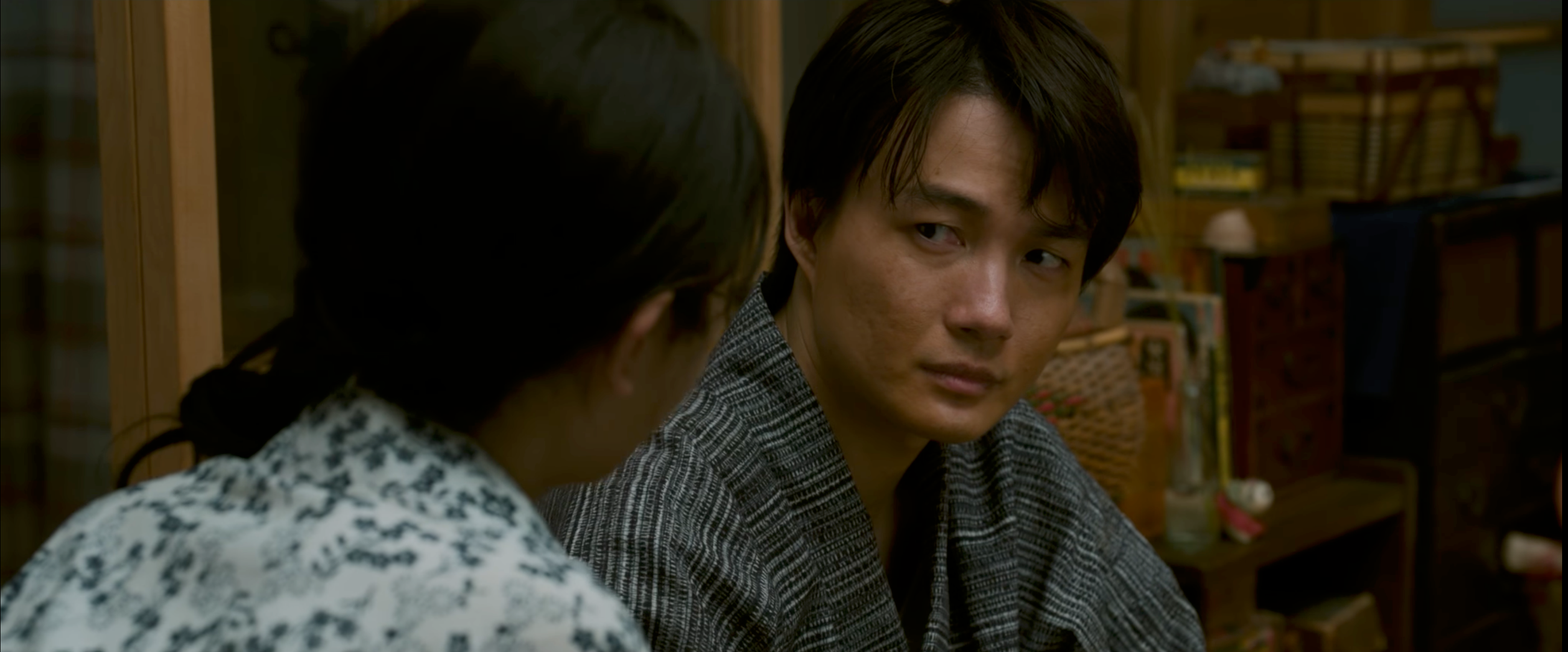
The joy of a movie like Godzilla Minus Zero is watching two skyscraper-sized kaiju do battle in the wreckage of downtown Tokyo, but that only makes up a fraction of the movie. Most Godzilla flicks pad out the rest of their runtime with inane romance and secondary villains. Takashi takes a different approach. Minus Zero returns to the found family at the core of his last film—Kōichi, his wife Noriko (Minami Hamabe), and their adopted daughter Akiko (Sae Nagatani)—to tell the story of a loving trio continuously torn apart by forces far beyond their control. The two adult actors each do plenty of heavy lifting, both emotionally and narratively, but it is young Sae who delivers the most heartbreaking performance as a once-orphaned child facing the possibility of losing her parents yet again.
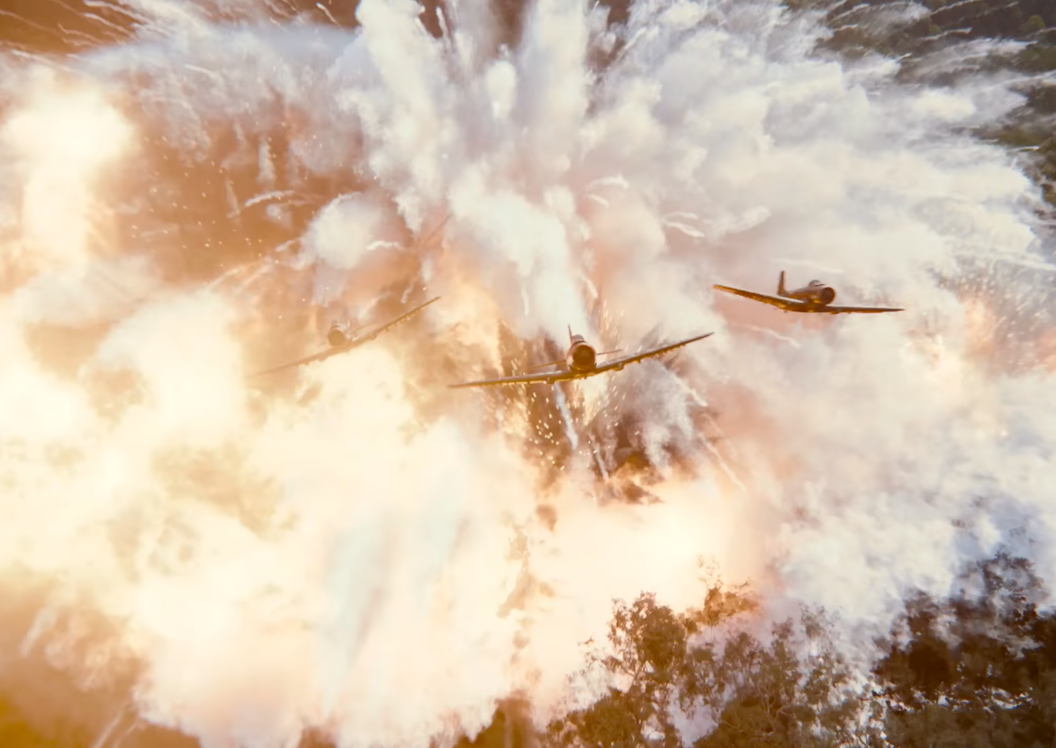
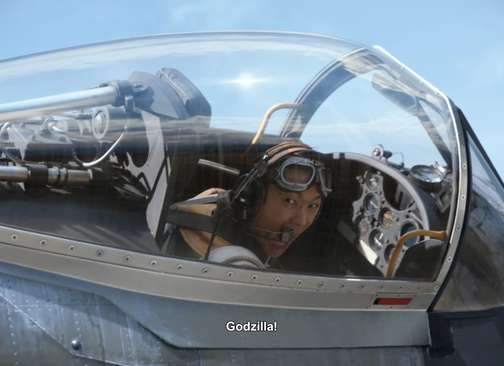
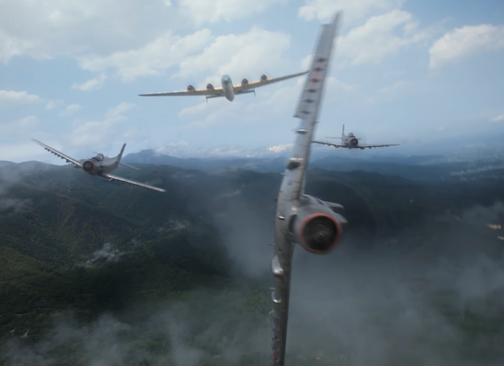
Like its predecessor, Godzilla Minus Zero also faces the horrors of nuclear warfare head-on. This is a movie that juxtaposes images of Godzilla’s destruction with the aftermath of the bombing of Hiroshima. Takashi takes that very obvious metaphor a step further by exploring how warfare and violence only fuel more of the same, creating an endless cycle of revenge and bloodshed. Minus Zero briefly imagines a world where Japan gets revenge on America for World War II, only to point the camera directly into a literal mirror and reflect back the monstrosity of that fantasy.
That is the beauty of Godzilla Minus Zero and Godzilla in general. It has never been about subtlety. From the biting social commentary of Toho’s renewed take on the franchise (beginning with 2016’s Shin Godzilla) to the Hollywood MonsterVerse approach of smashing action figures together and watching money come pouring out, none of those movies are particularly subtle. There is a Godzilla for everyone.
Whether played for horror, comedy, or intellectual property worldbuilding, this is a franchise about nuclear monsters slugging it out while humans die by the thousands beneath their feet. The fact that Takashi can deliver exactly that while telling a story with emotional stakes and biting commentary proves he might just be the best director to ever do it. Hopefully, there is a trilogy in the works—just do not ask what comes after Minus One and Minus Zero.
Godzilla Minus Zero releases in U.S. theaters on Nov. 6.
Source: Polygon
Related articles
 51% of Marvel’s Wolverine Launch Sales Were Physical Copies
 Rockstar Reveals First GTA VI Radio Stations and Podcasts
 Windrose Developers to Remove Old Faction Ships and Showcase Ashlands Update Mechanics
 Crunchyroll Announces Webtoon Adaptations and Anime at New York Comic Con
 New Denuvo Version Blocks Hypervisors, Complicating Star Wars: Galactic Racer Crack
 How Korra’s Cataclysm Could Explain the Biggest Mystery in Avatar: Seven Havens
 Gameplay Trailer Released for Former Extraction Shooter Canyons
 Dave the Diver to Get Subnautica 2 Collaboration and New DLC