How Korra’s Cataclysm Could Explain the Biggest Mystery in Avatar: Seven Havens
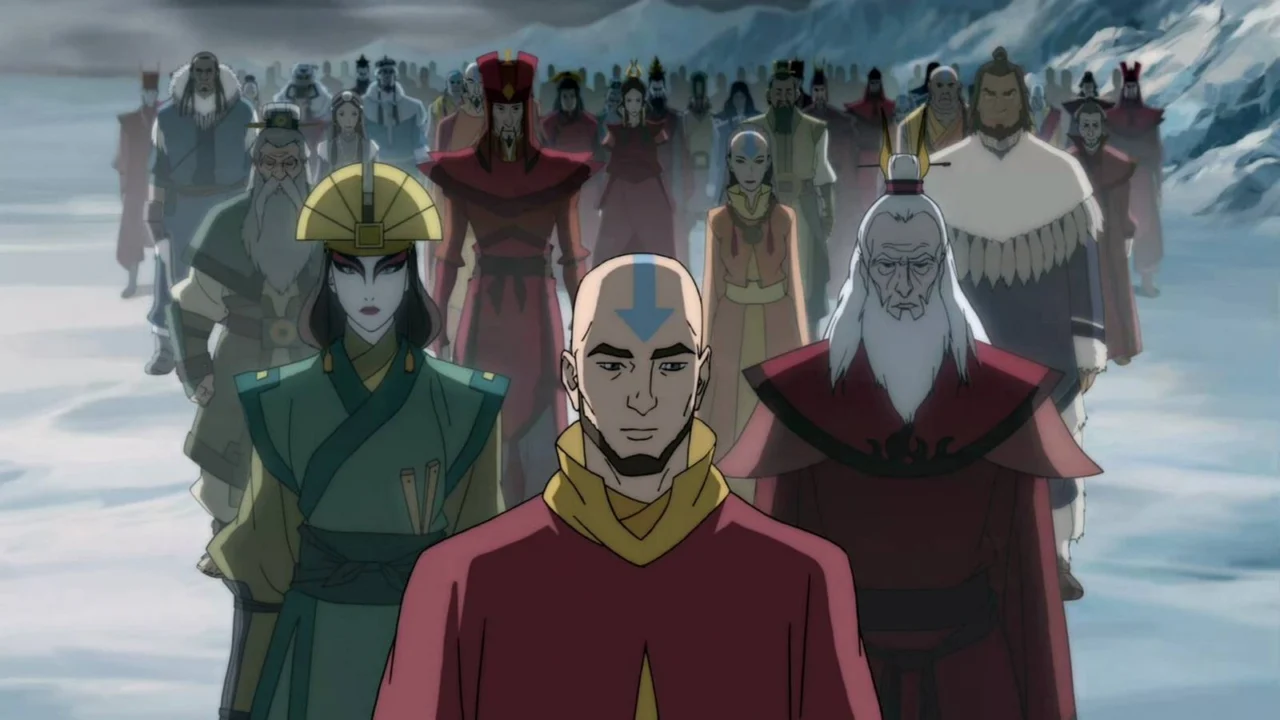
When we reflect on the careers of the two Avatars we met in Avatar: The Last Airbender and The Legend of Korra, Aang’s impact on the world was comparatively conventional. He ushered in an era of peace after ending a century-long war and helped establish Republic City as a melting pot of cultures and a center of innovation. Korra left a much bigger mark on the fundamental rules governing that world. We still do not know much about what she did after the end of book 4 or how long she lived.
The new Avatar: Seven Havens series picks up about 225 years later. Korra is treated like a boogeyman, a mythical villain blamed for triggering the Cataclysm that destroyed the world. The remnants of humanity subsist in seven isolated Havens scattered across wastelands constantly ravaged by storms. Benders are becoming rare, and the spirits who flooded into the physical world during Korra’s lifetime are absent.
Korra’s precise role remains a mystery. Glimpses from the trailer show an older Korra with white streaks in her hair entering the Avatar State while a city burns around her. This scene does not take place in the first three episodes of Seven Havens, which are streaming now on Paramount Plus. Knowing Korra, she may have caused the Cataclysm while trying to prevent something even worse. Years later, the next Avatar has taken the form of twins Pavi and Nisha.
What really happened to Korra, and why was she reincarnated as two Earthbenders instead of one person? We have a theory, but first, let us look back at important details from The Legend of Korra.
What we need to remember from The Legend of Korra
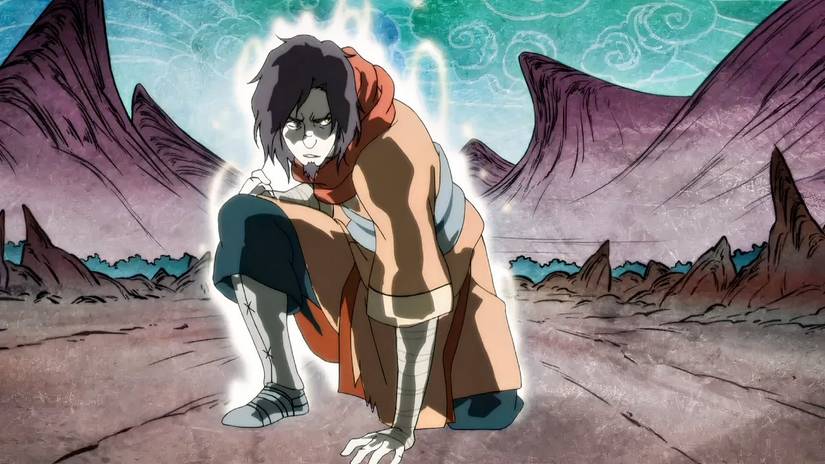
The Avatar cycle began 10,000 years before Korra was born when a man named Wan encountered two primordial spirits locked in eternal conflict. Raava represented light and peace, while Vaatu represented darkness and chaos. Wan initially separated them, allowing Vaatu’s power to grow, but he eventually fused permanently with Raava during the Harmonic Convergence to create the first Avatar.
Wan and Raava defeated Vaatu and imprisoned him within the Tree of Time in the Spirit World between two portals leading to the North and South Poles. Wan then closed those portals, separating the two worlds and beginning the Avatar’s mission of maintaining balance between them.
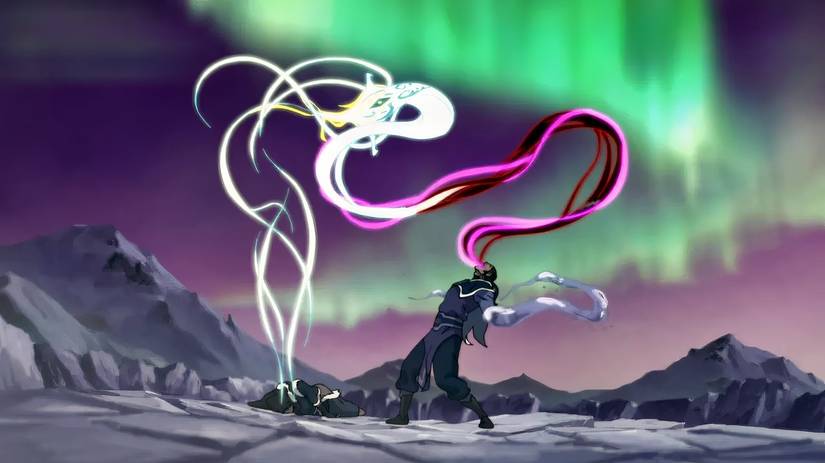
During book 2 of The Legend of Korra, the villain Unalaq opened both portals, freed Vaatu, and fused with him to become the Dark Avatar. Unavaatu tore Raava out of Korra and seemingly destroyed the light spirit, which severed Korra’s connection to Aang and the 180 or so Avatars who came before him.
The Legend of Korra firmly established that Raava and Vaatu cannot permanently destroy one another, as each eventually regenerates inside the other. During their final fight, Korra discovered a spark of Raava growing within Vaatu. She extracted Raava, destroyed Unavaatu, and fused with the spirit of light once again. Vaatu now resides within Raava, who is inside Korra, even though it might take thousands of years for him to regain his strength.
Korra became the first in a new Avatar cycle and left the North and South Pole portals open, allowing humans and spirits to move freely between worlds. That Harmonic Convergence awakened airbending powers in individuals around the world, and spirit vines consumed parts of Republic City, turning several neighborhoods into the Spirit Wilds.
By book 4, humanity engineered a way to harvest spirit vines for energy. The earthbender general Kuvira used them to power an enormous cannon capable of destroying cities. During her final battle with Korra, that weapon went out of control inside the Spirit Wilds, and Korra entered the Avatar State to redirect an energy blast and save Kuvira. This released enough spiritual energy to tear open a third portal. By the end of The Legend of Korra, there were three permanent entrances to the Spirit World: one at each pole and one in Republic City at the center of the world. These events escalated in the decades that followed.
The sequel comic Turf Wars emphasizes how precarious the world becomes. Humans attempt to commercialize the Republic City portal, spirits respond angrily to territory claims, and a dragon-eel spirit transforms the triad leader Tokuga into a human-spirit hybrid. Korra preserves the portal and establishes the surrounding land as a spirit sanctuary, doubling down on her belief that humans and spirits must coexist.
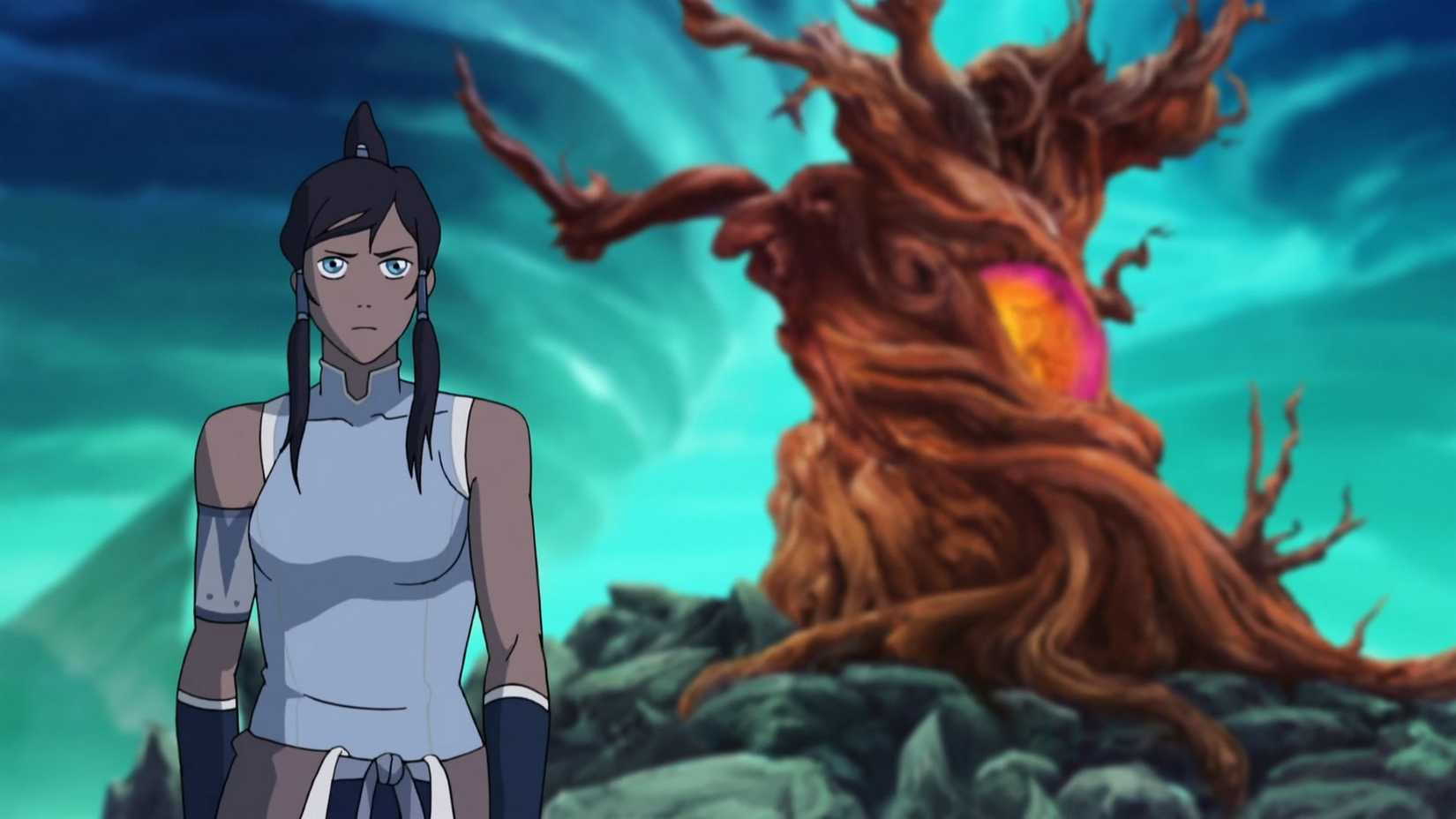
By the era of Seven Havens, all spiritual energy has vanished, and bender birth rates are declining. Older legends say that the Tree of Time binds both worlds together and serves as a source of spiritual energy. Only by meditating within it was Korra able to create a massive astral projection of herself to defeat Unavaatu.
As presented in Seven Havens, the Cataclysm sounds like a climate disaster that shifted the world out of balance. People were already trying to weaponize Spirit Vine energy during Legend of Korra. Someone may have tried to use the Tree of Time for fuel, or something else led to its destruction.
Whatever precipitated the crisis, Korra probably tried to close the portals or separate the two worlds. Doing so could have triggered planet-spanning storms and severed humanity from spiritual energy, leaving Korra remembered as the person who destroyed the world.
Theory: Vaatu’s fate could explain why the new Avatar is a set of twins
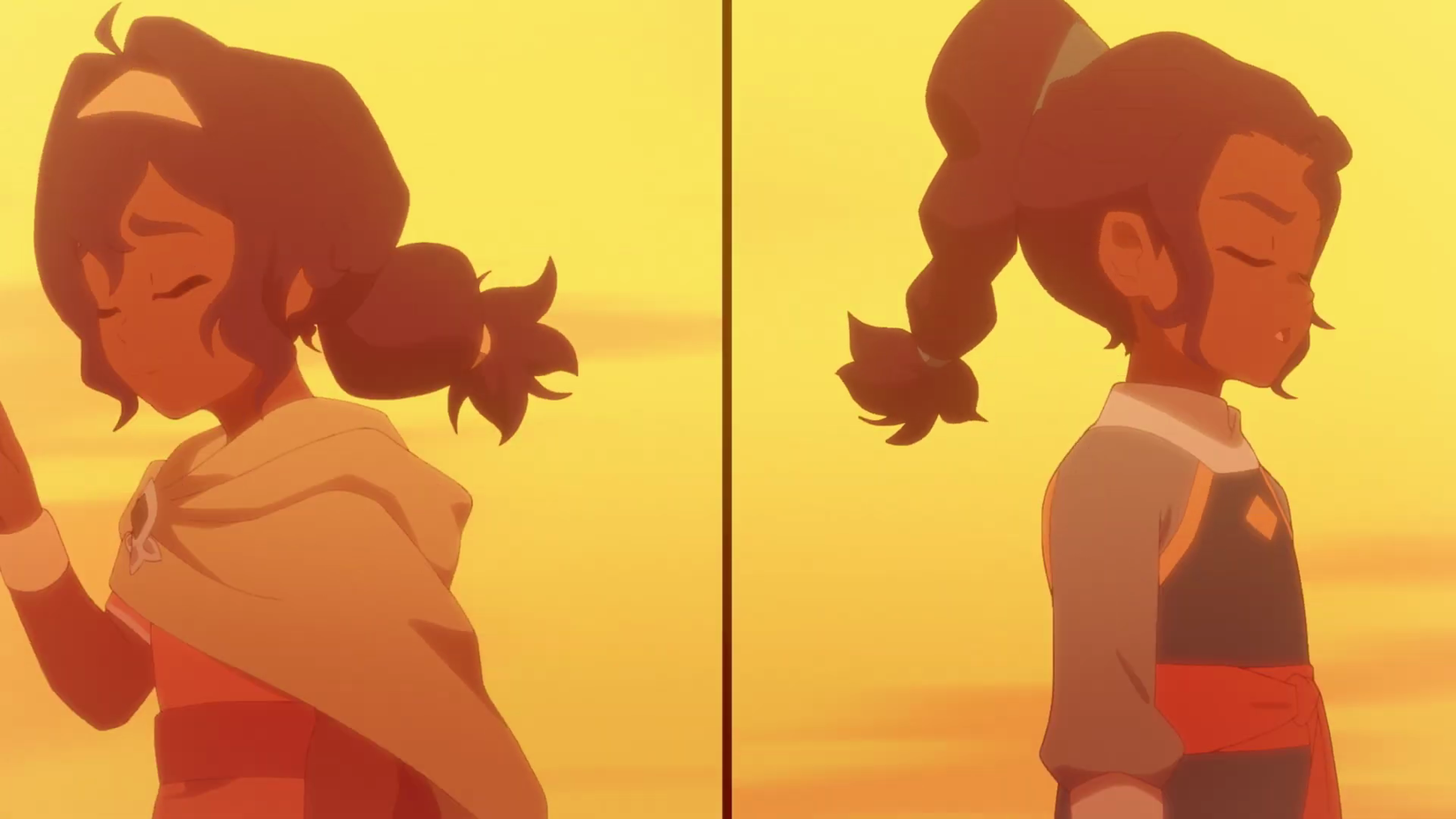
What happened to Vaatu has remained a loose thread since The Legend of Korra book 2, but the show spells it out plainly.
Korra destroyed both Unalaq and Vaatu during Harmonic Convergence minutes after Raava had been killed. Neither spirit can permanently cease to exist, and when one is destroyed, it begins growing again inside the other. Just as Korra found Raava inside Unavaatu, Vaatu regenerates inside Raava.
Ordinarily, the Avatar is the reincarnation of Wan’s human soul eternally bonded with Raava. When Korra dies while Raava contains the embers of Vaatu, the reincarnation process may have separated Raava and Vaatu, leading to twins Pavi and Nisha.
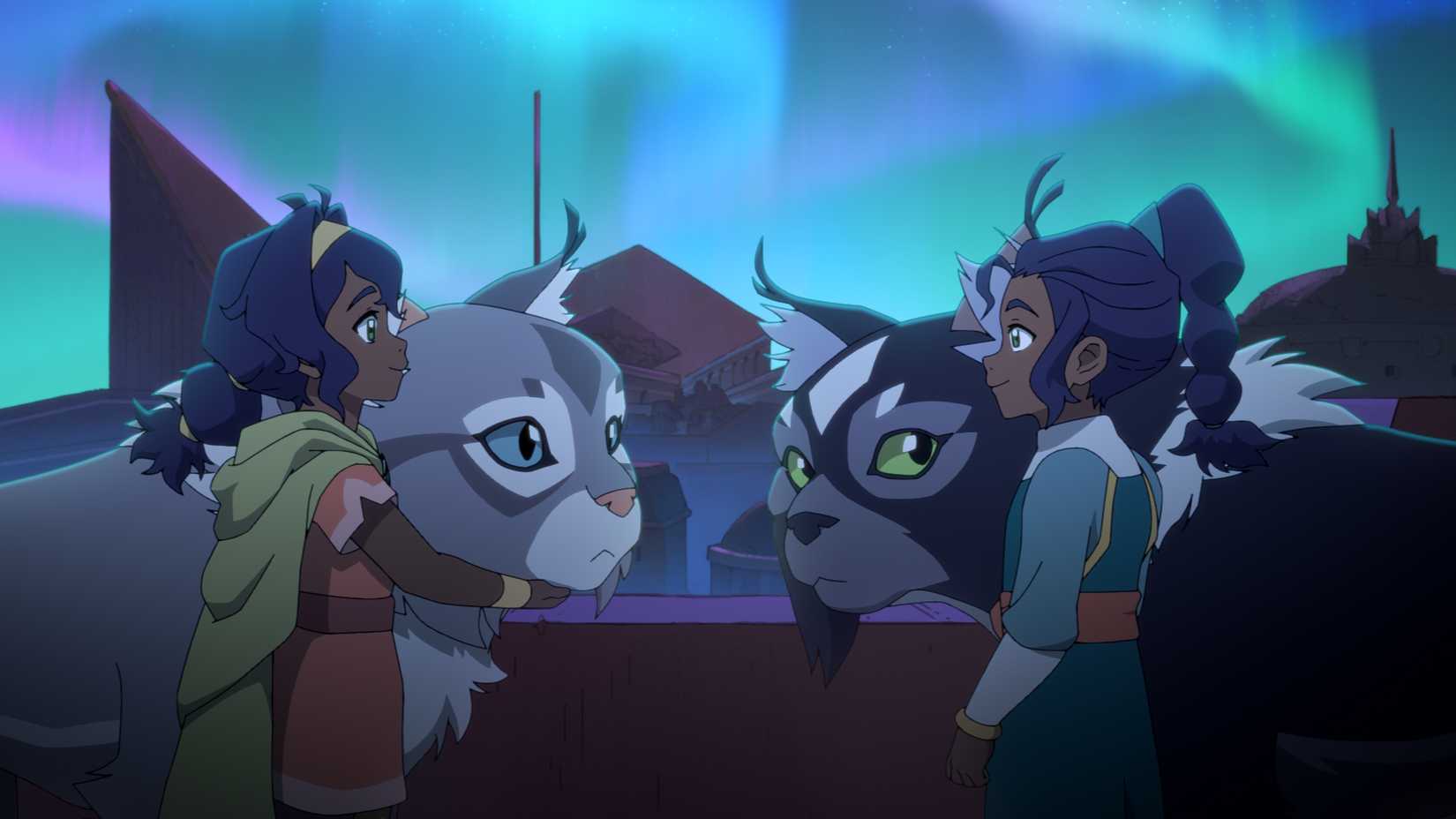
Seven Havens presents a visual clue for this. Both Pavi and Nisha have pet cat-monkeys that serve as mounts. Pavi has Geet, who is light-grey, white, and brown. Nisha has Ruhi, who is mostly black. This is a hint that Pavi inherited Raava while Nisha inherited Vaatu.
Another theory is that Korra’s combined spiritual power was divided by the Cataclysm itself, leaving each twin with aspects of both primordial spirits. Whatever the explanation, it makes for a compelling mystery in Seven Havens.
Avatar: Seven Havens is streaming now on Paramount Plus.
Source: Polygon
Related articles
 Rockstar Reveals First GTA VI Radio Stations and Podcasts
 Windrose Developers to Remove Old Faction Ships and Showcase Ashlands Update Mechanics
 Crunchyroll Announces Webtoon Adaptations and Anime at New York Comic Con
 New Denuvo Version Blocks Hypervisors, Complicating Star Wars: Galactic Racer Crack
 Gameplay Trailer Released for Former Extraction Shooter Canyons
 Dave the Diver to Get Subnautica 2 Collaboration and New DLC
 Clive Barker’s Hellraiser: Revival Achieves High Steam Player Count Despite Day-One Crack
 Free Steam Game Purgatory Arcade Offered to Celebrate Sequel Announcement