
Gachiakuta’s Violent World Sets It Apart as a Shonen Anime

Gachiakuta distinguishes itself not just with a striking power system but with a raw, unflinching narrative uncommon in contemporary shonen. Rather than charting hopeful quests to remake the future, the series immerses viewers in the emotional survival of people trapped in a pitiless world.
The story follows Rudo, a boy framed for a murder and cast from the rim of a floating isle called Sphere — ironically nicknamed Heaven — to die. Sphere is sharply divided by class: luminous white towers at its core shelter the affluent, while squalid slums ring the outskirts. Beneath the island lies the Pit, a ravaged expanse piled with the detritus and toxins discarded from above. It’s in this devastated lower world that Rudo scrabbles to survive and uncover the truth.
 Image: Bones Film
Hope is scarce in Gachiakuta. The privileged inhabitants of Sphere treat anyone beneath them with contempt, while the Pit’s unwritten code is simple: survive by any means necessary. There are rare sanctuaries on the surface — places like Canvas Town, where goodwill grants entry — but these moments of refuge are fragile glimmers amid pervasive danger.
The cast subverts many shonen expectations. Although you’ll find familiar archetypes — a potential romantic interest, a brash companion who’s kinder than he first appears — the bonds here rarely bloom into idealized, tearful camaraderie. The Cleaners, the group Rudo joins, operate more like colleagues bound by circumstance than a close-knit band of friends. There are protections and loyalties, but not the melodramatic, soul-stirring confrontations you might expect (no “Naruto fighting Sasuko on the waterfall” set-piece here). The connections are pragmatic: respect, mutual defense, workplace solidarity.
Rudo initially reads like a standard shonen lead — orphaned, ostracized, and possessed of a prodigious ability comparable to the genre’s heavy hitters. Yet his driving force isn’t an abstract dream of justice or a noble ideal; it’s a consuming rage. He has a gentle side — small pleasures and tender feelings — but his overriding aim is singular: return to Sphere and exact revenge.
The series calmly layers its bleak world-building across the first 11 episodes, but episode 12 strips away restraint and paints the show in its darkest tones.
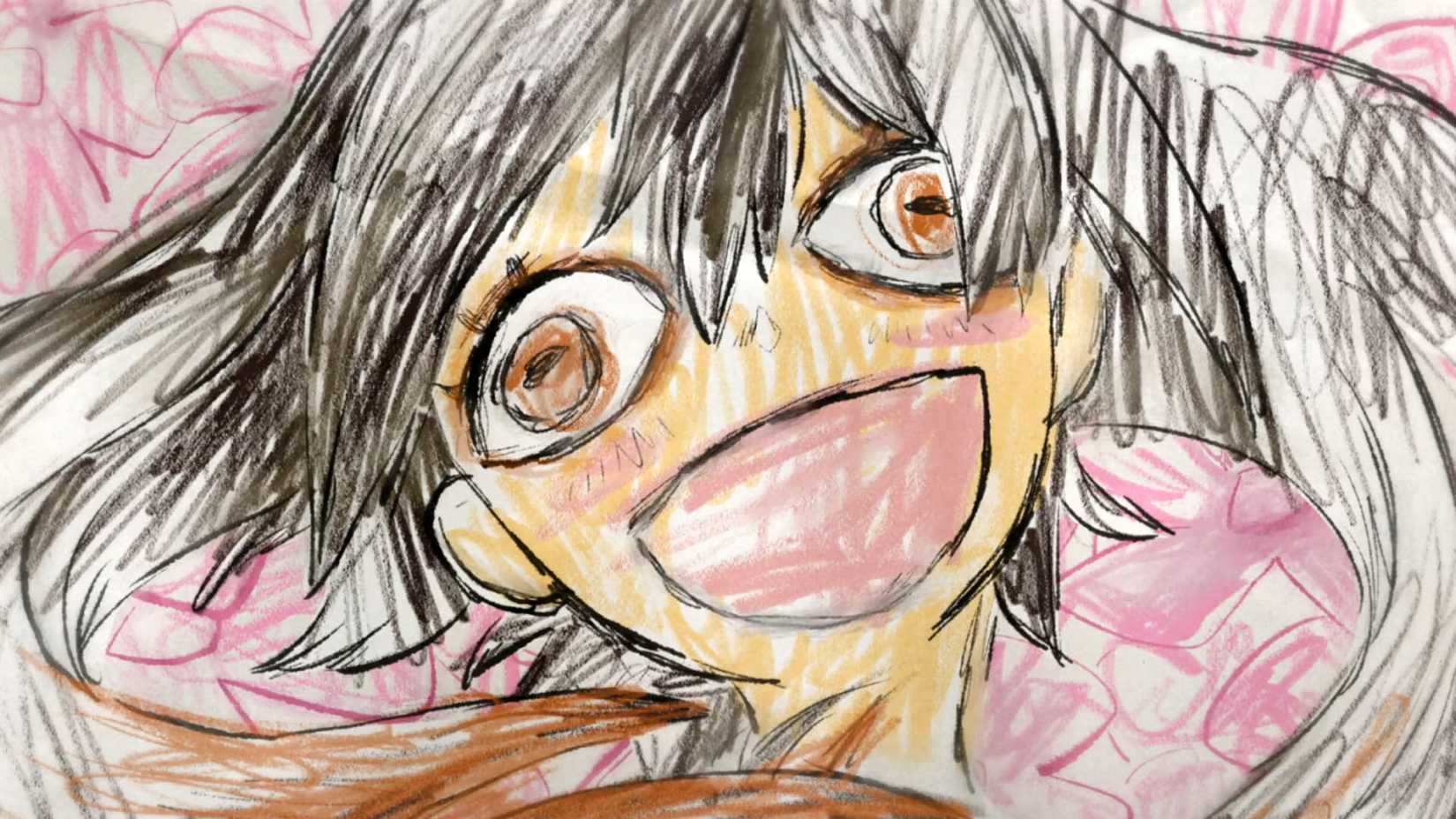 Image: Bones Film
When the Cleaners track a girl who claims to have seen an angel — a lead that might unlock access to Heaven — they cross paths with Amo Empool, a seemingly fragile girl who wanders the toxic wasteland unmasked. Inside her home, the team falls prey to Amo’s unsettling ability: she manipulates others by invoking their most cherished memories.
After the group regains control, the expected next step would be a clean extraction of information. Instead, Rudo responds with brutal violence, repeatedly striking Amo until his teammates restrain him. That moment reveals a truth about the show: its characters are shaped by a world that trains reflexes in blood and anger.
Amo then recounts her past. Sold by her mother to a merchant, she endured sexual exploitation and learned to survive by accepting gifts and twisted explanations of love. The flashbacks are rendered with childlike, jagged strokes — a haunting visual language that conveys trauma far more effectively than a straightforward scene could. She survived not by resistance but by adapting to the only options offered to her.
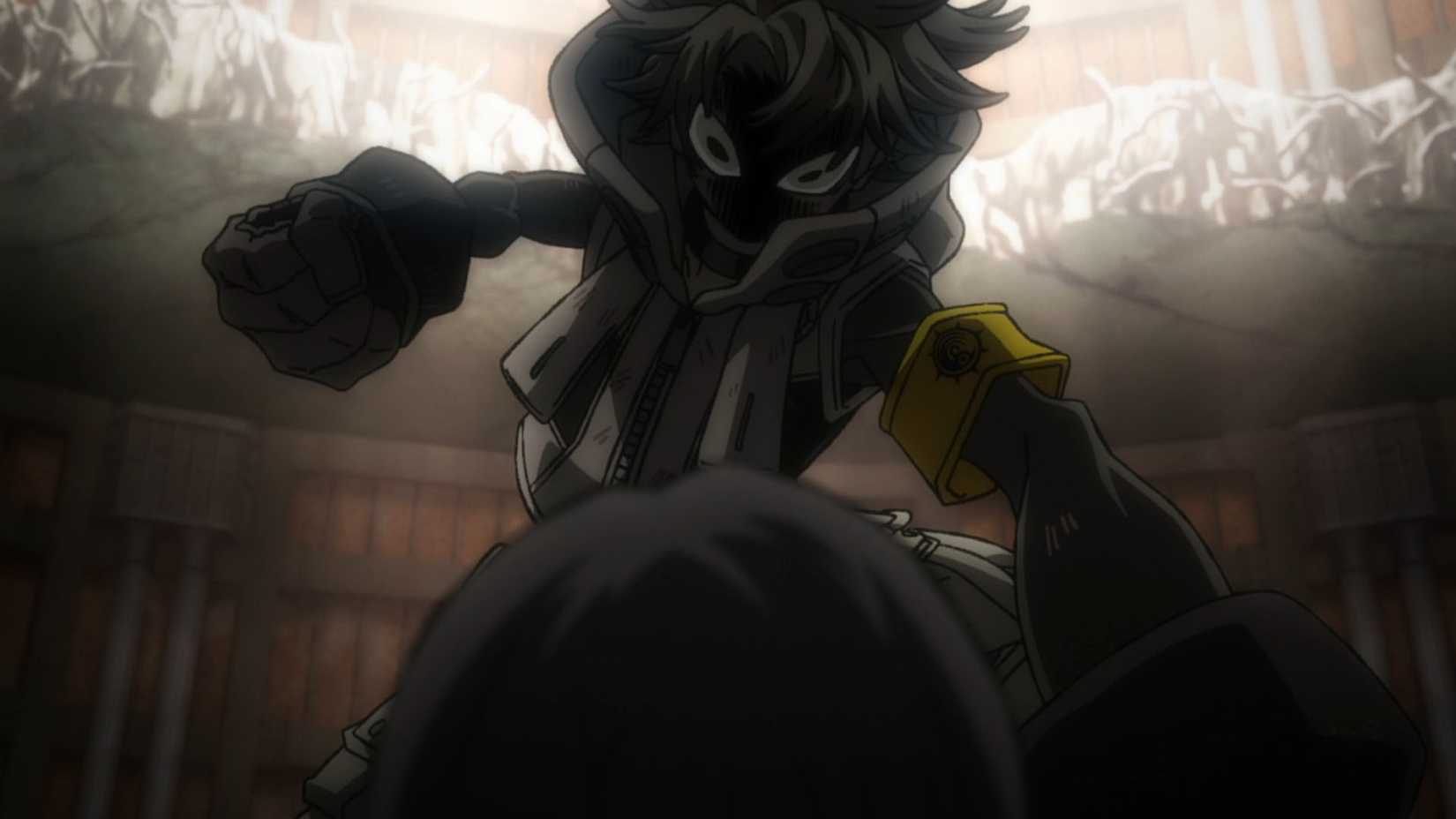 Image: Bones Film
Viewing sexual violence through a child’s eyes is harrowing, and that scene — combined with Rudo’s reaction — exemplifies how merciless Gachiakuta can be. In a world stripped of functioning justice, brutality often becomes the only language left to speak.
Violence saturates the series: from its garbage-punk aesthetic to the guttural tone of its opening theme. Stylistically and thematically, Gachiakuta aligns more with the raw, anarchic energy of Chainsaw Man than with the aspirational heroism of My Hero Academia. It’s less a saga of heroic ascent and more an intimate portrait of ordinary people navigating relentless injustice.
Source: Polygon
Related articles
 Ryan Reynolds’ “Mayday” receives positive reviews from critics
 Michael Keaton to Direct Western Starring Morgan Freeman
 “Daddy’s Daughters” wedding sequel to be released in 2027
 Halle Berry and Colin Firth to Star in New Rom-Com
 Netflix Begins Filming New Dan Brown Adaptation
 Spider-Noir series canceled after first season
 Actors cast as Dobby and Tom Riddle for Harry Potter season two
 International “Doker” Film Festival Kicks Off in Moscow