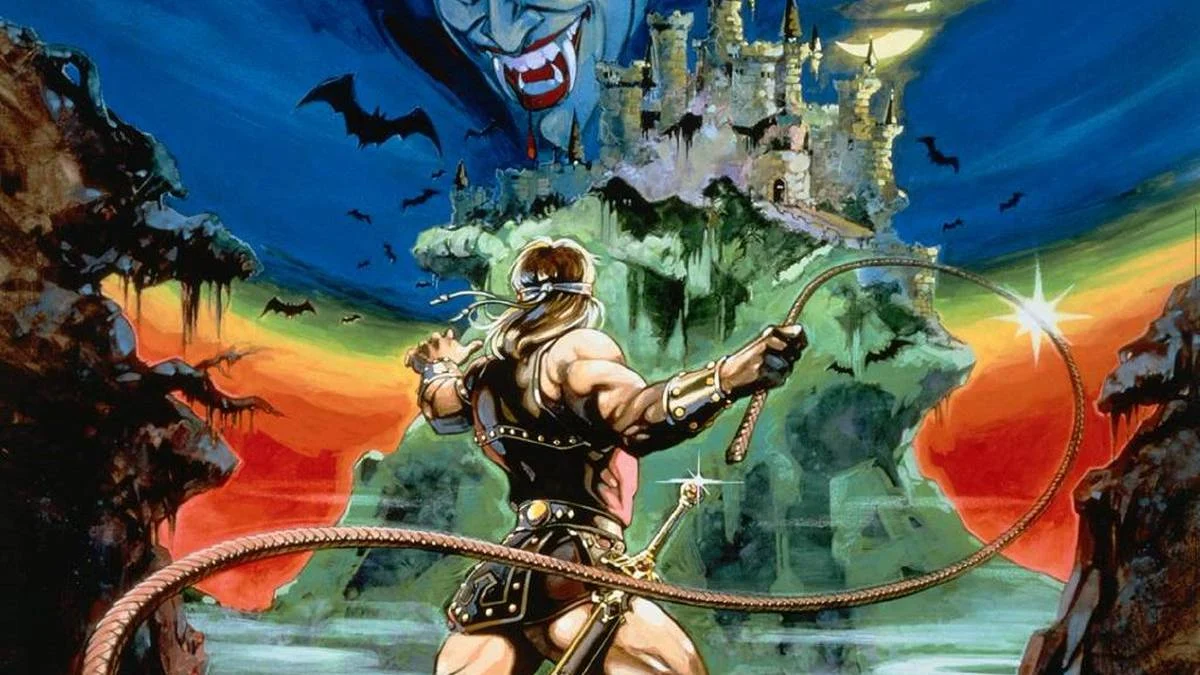
Four Decades Ago, Konami Forever Transformed the Video Game Industry
Contemporary video game releases frequently achieve massive commercial success, yet they rarely redefine the medium as a whole. Having explored countless titles across a myriad of genres, players seldom encounter innovations that feel genuinely groundbreaking. Given the vast ecosystem of established titles currently available, monumental paradigm shifts have become far scarcer than they were four decades ago, when Konami permanently transformed the gaming landscape with the debut of Castlevania.
Originally launched in Japan for the Famicom Disk System under the title Akumajou Dracula on September 26, 1986, Castlevania introduced a seminal 2D platforming experience that sparked an iconic franchise. The series chronicles the arduous campaigns of the Belmont bloodline as they wage war against Count Dracula. To triumph over this supreme adversary, players must first conquer a horde of gothic monsters while traversing a perilous fortress fraught with treacherous chasms, winding staircases, rotating gears, and suspiciously placed wall chickens.
Back in 2018, Polygon published a comprehensive ranking of the greatest Castlevania installments of all time, a sprawling retrospective encompassing upward of 30 entries. The selection spanned handheld triumphs (and missteps), experimental puzzle spin-offs, arcade adaptations, a competitive fighter, and a wealth of traditional 2D and 3D platformers. The IP has undergone remarkable transformations throughout its lifespan, embarking on unexpected creative tangents with varying degrees of triumph. Yet, every single one of those endeavors traces its roots back to Simon Belmont’s fateful first step inside the count’s sinister domain.
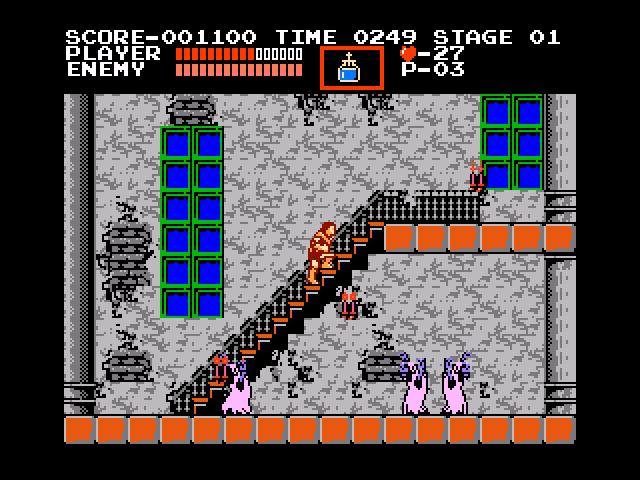
By modern metrics, a proficient player could breeze through the original Castlevania in short order, as a mere six stages hardly feels substantial today. Furthermore, those environments were notably compact. Nevertheless, they possessed an intoxicatingly rich atmosphere and a punishing level of challenge, even when players armed themselves with potent secondary items like throwing daggers, glowing axes, holy water, and consecrated crucifixes.
A significant portion of the difficulty stemmed from committed momentum; the moment Simon initiated a jump, his trajectory was locked. Whereas Mario could effortlessly pivot mid-air to secure a safe landing, Simon’s rigid physics frequently thrust him directly into a drifting Medusa head or an unseeable bottomless pit. Demise was swift and recurring. Regardless of how much ground a player had covered, a single miscalculation unceremoniously hurled them back to the stage’s inception. Long before the luxury of save states, navigating those candlelit corridors demanded absolute endurance and ironclad tenacity just to survive the merciless boss confrontations waiting at the finish line.
 Image: Konami
Present-day developers have clearly drawn profound inspiration from Konami’s masterpiece. Its DNA is clearly visible in projects like Hidetaka Miyazaki’s Dark Souls series, which successfully harnesses a comparable aesthetic while internalizing the original game’s philosophy of fair yet demanding design. Moreover, indie developer poncle released the Vampire Survivors: Ode to Castlevania downloadable content, injecting iconic heroes and villains from across the historical roster into their runaway hit.
Because the pioneer title ultimately paved the way for Castlevania: Symphony of the Night—which forms the foundation of the beloved “Metroidvania” subgenre—the original release also deserves immense credit for shaping modern independent gems such as the Momodora series, Hollow Knight, the Ori franchise, and Dead Cells. Furthermore, veteran director Koji Igarashi successfully crowdfunded Bloodstained: Ritual of the Night in 2015 shortly after parting ways with Konami, ultimately birthing an entirely new spiritual lineage.
Recommended For You
Hand-picked by GameRant editors
GameRant may earn an affiliate commission from links on this page.
The cultural footprint of Castlevania refuses to fade. Dead Cells achieved such monumental acclaim that it warranted its own dedicated Return to Castlevania expansion, bridging the two distinct universes seamlessly. The resounding triumph of that collaboration proved so potent that the same creative team is currently spearheading the upcoming Castlevania: Belmont’s Curse, slated for an October release across Nintendo Switch, PlayStation 5, Windows PC, and Xbox Series X/S.
That is an extraordinary legacy for a modest, unassuming platformer centered around a whip-wielding hero exploring a haunted estate. There is every reason to believe that the monumental franchise unleashed by Castlevania will continue inspiring upcoming generations of game designers for decades to come.
Related articles
 Konami Reveals Details and Gameplay for Silent Hill Townfall
 First Patch for The Blood of Dawnwalker Released One Day After Launch
 Marathon Steam Player Count Drops to Critical Low Amid Player Outflow
 Until Dawn 2 Expected to Feature Ties to Original Game and Return to Blackwood
 Reports Indicate Nintendo Plans Major Showcases Following Sony’s Example
 Daba: Land of Water Scar to Feature Action Inspired by Black Myth: Wukong
 New Gameplay Footage Released for Cyberpunk Life Sim Nivalis Nights
 Ridley Scott’s Napoleon Becomes a Global Streaming Hit on Apple TV Plus