Forgotten Island Stars Explain the Movie Running Gag
In the new DreamWorks animated movie Forgotten Island, the two teenage leads, Jo and Raissa, repeat the phrase “Tayo na!” to each other. Writer-directors Joel Crawford and Januel P. Mercado include several Filipino cultural elements in the movie without explicitly defining them, leaving viewers to pick up the meaning from context.
That task can occasionally prove difficult when the context shifts between scenes and the phrase carries multiple meanings. As Filipinos and Tagalog speakers have explained online, “Tayo na!” can colloquially mean “Let’s go!”, “You and me!”, or “Get up!” depending on the pronunciation, speaker, and situation.
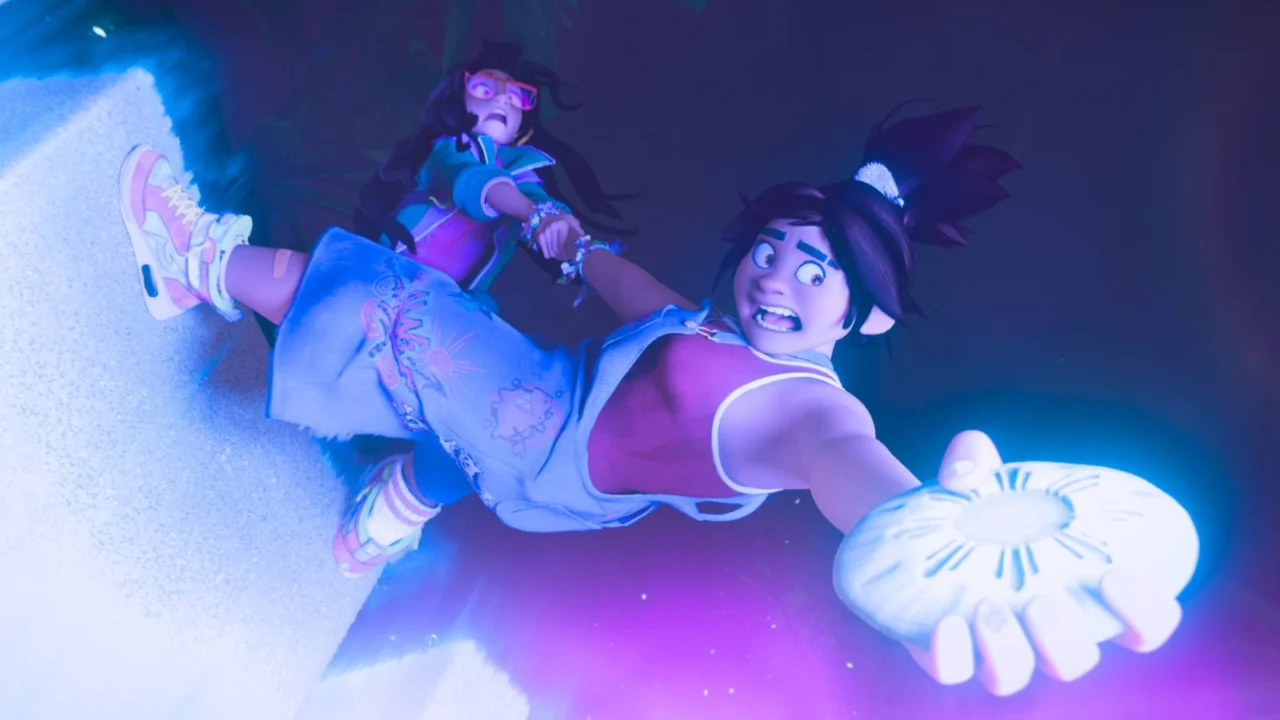
Forgotten Island applies the phrase in various ways as childhood friends Jo and Raissa confront hidden tensions and big changes in their relationship. They urge each other into adventure and steel themselves against danger. When Jo first meets Raissa, she says, “Let’s go! Tayo na!” The line sounds casual at first, but it gains heavier emotional weight throughout the movie.
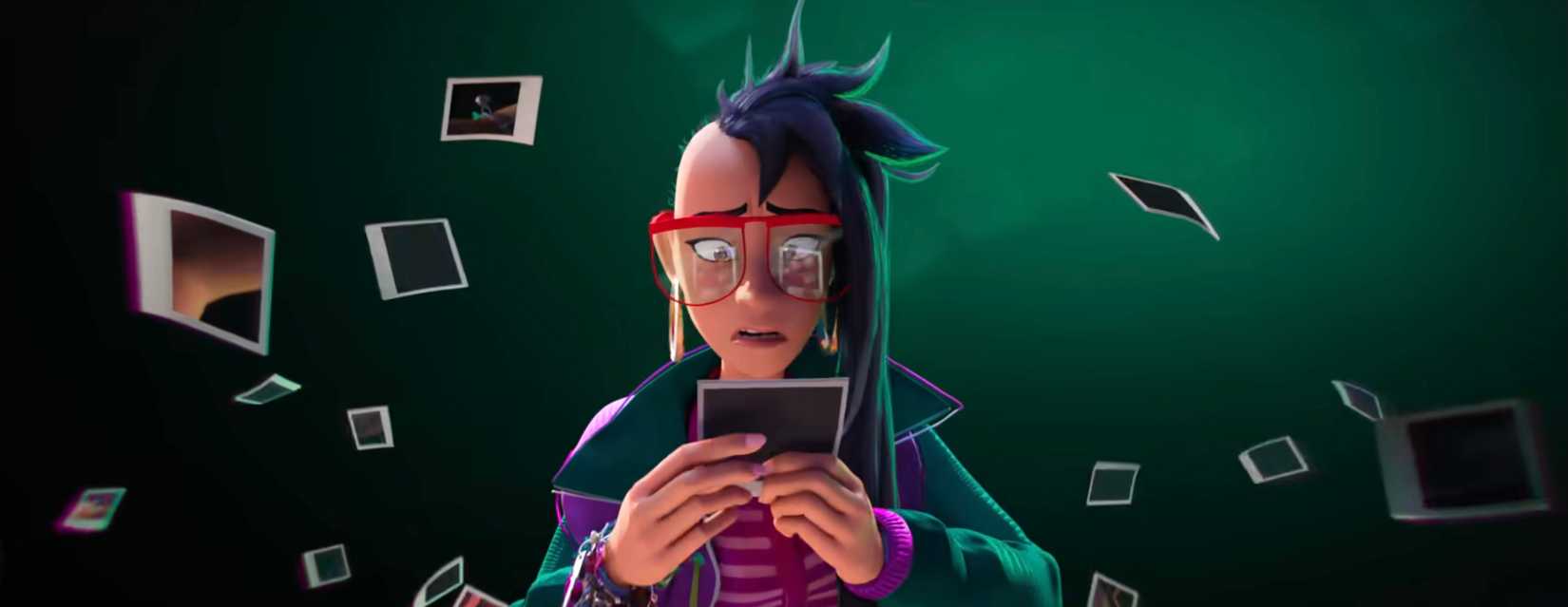
The characters’ voice actors, Liza Soberano (Raissa) and singer-songwriter H.E.R. (Jo), shared with Polygon how their own Filipino roots shaped their interpretation of the phrase across different scenes.
“We grew up saying that,” H.E.R. explains. “I think about my mom [saying it while] rushing me in the morning to get to school. But for us, it became like, our phrase. To say like, ‘Hey, come on, you. You’ve gotta join me. Let’s go.’”
“I grew up hearing my grandma say it a lot,” Soberano chimes in. “It’s actually a very formal way of saying ‘Let’s go.’ ‘Tayo na,’ more than anything, means ‘I’m not doing this without you.’”
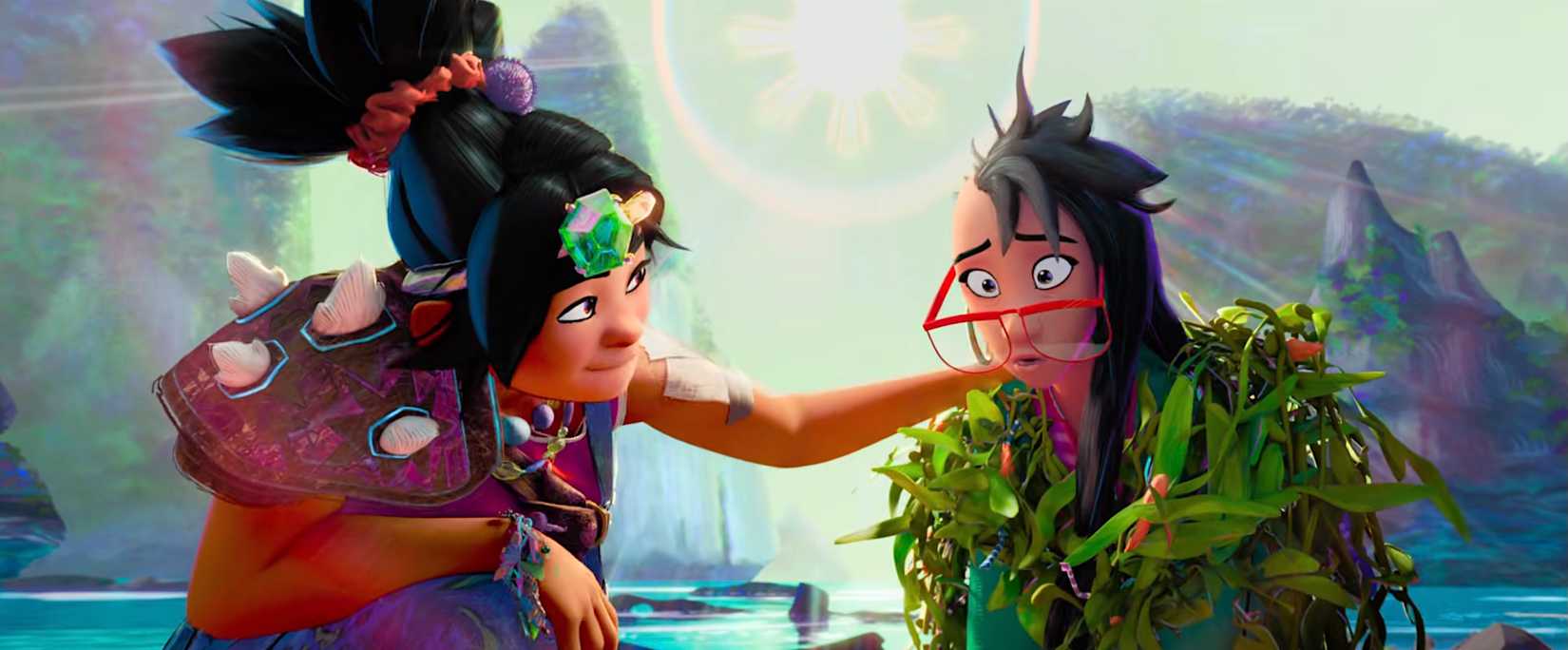
In the film, Raissa prepares to leave the country for college, a pending departure that leaves Jo feeling hurt, rejected, and frightened about the future. A portal opens to the magical island of Nakali, a destination the girls sought throughout childhood after hearing stories from Jo’s grandmother. When Raissa hesitates to step into the unknown, Jo uses their catchphrase. Both characters rely on the phrase to push each other past moments of doubt. The line functions as a code, similar to “Oklahoma” in Ted Lasso or “Grapefruit” in the horror movie Bring Her Back, where characters demand truth instead of a comforting lie. “Tayo na” acts as an equivalent demand for action and commitment.
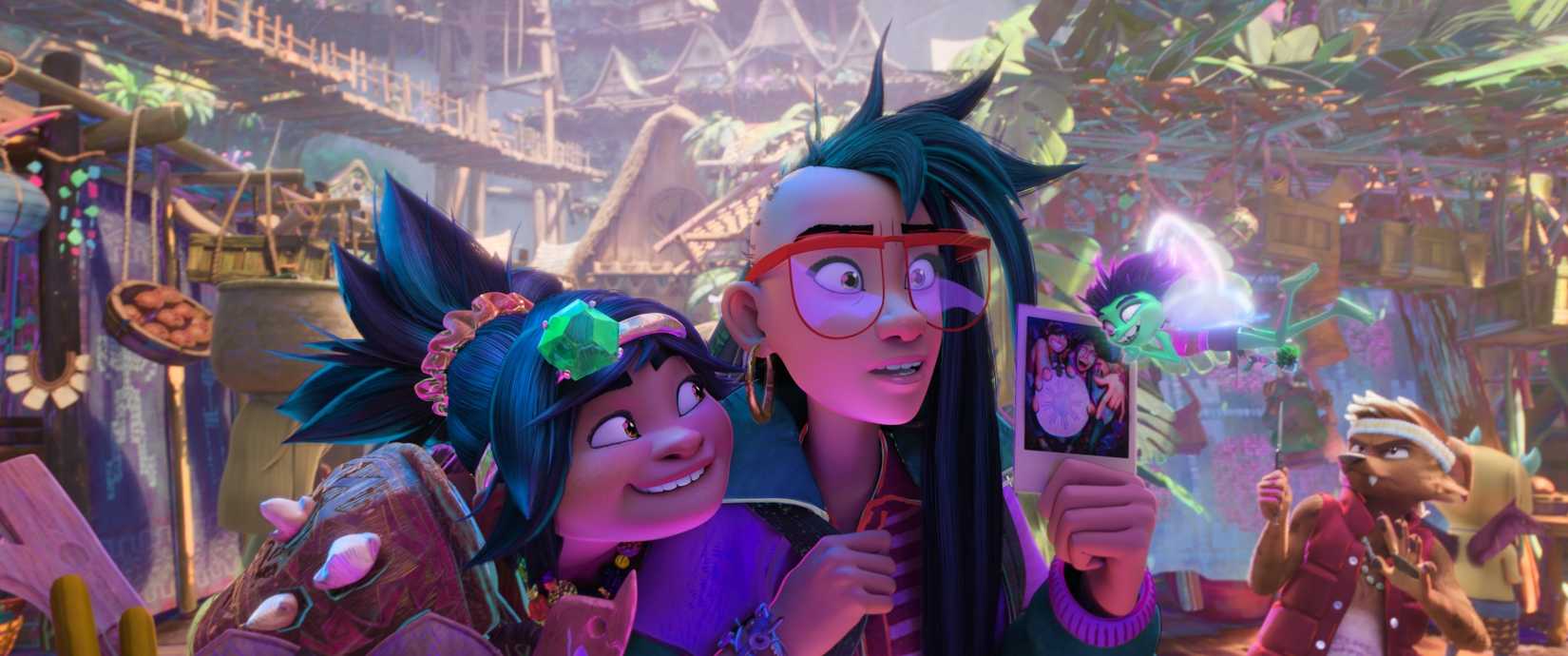
“Once I say ‘tayo na,’ she knows I’m serious,” H.E.R. says. “You can’t back down from a ‘tayo na.’ It’s almost like an initiation. Like ‘If I say tayo na, you can’t say no.’ It’s our promise with each other.”
“We both kind of treat it that way,” Soberano adds. “It’s our safe word that we have for each other. You know it’s serious, you know it’s game time when we say this. You don’t have a choice. It’s like the best-friend card.”
Both actors note that their Filipino heritage helped them navigate the nuances of the dialogue and the characters’ dynamic while giving them room to contribute minor script additions. H.E.R. expressed pride in pitching a joke where Jo mocks a bully by calling his car a “cheapney,” offering a nod to the Filipino jeepneys found across Manila.
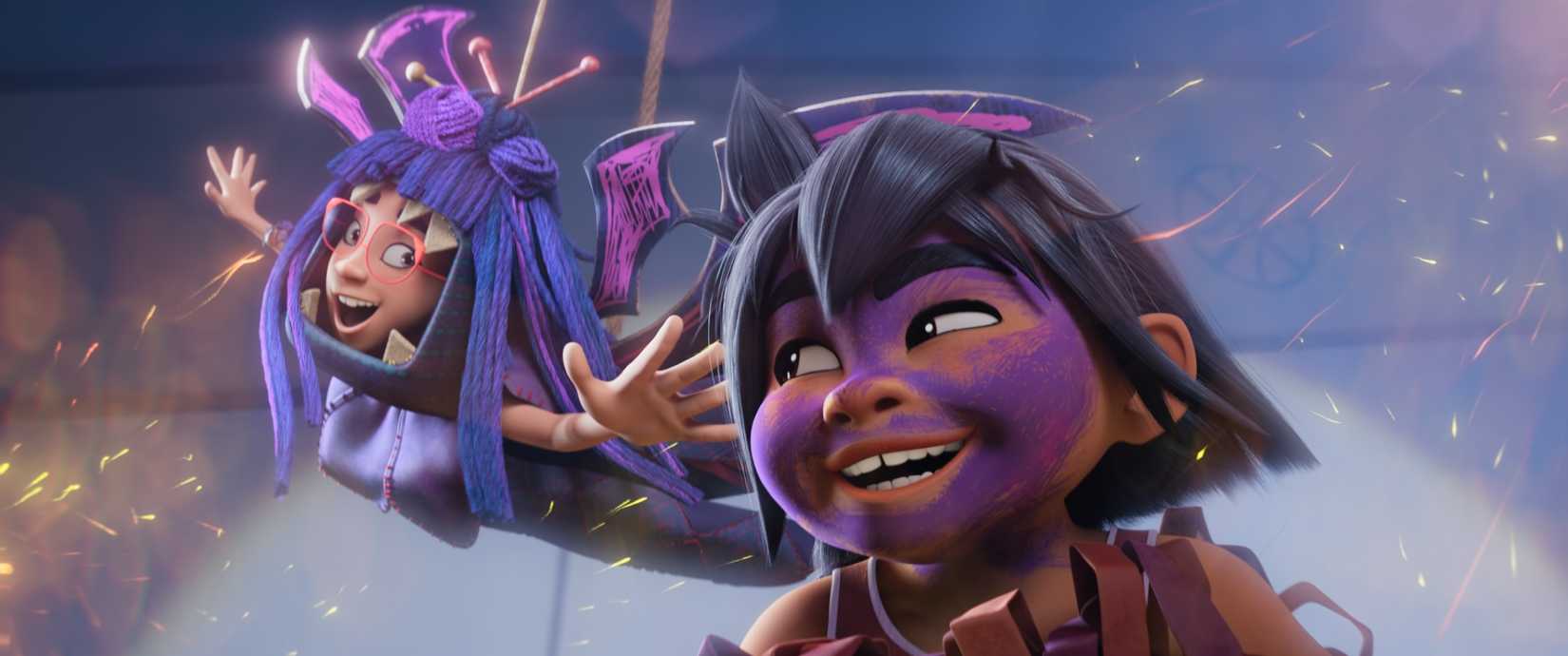
“It was so much fun,” she says. “I just loved how much we were able to be so ourselves. Even though we might have been nervous at times, or shy, or whatever, it just was so organic, especially because we’re both Filipino. We’ve been talking so much about how when you meet another Filipino, immediately you’re like family. […] You relate to each other, and it’s like a safe space. We experienced that recording together.”
Forgotten Island is in theaters now.
Source: Polygon
Related articles
 Original Metroid Prime Ported to Android and PC Without Emulator
 New Denuvo Hacker Claims First DRM Bypass Success
 Brian De Palma Film Obsession Set for 4DX Theaters Rerelease
 Valve Adds Hero Baba and Bench to Deadlock as Game Sets New Steam Record
 What Time Does Marvel Rivals Season 10.5 Release in Your Time Zone?
 Report Suggests Resident Evil Requiem DLC Plot Leaked Alongside Remakes of Resident Evil and RE Veronica
 Exclusive Riftbound Radiance Reveal – Ziggs, the Explosive
 Creator of Garry’s Mod Successor Admits Rough Launch and Responds to s&box Criticism