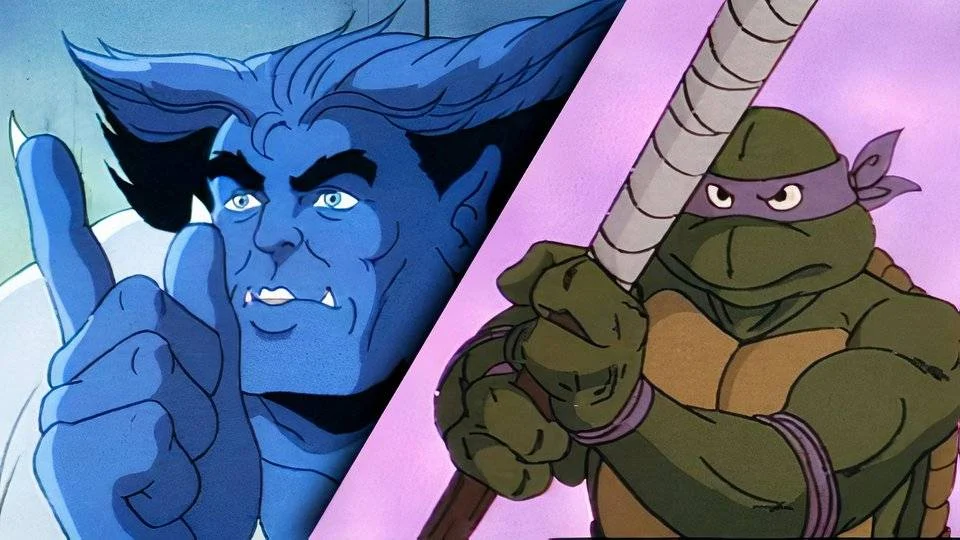
Five TMNT Episodes That Surpass X-Men The Animated Series
X-Men ’97 has two full seasons available to stream on Disney Plus, proving that Marvel’s animated revival is more than a nostalgia exercise. The series remains an epic and comic-book-faithful action fest because Marvel made it a direct continuation of the original X-Men: The Animated Series rather than another X-Men cartoon.
That decision recognizes what fans have said since the 1990s. X-Men: The Animated Series was spectacular. With complex and thoughtful stories drawn from comics, it stood above most children’s animation of its era.
Mutants enjoy a well-deserved renaissance, but another group of cartoon mutants from the same period remains overlooked. That group is the Teenage Mutant Ninja Turtles from the original animated series.
Running from 1987 until 1996, Teenage Mutant Ninja Turtles introduced millions of viewers to Leonardo, Donatello, Raphael, and Michelangelo. The TMNT starred in a successful indie comic previously, but they were hardly household names. No matter how many times the franchise has been rebooted, the Turtles from that original cartoon remain its most recognizable incarnations.
Yet the series is often dismissed as toy advertising or kiddie fare, rarely mentioned alongside animated classics like Batman: The Animated Series and X-Men: The Animated Series. Admittedly, Teenage Mutant Ninja Turtles could be wildly inconsistent. At its best, it matched the inventiveness of those acclaimed shows and occasionally surpassed X-Men.
Five selections prove this fact.
Splinter No More
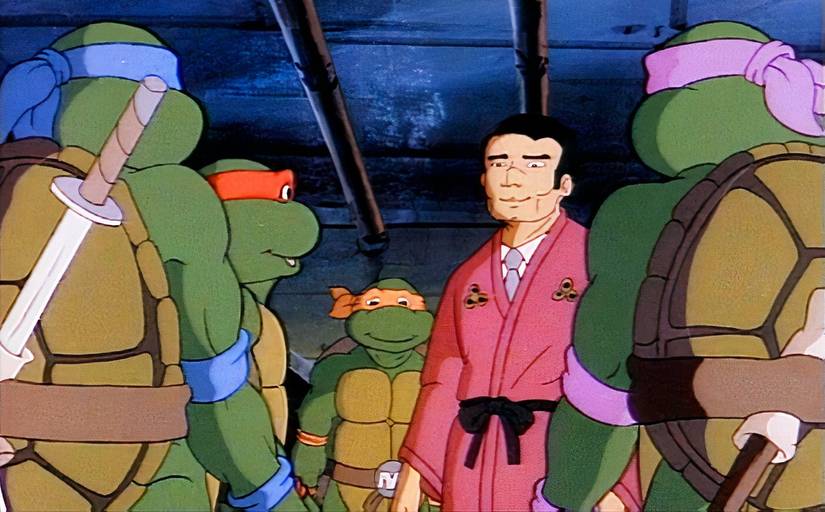
In this season 2 episode, Donatello (Barry Gordon) develops an anti-mutagen that can temporarily transform the Turtles’ sensei, Splinter (Peter Renaday), from a mutant rat back into the human Hamato Yoshi. In this incarnation, Splinter began life as a human, whereas in others he was Hamato Yoshi’s pet rat.
After spending years beneath New York as a rat, Splinter returns to the surface and is disturbed by how terribly humans treat one another. The transformation begins to wear off, forcing him to hide from people terrified by a five-foot-tall rat.
Meanwhile, the Turtles grapple with the possibility that their master may not want to return to the sewers. They worry that Splinter would rather remain human and live among his own kind than rejoin them.
X-Men: The Animated Series receives deserved credit for depicting prejudice against mutants, but Splinter No More explores similar ideas just as effectively while grounding them in the Turtles’ fear of losing their father.
The First Season
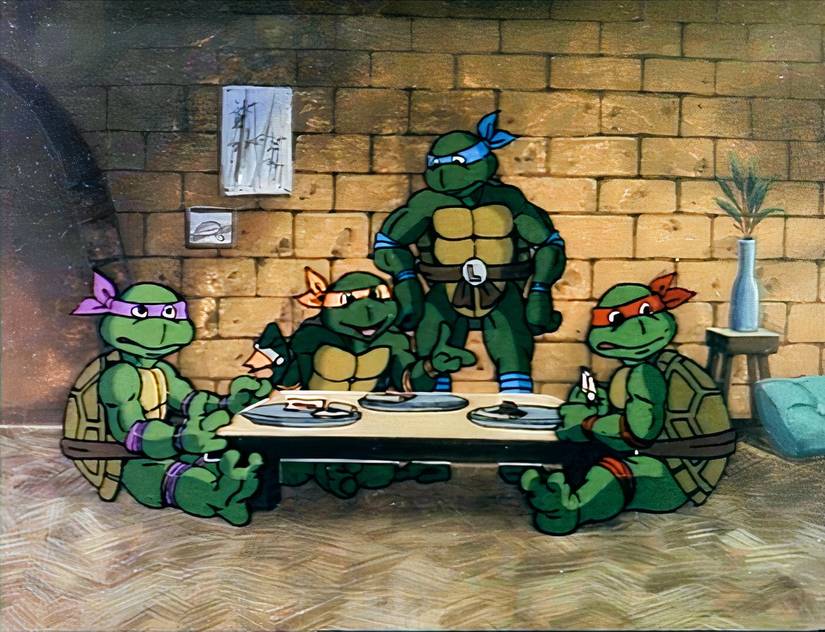
Including the entire five-episode first season as one entry is cheating, but listing all five episodes separately would be a bigger cheat because they form one complete story. This setup mirrors the multipart arcs that X-Men: The Animated Series later popularized.
The original Teenage Mutant Ninja Turtles comics became an indie phenomenon when licensing agent Mark Freedman brought the property to Playmates Toys. The company wanted to produce action figures and needed an animated series to support the toy line. A five-part miniseries resulted, produced by Murakami-Wolf-Swenson, which eventually became Fred Wolf Films.
Across those episodes, viewers learn the origins of the TMNT and Master Splinter, witness the Turtles’ first meeting with reporter April O’Neil (Renae Jacobs), and meet nearly every major villain who defined the series. These villains include Shredder (James Avery), Krang (Pat Fraley), Bebop (Gordon), Rocksteady (Cam Clarke), and Baxter Stockman (Fraley).
The show grew sillier as it continued, but these first five episodes strike a near-perfect balance between humor and action. The Turtles are relentless wisecrackers and a formidable fighting team. Fans still consider this opening arc the high point of the series for a reason.
Plan Six from Outer Space
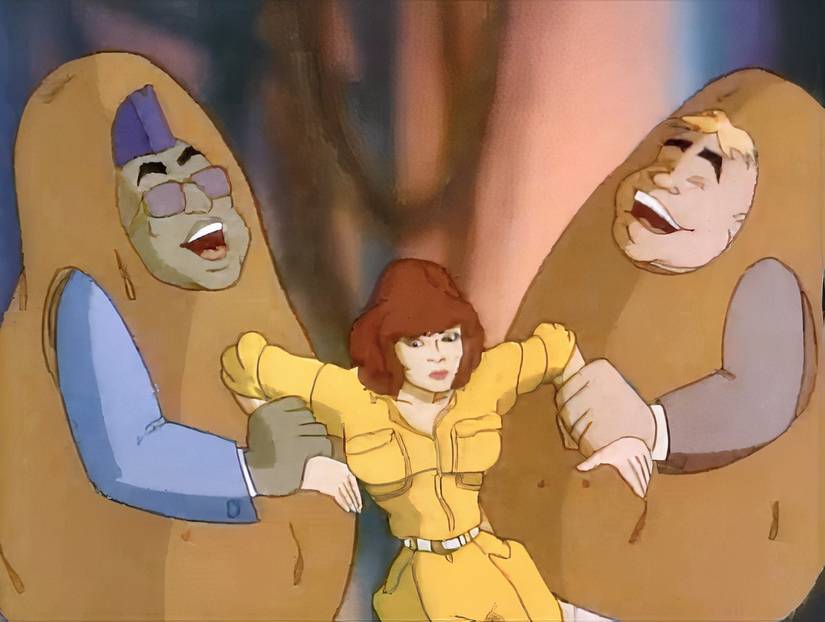
Including the entire five-episode first season as one entry is admittedly cheating, but listing all five episodes separately would be an even bigger cheat because they essentially form one complete story, much like the multipart arcs that X-Men: The Animated Series would later become known for.
The original Teenage Mutant Ninja Turtles comics had already become a successful indie phenomenon when licensing agent Mark Freedman brought the property to Playmates Toys. The company was interested in producing action figures but wanted an animated series to support the toy line. The result was a five-part miniseries produced by Murakami-Wolf-Swenson, the company that would eventually become Fred Wolf Films.
Across those episodes, viewers learn the origins of the TMNT and Master Splinter, witness the Turtles’ first meeting with reporter April O’Neil (Renae Jacobs), and meet nearly every major villain who would define the series: Shredder (James Avery), Krang (Pat Fraley), Bebop (Gordon), Rocksteady (Cam Clarke), and Baxter Stockman (also Fraley).
The show would become much sillier as it continued, but these first five episodes strike a near-perfect balance between humor and action. The Turtles are relentless wisecrackers, but they’re also a formidable fighting team. There’s a reason so many fans still consider this opening arc the high point of the series.
The Maltese Hamster
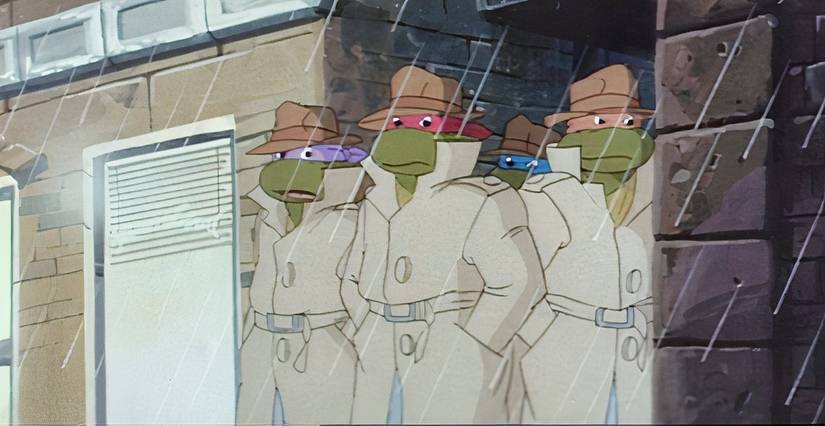
Season 3 features The Maltese Hamster, another showcase for the series’ sophisticated comedy. The episode parodies film noir, featuring hard-boiled narration from Donatello and a plot modeled after The Maltese Falcon.
April purchases a hamster statue from an antique shop without knowing it contains the formula for a powerful explosive. That purchase makes her the target of Shredder and a gangster named Tony The Butcher Vivaldi (Renaday), who both want the item.
Comedy makes the episode memorable. The Maltese Hamster embraces the recognizable conventions of noir and fills them with mutant turtles, gangsters, and a priceless rodent statue.
Turtles on Trial
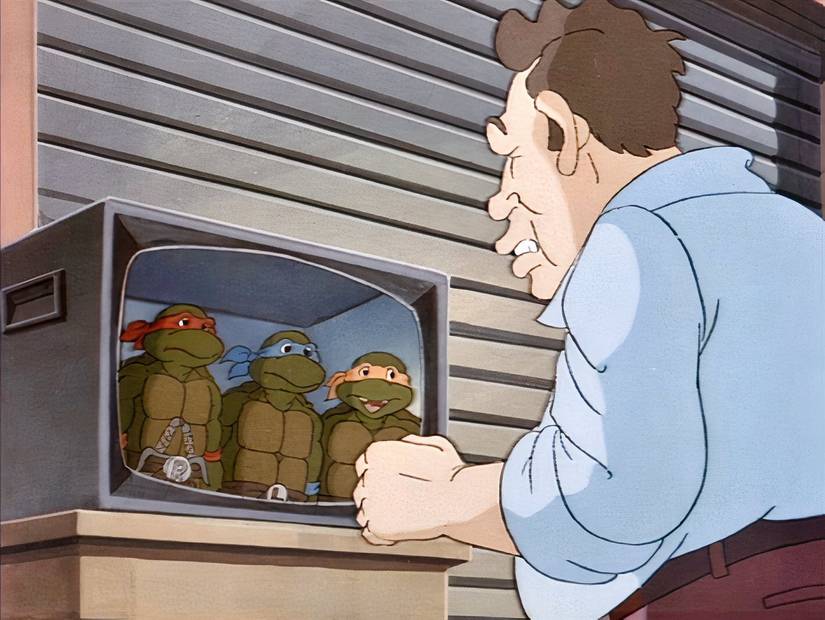
Season 3’s Turtles on Trial returns to the recurring theme of mutants being mistreated by humans. The Turtles become the target of loudmouth talk-show host Clayton Kellerman (Townsend Coleman), who denounces them as dangerous freaks and criminals.
Kellerman’s rhetoric has consequences. Despite attempting to stop a crime in progress, the Turtles find themselves chased through the streets by an angry mob. They agree to appear on Kellerman’s show and make their case directly to the public.
Their effort works. For much of the subsequent series, the TMNT are regarded as heroes and rarely need to hide in the shadows the way they do in other incarnations.
For all Professor X’s talk about achieving peaceful coexistence between humans and mutants, the Teenage Mutant Ninja Turtles accomplish his dream just 20 episodes into their series.
Beat that, X-Men.
Source: Polygon
Related articles
 Sifu Launches on Mobile Devices on October 12
 Game of Thrones Movie on Aegon’s Conquest Projected for Release in 2029
 Warhammer Age of Sigmar Book The Whispering Blade Announced Featuring Zef Drarik’s Return
 God of War Laufey pre-orders trail only GTA VI in sales
 Ace Combat 8 Tops Steam Chart and Sets Series Concurrent Player Record
 Free-to-Play Monster Hunter Outlanders Scheduled for Late October Mobile Release Alongside Gameplay Footage
 Filming Wraps on Season 3 of Wednesday as Netflix Releases New Photo of Jenna Ortega
 Insider Reports Sony May Revive Ape Escape Series