Fatal Frame 2 Remake: The Pitfalls of Over-Modernization
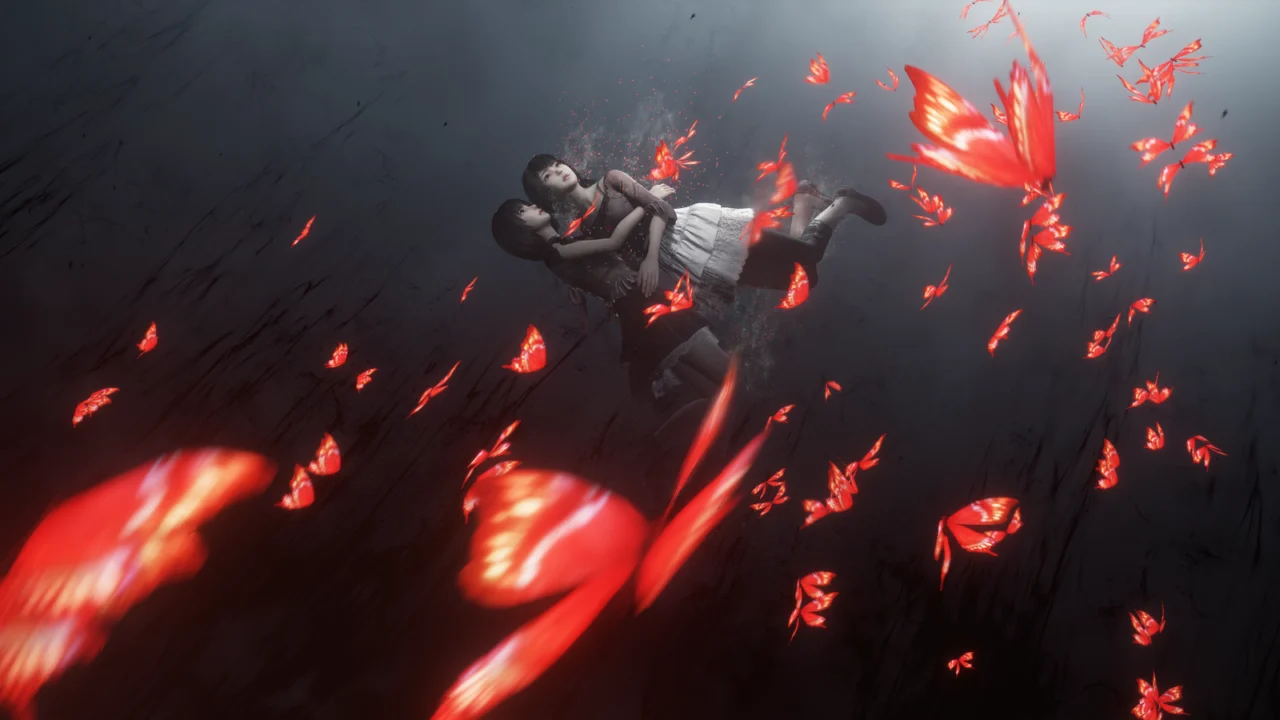
In Fatal Frame 2: Crimson Butterfly Remake, history is a predatory specter. As Mio Amakura navigates the desolate remains of a forgotten Japanese hamlet, she is shadowed by a legacy of trauma that refuses to stay buried. This haunting presence feeds on her guilt regarding her sister’s safety while unearthing the village’s grisly, ritualistic origins. Surrounded by the restless souls of the slaughtered, Mio discovers that there is no fleeing from this darkness; it must be viewed, and exorcised, through a lens.
Reimagining a 2003 survival horror masterpiece forces Koei Tecmo to confront its own heritage. This new iteration of Fatal Frame 2 successfully resurrects a cult classic by leaning into its atmospheric dread, yet it struggles when trying to radically modernize the experience. The resulting tension creates an uneven journey—one that is occasionally too eager to trade its unique, archaic identity for the polished safety of contemporary gaming trends.
The narrative follows twins Mio and Mayu, who stumble into a village ensnared in an eternal, supernatural twilight. As they seek a path home, they piece together the town’s history of macabre rituals through discarded documents and spectral echoes. Their only protection is the Camera Obscura, a mystical apparatus that captures and neutralizes the spirits haunting the decaying manors. It is a harrowing descent that forces the sisters to reckon with both the village’s blood-soaked past and their own fragile bond.
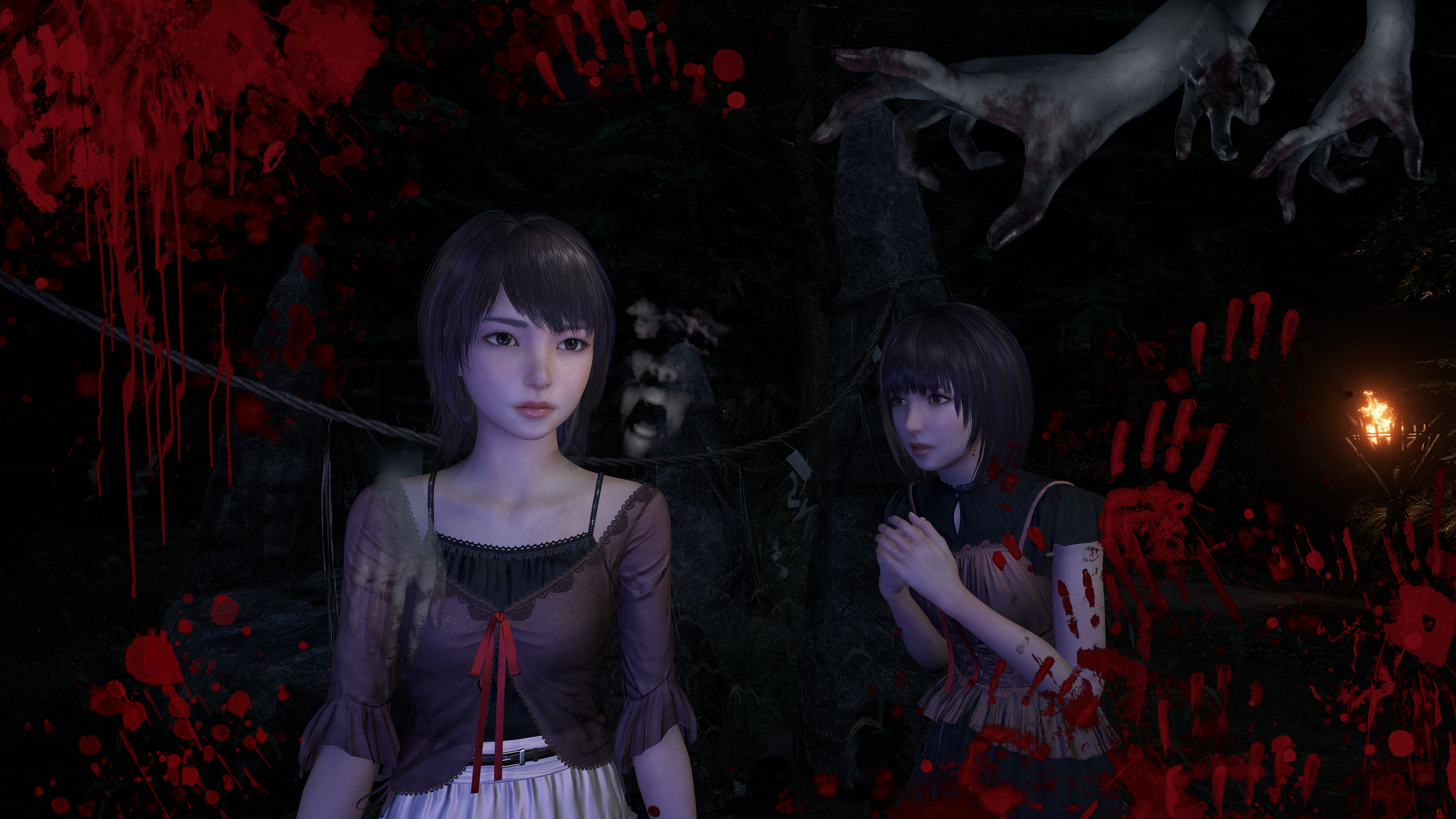 Image: Koei Tecmo
Much like the recent, evocative reinterpretation of Silent Hill 2, the remake’s greatest strengths lie in choices that amplify its emotional weight. Most poignant is the enhanced focus on the sisters’ connection. While the world around them is defined by rot, their devotion remains the game’s pulse. A subtle but brilliant addition allows players to manually hold Mayu’s hand. This tactile mechanic fosters a visceral protective instinct; holding on provides health regeneration, making Mayu’s inevitable absences feel mechanically and emotionally devastating. It is a masterclass in using interactivity to convey intimacy.
The developer has also introduced optional side narratives that provide deeper insight into the village’s victims. These vignettes integrate seamlessly into the original’s “campfire ghost story” structure, offering veterans fresh lore to uncover without disrupting the pacing.
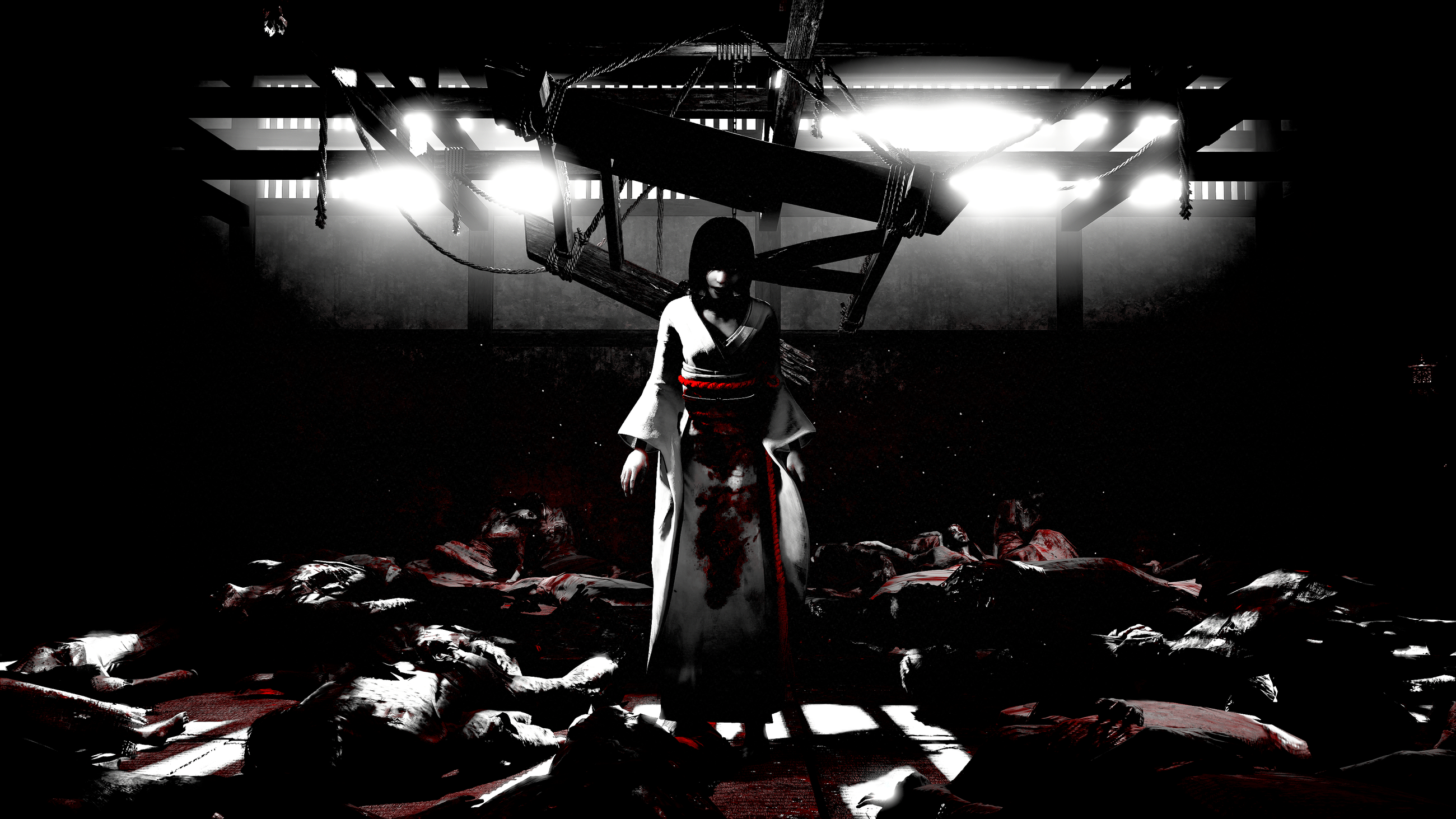 Image: Koei Tecmo
Technically, the overhauled aesthetics preserve the “grunge” of the PlayStation 2 era while updating the fidelity. Environments look damp and neglected, as if the village has been repeatedly drowned and dried over decades. The new flashlight mechanic illuminates these details in sickly clarity, heightening the tension of exploration. Furthermore, the slightly expanded layout makes the village feel like a cohesive, lived-in space rather than just a sequence of puzzle rooms.
However, the remake falters in its attempts to “modernize” the combat. In the original, the terror stemmed from the vulnerability of facing spirits through a viewfinder. The remake overcomplicates this. Ghosts can now enter “enraged” states at random, regenerating health and extending encounters into tedious wars of attrition. While new features like manual zoom, focus control, and a “parry” mechanic add depth, they paradoxically dilute the fear. The more tools Mio gains—such as dodge steps and specialized lenses—the less she feels like a defenseless girl clinging to her composure, and the more she feels like a standard action protagonist.
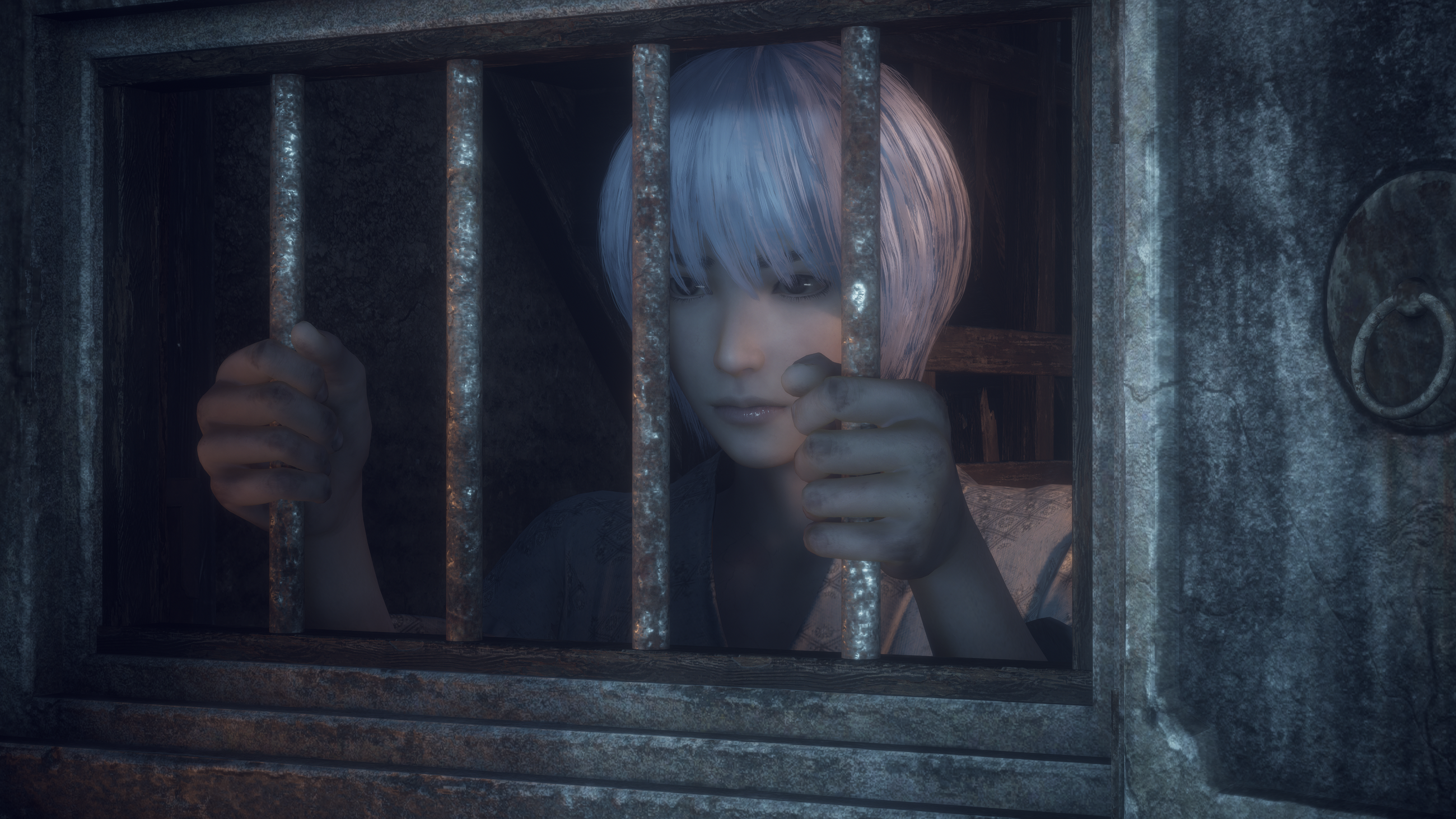 Image: Koei Tecmo
The introduction of a “Willpower” gauge further complicates matters. Acting as a hybrid stamina and shield bar, it governs running, dodging, and special attacks. Because it depletes so rapidly, the player often feels encumbered rather than challenged, turning many fights into messy, slow-motion scrambles. This reliance on resource management feels like an unnecessary addition designed to fix a system that wasn’t broken.
This is the recurring pitfall of modern remakes: the urge to “fix” limitations that were actually foundational to the original’s tension. By trying to make the combat more “fun” by 2024 standards, Koei Tecmo has occasionally stifled the suffocating atmosphere that made Fatal Frame 2 legendary. The addition of repetitive jump scares similarly undermines the slow-burn dread of the original source material.
Ultimately, remakes serve a purpose when they act as a new lens through which to view a classic story. When Fatal Frame 2: Crimson Butterfly Remake focuses on the poignant tragedy of the Amakura sisters and the village’s haunting lore, it achieves a new level of emotional resonance. It is a beautiful, if flawed, tribute that proves some ghost stories are worth telling twice—even if the new version is sometimes too distracted by its own mechanics to see the spirit in the room.
Source: Polygon
Related articles
 PS5 Exclusive Marvel’s Spider-Man Shown Running on Xbox Series X in Gameplay Footage
 Former Dying Light Franchise Head Looks for a “New Kojima” to Help Release an Unusual Game
 PlayStation Reportedly Moving Away From Discs While Xbox Prepares to Revive Physical Releases, Insider Claims
 Valve Veteran Explains Steam’s Popularity, Says Gabe Newell Views the Service as an MMO
 GTA VI Trailer Reportedly Contains Nod to Original GTA, Which Fans See as Hint at Lucia and Jason’s Past
 Former Overwatch Game Director Cut All Ties With the Game After Leaving Blizzard to Preserve Peace of Mind
 The Shining Returns to HBO Max
 Order of the Sinking Star Is Selling Better Than The Witness, Jonathan Blow Explains Earnings Caveat